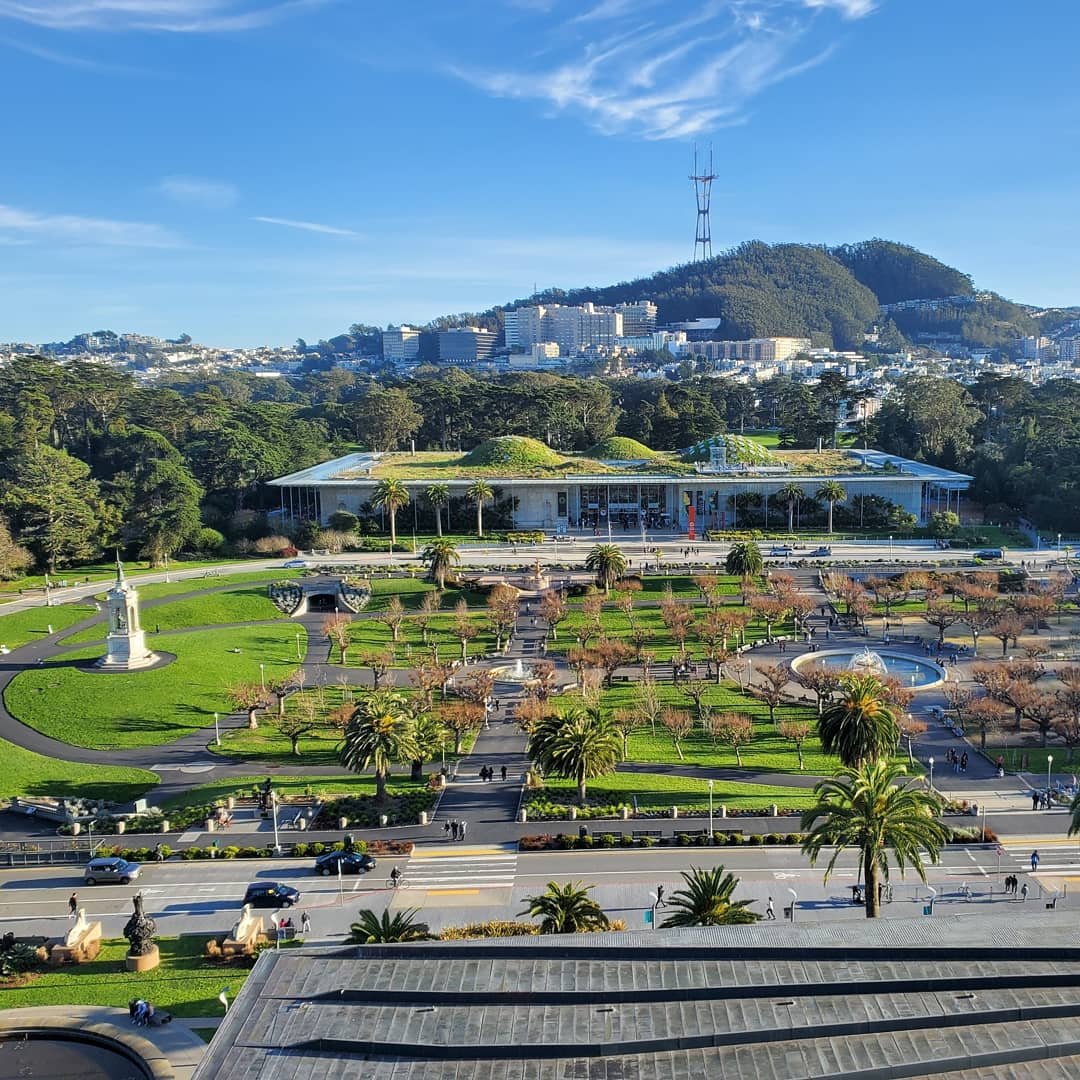
Golden Gate Park

Golden Gate Park

i

Golden Gate Park

Photo by Daniel Cruz

In the heart of San Francisco, Golden Gate Park spreads out like a vast, green playground filled with surprises. With gardens, museums, trails, and lakes, the park feels like an outdoor living room for both locals and travelers. Whether someone sets out for quiet moments in a Japanese teahouse or a bustling music festival, this landmark offers a well-woven mix of nature and cultural energy that can make any trip to San Francisco truly memorable.

Visiting Info

Currency
Entrance fee
Free
Hours
Opening hours
Monday: Open 24 hours
Tuesday: Open 24 hours
Wednesday: Open 24 hours
Thursday: Open 24 hours
Friday: Open 24 hours
Saturday: Open 24 hours
Sunday: Open 24 hours

Contact Information

Location
Address
San Francisco, CA, USA

Planning your visit

Golden Gate Park covers more than 1,000 acres, stretching over three miles from Stanyan Street to the edge of the Pacific Ocean. While entering is always free, parking and special exhibits sometimes require a little planning. Biking, hopping on public transit, or just walking are often the easiest ways to get around, since major drives can be crowded on sunny weekends. Each corner of the park offers something fresh, so mapping out key stops makes the experience smoother.

  • Best time to visit: Late spring and early fall offer the most pleasant weather, but foggy mornings and crisp, clear afternoons make summer and winter visits appealing, too. Early mornings and weekdays are best for fewer crowds.
  • How to get there: Muni buses (lines 5, 7, 21, N Judah) and the N-Judah streetcar stop at multiple park entries. Bike rentals can be found at Stanyan, Haight, or Fulton streets, and parking lots are scattered near major attractions like the California Academy of Sciences.
  • Accessibility: Most major attractions and pathways are wheelchair accessible. Families find stroller-friendly walks and lots of restrooms; benches are frequent for those needing a break.
  • Average visit duration: A thoughtful visit takes three to five hours, but those who want to see every corner could spend an entire day or more.

Must see stuff

No visit to Golden Gate Park feels complete without seeing a few iconic sights. Visitors start at the eastern edge with the Victorian glass-domed Conservatory of Flowers, where rare blooms turn every season into a different kind of jungle. Just beyond, the California Academy of Sciences blends aquarium tunnels, natural history exhibits, and a living roof covered in wildflowers. A quick stroll leads to the de Young Museum, famous for modern art and its twisting, panoramic observation tower. Yet, beauty hides in smaller corners, too—like Strawberry Hill in the middle of Stow Lake or the mossy boulders of the secret-garden Shakespeare Garden.

  • Key sights and features: Buffalo Paddock (roaming bison since the 1890s), Dutch Windmill (surrounded by spring tulips), Japanese Tea Garden (sipping matcha among stone lanterns)
  • Unique experiences: Paddle boating on Stow Lake, Sunday swing dancing near the bandshell, summer concerts by local musicians on the Music Concourse
  • Photo-worthy locations: De Young Museum tower view, Lily Pond reflections, ancient trees in the AIDS Memorial Grove
  • Cultural or historical facts: Golden Gate Park was once just sand dunes, transformed into parkland starting in the 1870s. John McLaren, its famous head gardener, spent decades planting a city’s worth of trees here—with a rule: “No ‘Keep Off the Grass’ signs.”

Tips for your visit

While exploring Golden Gate Park rarely goes wrong, a little local knowledge goes a long way. Bringing layers makes sense when fog can roll in quickly and afternoon sun soon follows; sturdy walking shoes help, since paths range from paved lanes to woodland trails. Weekend afternoons fill with families, joggers, cyclists, and food trucks, which makes arriving early or staying late a good bet for quieter moments. Expect to walk more than planned, and if hunger hits, the casual food stands near major sights or picnic spots near the Polo Fields keep energy up. While most corners feel safe, keeping to lit, busy areas after dark stays wise.

  • Best times to avoid crowds: Early mornings, weekday afternoons, or during light rain
  • What to bring: Water bottle, sunblock, camera or smartphone, comfortable walking shoes, light jacket
  • Local etiquette or rules: Don’t pick flowers; cyclists should use designated paths, and leashed dogs are welcome outside of children’s play areas
  • Safety and comfort advice: Stick to main trails after sunset, watch out for quick weather changes, and remember—strong winds can lift loose hats fast

Similar Attractions