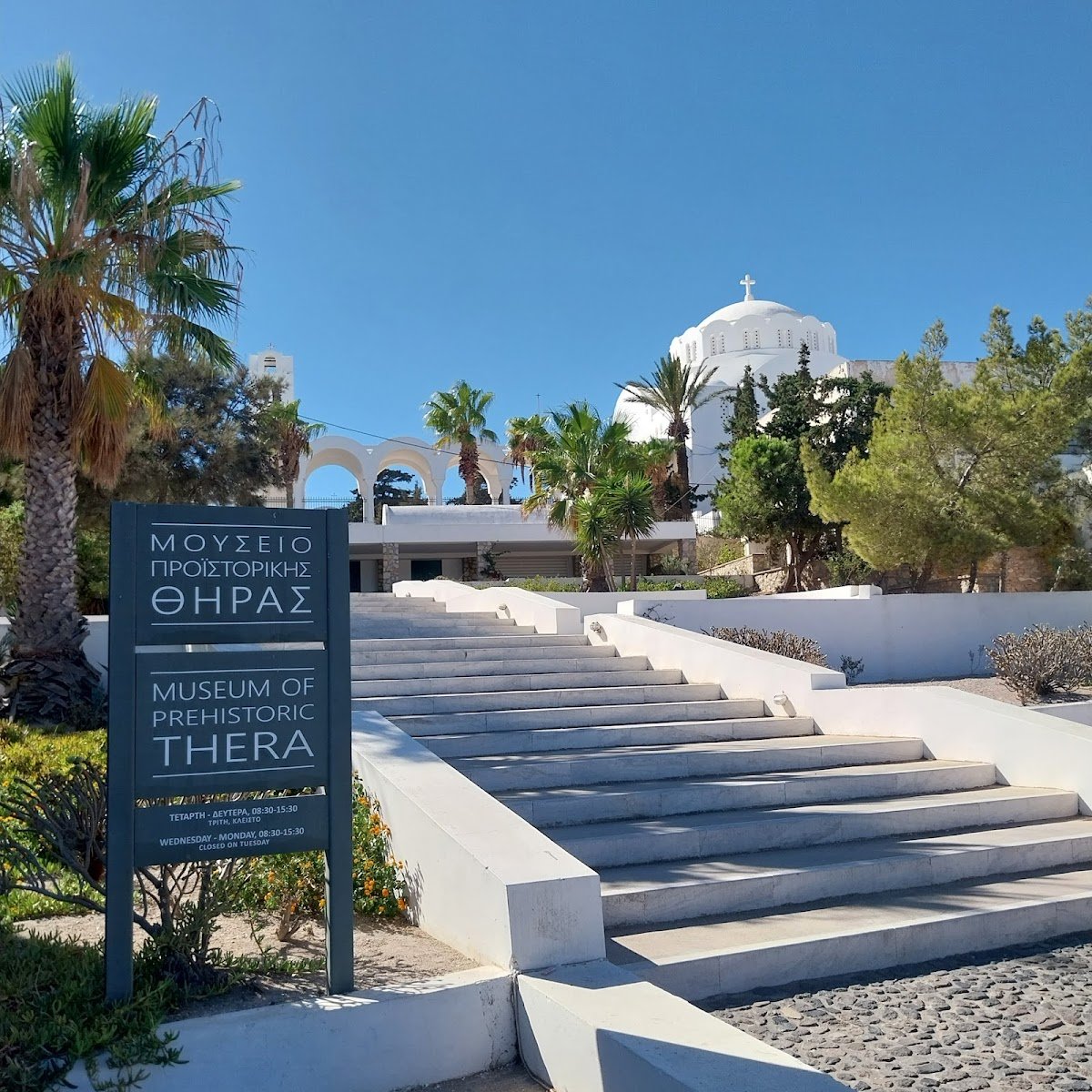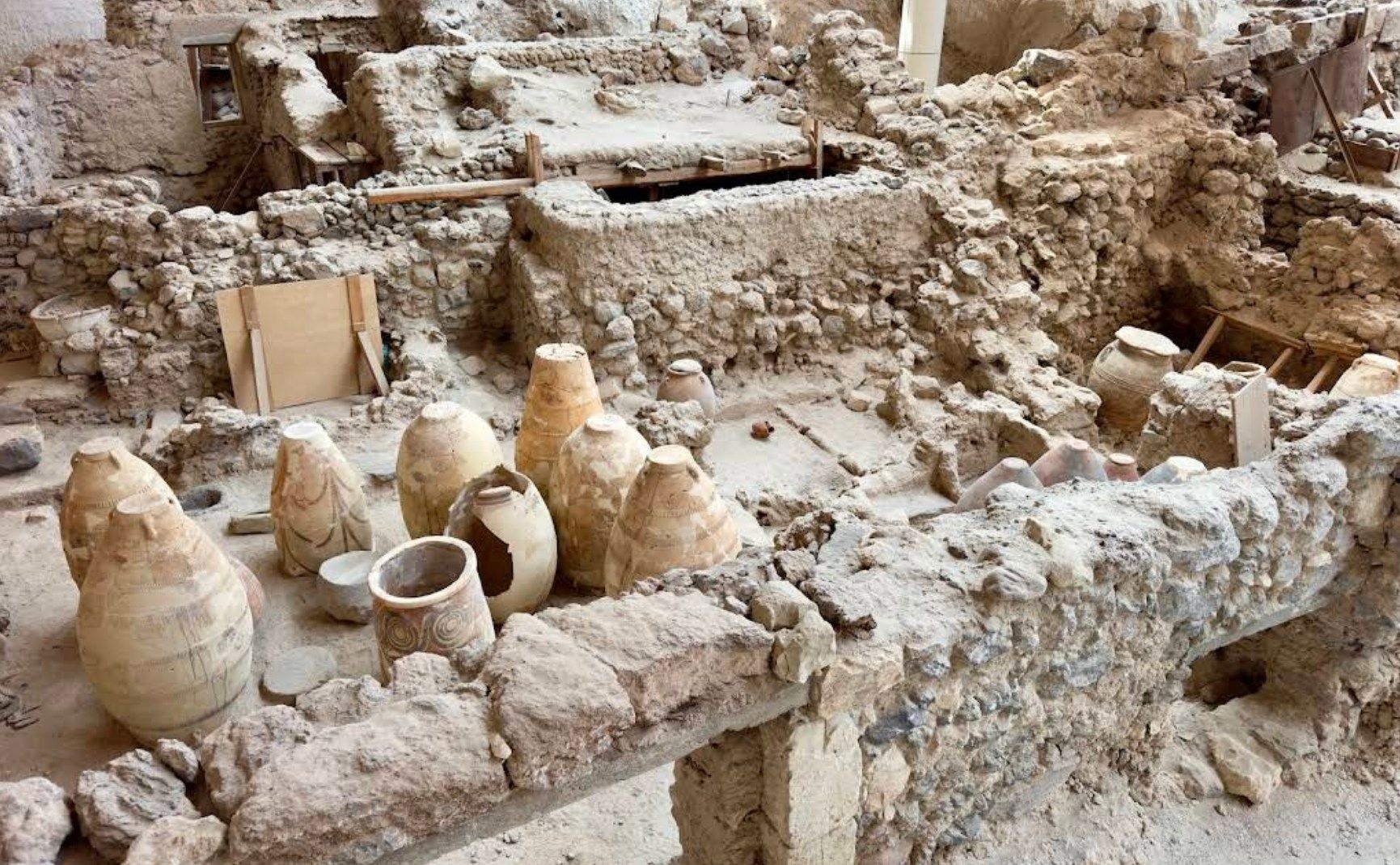
Beautiful view of Akrotiri Archaeological Site

Akrotiri Archaeological Site

Santorini, Greece
i

Beautiful view of Akrotiri Archaeological Site

Time seems to slow down among the sun-baked ruins of Akrotiri Archaeological Site, where stirring remnants of an ancient civilization whisper stories of life, beauty, and sudden disaster beneath Santorini's famous cliffs. Preserved in layers of volcanic ash for nearly 3,500 years, this Bronze Age settlement fascinates visitors with its mysterious alleyways, colorful murals, and glimpses into the daily rhythms of the past. Ancient streets wind between pale buildings, hinting at both the ordinary moments and extraordinary talents of a people whose legacy endures in clay, stone, and frescoes.

Visiting Info

Currency
Entrance fee
12 EUR
Hours
Opening hours
Monday: 8:30 AM – 3:30 PM
Tuesday: Closed
Wednesday: 8:30 AM – 3:30 PM
Thursday: 8:30 AM – 3:30 PM
Friday: 8:30 AM – 3:30 PM
Saturday: 8:30 AM – 3:30 PM
Sunday: 8:30 AM – 3:30 PM

Contact Information

Location
Address
Fira 847 00, Greece

Planning your visit

Planning a journey to Akrotiri requires only a little forethought but rewards careful timing, especially during Santorini’s busy summer season. Crowds typically swell after mid-morning, so early arrivals enjoy a gentler pace through covered walkways and vibrant ruins. The site, located near the southern tip of the island, is easily reached from Fira or Perissa by car, bus, or taxi. Families find the shaded walkways welcoming, though uneven ground can make strollers tricky. Guided tours leave from the entrance and unlock extra layers of history, especially for first-time visitors. Lines for tickets are usually short, but buying in advance reduces worry on crowded days.

  • Best time to visit: Early morning or late afternoon, April through early June, then again in September and October, for cooler weather and fewer crowds.
  • How to get there: Local KTEL buses run from Fira to Akrotiri village every 30 to 60 minutes. Parking is available nearby for rental cars and scooters. Taxis remain reliable but costlier.
  • Accessibility: Walkways allow access for most visitors, but certain paths contain uneven stones; baby carriers work better than strollers. Seniors should consider sturdy shoes and walking sticks.
  • Average visit duration: Expect to spend 1.5 to 2 hours for a relaxed visit, or longer if diving deep with a guide.

Must see stuff

Wandering through Akrotiri reveals a city frozen in time, with whole streets, two-story homes, and even painted walls preserved under volcanic ash. Sweeping overhead, the modern shelter keeps precious artifacts shaded and stable, while vivid red, ochre, and blue frescoes catch sunlight reemerging from history’s shadows. The iconic “West House” holds the famous Flotilla Fresco, and the remains of the Boxers Fresco echo a society rich with artistry and culture. Don’t miss the oddly modern plumbing, one of the earliest known toilets, or the giant pithoi jars still standing in storerooms. Away from the main trail, smaller rooms and forgotten corners sometimes reveal pottery shards or mysterious symbols.

  • Key sights or features: The West House frescoes, ash-preserved streets, double-story dwellings, and storerooms packed with ancient amphorae.
  • Unique experiences: Guided walking tours bring ancient daily life alive; some tours allow access to experimental archaeology projects.
  • Photo-worthy locations: Viewpoints over the main avenue, the sun filtering through sheltering rafters, and surviving fresco fragments in situ.
  • Cultural or historical facts: Evidence suggests Akrotiri’s residents evacuated before the massive eruption, and some advanced drainage systems rivaled those of more famous civilizations.

Tips for your visit

Seasoned travelers plan for time, comfort, and a bit of wonder. Visiting early earns quiet moments as the sun lights up painted walls and silent streets. Light layers help with shifting indoor and outdoor temperatures, while sturdy shoes protect feet from rough ground. Bringing a refillable water bottle is recommended—the on-site café can run out, especially on hot afternoons. Flash-free photography is allowed, but crowds sometimes block the best angles, so patience helps capture special shots. Guides appreciate questions about history and local lore, and respect for barriers keeps both visitors and ruins safe. The gift shop features quality replicas and books for deeper reading, though prices can vary. Guests sometimes notice a slight musty scent from the ash and stone, a reminder of centuries past.

  • Best times to avoid crowds: Arrive before groups (8:30–9:30 am) or late afternoons after 3:30 pm.
  • What to bring: Water, sunhat, sturdy shoes, camera, and small bills for the café or gift shop.
  • Local etiquette or rules: Avoid touching the ruins or frescoes, stay within marked paths, and keep voices low to preserve the quiet mood.
  • Safety or comfort advice: Some walkways are narrow. Sample local tavernas in Akrotiri village afterward for a relaxed lunch—octopus and fava are specialties worth a try.