Prophet Elias Monastery

Prophet Elias Monastery

Santorini, Greece
i

Prophet Elias Monastery

Photo by Barbara

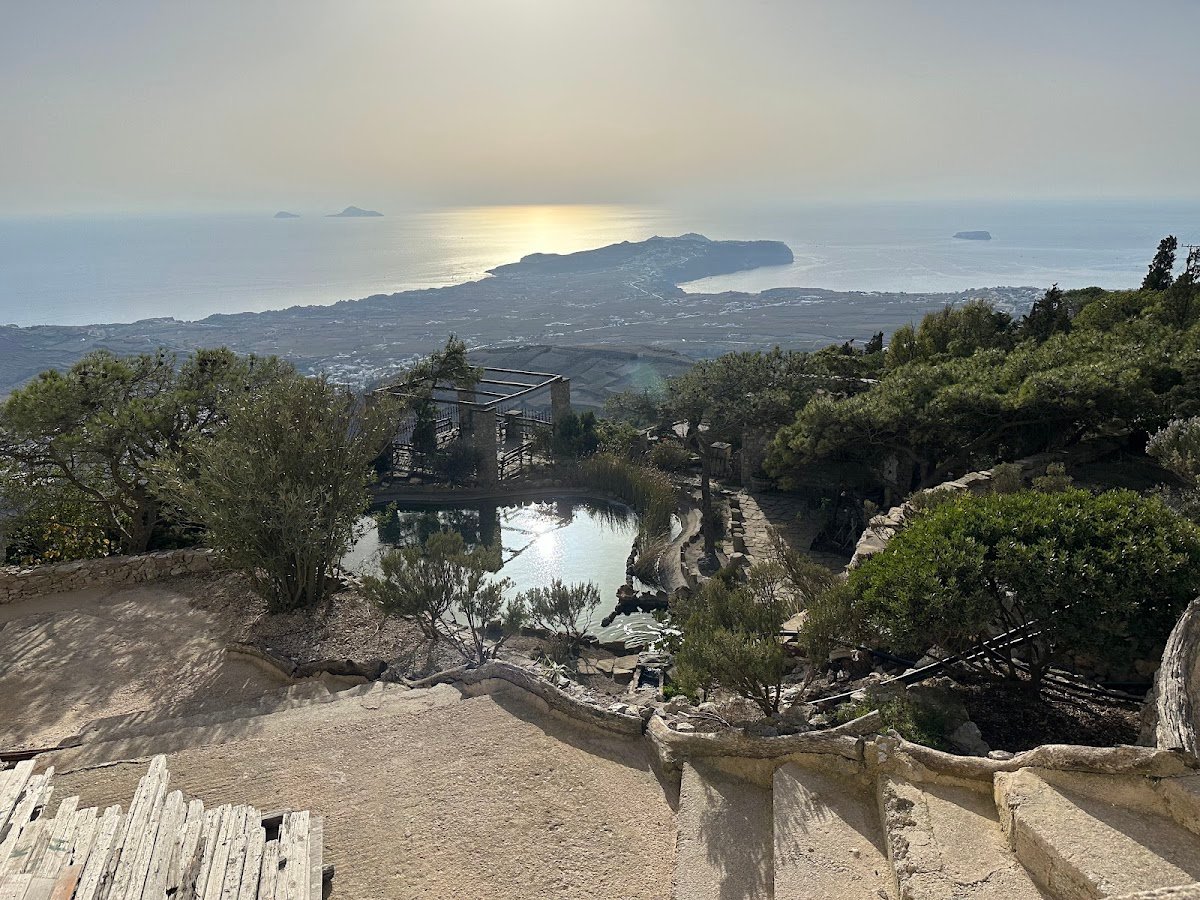
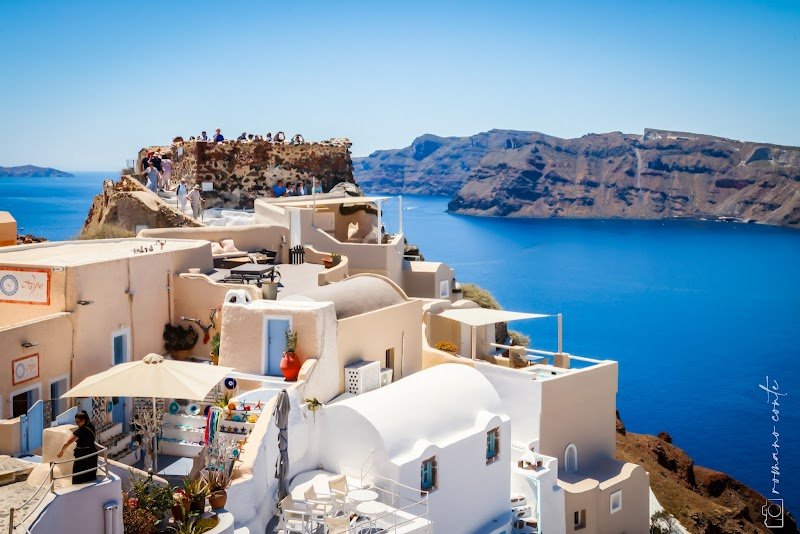
Hovering above Santorini, Prophet Elias Monastery gathers fog and sunlight on its mountain throne. This stone-walled landmark rises like a quiet sentry above the ripple of whitewashed villages below. The setting delivers sweeping views and centuries-old secrets, blending wind, pine, and candlelight as a living memory of Greek Orthodoxy. For travelers drawn to slow beauty and high horizons, this mountaintop sanctuary packs both spirit and scenery, day and night.

Visiting Info

Currency
Entrance fee
Free

Contact Information

Location
Address
Epar.Od. Pirgou Kallistis - Profiti Ilia 10, Pirgos Kallistis 847 00, Greece

Planning your visit

While Santorini’s blue domes and beaches beckon, Prophet Elias Monastery sits apart, requiring extra effort to reach. Clear mornings reward early risers with dazzling scenery and cooler temperatures, while golden hour brings a softer light across the caldera. Plan a visit for spring or early autumn to skip both heat and crowds. Roads wind steeply toward the summit, so those with mobility concerns should prepare accordingly. Commercial tours, taxis, and adventurous hikers all make the trek—but private vehicles also park nearby. Entry is affordable, and time inside can stretch as long or as short as mood allows. Families, history-lovers, and photographers will all find something worth lingering for.

  • Best time to visit: April–June or September–October; mornings and sunsets deliver the finest light and fewer visitors.
  • How to get there: Car, taxi, or organized tours from Fira. Adventurous travelers sometimes hike from Pyrgos, following a marked but fairly steep trail.
  • Accessibility: The monastery is located at the highest point on Santorini with parking just below. Paths involve uneven stones and stairs, so limited mobility might make sections difficult.
  • Average visit duration: Plan for 1 to 2 hours, not counting travel time—longer if joining in a church service or hiking up from the village.
Must see stuff

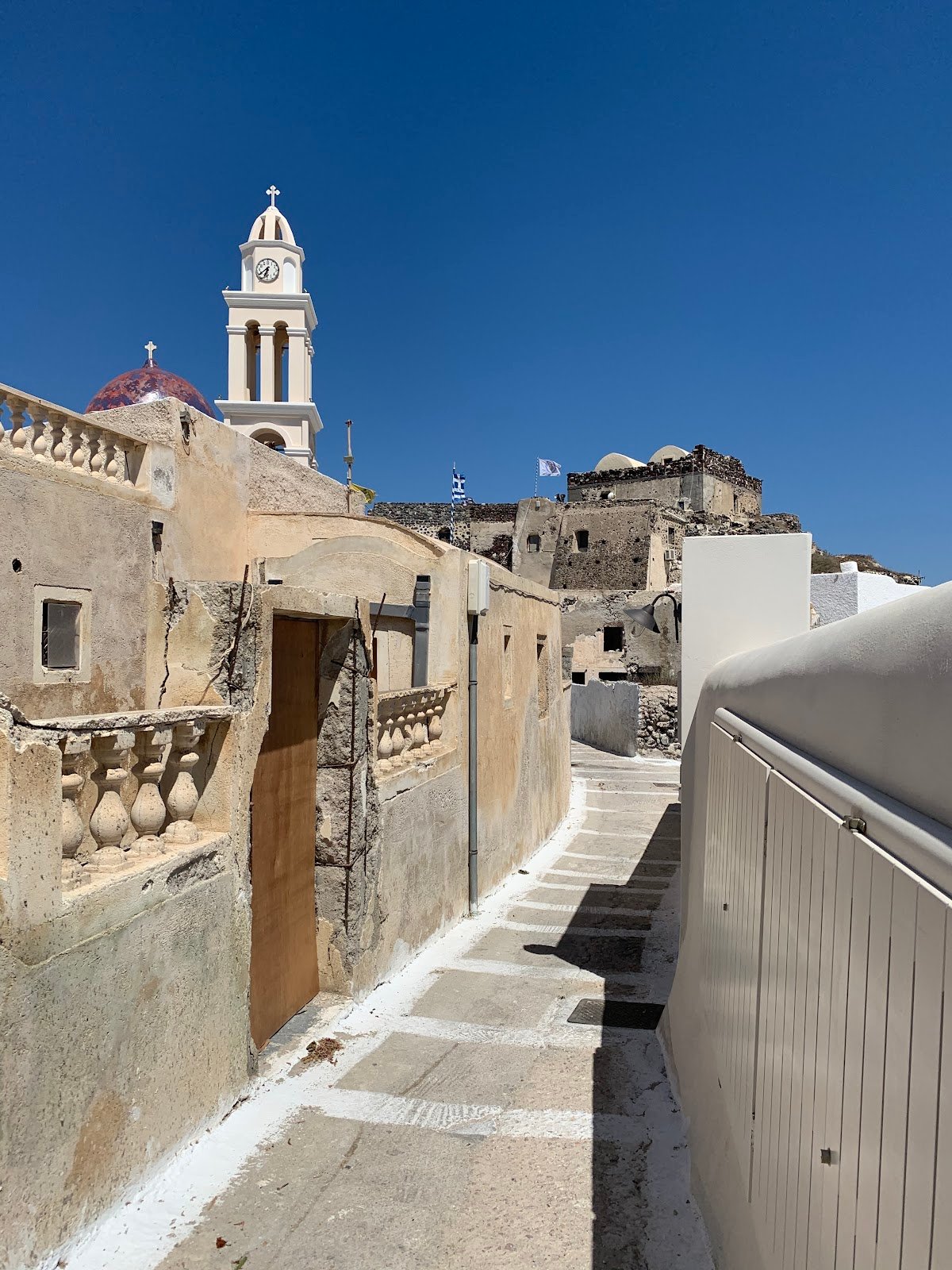
At 567 meters above sea level, Prophet Elias Monastery offers a vantage point rare in the Cyclades. Squat, fortress-like walls shield arched passages and sun-bleached courtyards. Inside, gold-gleaming icons and incense hint at centuries of devotion. The attached museum houses faded Byzantine manuscripts and relics rescued from pirates and war. Even outside, gardens of wild herbs and grapevines surround terraced platforms where monks survey the sweep of sky and sea. Each exposed corner tells another chapter of Santorini’s spiritual past.

  • Key sights or features: The 18th-century monastery church; panoramic terraces with views to Anafi and beyond; museum displays of rare icons and ecclesiastical vestments.
  • Unique experiences: Hearing the monks’ chanting during a morning service; tasting locally-made honey, wine, and herbal teas made by the resident brothers; climbing the lookout for sunset or stargazing.
  • Photo-worthy locations: The stone bell tower against the caldera; overlooks dotted with mountain thyme; intricate woodwork and mural fragments inside the chapel.
  • Cultural or historical facts: Founded in 1711, Prophet Elias Monastery survived earthquakes, invasions, and Ottoman rule. Monks once signaled the presence of pirates with fires on the peak. In World War II, the Germans commandeered the building as a lookout post.

Tips for your visit

Prophet Elias Monastery’s remote feel comes with small inconveniences. Breezes can turn biting quickly, especially after sundown, and there’s little shade mid-day. Clothing should be respectful; covered shoulders and knees are standard for visitors entering the church. The gift shop’s honey and wine make charming souvenirs, but cash is sometimes necessary for small purchases. For those seeking solitude, avoid cruise ship peak hours—tours usually roll in late morning. Clean bathrooms and a courtyard bench let travelers catch their breath. For photographers, golden hour after most visitors have left brings both stillness and magic light.

  • Best times to avoid crowds: Arrive early in the morning, or visit near sunset on weekdays.
  • What to bring: Water, sun hat, and walking shoes with good grip; camera or phone with plenty of battery; a light sweater for windy days.
  • Local etiquette or rules: Speak quietly in sacred spaces; photography may be restricted inside the chapel—observe posted signs.
  • Safety or comfort advice: Watch out for slippery stones in the courtyards after rain; take care on uneven steps, especially for younger children and older travelers.