Museum of Zoology of the University of São Paulo

Museum of Zoology of the University of São Paulo

São Paulo, Brazil
i

Museum of Zoology of the University of São Paulo

Photo by Felipe Gonçalves 21

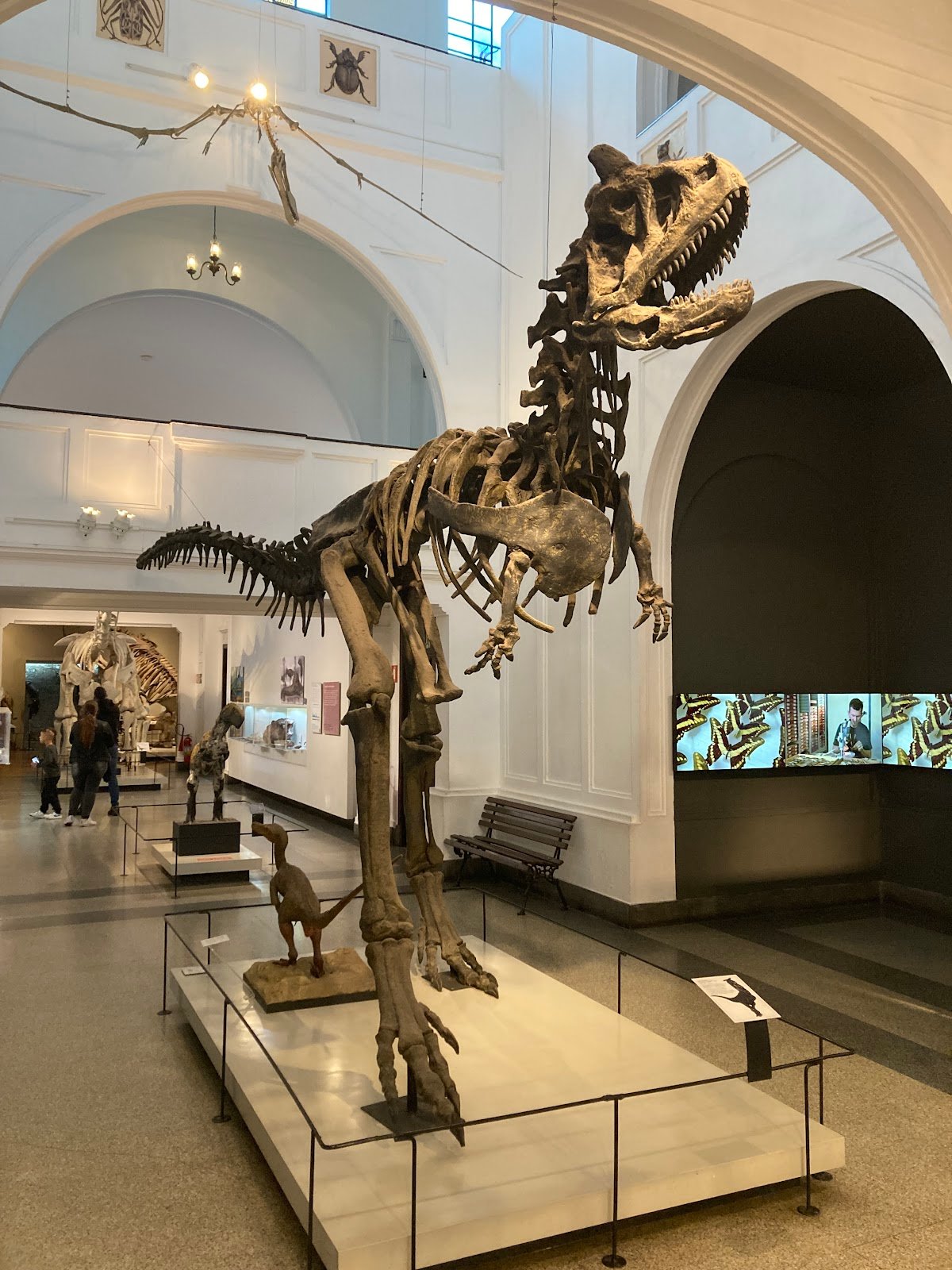
The Museum of Zoology of the University of São Paulo invites visitors into a vibrant world of biodiversity, scientific discovery, and cultural history. Set inside a grand neoclassical building, the museum presents the remarkable variety of Brazil’s animal life, both past and present. With its clever displays and engaging activities, the museum ignites curiosity for life sciences among children, students, and adults alike.

Visiting Info

Currency
Entrance fee
Free
Hours
Opening hours
Monday: Closed
Tuesday: 10:00 AM – 5:00 PM
Wednesday: 10:00 AM – 5:00 PM
Thursday: 10:00 AM – 5:00 PM
Friday: 10:00 AM – 5:00 PM
Saturday: 10:00 AM – 5:00 PM
Sunday: 10:00 AM – 5:00 PM

Contact Information

Location
Address
Av. Nazaré, 481 - Ipiranga, São Paulo - SP, 04263-000, Brazil

Planning your visit

Careful planning turns a trip to the Museum of Zoology into a smooth, memorable experience. Located in the Ipiranga neighborhood, not far from central São Paulo, the museum feels easy to reach by subway, rideshare, or city bus. The atmosphere buzzes with families, school groups, and educators, especially on weekends and during school field trip days, so planning for a weekday visit can mean a calmer walk among the exhibits.

  • Best time to visit: Weekday mornings offer fewer visitors and quieter galleries. The cool, dry season from April to September keeps outdoor travel comfortable.
  • How to get there: The nearest metro stop is Santos-Imigrantes, about a 20-minute walk away. Bus lines and taxis provide good alternatives, while limited parking is available nearby.
  • Accessibility: The museum’s main floors are accessible to strollers and wheelchairs. Elevators and ramps ease navigation for families, seniors, and anyone needing extra support.
  • Average visit duration: Allocate 1.5 to 2 hours to see highlights, longer if exploring both permanent and temporary exhibitions.

Must see stuff

Every corner of the Museum of Zoology holds something fascinating. The permanent collection stuns with rare specimens and lovingly restored dioramas. Popular exhibits include oversized skeletons, colorful tropical birds, and ancient fossils that tell the story of Brazil’s lost worlds. Experts recommend lingering at the scientific collection windows, where visitors can gaze onto real research work taking place. Hands-on activities and touch displays often captivate younger visitors, making science come alive one discovery at a time.

  • Key sights: Marvel at the mighty blue whale skeleton, the sprawling insect collection, and the mysterious Amazonian taxidermy animals. Don’t miss the stunning display of butterflies and beetles, sparkling with color.
  • Unique experiences: Visit the interactive room for a tactile tour of fur, feathers, and shells. Guided tours on select weekends unlock behind-the-scenes stories.
  • Photo opportunities: Snap a shot beside the giant sloth model or beneath the intricate ceiling murals in the museum’s main hall.
  • Cultural or historical facts: The museum’s impressive biodiversity collection began in 1890, making it a living archive of Brazil’s natural heritage and a hub for academic research today.

Tips for your visit

A bit of local know-how goes a long way when exploring the Museum of Zoology. The museum’s climate-controlled halls provide relief during hot São Paulo afternoons, but the basement level sometimes feels chilly—layered clothing helps. School groups fill the main corridors from mid-morning to early afternoon; arriving when doors open can give visitors peaceful moments among the displays. While the museum café isn’t large, nearby local bakeries reward exploring a few blocks on foot. Shutterbugs should respect flash-free policies, especially around old specimens.

  • Best times to avoid crowds: Early mornings, particularly on Tuesday, Wednesday, or Thursday.
  • What to bring: Comfortable shoes, a refillable water bottle, a camera with flash disabled, and a notebook for sketching or jotting down favorite finds.
  • Local etiquette: Keep noise to a minimum around research areas and respect signage for hands-off specimens. Eating is only allowed in designated areas.
  • Safety and comfort: Secure valuables, as museum crowds can be thick during school visits. Restrooms and lifts are modern, but museum Wi-Fi is spotty.