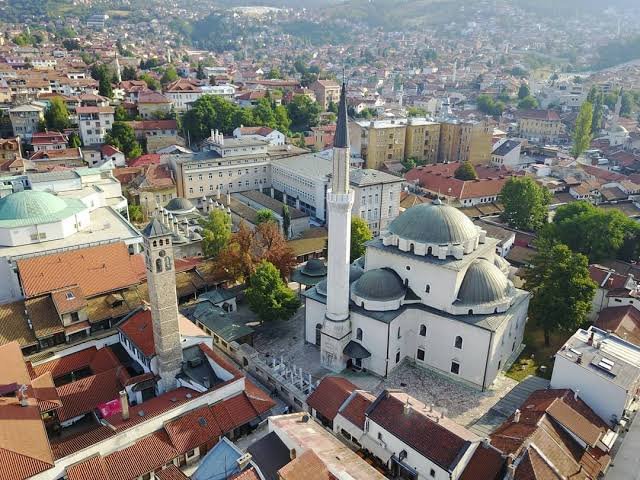
Google Places photo

Gazi Husrev-beg Mosque

Sarajevo, Bosnia and Herzegovina
i

Google Places photo

Photo by Abdurrahim Vural

Few landmarks in the Balkans blend rich history, vivid daily life, and architectural majesty as seamlessly as Gazi Husrev-beg Mosque. Its stone minarets and domed roof have watched over Sarajevo’s Old Town for nearly 500 years, drawing locals and travelers alike. The mosque remains a living center of worship, culture, and civic life, inviting visitors not just to observe, but to participate in a century-old rhythm that remains unmistakably alive today.

Visiting Info

Currency
Entrance fee
3 BAM
Hours
Opening hours
Monday: 9:00 AM – 12:30 PM, 2:00 – 4:00 PM, 5:15 – 7:30 PM
Tuesday: 9:00 AM – 12:30 PM, 2:00 – 4:00 PM, 5:15 – 7:30 PM
Wednesday: 9:00 AM – 12:30 PM, 2:00 – 4:00 PM, 5:15 – 7:30 PM
Thursday: 9:00 AM – 12:30 PM, 2:00 – 4:00 PM, 5:15 – 7:30 PM
Friday: 9:00 AM – 12:00 PM, 2:30 – 4:00 PM, 5:15 – 7:30 PM
Saturday: 9:00 AM – 12:30 PM, 2:00 – 4:00 PM, 5:15 – 7:30 PM
Sunday: 9:00 AM – 12:30 PM, 2:00 – 4:00 PM, 5:15 – 7:30 PM

Contact Information

Location
Address
Sarači 8, Sarajevo 71000, Bosnia and Herzegovina

Planning your visit

To experience Gazi Husrev-beg Mosque at its best, a little planning helps. The heart of Sarajevo’s Baščaršija buzzes with cafés, markets, and crowds, especially during peak tourist seasons and Friday prayers. For those hoping to explore at a gentler pace, an early morning arrival offers soft light and fewer voices. Travelers should remember the mosque remains an active place of worship, with prayer times restricting visitor access briefly throughout the day. Tickets can be bought on the spot, though group tours occasionally fill up space around popular times.

  • Best time to visit: Early mornings or late afternoons; spring and autumn offer mild weather.
  • How to get there: Trams and buses connect the city center with Baščaršija. Most hotels are within walking distance of the mosque; taxis are also inexpensive.
  • Accessibility: Smooth, wide paths make access manageable for families with strollers, seniors, and those with mobility challenges. Some courtyard areas feature old stone paving, so extra care is useful.
  • Average visit duration: Plan for 45 minutes to an hour, a bit longer if you linger in the peaceful courtyards or join a guided tour.

Must see stuff

Gazi Husrev-beg Mosque has layers to discover, both figurative and real. From the cool marble courtyard to calligraphy-laced prayer halls, each section offers a different conversation between history, art, and spiritual life. While its striking Ottoman architecture first catches the eye, the surrounding waqf (endowment) buildings, libraries, and fountains add context that deepens understanding.

  • Key sights: The main prayer hall, with its large dome and hand-painted decorations; the slender, nearly 50-meter minaret climbable on special tours; and the ablution fountain in the central courtyard.
  • Unique experiences: Catch the call to prayer rolling over Baščaršija, or join a thematic guided tour offered by local historians. Some travelers seek out the peaceful shaded gardens and the ornate wooden šadrvan fountain, perfect for a quiet moment.
  • Photo-worthy locations: The mosque’s front arch facing Ferhadija Street offers classic shots. Sunlight striking colored tiles along the courtyard walls near sunset creates spectacular shadows.
  • Cultural and historical facts: Built in 1530 and funded by Ottoman governor Gazi Husrev-beg, this mosque was the first in the region with electricity and indoor plumbing. Its endowment system still supports schools and libraries today.

Tips for your visit

While Gazi Husrev-beg Mosque welcomes everyone, a visitor’s small gestures can show deep respect. Dress modestly—shoulders and knees covered—and be ready to remove shoes at the entrance. Scarves are lent at the entrance for those without one. Taking photos is allowed in the courtyard, but check with staff before snapping the prayer hall. Refreshingly, the area around the mosque feels quite safe, but pickpockets sometimes work crowded festival days, so keep an eye on your belongings.

  • Best times to avoid crowds: Weekday mornings or just before afternoon prayers.
  • What to bring: Comfortable shoes for stone walkways, a bottle of water, and a lightweight scarf for modesty. A camera is a must—just remember to be discreet.
  • Local etiquette: Greet mosque staff and guides politely. During prayer times, be quiet and keep to designated visitor sections.
  • Safety and comfort: Avoid loud conversation in the prayer hall. Street food vendors cluster just outside the mosque, but drink only bottled water and wash hands before eating.