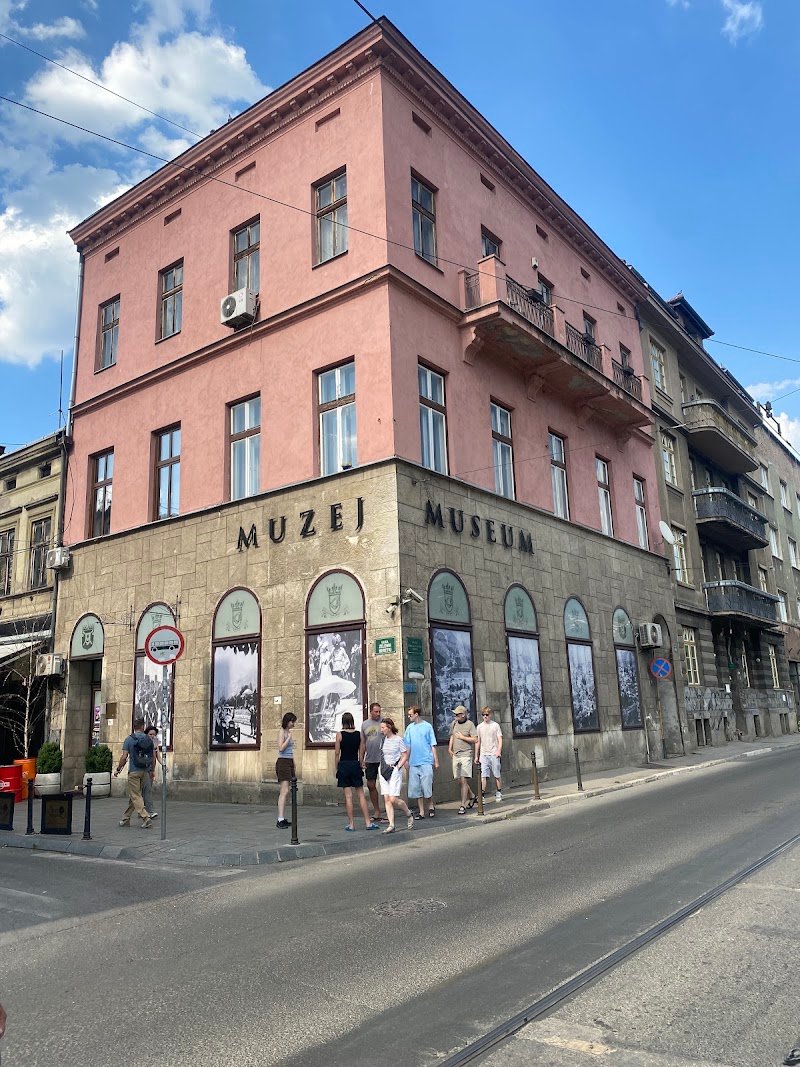
Google Places photo

Sarajevo Museum 1878–1918

Sarajevo, Bosnia and Herzegovina
i

Google Places photo

Photo by Biljana Lazić

Tucked quietly near Sarajevo’s historic Latin Bridge, the Museum 1878–1918 brings stories from the city’s past into sharp focus, letting visitors step straight into a pivotal era of European history. Walls lined with rare photos, personal objects, and carefully reconstructed rooms echo with the drama of everyday life and world-changing moments. For anyone curious about Sarajevo’s role at the start of World War I, or just interested in a window onto local life under Austro-Hungarian rule, this museum offers a mix of powerful storytelling and thoughtful displays.

Visiting Info

Currency
Entrance fee
4 BAM
Hours
Opening hours
Monday: 10:00 AM – 4:00 PM
Tuesday: 10:00 AM – 4:00 PM
Wednesday: 10:00 AM – 4:00 PM
Thursday: 10:00 AM – 4:00 PM
Friday: 10:00 AM – 4:00 PM
Saturday: 10:00 AM – 3:00 PM
Sunday: Closed

Contact Information

Location
Address
Zelenih beretki 1, Sarajevo 71000, Bosnia and Herzegovina

Planning your visit

Before heading to the Museum 1878–1918, consider both practical details and the experience ahead. The museum sits right in the heart of Sarajevo’s old town, so travelers can combine it with strolls along the Miljacka River or a visit to nearby Baščaršija. Tickets are affordable and crowds tend to swell around mid-day, especially during summer, so timing matters. The small museum space fills up quickly, which can mean waiting on weekends or during field trips. Most exhibits include explanations in Bosnian and English, making it easy for international visitors to follow along.

  • Best time to visit: Weekday mornings or late afternoons, and throughout spring or fall when Sarajevo sees fewer tourists.
  • How to get there: Walk from Baščaršija Square in under 10 minutes, or take tram line 1 and get off at the Latin Bridge stop. Taxis can drop guests a block away; parking is scarce nearby.
  • Accessibility: Entrance is step-free but some display rooms have narrow passages, making wheelchair access possible but a little tight. The museum is manageable for families with older children and for most seniors with moderate mobility.
  • Average visit duration: 45–90 minutes, with plenty of time for a second loop or to linger where displays are most interesting.

Must see stuff

The heart of the Museum 1878–1918 lies in its blend of intimate and world-famous moments. Half the charm comes from seeing items that once belonged to Sarajevo’s residents—embroidered linens, children’s toys, and furniture from more than a century ago. The stage broadens in the room dedicated to Archduke Franz Ferdinand’s fateful visit, where history feels eerily fresh. Artifacts from the assassination, including a replica of the car and the Archduke’s coat, edge displays about daily life under empire. Don’t skip the old photographs and personal stories, stitched together on the museum’s maps and timelines, or the quiet back corner where visitors can hear local voices tell their own family histories.

  • Key sights or features: The reconstructed room where Gavrilo Princip prepared for the assassination; rare photos of Sarajevo at the turn of the 20th century; displays of civilian life during Austro-Hungarian rule.
  • Unique experiences: Try the interactive screens showing old street scenes, or join a guided tour for insider stories about major and minor figures of the era.
  • Photo-worthy locations: The window overlooking the Latin Bridge; the period costumes; the display case holding the iconic pistol (replica).
  • Cultural or historical facts: The museum sits across from the site where the assassination sparked World War I, and staff love sharing how political tensions and personal choices shaped both Sarajevo and Europe’s future.

Tips for your visit

A little preparation makes a museum stop more rewarding. Most visitors spend longer than expected deep in stories, so bringing a water bottle helps. Exhibits are well-lit but labels can be small—glasses are handy for anyone with less-than-perfect vision. Photography is allowed (without flash), yet photographing some details may be tricky due to glare on old glass cabinets. Chatting with the staff can unlock extra nuggets of information; guides are happy to explain difficult points or recommend what to see nearby. The museum’s small shop stocks unique souvenirs, mostly books and local crafts at fair prices.

  • Best times to avoid crowds: Arrive right at opening or during midweek, especially in autumn or winter.
  • What to bring: Water, reading glasses, cash for tickets and the gift shop, and a phone or camera (flash off).
  • Local etiquette or rules: Speak quietly in exhibit rooms, especially when school groups are present. Respect areas marked for no-entry, and avoid blocking displays while taking photos.
  • Safety or comfort advice: Floors can become slippery on rainy days. The museum lacks indoor seating, so plan breaks outdoors at a nearby café.