Google Places photo

Šeher-ćehaja Bridge

Sarajevo, Bosnia and Herzegovina
i

Google Places photo

Photo by Nijaz Rahman

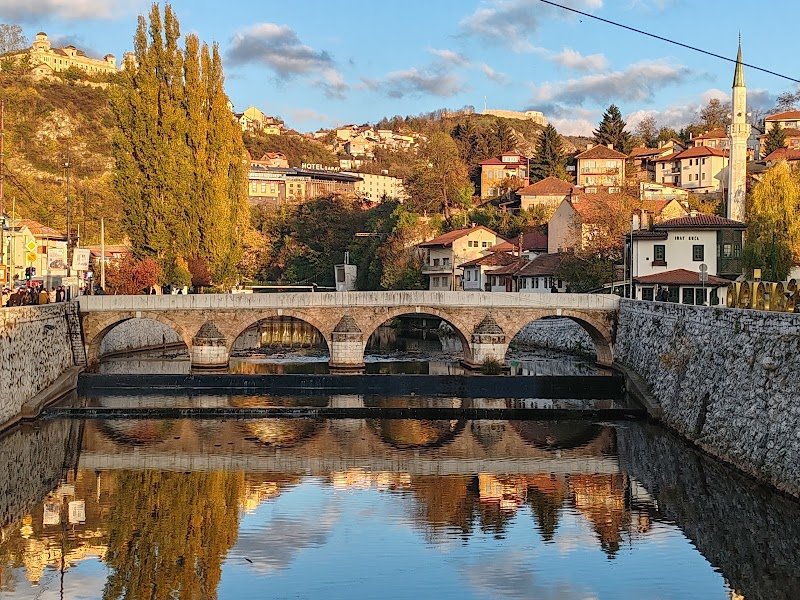
On a gentle bend of the Miljacka River, arched stone whispers from centuries past reveal the quiet beauty of Šeher-ćehaja Bridge. More than a crossing, this sturdy, timeworn structure holds stories in its every curve. Visitors come for the history, but often stay, just a bit longer than planned, for the contemplative moments and honest Sarajevo atmosphere lingering at its edge.

Visiting Info

Currency
Entrance fee
Free
Hours
Opening hours
Monday: Open 24 hours
Tuesday: Open 24 hours
Wednesday: Open 24 hours
Thursday: Open 24 hours
Friday: Open 24 hours
Saturday: Open 24 hours
Sunday: Open 24 hours

Contact Information

Location
Address
VC5M+GJ3, Sarajevo 71000, Bosnia and Herzegovina

Planning your visit

Reaching Šeher-ćehaja Bridge and making the most of a visit calls for just a little planning. The landmark sits near the heart of Sarajevo’s Old Town, connecting neighborhoods that feel lived in and lively. Most find the bridge open and unfussy—no entrance fees or official tickets, only the mild press of foot traffic depending on time of day. Early mornings give serenity, while afternoons deliver local color along the riverbanks. Once riverside, the sights and sounds draw in visitors, so setting aside at least an hour pays off.

  • Best time to visit: Spring or early autumn offers mild weather and fewer crowds. Sunrise and early evenings create the most atmospheric lighting and quieter moments.
  • How to get there: Walk from Bascarsija Square, just under 10 minutes along the cobbled streets; tram stops nearby at Latinska Ćuprija for public transport users.
  • Accessibility: The stone bridge has gradual slopes, making passage manageable for families and seniors, but uneven surfaces could challenge strollers or wheelchairs.
  • Average visit duration: Plan for 30–60 minutes, longer if staying to watch daily life unfold or to explore the nearby river promenade.

Must see stuff

Šeher-ćehaja Bridge showcases a distinctive Ottoman character, visible in the symmetry of its arches and the simplicity of its stonework. Every visit rewards close attention, as small surprises reveal themselves in the details: the curve of the parapet, the worn center stones polished by centuries of footsteps, and the backdrop of Sarajevo’s hills rising just beyond. Locals use the bridge much as in ages past—as a meeting point and a rare space for quiet reflection above city bustle.

  • Key sights and features: The five stone arches built during the Ottoman era, original details in the bridgework, and carved inscriptions explaining its 16th-century origins.
  • Unique experiences: Watch the early morning fog drift above the Miljacka or sit quietly as dusk falls, when street musicians sometimes play nearby.
  • Photo-worthy locations: Stand at the bridge’s mid-point to capture both Bascarsija’s old rooftops and the Vijećnica’s striking silhouette upstream; at sunset, river reflections create postcard-worthy views.
  • Cultural or historical facts: The name comes from the Ottoman governor who commissioned the bridge, while wartime scars remain visible, reminding all of Sarajevo’s resilience.

Tips for your visit

Simple preparations add pleasure to any walk across Šeher-ćehaja Bridge. Plan to linger, especially during golden hour, when the stone glows and daily routines slow down. Dress for uneven ground—good shoes help—and keep a small bottle of water handy, as river breezes offer freshness but the sun can get surprisingly warm in summer. Those who look beyond the arches may spot resident fishermen or children feeding ducks below, revealing the bridge’s ongoing role in local rhythms. Although the bridge rarely feels packed, weekends tend to get busier, as both tourists and locals gather on fine days.

  • Best times to avoid crowds: Visit before 10 a.m. or just before sunset, especially on weekdays.
  • What to bring: Comfortable walking shoes, a camera for sweeping views, bottled water, and a light scarf in chilly months.
  • Local etiquette: Walk on the right, step aside politely for locals in a hurry, and avoid lingering in groups where the bridge narrows.
  • Safety and comfort advice: Watch for slick stones after rain and keep personal items secure, as pickpocketing, while rare, does happen in crowded tourist spots.