228 Peace Park

228 Peace Park

Taipei, Taiwan
i

228 Peace Park

Photo by 李祥銘

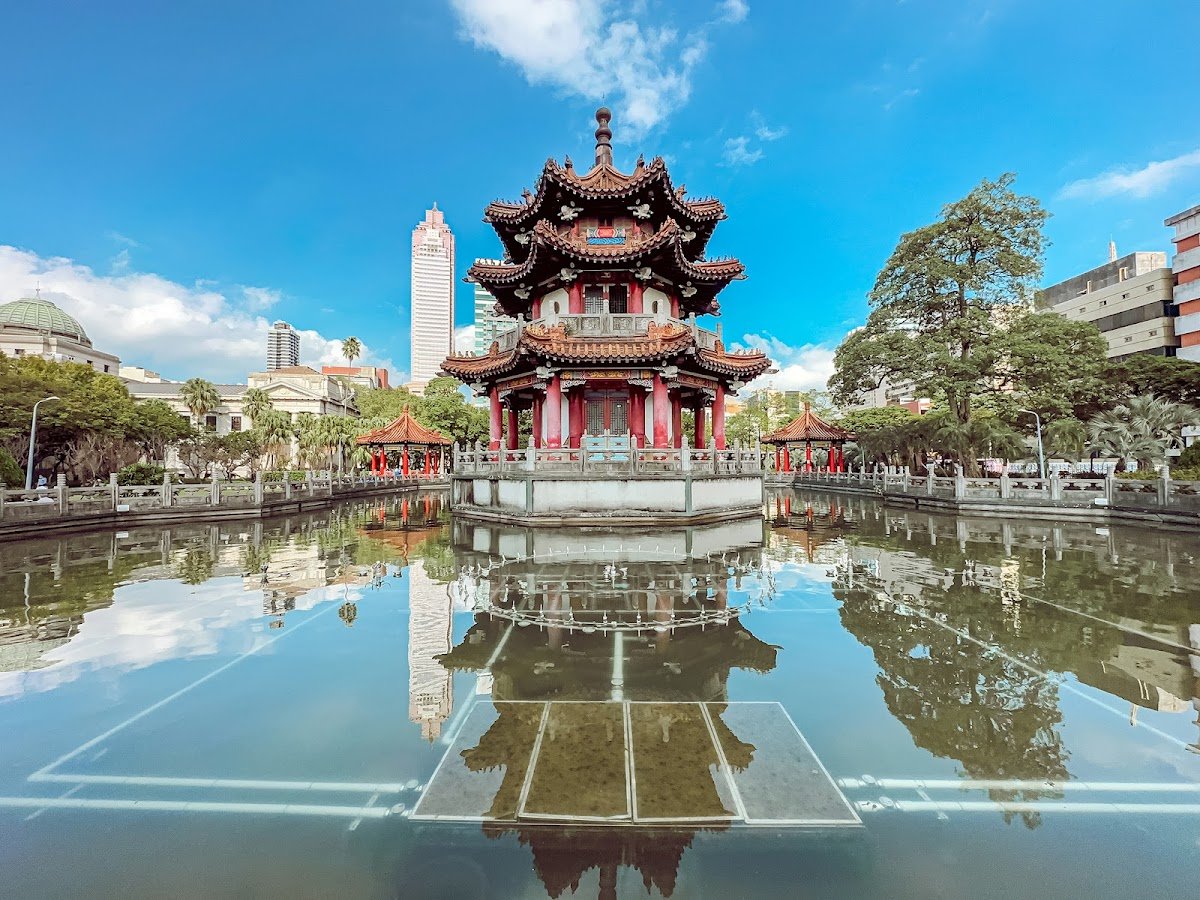
Tucked into the lively heart of Taipei, 228 Peace Park offers both a peaceful escape and a direct connection to Taiwan’s rich history. Visitors come not only for its shady walkways, koi ponds, and open lawns, but also to reflect on the stories represented by statues, monuments, and the city’s oldest museum. This public space stands as a living memorial, gracefully blending moments of quiet with reminders of both the city’s pain and progress. Whether travelers are seeking a picnic under banyan trees or a deeper understanding of Taipei’s past, this historic park sets the scene for discovery.

Visiting Info

Currency
Entrance fee
Free
Hours
Opening hours
Monday: Open 24 hours
Tuesday: Open 24 hours
Wednesday: Open 24 hours
Thursday: Open 24 hours
Friday: Open 24 hours
Saturday: Open 24 hours
Sunday: Open 24 hours

Contact Information

Location
Address
No. 3號, Ketagalan Blvd, Zhongzheng District, Taipei City, Taiwan 100

Planning your visit

Because of its central location, planning a stop at 228 Peace Park is simple. The park sits just a few minutes’ walk from Taipei Main Station and the Ximen shopping district, making it easy to pair with other city activities. As the park is public and free to enter, no tickets or advanced bookings are required. Mornings and late afternoons are the best times to enjoy cooler temperatures and lighter crowds. The park is accessible, with wide, mostly flat paths and ramps leading to most areas. Most visitors spend about one hour exploring, though anyone could linger much longer among the gardens or reading in the shade.

  • Best time to visit: Weekday mornings or evenings during spring or early autumn
  • How to get there: MRT NTU Hospital Station, Exit 1 (Red Line); easy walk from Taipei Main Station or Ximen area
  • Accessibility: Wheelchair and stroller-friendly, with benches and restroom facilities throughout
  • Average visit duration: 1 to 2 hours
Must see stuff

228 Peace Park covers history, landscape, and culture in just a few city blocks. The main promenade passes under the arms of ancient banyans, leading toward the domed Memorial Monument—a striking space where visitors pause to learn about the February 28 Incident that shaped Taiwan’s modern identity. The National Taiwan Museum sits within the park, its neoclassical columns holding everything from Indigenous artifacts to natural science exhibits. A wandering path takes travelers past koi-filled ponds, hidden sculptures, and quiet corners perfect for reflection or photography. Meanwhile, locals gather in shady pavilions to play chess, practice Tai Chi, or simply chat.

  • Memorial Monument: Central plaza marking the 1947 events, ringed by carved reliefs and inscriptions
  • National Taiwan Museum: Taipei’s oldest museum with permanent and changing exhibitions
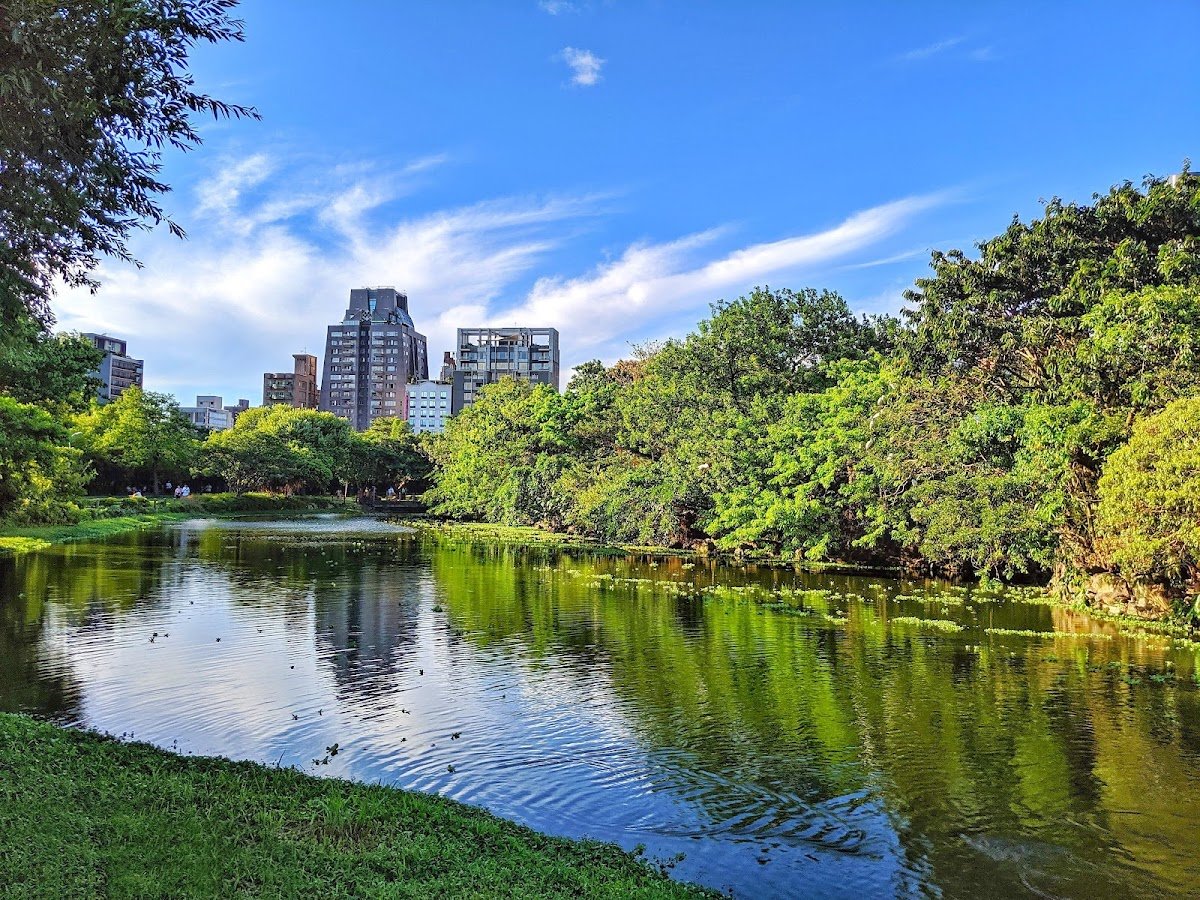
  • Koi pond & footbridge: Picturesque spot surrounded by lilies and weeping willows
  • Chess tables and performance stage: Watch or join neighborhood activities
  • Seasonal events: Lantern displays in spring, outdoor art in autumn, or festival drumming some weekends
  • Photo gems: Arched bridges and tree tunnels, plus playful squirrels darting through the open lawns
  • Historical fact: The park was renamed and redesigned to honor victims of martial law and encourage free expression—making it a symbol of democracy and remembrance

Tips for your visit

While 228 Peace Park always feels welcoming, a few thoughtful choices can make a visit more comfortable and meaningful. The deepest quiet settles in early mornings when vendors and street musicians have yet to arrive, though the afternoon bustle brings its own charms. Restrooms and water fountains are available, but on very hot days, shade is the smartest shelter. During lunchtime, office workers sometimes fill the benches, and occasional protests or events may limit access to certain areas. As with any Taiwanese park, visitors are expected to respect posted signs, avoid stepping on lawns where restricted, and keep noise levels considerate around memorials.

  • Best times to avoid crowds: Early weekday mornings, before 10 AM, or just before dusk
  • What to bring: Water bottle, camera, hats or sunscreen, and perhaps snacks for a picnic
  • Local etiquette: Speak quietly at memorial sites, avoid feeding wildlife, and follow all signposted rules
  • Comfort advice: Wear good walking shoes—while paths are flat, some stones get slippery after rain
  • Safety note: The park feels generally safe, though petty theft can happen—keep personal items secure