Yangmingshan National Park

Yangmingshan National Park

Taipei, Taiwan
i

Yangmingshan National Park

Photo by Winson Wu

Verdant slopes, steaming vents, and patches of wildflowers create a world apart at Yangmingshan National Park. No matter the season, the landscapes feel alive — shifting with swirling mist, sun, or sulfurous gusts. More than just scenic beauty, the park is a living canvas painted by time, geology, and the traditions of Taipei's northern rim. Visitors come seeking peaceful trails, hot springs, and a taste of local life beneath the ever-changing Taipei sky.

Visiting Info

Currency
Entrance fee
Free

Contact Information

Planning your visit

Nestled just a short distance from downtown Taipei, Yangmingshan National Park demands just a bit of planning to make the most out of the trip. Spring brings cherry blossoms, summer lush greenery, fall a golden sea of silver grass, and winter thick fog that shrouds peaks in mystery. Public buses and taxis ferry visitors up winding roads, while weekends and blossom season can draw heavy crowds. Although entry is free, some attractions or hot springs may require tickets or bookings.

  • Best time to visit: Late February to April for cherry and azalea blossoms, or autumn for cool weather and silver grass. Early mornings see fewer crowds.
  • How to get there: Take MRT to Jiantan or Shipai, then transfer to a direct Yangmingshan-bound bus; taxis available for door-to-door convenience.
  • Accessibility: Many main trails are paved, suitable for families and seniors, though steeper paths require caution.
  • Average visit duration: Half a day for highlights, a full day for deeper exploration or hot spring relaxation.

Must see stuff

Yangmingshan National Park is a patchwork of worlds: steaming fumaroles, gentle pastures, tidy gardens, and surprising cultural spots. While some sights are well-trodden, others reward a curious wanderer who strays from the map. Wild, fragrant, and a little unpredictable, there’s always another path to follow.

  • Xiaoyoukeng Fumaroles: See vents where white steam and the scent of sulfur lace the air. Boardwalks loop around bubbling mud pools for close views.
  • Zhuzihu Calla Lily Fields: Fields turn white with calla lilies every spring, and local farmers let visitors pick flowers and try seasonal snacks.
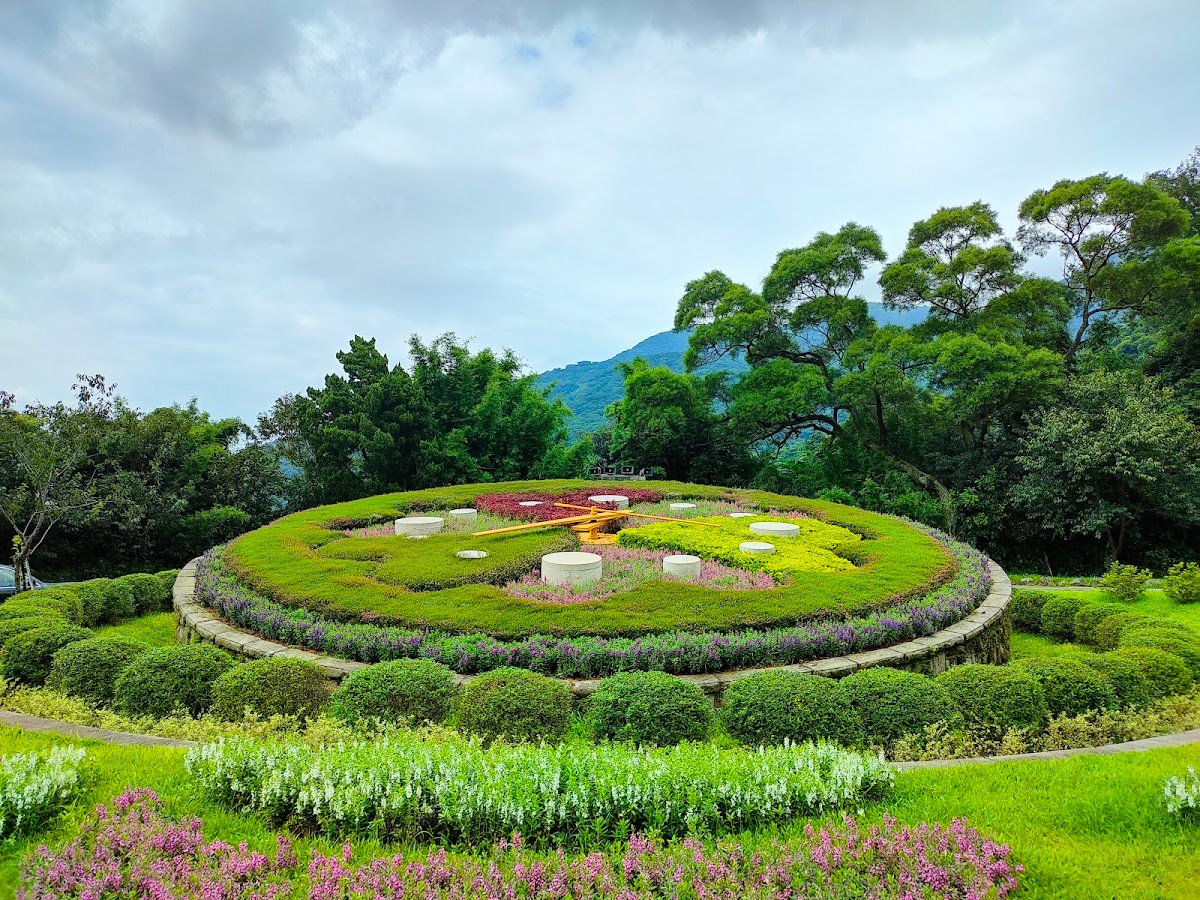
  • Yangming Park and Flower Clock: Classic photo spot, especially during flower festivals, with wide lawns and colorful beds.
  • Qingtiangang Grassland: Picnic beside roaming cattle as breezes ripple across an open plateau, framed by gentle hills.
  • Lengshuikeng Hot Springs: Open-air pools for soaking bones and a dam-side foot bath for those short on time.
  • Lesser-known gems: The quiet, mossy Datun Nature Park or the hidden temple trails off Lengshuikeng. In May, fireflies light up the forests after sunset.
  • Cultural note: This volcanic region was settled by Japanese colonists, who left marks in the form of cherry trees, bathhouses, and stone paths.

Tips for your visit

Even the best-loved corners of Yangmingshan reward a bit of advance thought. Weather shifts fast. Paths can be muddy after rain, and comfort comes to those packed right. Pleasant surprises await anyone who plans to linger past the tour bus rush or seek a meal in a local village kitchen.

  • Best times to avoid crowds: Weekdays and mornings before 10 a.m. offer quiet trails and easy parking.
  • What to bring: A reusable water bottle, sunhat, raincoat, and sturdy walking shoes; a camera and lightweight tripod for mountain vistas.
  • Local etiquette: Stay on marked trails, don’t feed animals, and give right-of-way to cattle and other hikers when paths narrow.
  • Safety/advice: Weather can drop quickly in the mountains; bring layers. Some hot springs require swim caps. Streams and fumaroles are tempting but keep a safe distance.