Google Places photo

Tanners' Bridge

Tirana, Albania
i

Google Places photo

Photo by Tanners' Bridge

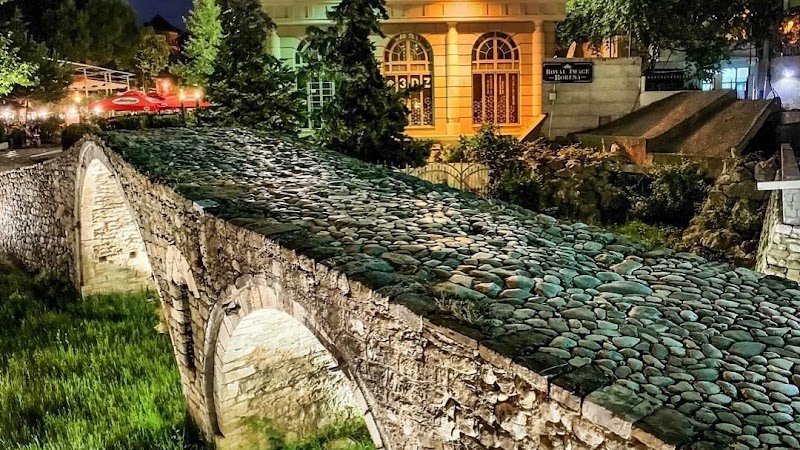
Stone arches rise quietly beside a shaded boulevard in Tirana, Albania, framed by sycamore and the muffled sounds of daily life. Here stands Tanners’ Bridge, a centuries-old Ottoman crossing that weaves together Tirana’s old-world charm and bustling present. Once an essential artery for pack animals and traders, this modest footbridge now anchors conversations between past and present for those who stop to look—and linger.

Visiting Info

Currency
Entrance fee
Free
Hours
Opening hours
Monday: Open 24 hours
Tuesday: Open 24 hours
Wednesday: Open 24 hours
Thursday: Open 24 hours
Friday: Open 24 hours
Saturday: Open 24 hours
Sunday: Open 24 hours

Contact Information

Location
Address
Bulevardi "Jean D'Arc, Tiranë, Albania

Planning your visit

Arriving at Tanners’ Bridge is refreshingly easy, as the landmark sits within walking distance of Tirana’s busiest streets and local cafés. The bridge itself is always open, free to stroll across, and doesn’t require tickets or reservations. Crowds build during midday, but earlier or later hours suit those seeking quieter stories. While most visitors spend under an hour, a leisurely pace reveals more—especially when sunlight glows on the well-worn stones.

  • Best time to visit: Early morning or late afternoon, especially in spring and autumn when temperatures are mild.
  • How to get there: Walk from Skanderbeg Square (10-15 minutes), or use local buses or taxis. Parking can be tricky in the Old Bazaar area, so walking is recommended.
  • Accessibility: The bridge surface is cobbled and uneven, challenging for strollers or wheelchairs, yet manageable for most active visitors and families. Seniors might prefer sturdy walking shoes and assistance on the steps.
  • Average visit duration: 30 minutes to 1 hour, longer if stopping for coffee or photos nearby.

Must see stuff

Though compact, Tanners’ Bridge offers layers of interest for curious visitors. Built in the 18th century, its graceful stonework spans the now-dry Lana River, reminding everyone just how Tirana’s neighborhoods grew along trade routes. Each end of the bridge opens onto lively streets filled with artisans’ shops and small bakeries. The historic Tanners’ Mosque and surrounding alleys—once home to leather workers—warrant exploration, especially for those who enjoy stories etched in bricks and shadows.

  • Key sights: The archway at the bridge’s center; the panoramic view from its highest point; remnants of the old bazaar district nearby.
  • Unique experiences: Spotting local artists who often set up easels along the bank; enjoying golden-hour photography with pastel city lights behind the stonework; listening to folk musicians at pop-up gatherings during weekend evenings.
  • Photo-worthy places: Bridge profile at dusk; reflections in any remaining water; close-up textures of weathered stone.
  • Cultural or historical facts: Once the main link between Tirana’s markets and mountain villages, the bridge remains an emblem of the city’s Ottoman roots and local resilience, having survived wars, urban change, and decades of modernization. Wall plaques offer short insights for self-guided explorers.

Tips for your visit

A visit to Tanners’ Bridge rewards patience and prepared feet. Crowds thin after 5pm, when the last sun fades and local families take their evening strolls. The best moments come with slow pacing, or when stopping for coffee at nearby Blloku or the New Bazaar—pairing old stones with strong Albanian espresso. The stones can be slippery after rain, and there is little shade at midday, so hats and water bottles help. While Tirana is generally safe, keep valuables close in busy areas.

  • Best times to avoid crowds: Early mornings (before 10am), weekdays, or just after sunset.
  • What to bring: Water, camera or smartphone, hat or sunscreen, comfortable walking shoes, and a light jacket on breezy evenings.
  • Local etiquette: Greet locals with a smile; step aside for older residents; avoid climbing or sitting atop the stone barriers.
  • Safety and comfort: Take care on uneven cobbles, especially if wet; watch for bicycles; note that seating is limited nearby.