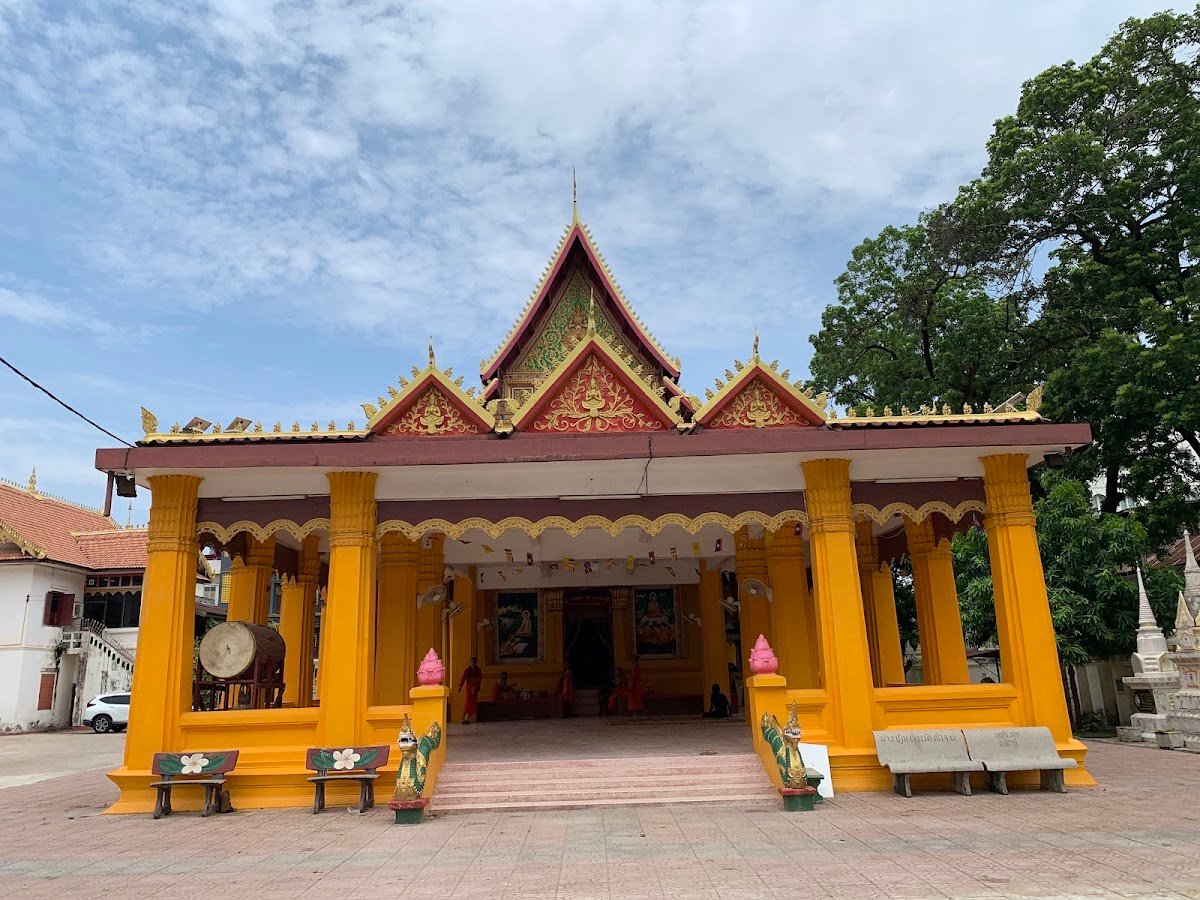
Wat Mixai Temple

Wat Mixai Temple

Vientiane, Laos
i

Wat Mixai Temple

Photo by mClouz

Amid the gentle bustle of Vientiane’s central streets, Wat Mixai Temple appears like a calm island of tradition. Calls from morning markets blend with the temple’s distant bells. Here, golden spires rise above whitewashed walls, drawing both devoted locals and curious travelers. While several temples in the city attract attention, Wat Mixai feels lived-in—less a showpiece than a gathering place. The landmark’s soft quiet is interrupted only by monks moving from prayer hall to garden, or the shy greetings of neighborhood children. Wat Mixai rewards careful exploration with layers of history and a warm sense of daily life.

Visiting Info

Currency
Entrance fee
Free

Contact Information

Location
Address
Rue Setthathilath ban mixay, XJ84+532, Hom 8, Vientiane, Laos

Planning your visit

Planning a visit to Wat Mixai is straightforward. Most visitors find the temple easy to access, thanks to its central location in the heart of Vientiane. Foot traffic from nearby hotels, bakeries, and riverside parks keeps the area lively yet never overwhelming. No advanced tickets are needed, and visiting is free, making Wat Mixai a good choice for spontaneous explorers or those with children in tow. Keep in mind, mornings are busiest as daily rituals and prayers unfold, but the afternoons offer a quieter scene for wandering or photography.

  • Best time to visit: Early morning before 9 AM for temple rituals, or late afternoon for mellow light and peaceful wandering.
  • How to get there: Located along Setthathirath Road, Wat Mixai is within walking distance of the Mekong river walk, or a 5-minute tuk-tuk ride from Talat Sao bus station.
  • Accessibility: The flat grounds suit most strollers and wheelchairs, though older visitors might move carefully on slick tiles after rain.
  • Average visit duration: 30 to 60 minutes, longer if attending a service or chatting with resident monks.

Must see stuff

Wat Mixai offers more than just photogenic spires. Its grounds, though not sprawling, are packed with sights and textures. Tall shade trees circle the temple, threading cool air through the painted fences. At the entrance, a wide archway topped by guardian statues welcomes visitors. The central prayer hall, or sim, gleams with gold-trimmed murals, each telling bits of Buddhist tales and Laotian legends. Daily life unfolds around the edges—stray cats doze in the sun, elderly women sell handwoven bracelets, young monks sweep the courtyard. Even on a quick visit, the details here invite closer attention.

  • Key sights or features: Ornate entrance gate; main prayer hall with intricate door frames and ceiling art; row of guardian lion statues; drum tower and small shrine pavilions hidden in side gardens.
  • Unique experiences: Listen to morning chants or watch candle-lighting during Buddhist festivals; attend a simple blessing from a resident monk if offered.
  • Photo-worthy locations: The sweeping staircase, multi-tiered roof with naga serpent carvings, and soft afternoon light on the lotus pond near the side entrance.
  • Cultural or historical facts: Built in the late 16th century and renovated many times, Wat Mixai’s name means "Temple of Victory"—originally marking successful defense against early invaders and serving as a spiritual anchor through Vientiane’s shifting history.

Tips for your visit

Though Wat Mixai’s relaxed atmosphere draws repeat visitors, new arrivals can make the most of their visit with a few simple tips. Men and women both should dress modestly—shoulders and knees covered—out of respect for local customs. Shoes come off at each building entrance, so easy slip-ons help. While cameras are allowed in the courtyards and gardens, signs inside the main prayer hall may request no flash. Street vendors nearby offer simple snacks, so bring some change for quick bites. Watch your step: slick tiles sometimes catch out travelers on rainy days, and motorbikes sometimes skirt through the gates without warning.

  • Best times to avoid crowds: Late mornings and early afternoons, except on Buddhist holidays.
  • What to bring: Water bottle, sunhat, camera, slip-on shoes, and a light scarf or shawl for shoulders.
  • Local etiquette or rules: Remove hats and shoes before entering any prayer space; speak in low voices; avoid pointing your feet toward Buddha statues.
  • Safety or comfort advice: Beware uneven steps and occasional loose bricks; children should stay close in busy festival periods.