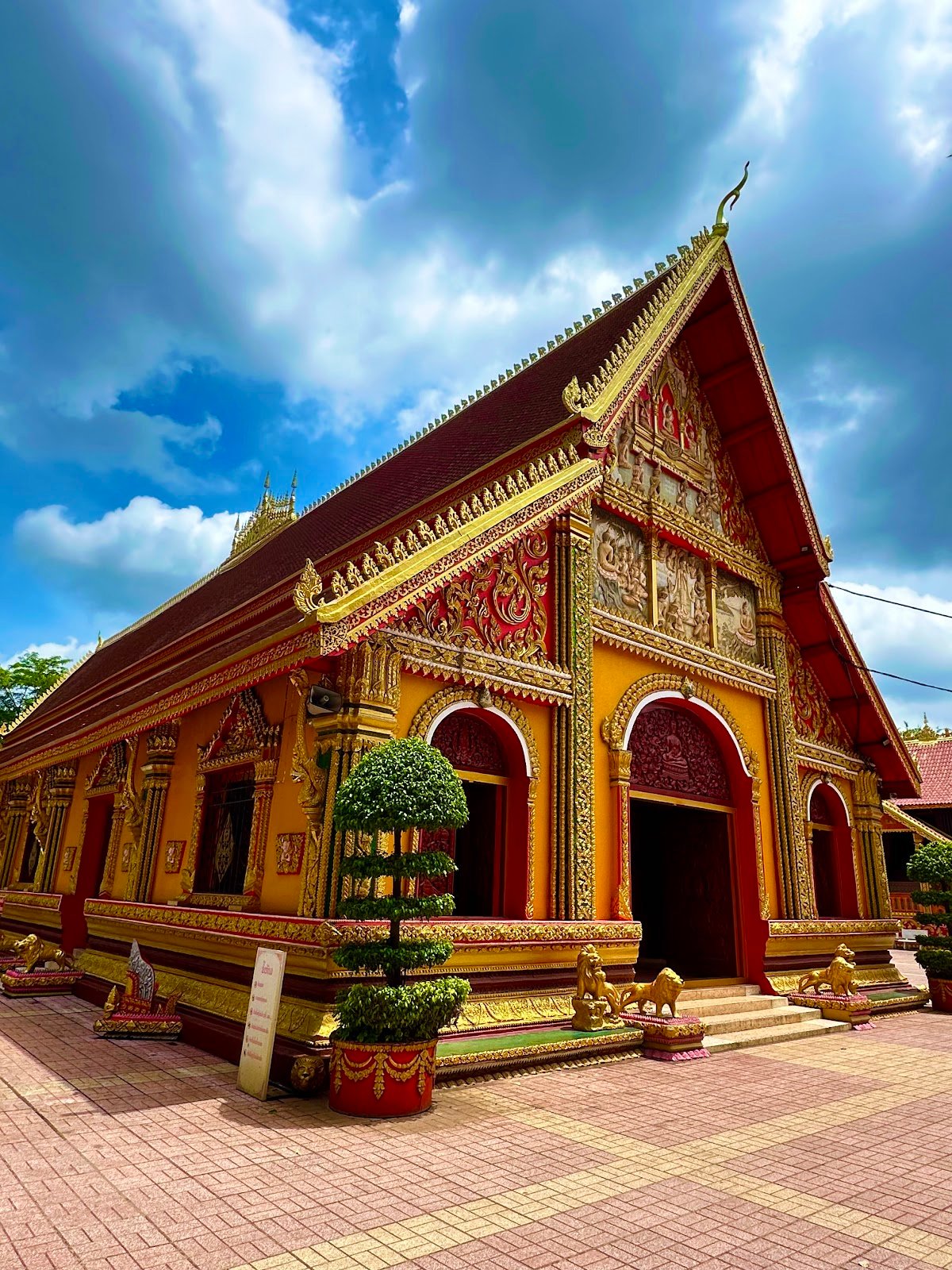
Wat Si Muang Temple

Wat Si Muang Temple

Vientiane, Laos
i

Wat Si Muang Temple

Photo by Lo Ellyn

Wat Si Muang beckons travelers with its blend of sacred history and vibrant everyday life. Among Vientiane's many temples, Wat Si Muang stands as a living center of spiritual practice, bustling with local activity, and full of stories woven into every carved beam and glinting rooftop. The atmosphere here mixes reverence with the gentle rhythm of Lao daily rituals, making both quiet reflection and cultural immersion possible within a single visit.

Visiting Info

Currency
Entrance fee
Free

Contact Information

Location
Address
15 Rue Bourichane, Vientiane, Laos

Planning your visit

Wat Si Muang sits slightly southeast of Vientiane's city center, making it easy to reach, yet it keeps a refreshing sense of neighborhood authenticity. Deciding when to go can shape your experience quite a bit. The temple attracts both devoted worshippers and curious guests, so mornings carry a hum of prayer while afternoons stretch into softer, quieter hours. Local holidays and Buddhist festivals fill the air with music, incense, and the clamor of celebration—energizing, yet sometimes crowded. No entrance ticket is required, but donations help with temple upkeep. While the grounds remain open each day, special ceremonies highlight the lunar calendar, drawing more visitors and lively activity.

  • Best time to visit: Early morning (7-10 am) or late afternoon for fewer crowds and cooler weather. Festivals bring atmosphere but also more people.
  • How to get there: By tuk-tuk or taxi from city center hotels; cycling possible for the adventurous, using quieter side streets.
  • Accessibility: Easy for families and seniors; most of the temple features flat surfaces, though a few steps remain at main doorways.
  • Average visit duration: 45 minutes to 1.5 hours, longer if joining local rituals or photography.

Must see stuff

Highlights at Wat Si Muang go beyond gold-leaf shrines or sweeping roofs. This temple pulses with stories, both ancient and ongoing. At the heart, a centuries-old city pillar stands—the spiritual spine of Vientiane—said to house the soul of the city itself. Visitors often notice a special energy around this pillar, which is draped in silk sashes and flower garlands. The main hall dazzles with painted ceilings and walls, each mural unfolding Buddhist legends in careful detail. Outside, carts selling marigold offerings and incense line shaded walkways, and a leafy courtyard hosts gentle ceremonies. For the observant eye, unexpected gems appear—local artisans at work, monks chanting during afternoon prayers, or families tying sacred strings around wrists for luck and health.

  • Key sights or features: The ancient city pillar (Lak Muang), the main ordination hall with vivid artwork, and the sacred bodhi tree in the back courtyard.
  • Unique experiences: Receiving a ceremonial blessing from temple monks, or joining local devotees to make offerings for good fortune.
  • Photo-worthy locations: The entrance gate framed by golden naga (mythic serpents), the flower-draped city pillar, and candle-lit evening ambiance during festival nights.
  • Cultural or historical facts: Legend tells of a young woman, Si, who gave her life to seal the city pillar, an act still honored today. The temple remains a center for citywide blessings, especially among women seeking protection or safe childbirth.

Tips for your visit

Planning ahead smooths the way for a relaxed, memorable experience at Wat Si Muang. While mornings invite gentle sunlight and busy activity, midday heat can be strong—shade is limited outside the worship halls. Shoes must always be removed before entering any shrine or interior hall; modest dress (shoulders and knees covered) is respectfully expected. Photography is welcome in most outdoor areas, though care should be taken during ceremonies, and always ask before capturing images of monks or worshippers. Local etiquette prizes quiet speech and a gentle pace—this is, above all, a living place of prayer. Though safe and welcoming, keep an eye on children and belongings, as the temple borders a main road and draws occasional crowds. Vendors nearby offer water, sweet coconut snacks, and incense bundles at reasonable prices.

  • Best times to avoid crowds: Mid-mornings on weekdays, or after festival periods.
  • What to bring: Comfortable walking shoes (easy to slip on/off), modest clothing, a refillable water bottle, and a respectful attitude.
  • Local etiquette or rules: Remove hats and shoes before entering; avoid pointing feet at sacred objects; greet monks with a gentle "nop" (palms together).
  • Safety or comfort advice: Beware of slippery tiles after rain, and keep sunscreen handy if exploring outside areas.