Google Places photo

Museum of Occupations and Freedom Fighters

Vilnius, Lithuania
i

Google Places photo

Photo by Boris Staricek

Across the broad stone facade of the Museum of Occupations and Freedom Fighters, somber shadows linger as reminders of Lithuania’s turbulent path to independence. Here, quiet corridors and heavy cell doors preserve stories of those who resisted foreign forces, both Soviet and Nazi. For travelers, this museum offers an absorbing window into the country’s struggles, celebrated victories, and the enduring human spirit that shaped today’s Lithuania.

Visiting Info

Currency
Entrance fee
6 EUR
Hours
Opening hours
Monday: Closed
Tuesday: Closed
Wednesday: 10:00 AM – 6:00 PM
Thursday: 10:00 AM – 6:00 PM
Friday: 10:00 AM – 6:00 PM
Saturday: 10:00 AM – 6:00 PM
Sunday: 10:00 AM – 5:00 PM

Contact Information

Location
Address
Aukų g. 2A, 01400 Vilnius, Lithuania

Planning your visit

For a meaningful visit to the Museum of Occupations and Freedom Fighters, some thoughtful planning goes a long way. This destination, housed in a former KGB prison, rewards the curious traveler who arranges tickets ahead of time online, especially during busy periods. The museum is centrally located and easily included in any itinerary focused on Lithuania’s modern history. While summer can bring a rush of visitors, tranquil winter mornings often promise quieter contemplation. Some haunting spaces underground may not be easy for everyone to explore, so checking accessibility in advance is recommended.

  • Best time to visit: Weekday mornings or late afternoons in spring and autumn offer the most peaceful atmosphere.
  • How to get there: Reach the museum by foot from Vilnius Old Town, or take buses or trolleybuses—stop "Jogailos" lies close to the entrance.
  • Accessibility: The upper floors provide elevator access, but the authentic basement cells have narrow passages and stairs. Visitors with mobility concerns may wish to skip the lower level.
  • Average visit duration: Expect to spend at least two hours to see all highlights and read key exhibits, or longer for history enthusiasts.
Must see stuff

Every corner in the Museum of Occupations and Freedom Fighters tells a vital part of Lithuania’s twentieth-century history. The dark, chilly basement used to house political prisoners, while upstairs galleries display documents and personal effects that put faces to these stories. Important exhibitions highlight the hardships suffered under occupation, but also the creativity and bravery of those who fought back, from books printed in secret to radios hidden in soup cans. Both the tragic and the inspiring come alive here, creating moments that stick with visitors long after leaving.

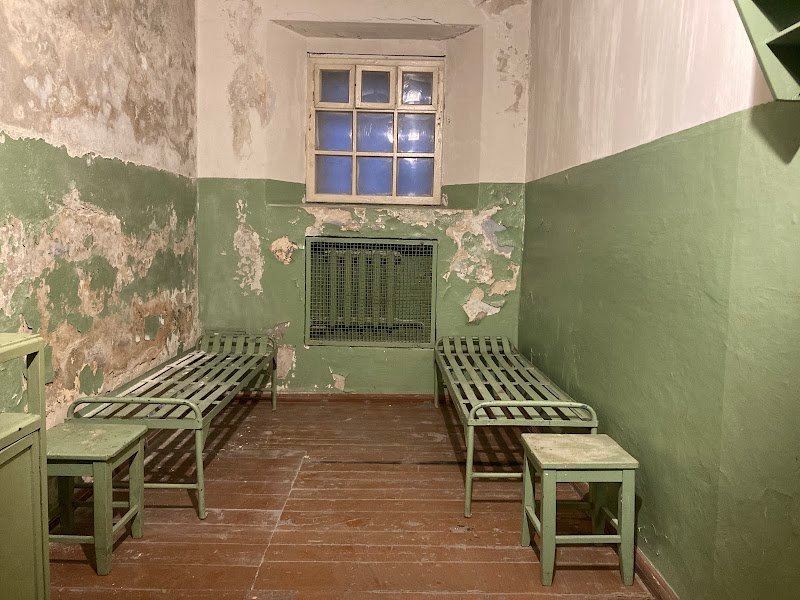
  • KGB Prison Cells: Explore preserved interrogation rooms and cells, where scratches on the walls recall difficult days for Lithuanian resisters.
  • Exhibit Halls: Walk through immersive displays on Soviet and Nazi-era repression, filled with letters, photographs, and banned literature.
  • Execution Chamber: Witness a somber space where the unthinkable happened—a must-see for those seeking deeper understanding.
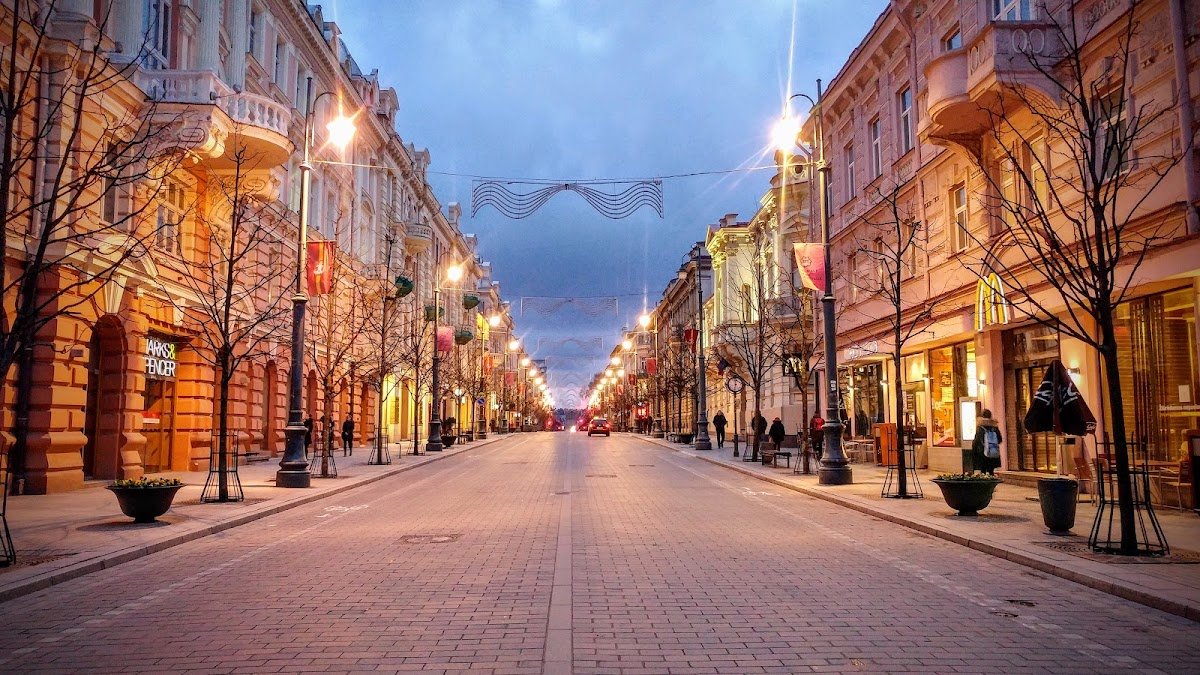
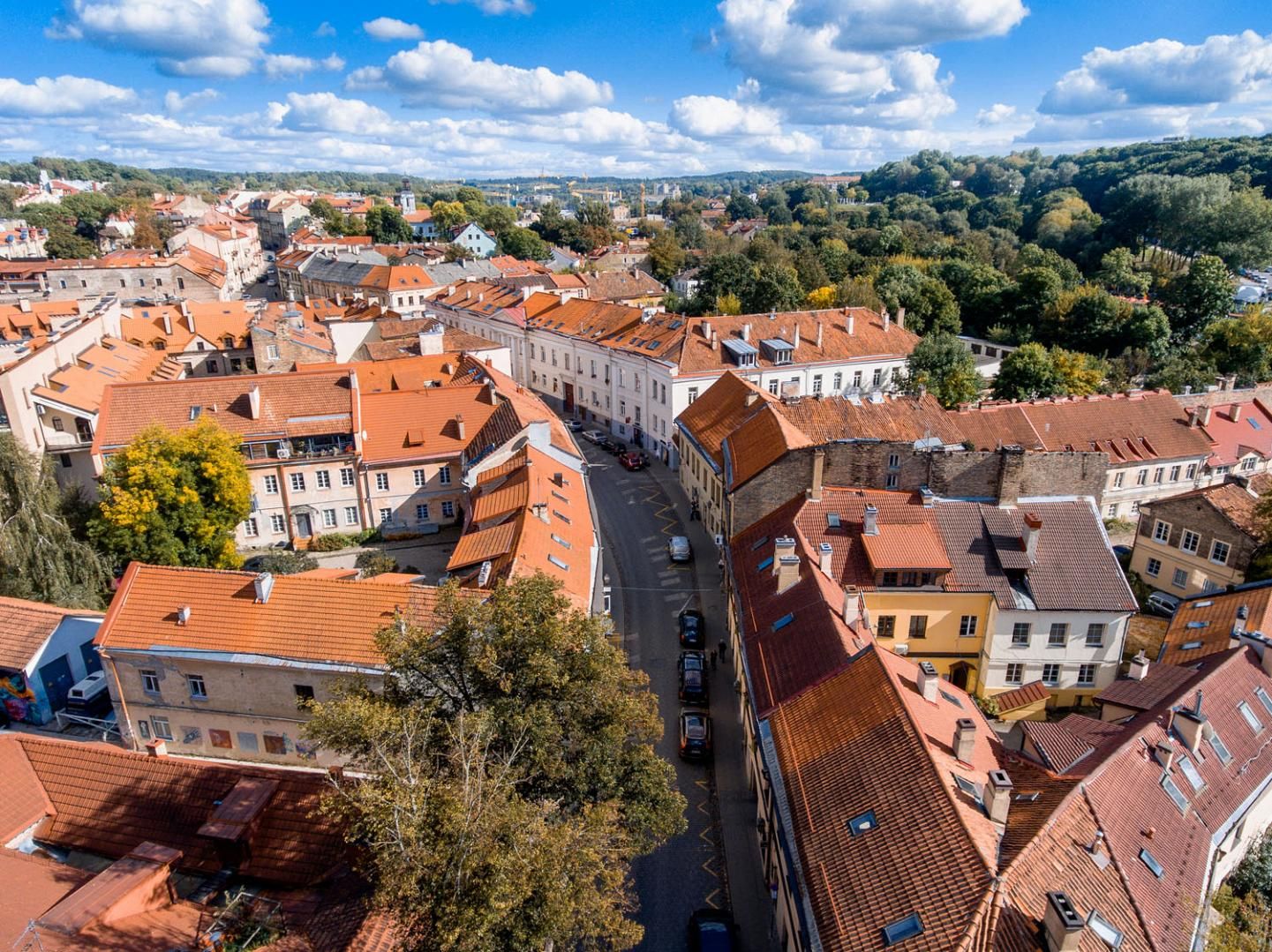
  • Rooftop Perspectives: Snap photos of Vilnius city roofs from windows facing the bustling Gedimino Avenue, where peaceful street scenes contrast with the building’s heavy history.
  • Freedom Artifacts: Discover hidden gems like the "Forest Brothers" exhibits, memorializing guerrilla fighters who found clever ways to resist occupation.
  • Guided Tours: Join an English-language tour if possible. Local guides bring vivid color to these gray walls, sharing stories seldom found in textbooks.

Tips for your visit

A visit to the Museum of Occupations and Freedom Fighters rewards those who come prepared for both practical needs and emotional impact. Some spaces, especially in the basement, are cold even in summer—layers help. Descriptions are often moving and graphic, so younger children may find parts overwhelming. Rearing groups may want to split up to spend more or less time in certain exhibits. Some rooms echo with silences that require no words—respect from everyone deepens the experience.

  • Best times to avoid crowds: Arrive right at opening or just before closing.
  • What to bring: Comfortable shoes for long walks, a water bottle, and a camera. A notepad can help process thoughts.
  • Local etiquette or rules: Keep voices low inside and be mindful when taking photos. Photography is not permitted everywhere—check signs before snapping.
  • Safety or comfort advice: Prepare for emotional content. If anyone feels uneasy, organizers allow exit and re-entry to take breaks as needed.

Similar Attractions