Google Places photo

Warsaw Barbican

Warsaw, Poland
i

Google Places photo

Photo by Eric Roels

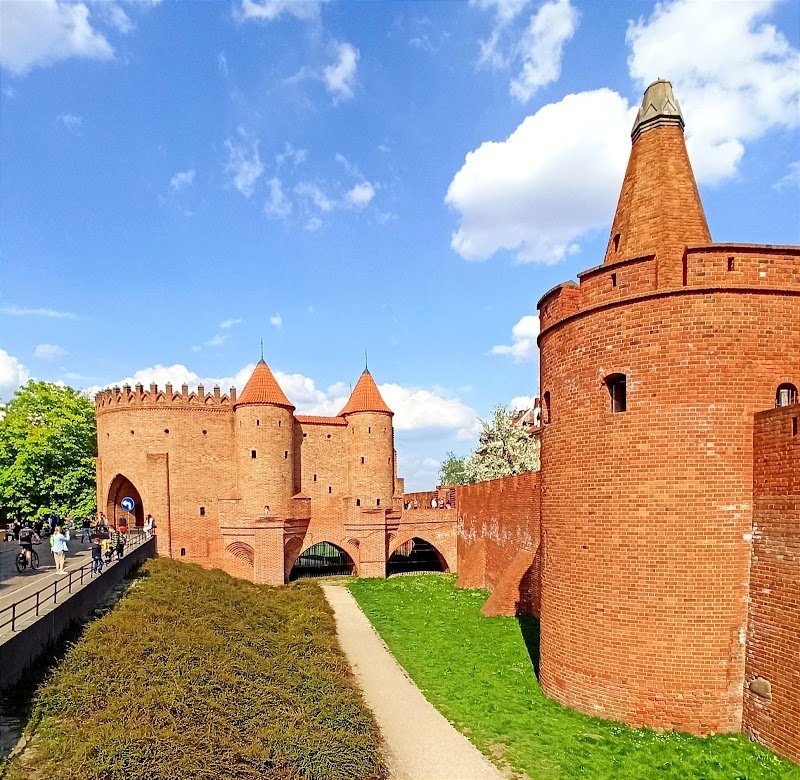
Rising above the edge of Warsaw’s Old Town, the Barbican offers a rare, hands-on look at the city’s turbulent past and lively street life. Surrounded by red brick and echoing with stories from centuries past, this fortress feels part living museum and part breezy meeting place. Piecing together yesterday and today, the Barbican provides visitors with both striking scenery and a gathering spot where history meets everyday Warsaw.

Visiting Info

Currency
Entrance fee
Free
Hours
Opening hours
Monday: Closed
Tuesday: Closed
Wednesday: 1:00 – 5:00 PM
Thursday: Closed
Friday: Closed
Saturday: 1:00 – 5:00 PM
Sunday: Closed

Contact Information

Location
Address
Nowomiejska 15/17, 00-257 Warszawa, Poland

Planning your visit

Visiting the Warsaw Barbican starts with a short walk through some of the prettiest streets in the city. Nestled between the bustling Old Town Square and the quiet New Town, the Barbican invites travelers all year round, but some seasons charm more than others. While tickets aren’t needed to stroll the ramparts or explore the surrounding square, the area can become crowded, especially on sunny weekends and festival days. Arriving early in the morning or later in the evening helps sidestep most crowds and allows for undisturbed views of the city’s red rooftops. Thanks to its central location, public transportation, taxis, and even rental scooters provide easy access, though sturdy shoes will serve well on the old cobblestones.

  • Best time to visit: Spring and early fall offer mild weather and fewer crowds; arrive early morning or close to dusk for quiet moments.
  • How to get there: Walk from Old Town Market Square (about 5 minutes), take trams or buses stopping at Nowe Miasto or Plac Koscielny, or catch a short taxi ride from central locations.
  • Accessibility: Most outdoor areas are stroller and wheelchair accessible, but uneven cobblestones and a few steps can be challenging; entrance ramps and alternate routes are available nearby for families and seniors.
  • Average visit duration: 30 minutes to 1 hour, or longer if exploring local cafes and exhibits.

Must see stuff

The Warsaw Barbican stretches across a patchwork of thick walls and rounded towers, with archways that once defended the Old Town’s border. Renovated after World War II, its ramparts help visitors picture the battles and daily bustle that shaped Warsaw. The Barbican’s semicircular fortress blends solemn history with busy local life. Street musicians, flower stands, and artists sketching add lightness to the centuries-old stones, especially in the open square nearby. On quiet days, echoes of past guards seem almost audible beneath the sound of passing footsteps. Take time to wander both the interiors and the pathways wrapped around the outer walls. Look for local art exhibitions held inside the structure, especially in spring and summer. Don’t forget to peek through the shooting holes for a taste of a medieval defender’s view.

  • Key sights: The main gate arch and circular towers; preserved cannon holes and ramparts; commemorative plaques and wartime scars left on walls.
  • Unique experiences: Stand atop the ramparts at sunset for a postcard view over city rooftops; watch local artists paint Warsaw scenes; catch occasional open-air concerts in the summer.
  • Photo-worthy locations: Near the northern archway with Old Town behind, or the curving steps leading toward New Town; flower markets add bursts of color in warmer months.
  • Cultural or historical facts: Built by royal architect Jan Baptist in 1540, the Barbican was part of the city’s original defensive walls. It played only minor roles in battles, but became a symbol of resistance during the Warsaw Uprising. Destroyed in World War II, it was lovingly rebuilt from original bricks and detailed sketches.

Tips for your visit

Experiencing the Barbican’s charm comes down to timing and thoughtful choices. Early birds capture the best photos and walk mostly alone; evenings have fewer families and a golden glow on the walls. Those sensitive to crowds should skip Saturday afternoons, when musicians and souvenir sellers fill the square. Packing a trusty water bottle and wearing comfortable shoes ensure plenty of time for exploring nearby cafes or artisan stalls afterwards. Remember that local etiquette values quiet respect in historic sites, and benches are placed both in sun and shade for resting. Pickpockets sometimes work the busiest corners, so carry only what’s needed and stay alert. No visit is complete without sampling ice cream or zapiekanka from a nearby vendor, as enjoyed by locals.

  • Best times to avoid crowds: Arrive before 10 a.m. or after 6 p.m.; weekdays are quieter than weekends.
  • What to bring: Refillable water bottle, sun hat in summer, camera or phone with extra battery, sturdy shoes for cobblestone paths.
  • Local etiquette or rules: Speak quietly inside arches; respect artists and performers without blocking walkways; photography is encouraged, but avoid flash during exhibitions.
  • Safety or comfort advice: Mind uneven stones along ramparts; use crosswalks when exploring both Old and New Town; avoid crowded corners when checking a map or taking a break.