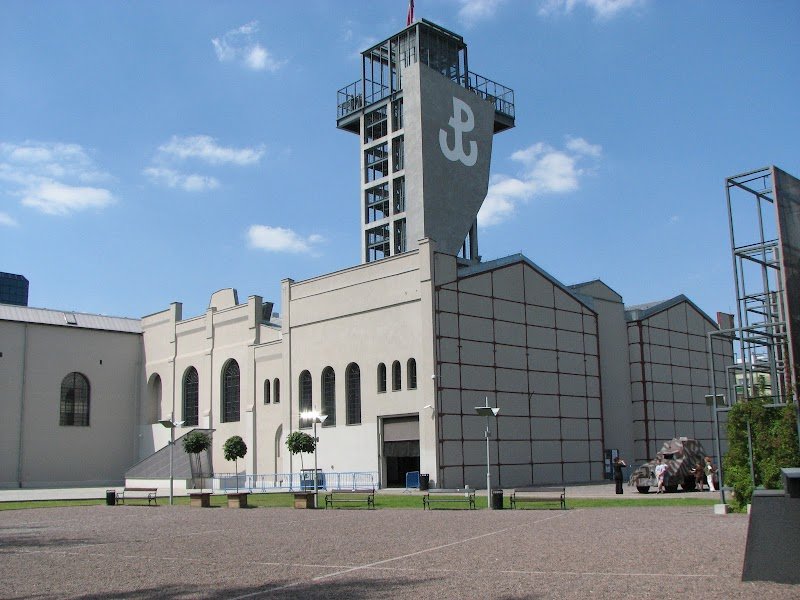
Google Places photo

Warsaw Uprising Museum

Warsaw, Poland
i

Google Places photo

Photo by Marek Barcik

The Warsaw Uprising Museum stands as one of Poland’s most important tributes to bravery, loss, and the enduring spirit of freedom. Visitors step inside an immersive space where modern exhibits bring to life the tumult and heartbreak of Warsaw’s 1944 resistance. History echoes through every hall and photograph. This museum, thoughtfully designed for reflection and education, connects visitors deeply to the legacy of those who fought for their city and country.

Visiting Info

Currency
Entrance fee
40 PLN
Hours
Opening hours
Monday: 8:00 AM – 6:00 PM
Tuesday: Closed
Wednesday: 8:00 AM – 6:00 PM
Thursday: 8:00 AM – 6:00 PM
Friday: 8:00 AM – 6:00 PM
Saturday: 10:00 AM – 6:00 PM
Sunday: 10:00 AM – 6:00 PM

Contact Information

Location
Address
Grzybowska 79, 00-844 Warszawa, Poland

Planning your visit

Planning ahead ensures a smooth, meaningful experience at the Warsaw Uprising Museum. The museum sits just west of the city center, in the Wola district—a short tram or taxi ride from Warsaw’s main neighborhoods. While popular year round, weekdays tend to be quieter, especially in the morning hours. Tickets are best purchased online to avoid standing in line, and guided tours often fill up quickly, especially during school holidays. The museum is accessible to strollers and those who use wheelchairs, though the immersive nature of some exhibits can mean tight spaces or dim lighting. Allocate at least two hours, but true history buffs could spend half a day among the stories and artifacts on display.

  • Best time to visit: Weekday mornings in spring or fall for thinner crowds and pleasant weather.
  • How to get there: Trams 10, 22, 24, or city buses stop near "Muzeum Powstania Warszawskiego"; taxis and rideshares are also widely available; walking from Warsaw Central Station takes about 20 minutes.
  • Accessibility: Elevators, ramps, and audio guides support visitors with varied needs; family-friendly bathrooms and a café offer extra comfort.
  • Average visit duration: 2–3 hours for standard visits; up to 4 hours for guided tours or those who read every detail.

Must see stuff

The museum’s multi-level space blends artifacts, reconstructed streets, and interactive displays to immerse visitors in the daily realities of 1944 Warsaw. The first exhibits plunge guests into a darkened corridor filled with citizens’ whispers and wartime broadcasts. Turn a corner, and the mood shifts—rooms burst into life with uniforms, handwritten letters, and photographs salvaged from the uprising. The iconic steel Memorial Wall lists over 10,000 names of fallen fighters, while a replica of a Warsaw sewer tunnel lets visitors stoop through the narrow passageways that many used to escape Nazi patrols. Several exhibits feature original films, some shot by resistance photographers, alongside hands-on activities for children and adults. Photo opportunities abound, from poignant memorials to a full-size Allied Liberator bomber suspended overhead. No visit feels complete without a quiet moment in the Reflection Room, where digital candles flicker for those lost.

  • Key sights or features: The Remembrance Wall, authentic resistance weapons, and the immersive 3D cinema showing “City of Ruins.”
  • Unique experiences: Walking through a reconstructed insurgents’ hideout and stooping through an actual sewer replica used during escapes.
  • Photo-worthy locations: The open-air courtyard with symbolic crosses, and the view from the museum’s rooftop observation deck, which offers panoramic shots of modern Warsaw rising beyond memory.
  • Cultural or historical facts: The uprising lasted 63 days, with citizens fighting bravely despite overwhelming odds; the museum houses over 30,000 artifacts, many donated by survivors and their families.

Tips for your visit

A few smart choices can make a museum trip far more rewarding. Early arrivals beat the longest lines, and booking ahead guarantees entry during busy times. Comfortable shoes are a must, as exhibits stretch across several levels and polished floors. It stays cool inside, but layers keep everyone cozy in colder, echoing galleries. Photos are permitted in most areas but check signs before snapping—some rooms request silence or no flash out of respect for memorials. The museum café serves coffee and light meals, though some visitors note the menu is basic compared to central Warsaw’s bustling bistros. Crowds peak on weekends and before national holidays, when local guides bring groups of schoolchildren through the halls. Signs appear in Polish and English, but audio guides unlock even more detail and personal stories.

  • Best times to avoid crowds: Arrive close to opening on Monday or Tuesday.
  • What to bring: Fully charged phone or camera, refillable water bottle, a sweater for cooler galleries, and curiosity to fuel deep exploration.
  • Local etiquette or rules: Speak softly near memorial areas and keep pathways clear; respect requests for limited photography.
  • Safety or comfort advice: Some multimedia displays may trouble sensitive visitors or young children; consider skipping these sections if needed. The gift shop offers locally produced books and crafts, perfect for a thoughtful souvenir.
Warsaw Uprising Museum – Tickets, Hours & Visitor Guide