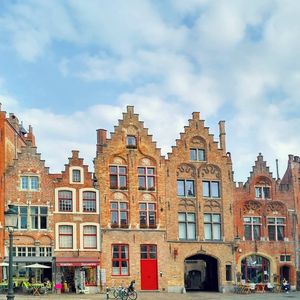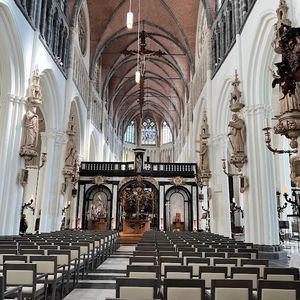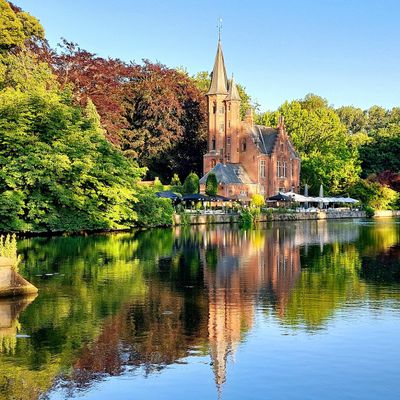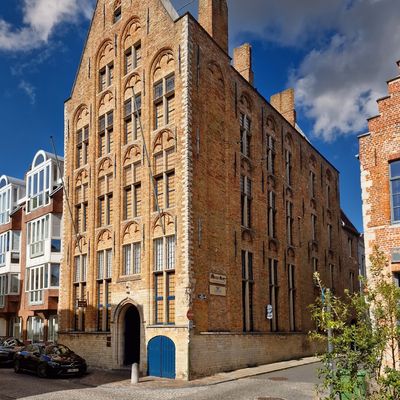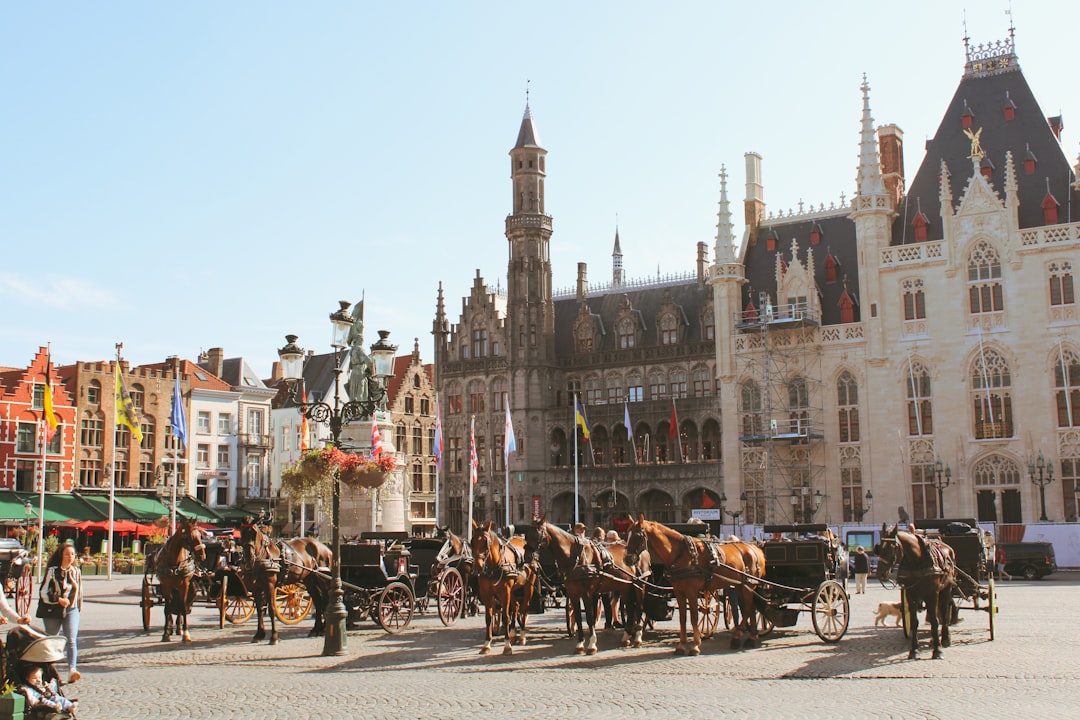
a group of horses pulling carriages
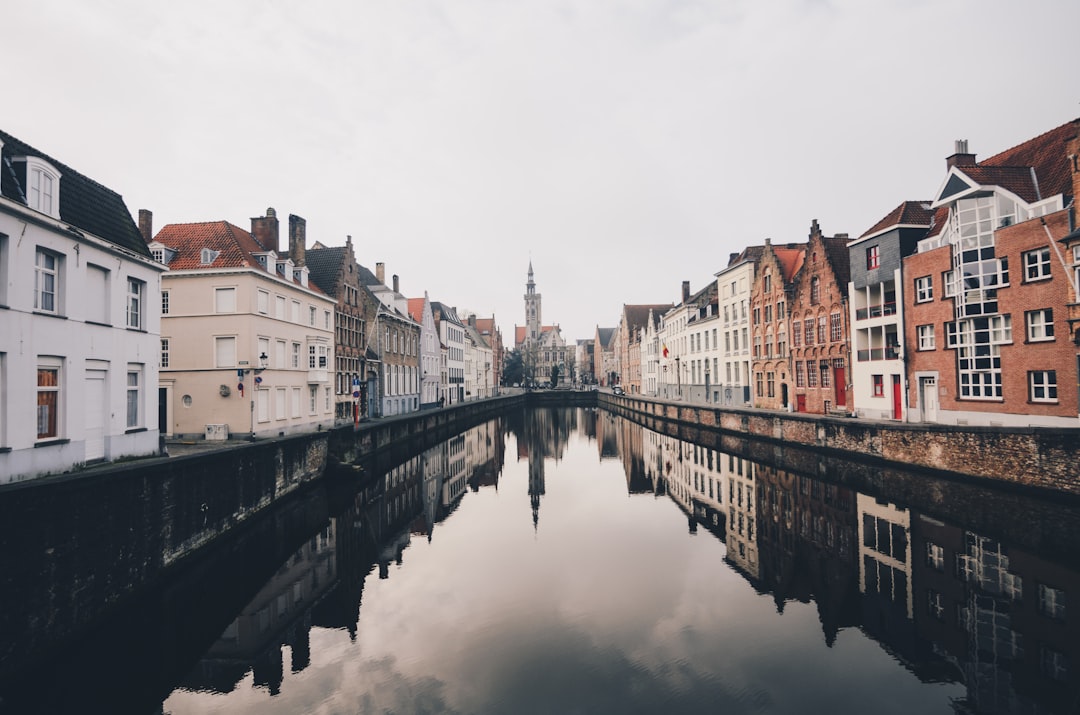
river in between houses during daytime
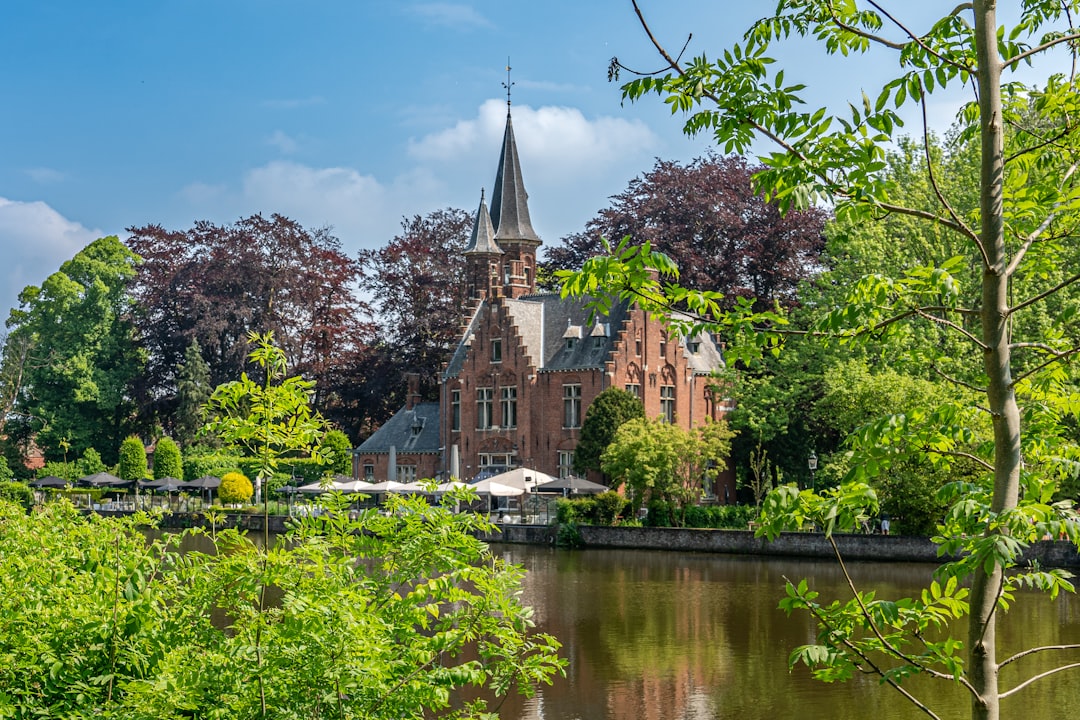
a large building sitting next to a body of water
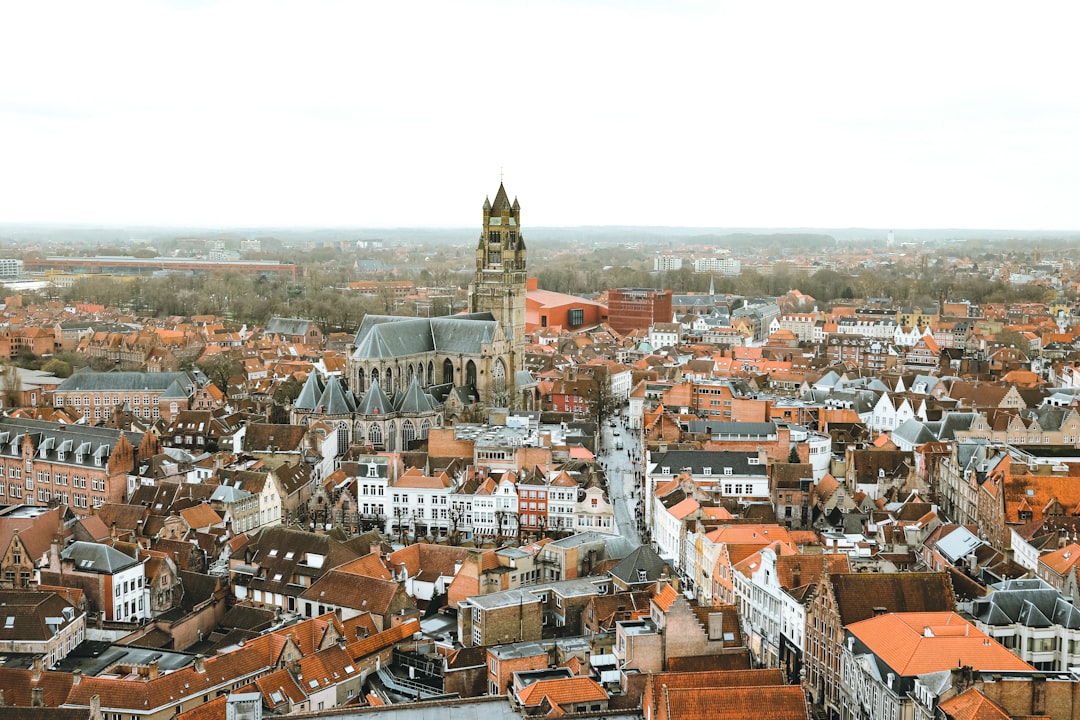
high angle photo of cityscape at daytime

Bruges

Belgium
UNESCO World HeritageCulturalIconic LandmarksArt & ArchitectureHistorical
i

a group of horses pulling carriages

Photo by Niels Bosman

Bruges greets you with the lazy curve of a canal, water gilded by afternoon light. Horse hooves clatter on cobblestones, scent of hot waffles floats from a corner stand. In the Markt, spires needle the sky, bells weaving a melody you feel in your chest. Climb the Belfry if you don’t mind narrow, twisting stairs; the view’s worth the squeeze. In the quieter lanes, lace shops give way to small galleries, their windows framed in ivy. Duck into a brown café for a Trappist beer, the kind that leaves a ring of foam on the glass. By twilight, the stone bridges glow gold, reflections doubling the magic. Bruges charms best in its soft moments: the rustle of leaves in Begijnhof, the hum of a bike on a cobbled path. Crowds thin by evening; that’s when the city feels like a secret shared. Just watch for the prices in tourist spots—better deals are tucked away in the side streets.

Quick Facts

currency
EUR
languages
Dutch, French, German
airports
Ostend-Bruges International Airport
size
Small Town
power
Type C, Type E
timezone
Central European Time (CET), UTC+1, Central European Summer Time (CEST) in summer
safety
Very safe
costs
Expensive

General Information

Safety indexBruges is considered a very safe city for tourists, with a low crime rate. Petty theft, such as pickpocketing, can occasionally occur in crowded tourist areas, but violent crime is extremely rare. Visitors are advised to take standard precautions, especially around major attractions and transport hubs.

Best Time to TravelThe best time to visit Bruges is between late spring and early fall, particularly from May to September. During this period, the weather is mild and pleasant, and the city’s gardens and canals are at their most beautiful. This is also when most festivals and events take place.

Least crowded and still a good time to visitA great time to visit Bruges with fewer crowds is from mid-March to April or in October. The weather may be a bit cooler, but most attractions are open, and the city is less crowded compared to the busy summer months. Visitors can enjoy the charm and atmosphere of Bruges with more comfort and lower accommodation prices.

BudgetBruges is considered moderately expensive by Western European standards. Budget travelers can expect to spend around €60–€100 per day, including accommodation, meals, and attractions. Mid-range travelers might spend €120–€200 per day, while luxury options are also available. Costs can be reduced by staying in hostels or budget hotels, eating at local cafés, and walking or renting a bike to get around.

Healthcare and VaccinationsBelgium’s healthcare system is of a high standard. EU citizens can use their European Health Insurance Card (EHIC) for medical treatment. Non-EU visitors should have travel insurance covering medical emergencies. No special vaccinations are required for entry, but it is advisable to be up-to-date with routine vaccinations such as tetanus, measles, and diphtheria.

Visa RequirementsBelgium is part of the Schengen Area. Citizens from the EU, EEA, Switzerland, and several other countries (including the US, Canada, Australia, and Japan) can enter visa-free for up to 90 days within a 180-day period. Citizens from other countries may require a Schengen visa. Check official Belgian government resources for specific visa requirements according to your nationality.

Weather in Bruges

°C°F
2679
1965
1152
438
-425
Jan
Feb
Mar
Apr
May
Jun
Jul
Aug
Sep
Oct
Nov
Dec
3020100
Avg. min. temperature
Avg. max. temperature
Avg. precipitation days

First-time travelers

Mist rises early above Bruges’ canals. Even cobblestones seem to hush the first-timer’s steps. Cities in fairytales rarely look so real—just press palms against the damp brick of centuries-old houses to feel history pulse under bare skin.

Bruges: An Instant Spell

From Markt Square, pastel facades lean together, watching horse carts jostle others for space. The scent of rising bread drifts from Le Pain Quotidien, mingling with roasted coffee and cool river air. Delicate lace shops compete with chocolate windows, each beckoning. Don’t rush this part: Bruges reveals itself only to those who take it slow.

In June, wildflowers dot Minnewater Park along the Lake of Love. Swans there swim deliberately in silence, nodding as if they own the view. Climb the Belfry, even if your legs protest halfway. From above, Bruges shrinks into a living painting, roof tiles patched in rusty reds and gold.

Easing Off the Tourist Track

By afternoon sunlight, artists paint by the canalside at Groener Rei. Local cheese stalls set up in quiet alleyways (try jonge kaas—you’ll taste the countryside’s grassy freshness). Evenings invite wandering, hands sticky with a warm Liege waffle from a street stand. Listen for carillon bells—an unfamiliar comfort at dusk.

  • Arrive by train to avoid the parking scramble.
  • Try pickled herring on a bun at Fish Market—briny, bright, and deeply local.
  • Duck into Sint-Salvator Cathedral for peace when crowds surge.
  • Leave time to get lost; Bruges rewards slow, curious steps.

Bruges seduces with its quiet confidence. Give in. For a first visit, let wonder lead the way.
Return travelers

Familiar canal reflections greet returnees, but Bruges reads differently with each visit. The tourist script has faded; gentle rituals slip in its place. Memories color each corner now—soft matinée light, the hush of sleepy alleyways, even the brisk bite of winter wind.

Beyond the Façade

Stroll west past Ezelpoort’s sturdy gate. This route hugs the green ramparts, miles from the crowds. Locals linger at Gentpoort for morning walks, telling quiet stories in Dutch. Pause at Café Vlissinghe (open since 1515) for an orval and a bowl of mustardy soup. The carved wood creaks under long histories. Place faces with names from your last trip—was that the owner’s dog curled in the corner?

Start hunting antique shops like Kino or De Langen Muur, tucked far from the Markt. Each shelf promises small timeworn treasures: blue porcelain, rickety marionettes, a faded menu from Degraeve. Talk with merchants. They remember those who dig for stories, not souvenirs.

Seasonal Shifts and Subtle Tastes

If spring, reserve ahead and celebrate asparagus season in a family-run bistro like Bistro Christophe. Order the North Sea shrimps with pale green witloof and a glass of Tripel Karmeliet. In December, skip the market crowds. Instead, sample old jenever at a candlelit corner table in Herberg Vlissinghe. Let the ginger spice tingle. Push past nostalgia and open all senses.

  • Bike through Sint-Andries for daily life and hidden bakeries.
  • Join a poetry night at De Zandloper (mostly locals, always welcoming).
  • Try a Sunday supper at ’t Gezelleke—tables ring with real Flemish laughter.
  • Visit before 10 a.m. for soft city sounds and secret shortcuts.

Returning, Bruges sheds its postcard layer. Let yourself be a regular. Each trip deepens your story here.

Must-see locations

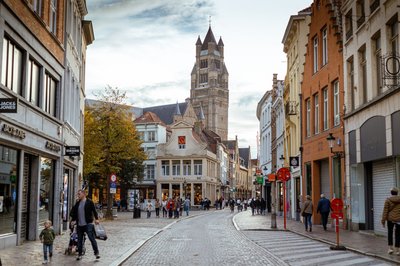
Picturesque street in Bruges with Belfry tower, cobblestones, and people strolling in autumn.
i

Picturesque street in Bruges with Belfry tower, cobblestones, and people strolling in autumn.

Photo by Miguel Saddi Vitorino

Belfry of Bruges

The Belfry of Bruges towers above Market Square, offering sweeping city views after climbing 366 steps. Medieval bells chime, echoing Bruges' rich trading past. Lively squares and quaint canals surround this iconic Flemish landmark.

Learn More
Google Places photo
i

Google Places photo

Photo by Aleksandar Pavleski

Market Square

Market Square in Bruges bursts with vibrant cafés and medieval buildings, with the Belfry towering above cobblestones. Horse-drawn carriages pass chocolate shops while lively markets fill the plaza with chatter and fresh flowers.

Learn More
Google Places photo
i

Google Places photo

Photo by Bernie Rainer-Guy

Church of Our Lady

Gothic spires rise above Bruges at the Church of Our Lady, drawing visitors to admire Michelangelo’s Madonna and Child. Explore peaceful chapels, sunlit stained glass, and tombs of Maria of Burgundy and Charles the Bold.

Learn More

Minnewater Park

Minnewater Park charms visitors with peaceful lakeside walks, willows brushing the water, and storybook swans gliding by. Explore the iconic Lovers’ Bridge, watch local artists paint, or relax by the 13th-century Begijnhof gardens.

Learn More

Choco-Story, Chocolate Museum

Choco-Story in Bruges offers chocolate-making demos, rich cocoa history, and Belgium's famous pralines. Interactive exhibits, ancient tools, and tastings bring Bruges' sweet tradition to life for visitors of all ages.

Learn More

How to get there

By air

Bruges does not have its own airport. The nearest major airport is Brussels Airport (BRU), about 110km away. Alternatively, Ostend-Bruges International Airport (OST) is closer but served mainly by seasonal or charter flights. From Brussels Airport, travelers can reach Bruges via train, airport bus, or taxi.
Options to get to town:
Taxi
Price:
€170-€200 (from Brussels Airport)
Duration:
1h 15m
Where to buy:
Taxi ranks at airport arrivals
Airport bus
Price:
€5-€15 (varies by service, direct airport shuttles are rare and often prebooked)
Duration:
1h 40m
Where to buy:
Book online or at airport desk
Train/shuttle
Price:
€21-€31 (train ticket with possible change at Brussels Midi)
Duration:
1h 30m
Where to buy:
www.belgiantrain.be

By train

Bruges is easily accessible by train from major Belgian cities such as Brussels, Ghent, and Antwerp, as well as from Paris and Amsterdam (with a change in Brussels or Antwerp). The train station (Station Brugge) is a 15-minute walk from the city centre or a short bus ride.
Useful websites for train tickets:

By car

Bruges is well connected by Belgian motorways. From Brussels, take the E40 motorway (about 1hr drive). Note that much of Bruges city centre is pedestrianized, so parking is mostly at designated lots on the outskirts (such as Centrum-Station or ’t Zand).
Additional charges to be aware of:
Toll / vignette / emission sticker
Cost:
Most Belgian highways are toll-free. No vignette or emission sticker required for most cars entering Bruges.
How to pay:
N/A
Other driving costs
Cost:
Parking: €5-€20 per day, fuel costs vary
How to pay:
Pay at parking lot or via mobile app

How to get around

Public transport

Public transport: Bruges has an efficient and convenient bus network operated by De Lijn. Buses cover most of the city and connect Bruges to nearby towns and railway stations. The city center is compact, so walking is often the simplest way to explore.

Ticket options:
Ticket TypePriceWhere to buy
Single ticket€2.50De Lijn ticket machines, on board, De Lijn shops
Day pass€7.50De Lijn ticket machines, De Lijn shops

Taxis & ridesharing

Taxis & ridesharing: Taxis are available at the main train station and throughout the city. Ridesharing is less common, but some international apps operate in Bruges.

Service providers:
ProviderPriceHow to book
Local taxiMetered fare, starting around €8 for short ridesTaxi ranks, phone bookings, some hotels
Ridesharing appVariable based on distance and demandBolt app

Car rental

Car rental: Renting a car is possible but not recommended for exploring Bruges’ city center due to narrow, pedestrianized streets and expensive parking. Useful for day trips outside Bruges.

Rental options:
ServicePriceHow to book
Daily rentalFrom €35 per dayRental agencies at the train station or city outskirts
Weekly rentalFrom €210 per weekRental agencies such as Europcar, Sixt

Bike & scooter rental

Bike & scooter rental: Cycling is a popular and enjoyable way to see Bruges. The city is mostly flat with dedicated bike lanes. Scooter rentals are also available.

Rental options:
ServicePriceHow to book
Bike rentalFrom €12 per dayBike rental shops like Fietsen Popelier, at train station
Scooter rentalFrom €25 per dayLocal scooter rental shops

What to eat

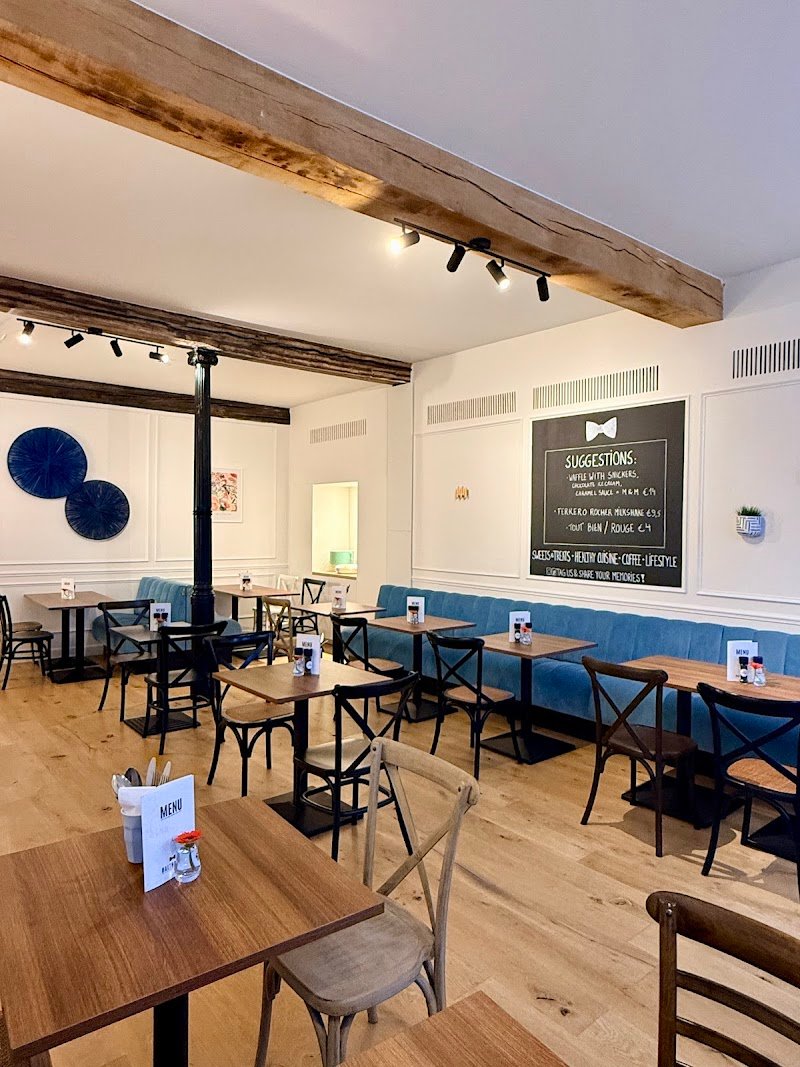
The first bite of hot, crispy frites on Bruges’ Markt hits you with salt and steam. Smells of melting chocolate drift from shopfronts, weaving through air tinged with yeasty beer and river mist. In the golden evening, the city’s medieval heart pulses with voices and clatter. Eating in Bruges wraps you in comfort and brisk energy, every meal painted with memory. Here, food isn’t just sustenance—it’s a passport into Flemish life, shared across cafe tables and bustling market stalls.

Signature Dishes

  • Moules-Frites: Steaming pots of mussels cooked in white wine or beer, served with crisp golden fries. A briny, brothy staple in waterfront bistros.
  • Carbonnade Flamande: Rich beef stew slow-cooked in dark beer with onions and thyme. Deep flavors, perfect for chilly Bruges evenings.
  • Stoofvlees: Tender beef braised until it melts, often with speculoos cookies for a sweet, spiced edge.
  • Waterzooi: Creamy, comforting stew of fish or chicken, blended with leeks, carrots, and potatoes. A rustic local classic.
  • Frites: Twice-fried fries, pillowy inside and shatteringly crisp. Eaten with tangy mayonnaise while strolling medieval alleys.

Street Food & Markets

Street vendors cluster near Bruges’ main squares, offering warm waffles crowned with fruit or chocolate. The Wednesday Market at Markt fills with aromas of roasting chicken, freshly baked bread, and cured meats. Look for poffertjes—tiny pancakes doused in powdered sugar—or try croquettes filled with shrimp or cheese at buzzing food stalls. Some stalls lean touristy, but locals linger near stands with newspaper-wrapped frites or hand-pressed sandwiches. Venture early for farm-fresh produce and watch artisans hand-shaping marzipan and nougat right before your eyes.

Sweet Treats & Drinks

Life in Bruges moves to the rhythm of chocolate shops: pralines filled with hazelnut, ganache, or liqueur, made by master chocolatiers like The Chocolate Line. Tuck into a crisp, caramelized Belgian waffle, dusted with sugar and crowned in whipped cream. For drinks, savor local Trappist ales like Brugse Zot or sip jenevers (juniper spirits) in snug, candle-lit bars. Sweets here aren’t a treat—they’re a rite of passage.

Why Travelers Eat Here

  • Europe’s best frites—salty, piping hot, irresistible with homemade sauces.
  • Artisan chocolate culture, from bean-to-bar workshops to tiny family-run shops.
  • Atmospheric beer cafes—with rare regional brews and hearty Flemish dishes on the side.
  • Market stalls blending medieval tradition and modern flavor, all in postcard-like settings.

Beneath canal bridges and pointed rooftops, Bruges’ food leaves echoes of butter and bitter cocoa. Each meal feels warmly timeless—echoing the city’s centuries-old rhythm.

Top Rated Restaurants

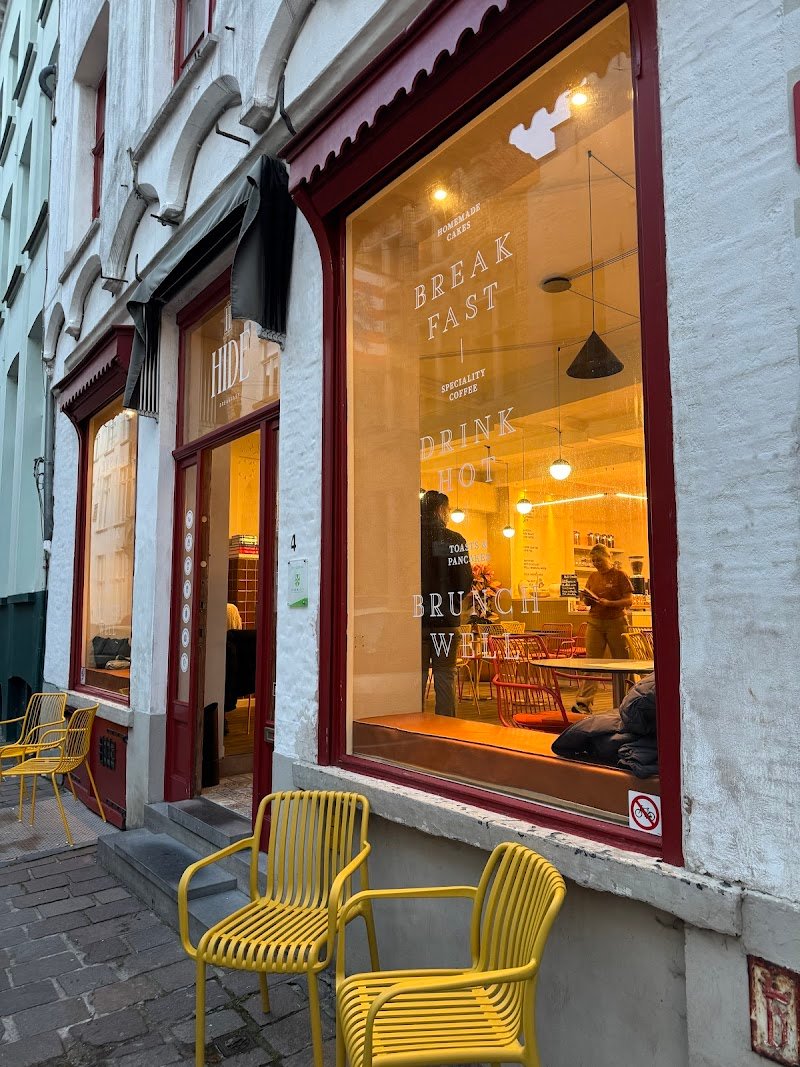
HIDE Breakfast / Lunch

HIDE Breakfast / Lunch

4.9 (1.9k reviews)
LocationCordoeaniersstraat 4, 8000 Brugge, Belgium
That's Toast

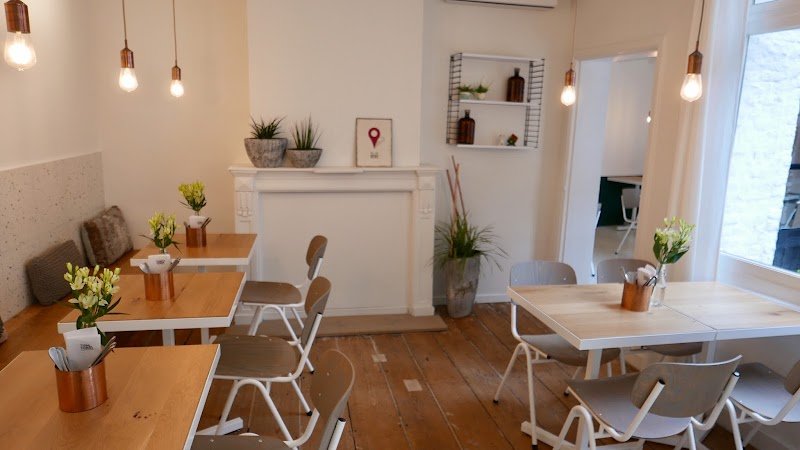
That's Toast

4.8 (4.8k reviews)
$$
LocationDweersstraat 4, 8000 Brugge, Belgium
ONE Restaurant

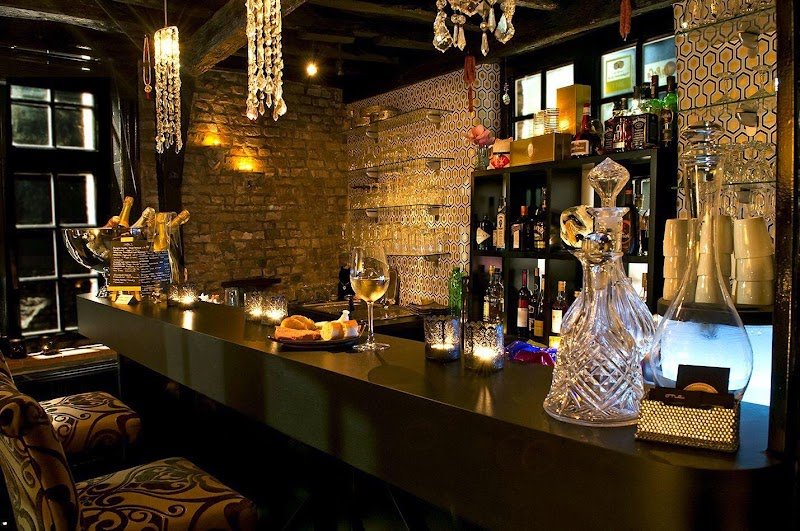
ONE Restaurant

4.7 (1.1k reviews)
$$
LocationArsenaalstraat 55, 8000 Brugge, Belgium
Assiette Blanche

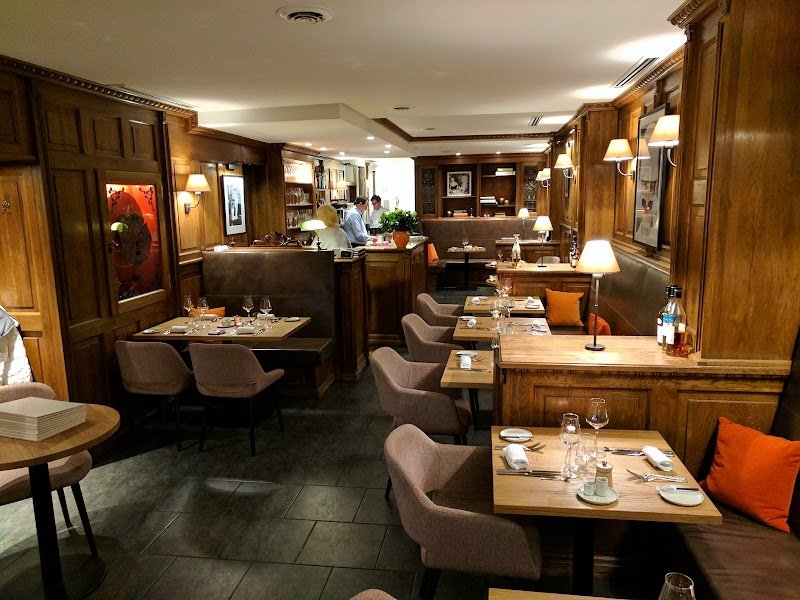
Assiette Blanche

4.7 (351 reviews)
$$
LocationPhilipstockstraat 23, 8000 Brugge, Belgium
Balthasar Brugge

Balthasar Brugge

4.6 (1.3k reviews)
$$
LocationKorte Zilverstraat 8, 8000 Brugge, Belgium

Accommodations

The magic of Bruges lies in the clash of fairy-tale calm and bustling foot traffic. Choosing the right place to sleep shapes every moment, whether you love lively squares or quiet canal walks. Every block paints a different mood, so thinking about the area is just as important as picking a cute inn or a stylish suite. After many visits, I’ve learned how each neighborhood in Bruges can alter your whole experience.

Neighborhood Overview

  • Historic City Center: Bruges’ medieval heart sits beneath the Belfry’s shadow. Expect postcard views, cobblestones, and shops at your doorstep. This area suits couples and first-time guests, but crowds can fill the streets from morning to night.
  • Sint-Gillis: A relaxed northern quarter just beyond the canals. Sint-Gillis offers calm streets lined with art studios and local bakeries. Families favor this neighborhood for its green parks and slower pace.
  • ’t Zand: Bruges’ modern edge revolves around the spacious ’t Zand square. The vibe balances music venues and sidewalk cafés. Night owls and business travelers value the access to transit and fewer tourists here.
  • Begijnhof and Minnewaterpark: Escape the crowds in these leafy southern suburbs. Swans drift by whitewashed houses and there’s room to breathe. Ideal for romantic getaways or those seeking peace after busy sightseeing days.

Types of Accommodation

  • Boutique Hotels: Examples like Hotel de Orangerie and Hotel Heritage mix service with charm. Price: €170–€350 per night.
  • Guesthouses and B&Bs: B&B Bariseele or Huis Koning promise home-cooked breakfasts and warm hosts. Price: €120–€200 per night.
  • Vacation Rentals: Apartments or canal houses, many on Airbnb or Booking. Price: €110–€250, with more space for families or groups.

Insider Tips for Booking

Weekends and holiday periods book fast—reserve 2–4 months in advance. Rates drop in January and November but rise for summer festivals and Christmas markets. Expect a city tax of about €3 per person, per night at check-in. Double-check accessibility; many old buildings have steep stairs.

Late at night, when candlelight spills onto quiet stones, Bruges feels timeless. The right room means you’ll wake to bells, not just alarms. Sleep well and let the city shape your dreams.

Bruges Travel Guide - What to See, Do & Eat