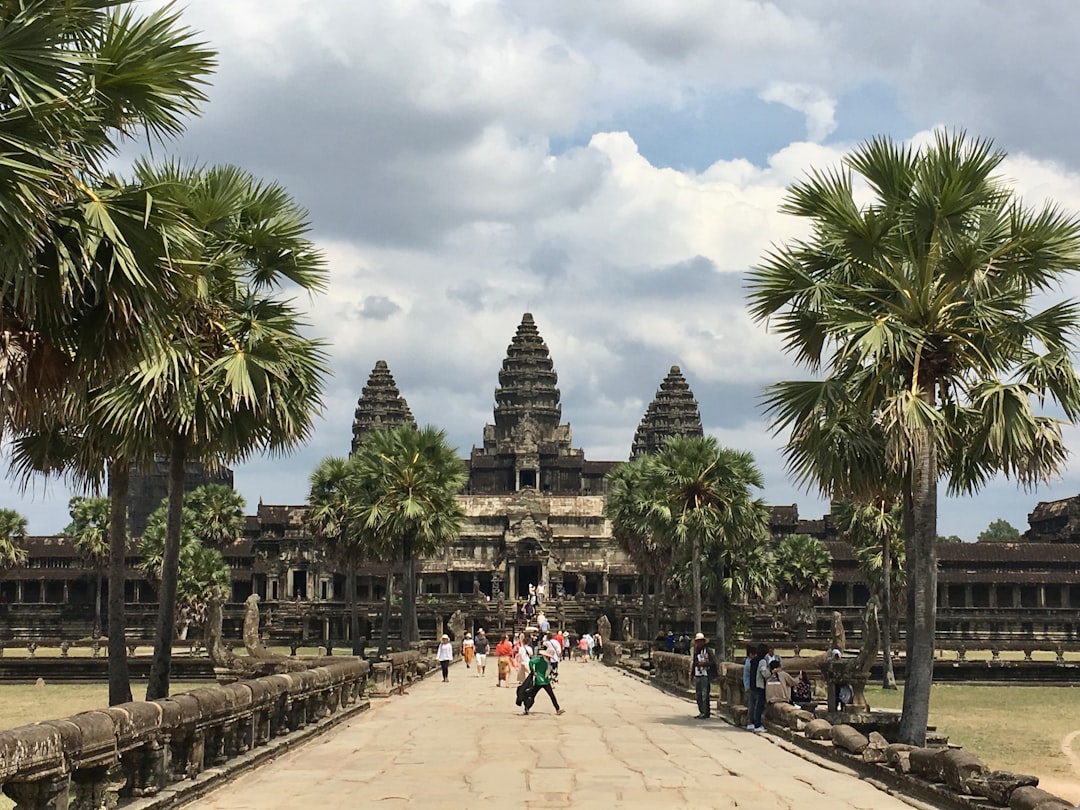
a group of people walking down a street next to palm trees
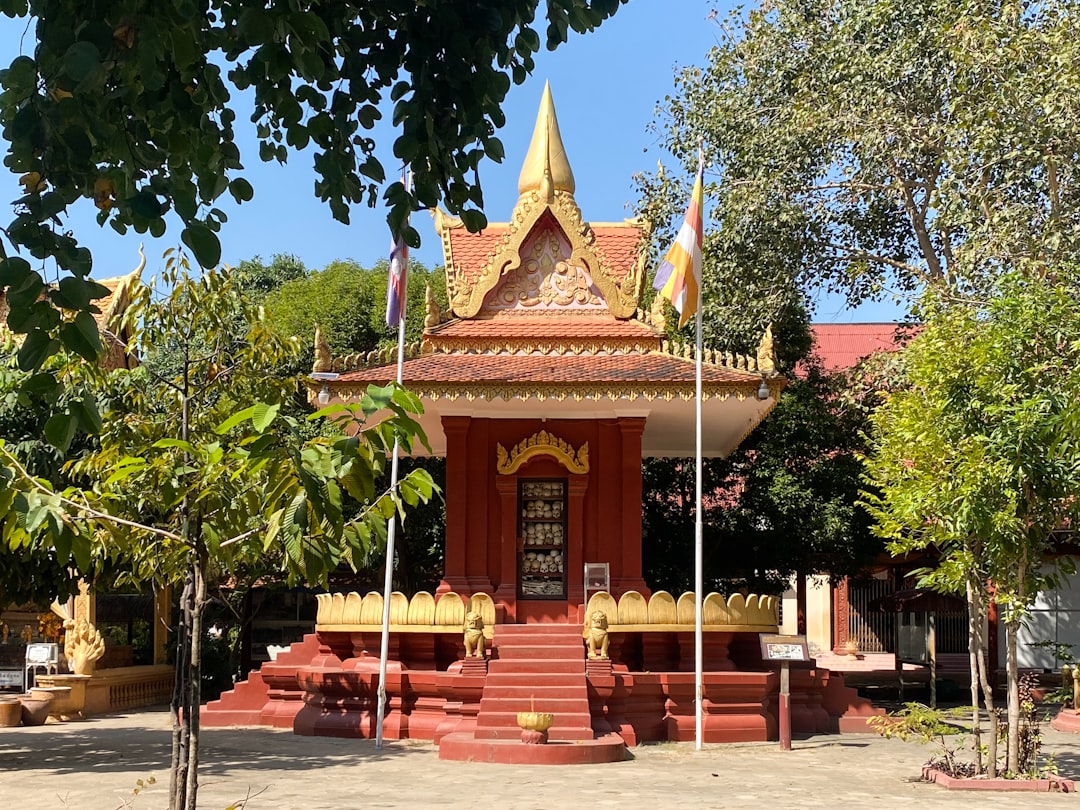
A small red and yellow building sitting in the middle of a park
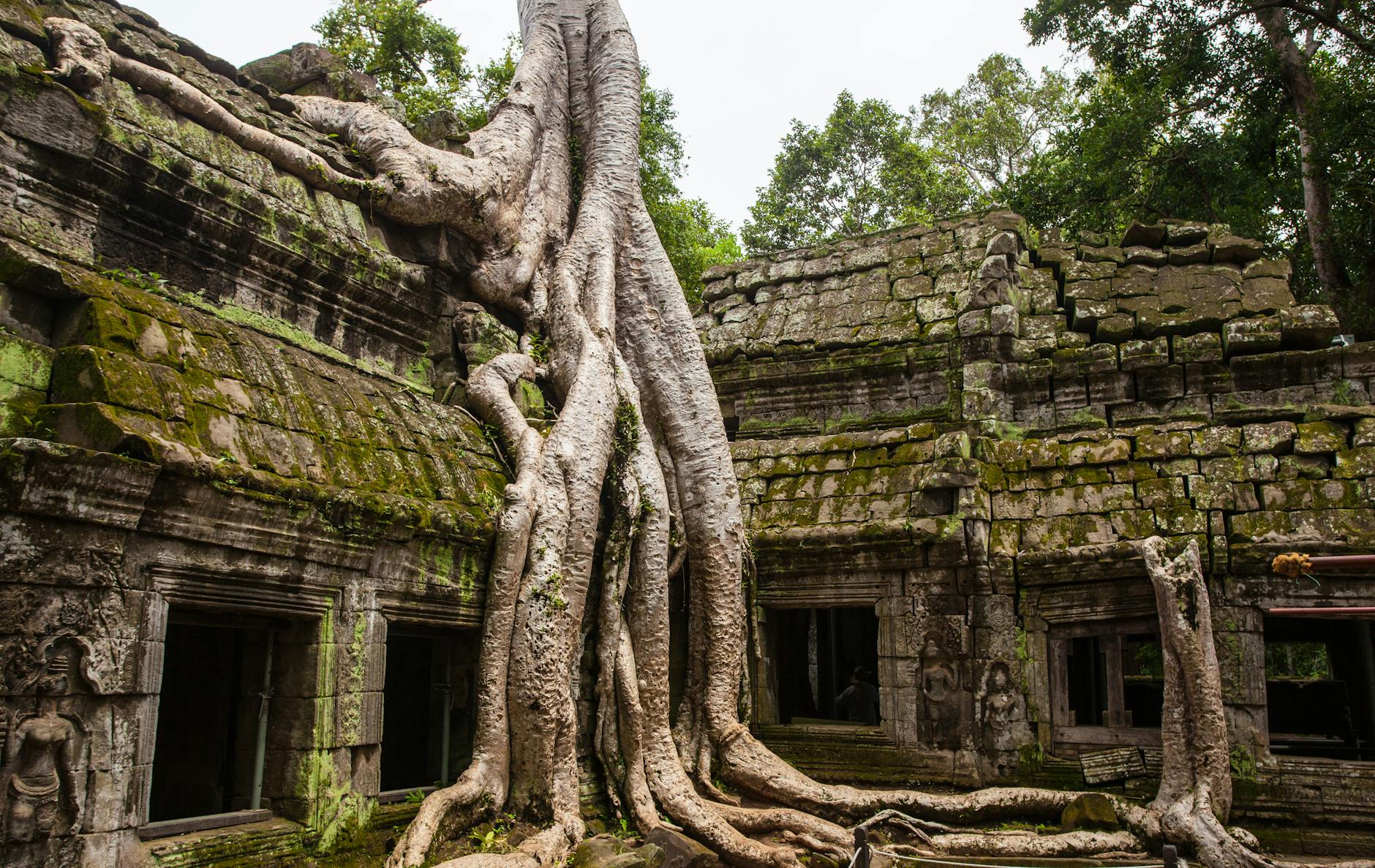
Ancient Ta Prohm temple with massive tree roots in Siem Reap, Cambodia.
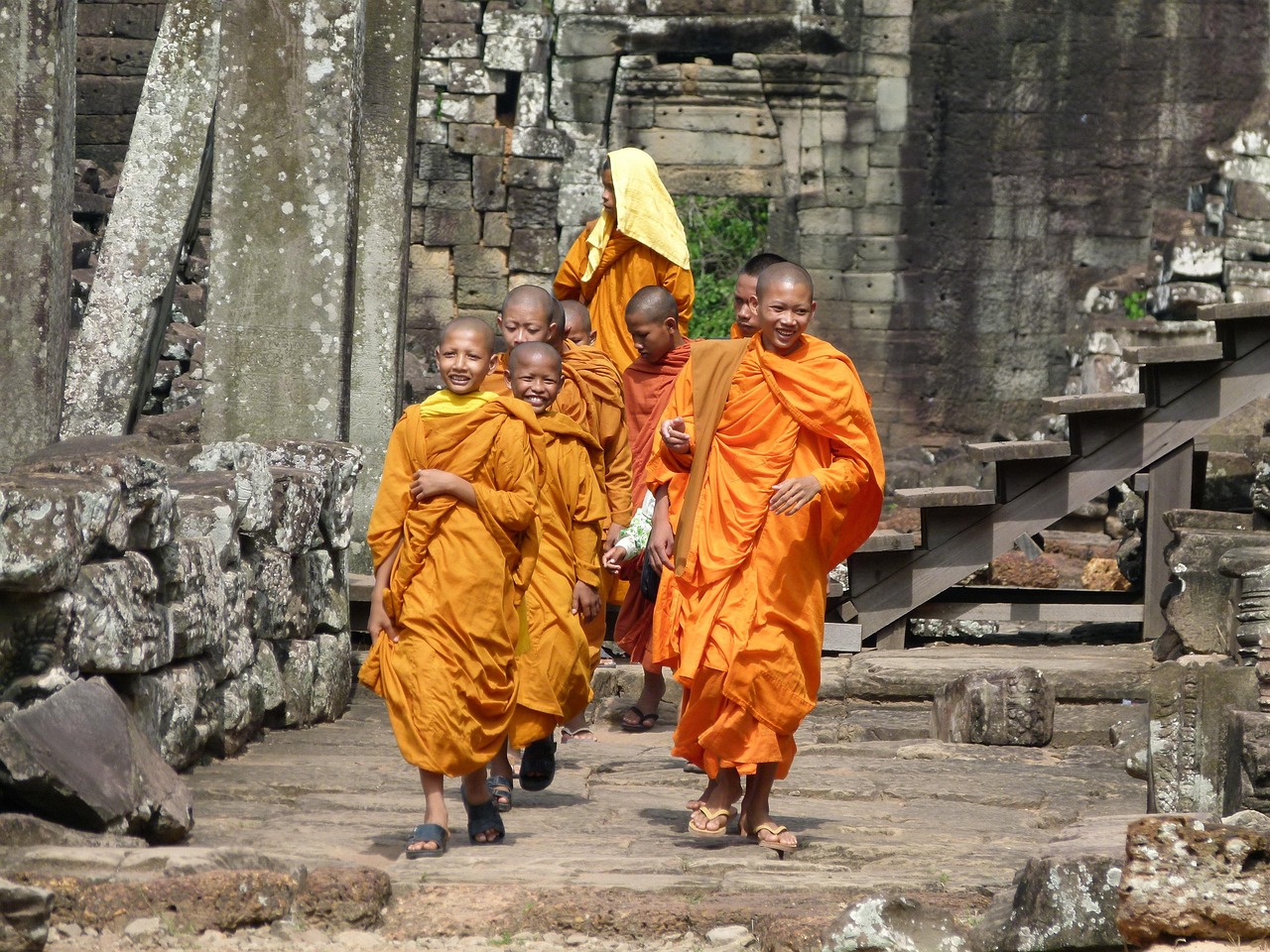
cambodia, angkor wat, monks, temple, angkor, ruin, siem reap, asia, buddhism, unesco world heritage, novice, cambodia, cambodia, cambodia, angkor wat, angkor wat, angkor wat, angkor wat, angkor wat, angkor, siem reap, siem reap

Siem Reap

Cambodia
UNESCO World HeritageHistoricalArt & ArchitectureReligious & Spiritual
i

a group of people walking down a street next to palm trees

Photo by Jo Barnes

Siem Reap greets you with warm, red dust and the smell of lemongrass sizzling on street grills. Tuk-tuks weave past open-air cafés where travellers swap temple stories over cold Angkor beers. Mornings start at Angkor Wat, the sun turning stone towers gold. By noon, it’s the quiet courtyards of Ta Prohm, roots wrapped like old fingers around crumbling walls. In the evening, Pub Street buzzes with music, but the real charm’s in the night markets — bowls of amok curry, woven silk scarves, and the murmur of Khmer conversation. Outside town, dirt roads lead to stilted villages and flooded rice fields. Siem Reap’s mix of ancient and everyday life pulls you in, once and then again.

Quick Facts

currency
KHR
languages
Khmer
airports
Siem Reap-Angkor International Airport
size
Medium City
power
Type A, Type C, Type G
timezone
UTC+7
safety
Safe
costs
Very cheap

General Information

Safety indexSiem Reap is generally considered a safe destination for tourists, with a moderate safety index. Petty crimes like pickpocketing and bag-snatching can occur, especially in crowded areas and at night, but violent crime is rare. It's advisable to take standard precautions, avoid poorly lit areas after dark, and be cautious with valuables.

Best Time to TravelThe best time to visit Siem Reap is from November to February, during the cool, dry season. Temperatures are comfortable (around 20-30°C), humidity is lower, and the skies are clear, making it perfect for exploring Angkor Wat and other attractions.

Least crowded and still a good time to visitThe shoulder months of March and October offer fewer crowds and still pleasant weather, though it may be a bit hotter or there could be light rainfall. These months are ideal for those who prefer a quieter experience while avoiding the peak wet or hot seasons.

BudgetSiem Reap is a budget-friendly destination. Low-cost accommodation can be found for $10-20 USD per night, mid-range hotels are around $30-60 USD, and luxury options range from $80 USD and up. Meals are inexpensive, with street food from $2-5 USD and restaurants from $5-15 USD. Entry to Angkor Wat is $37 USD for a one-day pass (as of 2024). Tuk-tuk rides typically cost $2-6 USD per trip.

Healthcare and VaccinationsHealthcare in Siem Reap is basic but improving. There are some reliable private clinics and hospitals that cater to tourists, such as Royal Angkor International Hospital. Travelers should have comprehensive travel insurance covering medical evacuation. Recommended vaccinations include Hepatitis A and B, Typhoid, and Tetanus. Malaria risk is low in Siem Reap itself but higher in rural areas; consult your doctor regarding prophylactics. Bring a personal medical kit and any prescription medications.

Visa RequirementsMost nationalities can obtain a 30-day tourist visa on arrival at Siem Reap airport or apply for an E-visa online before travel. The visa on arrival costs approximately $30 USD. Ensure your passport has at least six months' validity from the date of entry. Overstaying visas results in fines.

Weather in Siem Reap

°C°F
41106
3594
2882
2271
1559
Jan
Feb
Mar
Apr
May
Jun
Jul
Aug
Sep
Oct
Nov
Dec
3020100
Avg. min. temperature
Avg. max. temperature
Avg. precipitation days

First-time travelers

Siem Reap lives as a city caught between timeworn legends and vivid, noisy present. Step off the plane and heat—humid and full—greets you. Energy buzzes through busy roads, motorcycle horns echo as dusk sweeps gold along the river. Your first visit, excitement mixes with uncertainty. Will this living relic of Khmer history shake you or draw you in?

The Pulse of the Streets

Pub Street bustles after sundown, but Siem Reap’s real heart beats nearby. Morning, watch steaming bowls of kuy teav served curbside, vendors squatting as pans sizzle. Walk past French colonial facades on the Old Market’s dusty edge. Rainbow stacks of dragonfruit, vendors gossiping in Khmer, aromas of lemongrass—familiar and exotic meshed together. You sense the city’s rhythm: friendly, playful, yet proud in history.

Memories Behind the Scenes

Guides at Angkor Wat tell stories with wide gestures, faces weathered by sun. Sunrise’s quiet hush gives way to the drone of tuk-tuks and multilingual chatter. Slip inside a shadowed hallway, run your hands against cool, worn stone. Later, taste lok lak in a backstreet cafe—pepper sauce bites deep, rice soft beneath fried egg. Kids play football in temple yards, monks watch from orange-robed clusters.

  • Arrive early for Angkor sunrise—moon sets as dawn colors the pillars
  • Try Num Banh Chok (Khmer noodles) at Phsar Leu market—locals eat here
  • Visit the Artisans Angkor workshop for skilled, thoughtful souvenirs
  • Order a mango shake at Sister Srey Café; relax with the river view

Some confusion is normal—street names change, cash is king, smiles bridge any language gap. Siem Reap rewards curiosity. Open your senses, let the city set the tempo.
Return travelers

Return trips to Siem Reap change your senses. The strangeness gone, deeper patterns emerge—slow rhythms humming under the noise. First visits are for awe and ruins; second journeys share subtler secrets. Familiar faces, shorter hellos, a city that already feels lived in.

Beyond the Temples

Skip the crowds—explore Kandal Village’s evolving street art and airy ateliers. Murals brighten pale walls, odd sculptures perch in garden courtyards. Chat with gallery owners who mix Khmer themes with hip design. Here, the city’s creative pulse runs quietly, but strong. In late afternoon, slip out to the floating villages of Kampong Khleang. Stilt homes shadow enormous Tonlé Sap, smoked fish spread on woven mats. The air tinged with freshwater and woodsmoke, children offer bold hellos from painted boats.

Tastes and Gatherings

This trip, meals linger longer. Dine at Pou Restaurant, where young Cambodian chefs riff on family flavors—fermented fish sauce, sweet crisp morning glory. In the evening, check the Phare Circus calendar. No animals, just acrobats tumbling through lively stories—an uncommon take on modern Khmer grit and hope. Or, join a cooking class at Lily's Secret Garden and grind kampot pepper by hand. Laughter rises from covered patios as recipes turn strangers into friends.

  • Book an artist-led walking tour in Kandal Village
  • Eat grilled frog at BBQ stalls near Road 60—brave, delicious, truly local
  • Catch a Phare Circus performance—raw, energetic, worth the detour
  • Take a sunrise boat to Kampong Khleang and sip iced coffee on the water

Trust the city more. Uncover the familiar tucked beneath spectacle—stories, gestures, new confidence. Siem Reap always changes, but with each return, you change too.

Must-see locations

Google Places photo
i

Google Places photo

Photo by Niclas Toussaint

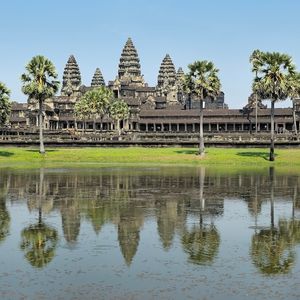
Angkor Wat

Stone towers rise above jungle, where monks pray and caretakers sweep ancient courts. Sunrise casts gold over Angkor Wat’s carvings. Walk galleries filled with tales of gods and kings. Climb steep steps for breathtaking temple views.

Learn More
Google Places photo
i

Google Places photo

Photo by Margaret Y

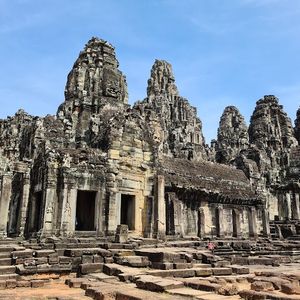
Bayon Temple

Rising in the heart of Angkor Thom, Bayon Temple amazes with over 200 giant stone faces carved into soaring towers. Explore maze-like galleries, catch sunrise light on ancient carvings, and watch monks crossing quiet courtyards.

Learn More
Google Places photo
i

Google Places photo

Photo by Alberto

Ta Prohm Temple

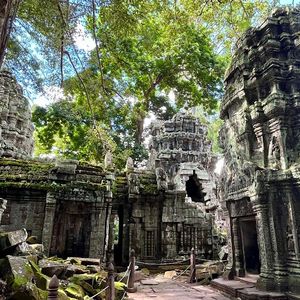
At Ta Prohm Temple near Siem Reap, massive tree roots snake over centuries-old stone walls, creating an iconic jungle ruin. Photographers, history buffs, and movie fans trace ancient corridors covered in moss and tangled roots.

Learn More
Google Places photo
i

Google Places photo

Photo by Nicolas Juralina

Angkor National Museum

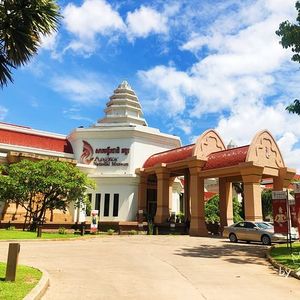
Angkor National Museum in Siem Reap reveals Cambodia’s Khmer Empire with art, sculpture, and interactive galleries. Stunning relics, like the Buddha gallery, immerse visitors in Angkor’s rich spiritual and cultural history.

Learn More
Google Places photo
i

Google Places photo

Photo by GAMMADION13

Phnom Bakheng Temple

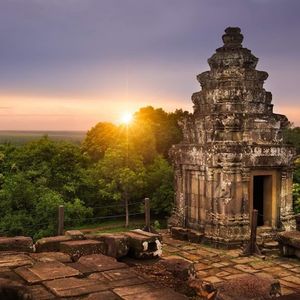
Phnom Bakheng Temple, perched atop a hill near Angkor Wat, draws visitors for sunset views across jungle and temples. Climb ancient steps, spot detailed carvings, and soak in lively crowds gathering for panoramic photos.

Learn More

How to get there

By air

Siem Reap–Angkor International Airport (SAI) is the primary airport serving Siem Reap, with direct flights to and from major cities in Southeast Asia. The airport is located about 40 km from the town center.
Options to get to town:
Taxi
Price:
USD 35-40
Duration:
45-60 minutes
Where to buy:
Taxi counters inside the airport terminal
Airport bus
Price:
USD 9
Duration:
60 minutes
Where to buy:
Bus counter at airport arrivals
Train/shuttle
Price:
Not available
Duration:
N/A
Where to buy:
N/A

By train

Currently, there is no direct train service to Siem Reap. The nearest operational railway stations are in Phnom Penh and Battambang. It is possible to travel by train to these cities and then continue to Siem Reap by bus or taxi.
Useful websites for train tickets:

By car

Siem Reap is accessible via well-maintained highways from major Cambodian cities and border crossings with Thailand. Car hire and private taxis are widely available. Roads from Phnom Penh and Poipet (Thai border) are most commonly used.
Additional charges to be aware of:
Toll / vignette / emission sticker
Cost:
No tolls or vignettes required on most routes
How to pay:
N/A
Other driving costs
Cost:
Fuel: USD 1.10-1.30/liter; Car hire: USD 40-80/day
How to pay:
Fuel: roadside petrol stations; Car hire: agencies in Phnom Penh, Siem Reap, or airport offices

How to get around

Public transport

There is no formal public bus network in Siem Reap. Local transportation relies mainly on tuk-tuks and motodops (motorbike taxis) for short distances. Most visitors use these for getting around town or traveling to nearby attractions such as Angkor Wat. Negotiate or confirm the fare before starting your journey.

Ticket options:
Ticket TypePriceWhere to buy
Single ticketTypical rides within town cost $1–$3Directly from the driver, cash only
Day passNot available through official public transport

Taxis & ridesharing

Taxis and tuk-tuks can be hired on the street or booked through hotel desks. Ridesharing apps also operate and are popular for transparent pricing and convenience. Tuk-tuks remain the most common and charming way of getting around the city.

Service providers:
ProviderPriceHow to book
Local taxiFrom $5 for short city trips; Angkor Wat trips around $15–$20 returnStreet pickup, hotel concierge, or taxi stands
Ridesharing appShort trips start at $1–$3 (depends on distance and vehicle type)Book via apps like Grab or PassApp

Car rental

Car rentals are available but not commonly used for city travel due to narrow streets and traffic. Drivers can be hired with the vehicle for convenience, which is especially popular for trips to Angkor Archaeological Park or further afield. Self-driving is possible with a valid license.

Rental options:
ServicePriceHow to book
Daily rentalFrom $35–$50 per day (with driver)Local agencies, hotels, or at the airport
Weekly rentalFrom $200–$300 per week (with driver)Local agencies or through hotel concierge

Bike & scooter rental

Bicycles are a popular, affordable, and eco-friendly option for exploring Siem Reap and the temples. Scooter rentals are also available, but local traffic can be hectic. Check your travel insurance coverage before renting a scooter.

Rental options:
ServicePriceHow to book
Bike rental$2–$5 per dayLocal bike shops, guesthouses, or hotels
Scooter rental$8–$15 per dayLocal rental outlets, some hotels

What to eat

Wake just before dawn in Siem Reap, and you can follow your nose to Psar Chas. Warm bread steams inside cases, spiced fish crackle on open grills, and tangy herbs fill the air. Everything wakes up hungry in this riverside city. Here, tradition and fresh invention pile onto plates, in a place famous for the ancient temples of Angkor but remembered for dizzying flavors. The markets begin to buzz. Food invites every traveler to take a seat, grab a spoon, and dive in. Siem Reap’s food scene? Bold, unpolished, and unforgettable.

Signature Dishes

  • Amok Trey: Coconut curry steamed in banana leaves with river fish, fragrant with lemongrass and kaffir lime.
  • Lok Lak: Peppery stir-fried beef, tender and juicy, served on crisp lettuce and dipped in lime-pepper sauce.
  • Bai Sach Chrouk: Pork grilled over charcoal, glazed with coconut milk, piled on broken rice each morning.
  • Nom Banh Chok: Rice noodle soup, lightly sour from green, herby curry, topped with crunchy water lily stems and floral basil.
  • Red Tree Ants with Beef: Savory sauté of minced beef and zingy red tree ants, a piquant, daring dish.

Street Food & Markets

Psar Chas (Old Market) is chaos and color—egg baguettes, lacy Khmer pancakes, sticky rice, and fried insects piled high. Vendors grill banana leaves stuffed with fish by the alleys, their smoky scent drawing morning crowds. In the evening, head to the Night Market for grilled chicken wings or num krok (coconut rice cakes). Look for lok lak and amok at mom-and-pop stalls. Street food feels fresh, thrilling, and alive here—but beware midday heat, and know that prices spike near Pub Street, where crowds swell post-sunset.

Sweet Treats & Drinks

Chilled coconut juice cools the afternoon heat, sold from green roadside coconuts hacked open with a machete. Carrying a plastic bag of num ansom chek—sweet sticky rice wrapped around banana, steamed in banana leaves—makes for perfect temple snacks. Sticky mango rice glows under stands’ neon lights, sweet and faintly salty. Try iced Khmer coffee with syrupy condensed milk or a palm sugar soda—sticky, smoky, and addictive.

Why Travelers Eat Here

  • Heritage on every plate: Khmer flavors shaped by centuries of tradition and local ingredients.
  • Wild markets: Open-air stalls make each meal an adventure—color, chaos, discovery in every bite.
  • Inventive cuisine: Chefs and home cooks experiment, introducing fiery or French-inspired twists.
  • Unbeatable value: Big flavor at a small price, especially away from touristy Pub Street.

Here, food runs alongside the river—layered, honest, and always ready to surprise. Siem Reap’s flavors bloom with sunlight and memory, carrying the city’s soul in every mouthful. Seek, taste, repeat.

Top Rated Restaurants

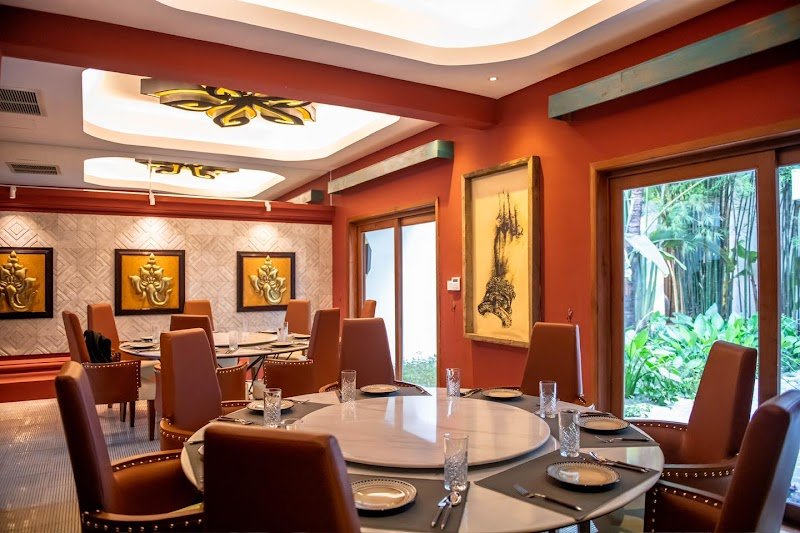
ភោជនីយដ្ឋាន ម្អម MAOM Khmer Cuisine

ភោជនីយដ្ឋាន ម្អម MAOM Khmer Cuisine

4.9 (465 reviews)
Location9VH5+8W4, Krong Siem Reap, Cambodia
Mealea Watbo

Mealea Watbo

4.9 (1.1k reviews)
LocationStreet 26, Krong Siem Reap, Cambodia
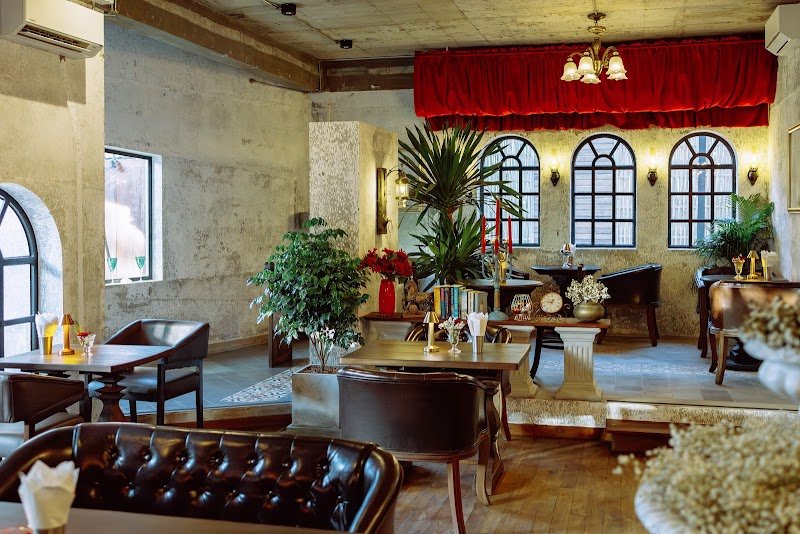
Old Maison Eatery

Old Maison Eatery

4.9 (931 reviews)
LocationWat Damnak, Krong Siem Reap 17204, Cambodia
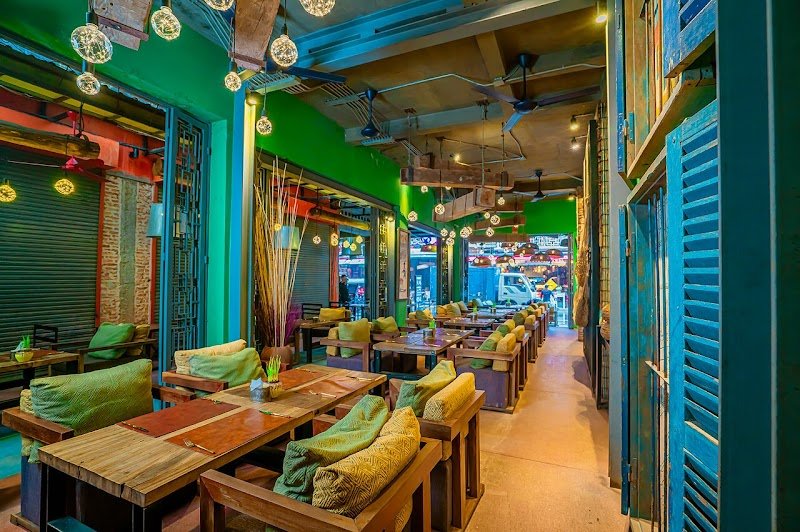
Mesa - Restaurant

Mesa - Restaurant

4.9 (3.3k reviews)
Location9V33+WRF, 17252 Road 2, Krong Siem Reap 17252, Cambodia
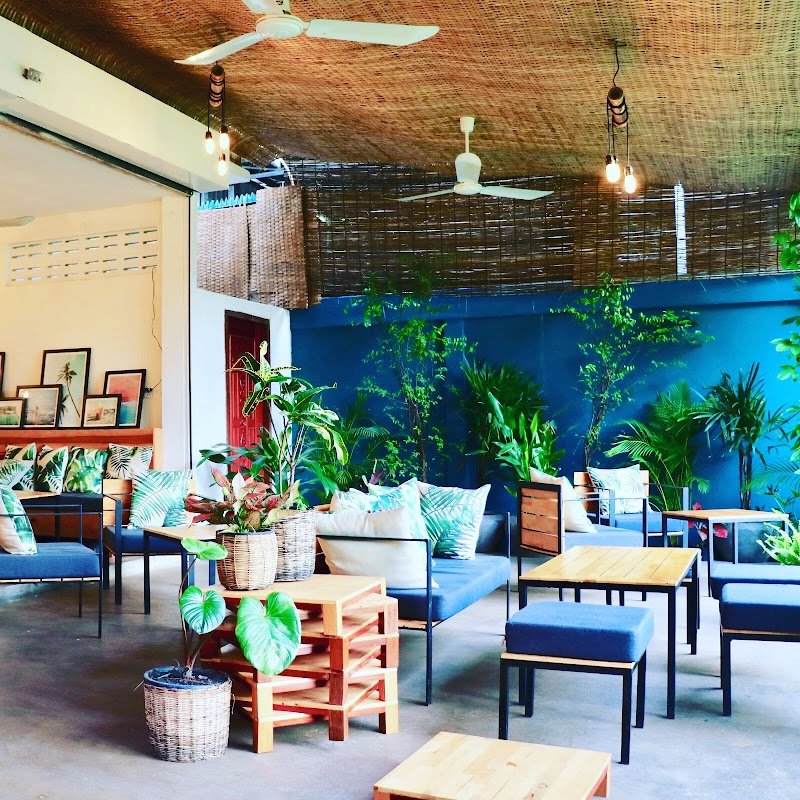
Wild

Wild

4.9 (2.1k reviews)
$$
LocationWat Damnak, Aleah Road, ក្រុងសៀមរាប 17000, Cambodia

Accommodations

The best way to fall in love with Siem Reap is to choose where you stay with care. Downtown? Tranquil side lanes? Each spot shapes what you remember. Behind every Angkor sunrise is a street with noodle carts, or a garden by a saltwater pool. Your choice of neighborhood is more than just a bed—it’s the rhythm of your trip.

Neighborhood Overview

  • Old French Quarter: Wide boulevards and colonial buildings set a stately mood here. Mornings bloom quietly with flowering trees, while evenings bustle around riverside eateries. This neighborhood suits couples and culture lovers looking for style and calm near the action.
  • Pub Street Area: Lively, loud, and bold. Bars, markets, and backpacker hostels crowd every block. If late nights and new friends call your name, settle here. But families or light sleepers beware—it never truly settles until sunrise.
  • Wat Bo Road: A mix of hip cafes and authentic Khmer homes. More peaceful than Pub Street but a quick walk away. Eco-lodges and boutique hotels attract digital nomads and young couples. Good for those wanting both escape and easy access.
  • Charles de Gaulle Boulevard: Closer to Angkor. Resorts line the wide road behind lush hedges, offering tranquility after temple journeys. Big pools, wide lawns, and space for kids to play. Ideal for families or honeymooners seeking upmarket comfort.
  • Local Villages (Salakamreuk, Sla Kram): Down winding lanes, real life unfolds. Homestays, local villas, and a slower pace. Book here for longer stays, close connections, or trips with kids. Budget rooms and home-cooked breakfasts are the norm.

Types of Accommodation

  • Hostels: Mad Monkey and Onederz create friendly backpacker hubs with dorms from $6–12 per night.
  • Boutique Hotels: Shinta Mani Shack, Viroth’s Hotel, and Treeline Urban Resort offer design, pools, and breakfast, from $45–$110 night.
  • Resorts: Sofitel Angkor or Jaya House River Park provide lush gardens, top service, and family villas, upwards from $150 per night.

Insider Tips for Booking

Book accommodation early for high season (December to February). Prices drop by 20–30% in the wet season. Local taxes or service charges (10–15%) may be added. Always check what’s really included—airport transfer, tours, breakfast—before confirming.

My favorite mornings began in Siem Reap with city sounds drifting through window screens. Each neighborhood gifts visitors a different pace. Out among the mango trees or beneath paper lanterns, there’s a sense Siem Reap shares just enough—when you pick the place that fits.