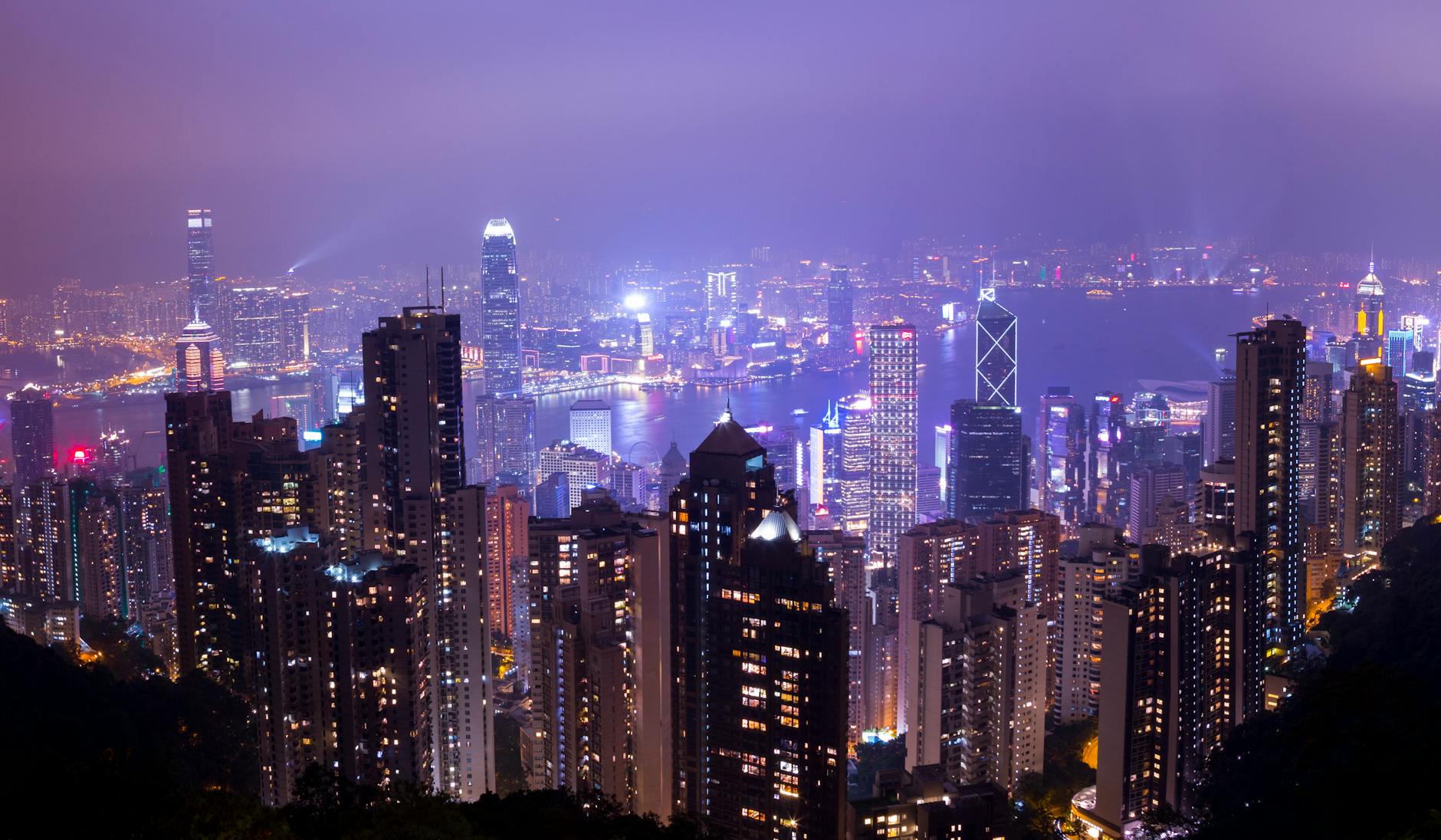
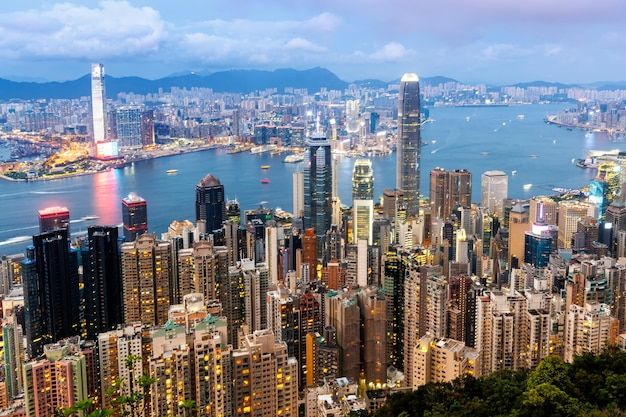
Stunning night view of Hong Kong skyline with illuminated skyscrapers and city lights.
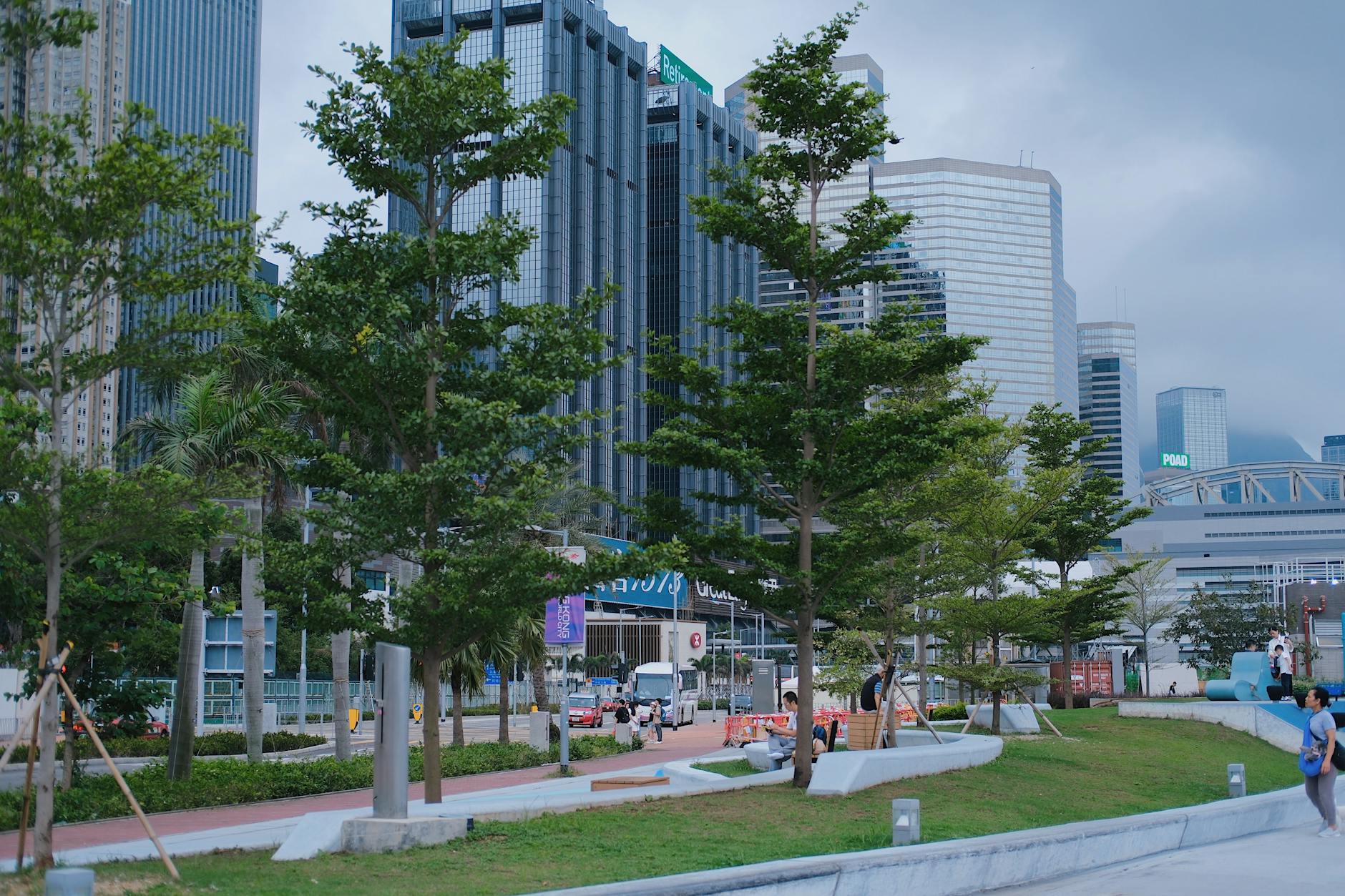
Vibrant Tamar Park with skyscrapers in downtown Hong Kong, featuring lush greenery and urban landscape.
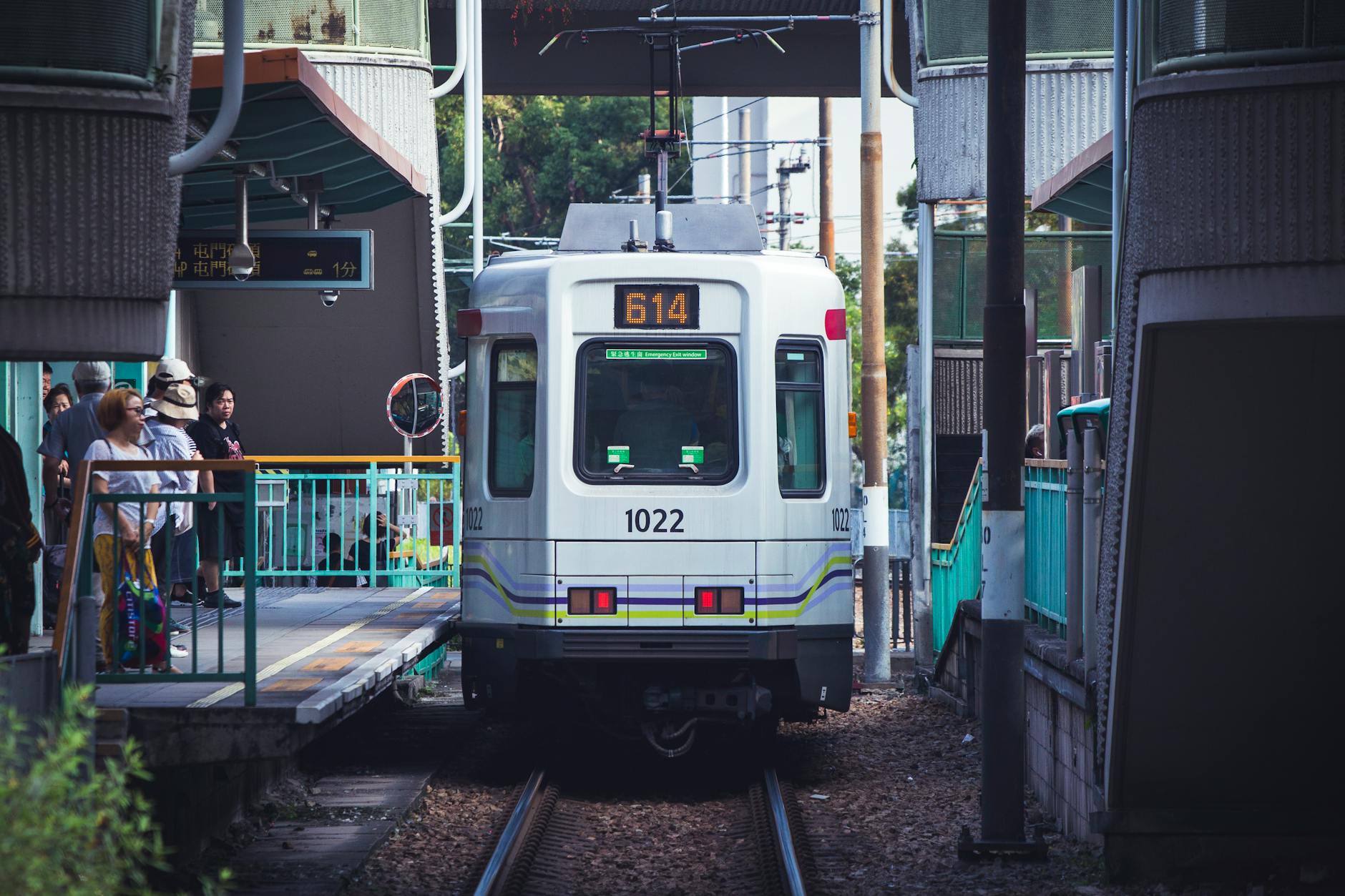
A Hong Kong tram approaches a busy station filled with people outdoors during daytime.
hong kong, china, hongkong, skyline, travel, philosophy, city, hong kong, hong kong, hong kong, hong kong, hong kong, hongkong, hongkong, philosophy, philosophy, philosophy
Hong Kong skyline cityscape with skyscrapers in downtown at twilight in Hong Kong China

Hong Kong

China
Modern AttractionsMarketplace & ShoppingUrban HighlightsIconic LandmarksEntertainment & Leisure
i

Stunning night view of Hong Kong skyline with illuminated skyscrapers and city lights.

Photo by Andrey Grushnikov

Hong Kong hits you like a rush of neon and sea breeze. Ferries skim the harbour, their wakes cutting through skyscraper reflections. In Mong Kok, market stalls bustle with bright fruit and chatter, the air thick with fried dumpling scent. Up on Victoria Peak, the city spreads like a glittering map, islands and towers merging into the haze. Dim sum steamers clatter in crowded tea houses, shrimp dumplings translucent and tender. In Sheung Wan, incense curls through temple doorways, mixing with the brine of dried seafood stalls. Out in the New Territories, hiking trails wind past banyan trees and quiet villages, a world away from Central’s glass and steel. MTR trains hum beneath it all, a heartbeat rhythm that carries you from busy streets to hidden alleys. Yes, the crowds can press tight and summer heat clings—but Hong Kong’s energy lifts you, invites you deeper. It’s a city that rewards the curious, where each corner holds another scene, another story.

Quick Facts

currency
HKD
languages
Chinese, English
airports
Hong Kong International Airport
size
Mega City
power
Type G, Type D, Type M
timezone
UTC+8
safety
Safe
costs
Expensive

General Information

Safety indexHong Kong is generally a very safe city for travelers, with a low violent crime rate. Petty crime like pickpocketing can occur in crowded areas. Protests and demonstrations do sometimes occur; travelers should stay updated and avoid affected areas. Public transportation is safe and reliable.

Best Time to TravelThe best time to visit Hong Kong is from October to early December. During these months, the weather is pleasantly cool, humidity is low, and skies are largely clear, making it ideal for sightseeing and outdoor activities.

Least crowded and still a good time to visitMay and September can be a good alternative for visitors seeking fewer crowds while still enjoying relatively mild weather. These are just before and after the peak typhoon and rainy season, and major attractions are less crowded.

BudgetHong Kong can cater to most budgets. Budget travelers can get by on around US$50–80 per day with hostel accommodations and public transport. Mid-range travelers might spend US$120–200 per day, while luxury travelers could expect to pay upwards of US$250. Meals range from cheap eats at local markets to high-end dining.

Healthcare and VaccinationsHong Kong has excellent healthcare services and modern hospitals. No special vaccinations are required for most travelers, but standard vaccines (MMR, Tdap, flu) should be up to date. Travelers should have travel health insurance as medical care can be expensive for non-residents.

Visa RequirementsVisa requirements for Hong Kong vary by nationality. Many countries, including the US, EU, Australia, and Canada, can enter visa-free for periods ranging from 7 to 180 days. Other nationalities may require a visa in advance. Passport validity of at least 6 months beyond stay is recommended.

Weather in Hong Kong

°C°F
3697
2984
2272
1559
846
Jan
Feb
Mar
Apr
May
Jun
Jul
Aug
Sep
Oct
Nov
Dec
3020100
Avg. min. temperature
Avg. max. temperature
Avg. precipitation days

First-time travelers

Does any city in Asia look as dense and thrilling as Hong Kong from the sky? Neon shoots up, mountains surround, ferries cut through silver waves. The first glimpse always sets hearts racing. Hong Kong’s intensity rewards curious eyes, but the sprawling city can startle first-timers. Let the pulse guide you. Like a Cantonese opera, it shouts and whispers at once.

The Beginning: Overwhelm to Wonder

Land at Chek Lap Kok airport and marvel at the mountains touching the sea. Breathe sharp, salty air outside. Colors stand out—gleaming trams, children’s backpacks, gold-brushed temple gates. Hong Kong is one blinking, kinetic surface stacked with stories. Take Star Ferry from Tsim Sha Tsui to Central before sunrise—the mist, crane silhouettes, and clanging bells all blend into memory.

Flavors and Voices

Everywhere, the city tempts with food. Step inside Lin Heung Tea House: bamboo steamers float past, clinking porcelain and laughter drown out the street. Pro tip: Point and smile if you can’t order in Cantonese. Wander Graham Street Market—dragon fruit, dried scallop, ginger—each stall a lesson in texture and scent.

  • Catch the view from Victoria Peak at dusk—watch the city’s light show unfold.
  • Eat pineapple buns from an old-school bakery like Kam Wah Café.
  • Visit Man Mo Temple on Hollywood Road—burning incense, joss sticks, quiet awe.
  • Hop the Ding Ding tram across Hong Kong Island for just a few Hong Kong dollars.
Hong Kong’s pace can exhaust and excite. Slow down at markets, keep your eyes wide, and the city will reveal its magic—bit by bit. You’ll return someday, and see it all again, differently.

Return travelers

After the essential sites and the first rush, Hong Kong feels more like a pulsing village than a metropolis. Returning, patterns jump out. Rhythm shifts. Instead of racing up Victoria Peak, you listen—the daily ballet of deliveries on Gage Street, the soft shuffle of mahjong tiles behind smoky teahouse doors.

Beneath the Surface: New Depths

Old favorites still anchor the cityscape, yet the real delight lies in unnoticed layers. Hike the Dragon’s Back at dawn, wild jasmine and ocean wind guiding your steps. Browse Wan Chai’s Blue House Cluster—preserved tenements with bamboo scaffolding curling upward, locals chatting in Hakka and Cantonese. At dusk, sneak into The Pawn’s rooftop bar and trade tales with regulars sipping yuzu cocktails.

Textures and Tastes

On a return visit, tastes deepen. Look for wonton noodles at Mak’s Noodle—a recipe unchanged since 1968. Find Shanghai barber shops: faded mirrors, snipping scissors, an old man hums a folk song. Duck into upstairs bookstores like Kubrick in Yau Ma Tei—the smell of new pages, the hum of midnight discussions.

  • Order snake soup at Sham Shui Po’s Shia Wong Hip—warming on cool evenings.
  • Shop for vinyl records at White Noise, hidden above Mong Kok’s bustle.
  • Take the ferry to Peng Chau for artist studios and soft sand.
  • Visit Kowloon Walled City Park—listen for old echoes among the stone paths.
As a return traveler, it’s the small, private moments that linger. Listen close—Hong Kong’s secrets wait for old friends.

Must-see locations

Google Places photo
i

Google Places photo

Photo by Muhammad Rasyah

Hong Kong Disneyland

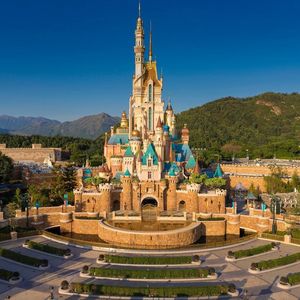
Hong Kong Disneyland blends classic Disney magic with Chinese culture, offering themed lands like Adventureland and Mystic Point, lively parades, dim sum with Disney characters, and views of scenic Lantau Island’s green hills.

Learn More
Google Places photo
i

Google Places photo

Photo by chan red

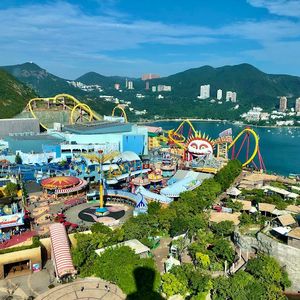
Ocean Park

Ocean Park blends thrilling rides, giant pandas, and sea life exhibits across scenic hillsides and waterfronts. Families enjoy cable cars, Water World, and aqua shows. Local festivals and conservation projects add rich Hong Kong culture.

Learn More
Google Places photo
i

Google Places photo

Photo by Dyah

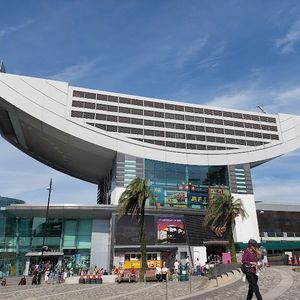
The Peak Tower

Sweeping skyline views wow visitors at The Peak Tower, where glass walls frame Victoria Harbour. Explore interactive exhibits, dine in Sky Terrace 428, and watch the city lights glow above lush Hong Kong Island trails.

Learn More
Google Places photo
i

Google Places photo

Photo by SUHAS Dubey

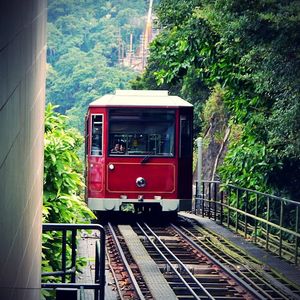
The Peak Tram

Riding the Peak Tram in Hong Kong means gliding steeply past lush hills, colonial architecture, and skyscrapers to Victoria Peak for panoramic city and harbor views. Snap skyline photos. Watch sunset colors shimmer over Central.

Learn More
Google Places photo
i

Google Places photo

Photo by Nikesh Dhar

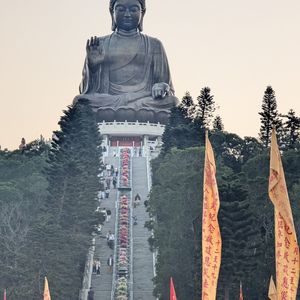
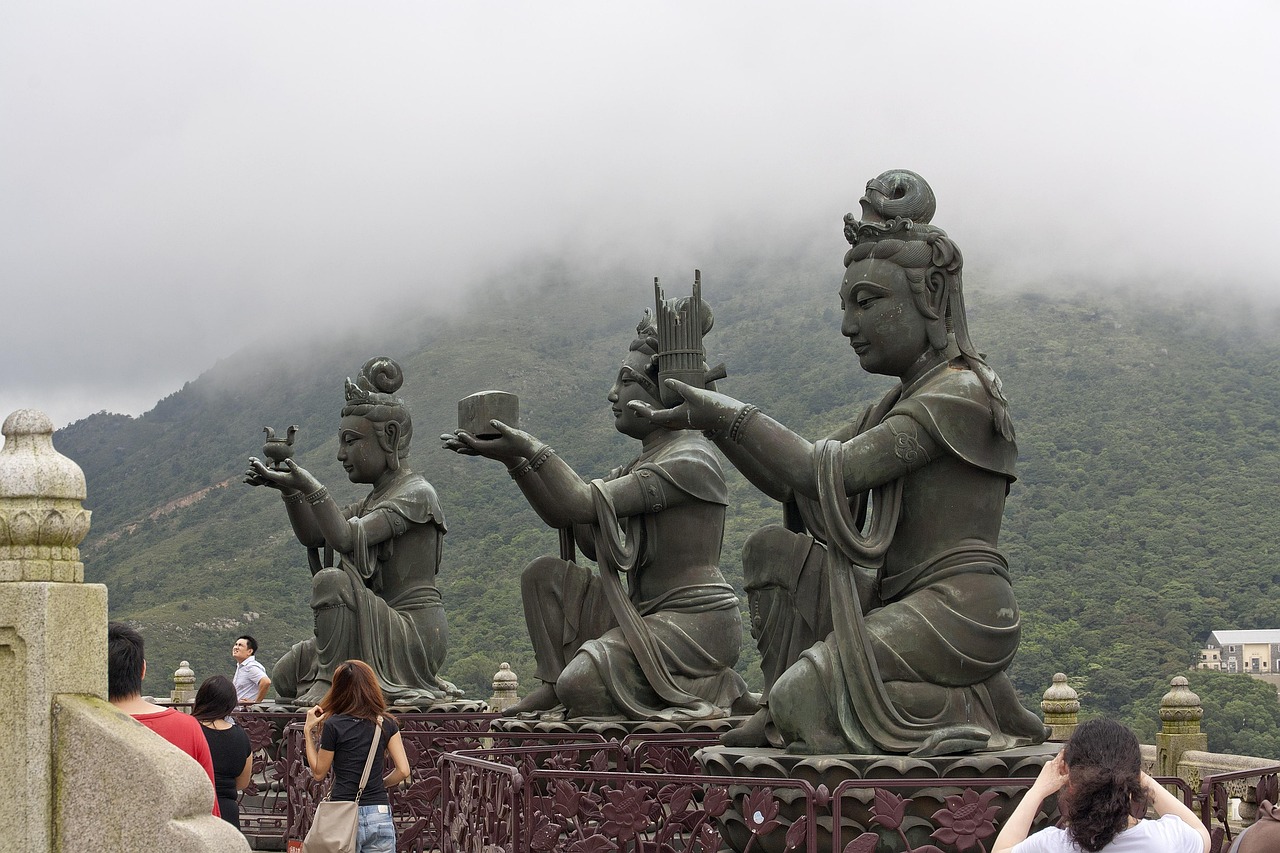
Tian Tan Buddha

Peaceful Po Lin Monastery surrounds the towering Tian Tan Buddha, which draws visitors to climb 268 steps and witness sweeping views of Lantau Island. Incense-filled air, mountain trails, and vegetarian meals deepen the cultural scene.

Learn More

How to get there

By air

Hong Kong International Airport (HKG) is one of Asia’s busiest airports with direct flights from major cities worldwide. It is the most convenient and popular way for international travelers to reach Hong Kong.
Options to get to town:
Taxi
Price:
HK$250–350 to Central
Duration:
30–45 minutes
Where to buy:
Taxi stand at arrivals
Airport bus
Price:
HK$40–65 to central districts
Duration:
45–75 minutes
Where to buy:
Bus terminus at airport arrivals, pay with Octopus card or cash
Train/shuttle
Price:
HK$115 (Airport Express to Hong Kong Station)
Duration:
24 minutes
Where to buy:
Airport Express counter, ticket machine, or with Octopus card

By train

Hong Kong is connected by high-speed train from Mainland China, with regular services from major cities like Guangzhou, Shenzhen, Beijing and Shanghai. Trains arrive at West Kowloon Station, situated conveniently downtown.
Useful websites for train tickets:

By car

It is possible to enter Hong Kong by car from Mainland China through designated border crossings, but you must obtain a Mainland China driving permit and relevant permissions. Vehicles must meet both Hong Kong and Mainland licensing requirements. Daily traffic permits and tolls are required.
Additional charges to be aware of:
Toll / vignette / emission sticker
Cost:
Licensing and tolls (varies by crossing, HK$150–HK$300 for cross-border permits)
How to pay:
Online via Hong Kong Transport Department (https://www.td.gov.hk) or authorized agents
Other driving costs
Cost:
Fuel, parking fees (HK$20–50/h in central areas), insurance
How to pay:
At fuel stations, parking garages, and insurance companies

By ferry

Hong Kong is accessible by regular ferries from Macau and various cities in the Pearl River Delta, such as Shenzhen and Zhuhai. Terminals are located at Hong Kong-Macau Ferry Terminal (Sheung Wan), China Ferry Terminal (Tsim Sha Tsui), and SkyPier at the airport (for transit).
Useful websites for ferry tickets:

How to get around

Public transport

Public transport: Hong Kong boasts an efficient and extensive public transport network, including the MTR (subway), buses, trams, and minibuses. The MTR is known for its speed, cleanliness, and coverage of most areas of interest. Buses and trams are useful for reaching destinations not served by the MTR or enjoying scenic rides, while Octopus cards provide convenient payment on all major services.

Ticket options:
Ticket TypePriceWhere to buy
Single ticketStarting at HK$4.50, varies by distanceMTR stations, bus drivers (cash), tram stops
Day passHK$65 (MTR Tourist Day Pass)MTR customer service centers

Taxis & ridesharing

Taxis & ridesharing: Taxis are plentiful and relatively affordable, color-coded by operating areas (red for urban, green for New Territories, blue for Lantau). Ridesharing is also available, making point-to-point travel convenient, especially late at night or to less accessible neighborhoods.

Service providers:
ProviderPriceHow to book
Local taxiStarting at HK$27, then metered by distance/timeHail on the street, at taxi stands, via local apps
Ridesharing appVaries by demand and distanceUber app

Car rental

Car rental: Renting a car is generally not recommended for central Hong Kong due to traffic congestion and limited parking. However, it can be useful if you plan to explore the New Territories or more rural Lantau Island.

Rental options:
ServicePriceHow to book
Daily rentalFrom HK$500/dayMajor international/car rental firms in city and at airport
Weekly rentalFrom HK$3,000/weekInternational rental counters and online booking

Bike & scooter rental

Bike & scooter rental: Biking is popular in areas like New Territories (e.g., Sha Tin, Tai Wai, Tai Mei Tuk). City center riding can be challenging due to traffic and hills. Scooter and e-scooter rentals are limited and mostly recreational.

Rental options:
ServicePriceHow to book
Bike rentalFrom HK$70/dayShops near cycle tracks in Sha Tin, Tai Wai, or Tai Po
Scooter rentalAvailable in select recreational areas, from HK$100/daySpecialized rental shops near bike paths

Ferry / Boat

Ferry / Boat: Ferries are essential for travel between Hong Kong Island, Kowloon, outlying islands (like Lantau, Cheung Chau, Lamma), and even for scenic harbor crossings. The Star Ferry is a classic, scenic way to cross Victoria Harbour, while other ferry operators connect you to islands and attractions.

Useful websites for ferry tickets:

What to eat

Hong Kong wakes up with the clang of woks and the sweet steam of jasmine tea. Signals of breakfast swirl through the air as chefs lay bamboo baskets on tables and line up roasted ducks behind windows. The city's heartbeat thrums through its food. Here, ancient Cantonese craft collides with the edge of global hustle. Each meal throws you deep into the swirl—crowds, neon backdrops, chopsticks clicking in rhythm. Even after dozens of visits, I still chase one more bowl, one more bite, in this city of edible legends.

Signature Dishes

  • Dim Sum: Steamy baskets of shrimp dumplings, siu mai, and fluffy char siu bao, best shared with locals over morning tea.
  • Roast Goose: Crisp skin, juicy flesh, and a sweet-savory glaze—Kam’s Roast Goose is famous, but even neighborhood joints deliver rich, smoky slices.
  • Wonton Noodles: Thin egg noodles and bouncy shrimp-pork wontons in fragrant broth, often topped with Chinese chives.
  • Egg Tarts: Buttery pastry, smooth custard—Macau’s influence shines through at bakeries like Tai Cheong.
  • Pineapple Bun (Bo Lo Bao): Crunchy sugary top with soft interior, no pineapple, but perfect with a thick slab of cold butter.

Street Food & Markets

Hit Mong Kok’s Fa Yuen Street or Wan Chai’s street stalls for bubbling curry fish balls and peppery squid skewers. Follow your nose—spicy stinky tofu lets you know you’re close. The stalls tumble out from under neon lights, serving egg waffles (gai daan jai) hot off cast-iron presses. At Temple Street Night Market, plump siu mai dumplings and cheung fun (steamed rice rolls) fill hands of hungry night owls. Prices spike at tourist hubs, but tucked alleys reward with flavor and local company. Don’t be shy; point, smile, and eat standing up.

Sweet Treats & Drinks

No day is complete without mango pomelo sago—a creamy, icy soup blending sweet mango with tart pomelo and chewy sago pearls. Hong Kong milk tea blends black tea with evaporated milk for velvety, caffeine-packed comfort, sipped hot or cold. Try a silky tofu pudding (dau fu fa) at dessert shops or egg waffles on a street corner. For a taste of nostalgia, order a lemon iced tea with syrupy preserved lemons at an old-school cha chaan teng.

Why Travelers Eat Here

  • East-meets-West flavors: British and Cantonese traditions blend in every corner bakery and diner.
  • World-class dim sum: Chefs master tiny details, from the crisp of a dumpling to the snap of a noodle.
  • Vivid street food culture: Markets burst with snacks and meals, ready around the clock.
  • Infinite variety: From Michelin stars to steamy dai pai dongs, budget and luxury coexist in each block.

Hong Kong’s food is noisy, joyful, sometimes overwhelming—exactly like its city streets. Each sweet, salty, or fiery bite carries the spirit of restless invention. Here, hunger is rewarded with adventure.

Top Rated Restaurants

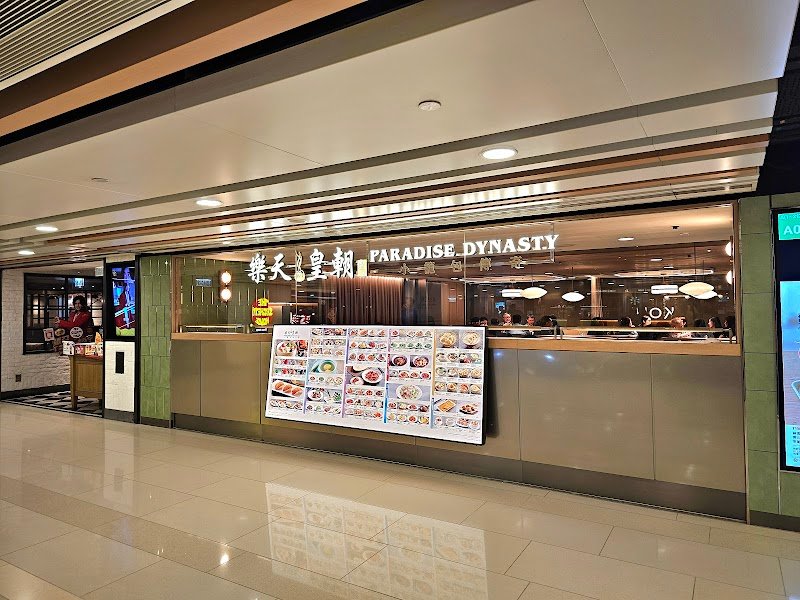
Paradise Dynasty

Paradise Dynasty

4.7 (5.9k reviews)
$$
LocationHong Kong, Mong Kok, Nathan Rd, 625 & 639號Shop no.203 and 205, 2/F
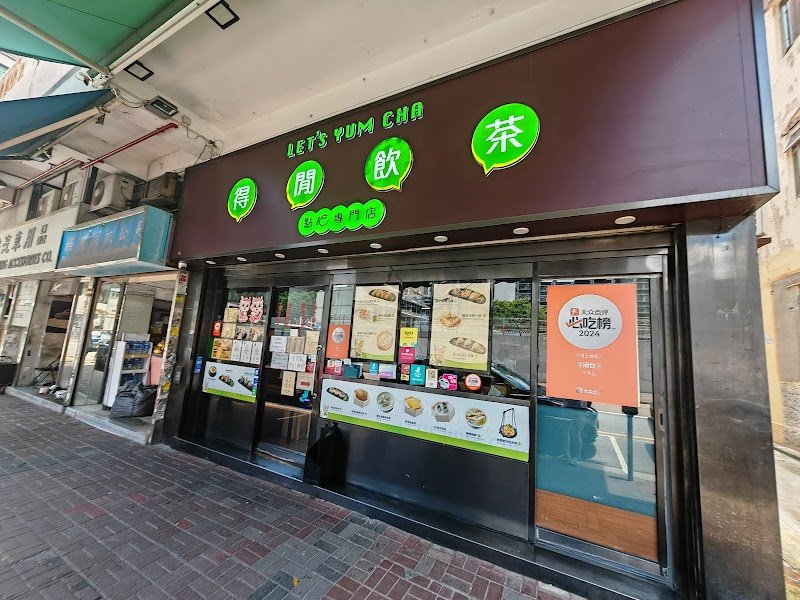
Let's Yum Cha

Let's Yum Cha

4.6 (2.6k reviews)
$$
LocationPlaying Field Rd, Mong Kok, Hong Kong
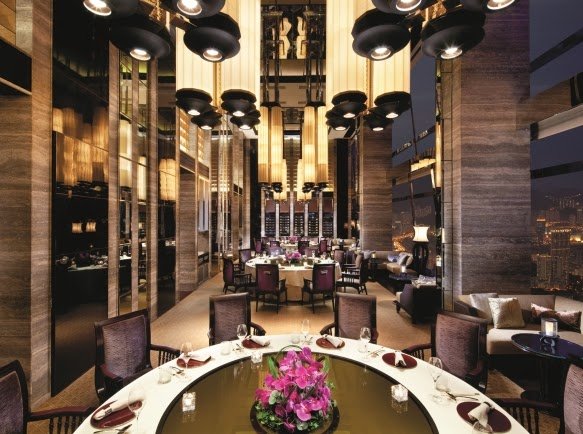
Tin Lung Heen | The Ritz-Carlton, Hong Kong

Tin Lung Heen | The Ritz-Carlton, Hong Kong

4.5 (802 reviews)
$$$$
Location102/F, The Ritz-Carlton, Hong Kong, International Commerce Centre (ICC), 1 Austin Rd W, Tsim Sha Tsui, Hong Kong
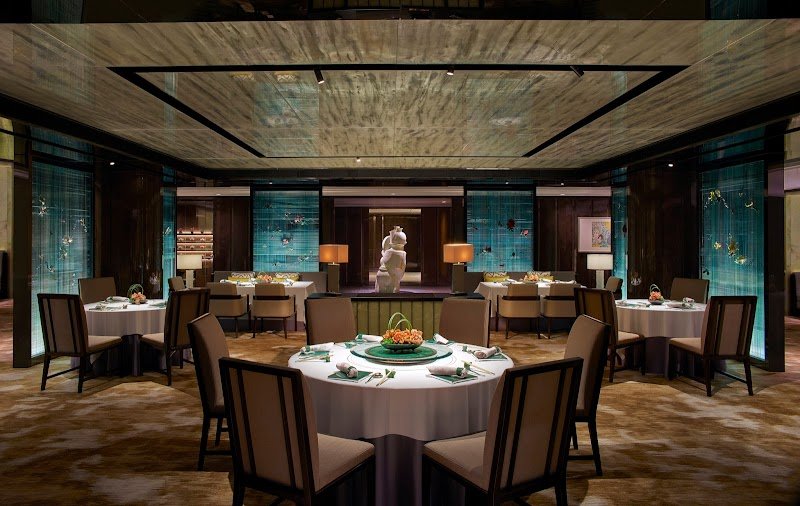
Lai Ching Heen (Yan Toh Heen)

Lai Ching Heen (Yan Toh Heen)

4.5 (656 reviews)
$$$$
Location18 Salisbury Rd, Tsim Sha Tsui, Hong Kong
Mott 32

Mott 32

4.4 (2.1k reviews)
$$$$
Location4-4A Des Voeux Rd Central, Central, Hong Kong

Accommodations

Skyscrapers crowd the sky, neon lights wash concrete in bright color. Choosing where to sleep shapes your Hong Kong experience—because on this dense, vertical island, each area tells a different story. Where you lay your head might put you in the rhythm of street markets, or above the misty harbor. In Hong Kong, selecting your neighborhood can mean slicing days with a distinct flavor—chaotic, peaceful, or somewhere in between.

Neighborhood Overview

  • Central: Polished glass towers rise over colonial streets. Central pulses with finance, luxury shops, and upscale hotels—great for business travelers or couples who want to be close to nightlife. The Mid-Levels escalator snakes through trendy cafes and art-lined alleys. The intensity can tire you if you crave quiet at night.
  • Tsim Sha Tsui (TST): The Kowloon waterfront glows with large malls, museums, and bustling crowds. Star Ferry rides begin here. Iconic hotels, like The Peninsula, face the harbor. The area stays lively—sometimes overwhelming for families with small children, but great for bargain hunters and those wanting city lights.
  • Mong Kok: Stall vendors shout. Signs fight for space. Mong Kok showcases old-school Hong Kong—a high-energy district best for night owls and young travelers. Price ranges vary, from simple guesthouses to quirky boutique hotels. Expect crowds at every hour. So much life, it can almost spill into your room.
  • Wan Chai: A mix of business hotels, live music bars, and wet markets. Wan Chai feels less polished than Central, but also more approachable. Traditional shops stand next to late-night noodles and swanky rooftop bars. Good for solo travelers and those wanting local color with quick MTR access.
  • Lantau Island: Bamboo-fringed beaches and broad hiking trails stretch across Lantau. Disneyland and Ngong Ping village draw families, while resort hotels offer soothing escapes. Expect longer rides into town—this is for those who want Hong Kong’s green, misty edges.

Types of Accommodation

  • Luxury Hotels: Think The Upper House in Admiralty or Rosewood in TST. Rates often climb above HK$3,000 per night. Service and city views impress—but so do the room prices during holidays.
  • Boutique & Mid-range Hotels: The Fleming in Wan Chai, or Ovolo Southside. Stylish and smaller, with prices from HK$900–2,000. Some lack space but bristle with character.
  • Guesthouses & Hostels: Chungking Mansions in TST, or Hop Inn in Mong Kok. These range from HK$200 upward. Expect cozy (sometimes tiny) rooms. Great for budget travelers craving the city’s energy.

Insider Tips for Booking

Book three to six weeks ahead—faster for holidays like Golden Week. Rates spike in October and during major exhibitions. Most prices don’t include Hong Kong’s 10% service tax. Look for free cancellation if typhoons worry you. Want harbor views? Request high floors early—city windows fill fast.

In the stillness of midnight, Kowloon’s glow meets salty harbor air. Street sounds drift far below hotel windows, weaving city energy into late dreams. Whether sand at your doorstep or skyline at your pillow, each neighborhood shapes what you’ll remember—and miss—when Hong Kong’s heartbeat becomes your own.

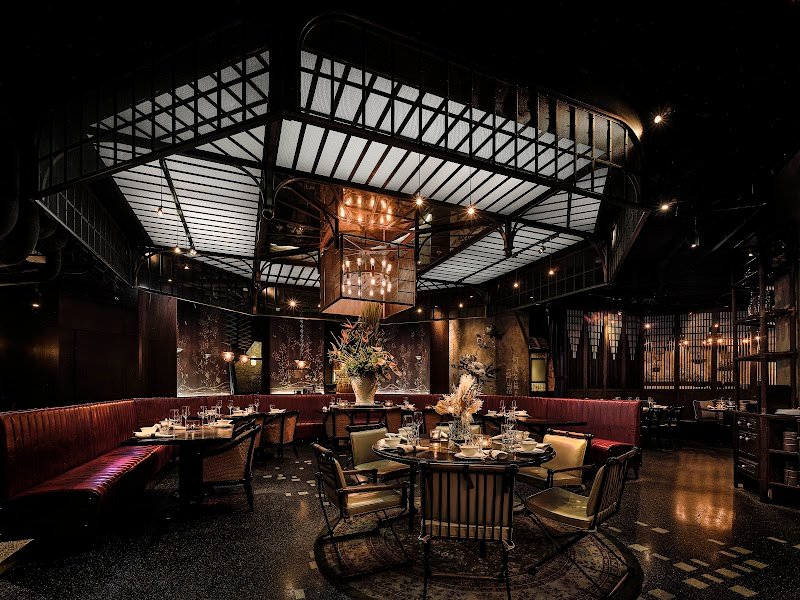
Hong Kong Travel Guide - What to See, Do & Eat