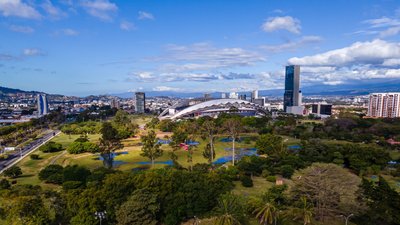
Beautiful view of San José

San José

Costa Rica
Art & ArchitectureEntertainment & LeisureMarketplace & ShoppingUrban HighlightsCultural
i

Beautiful view of San José

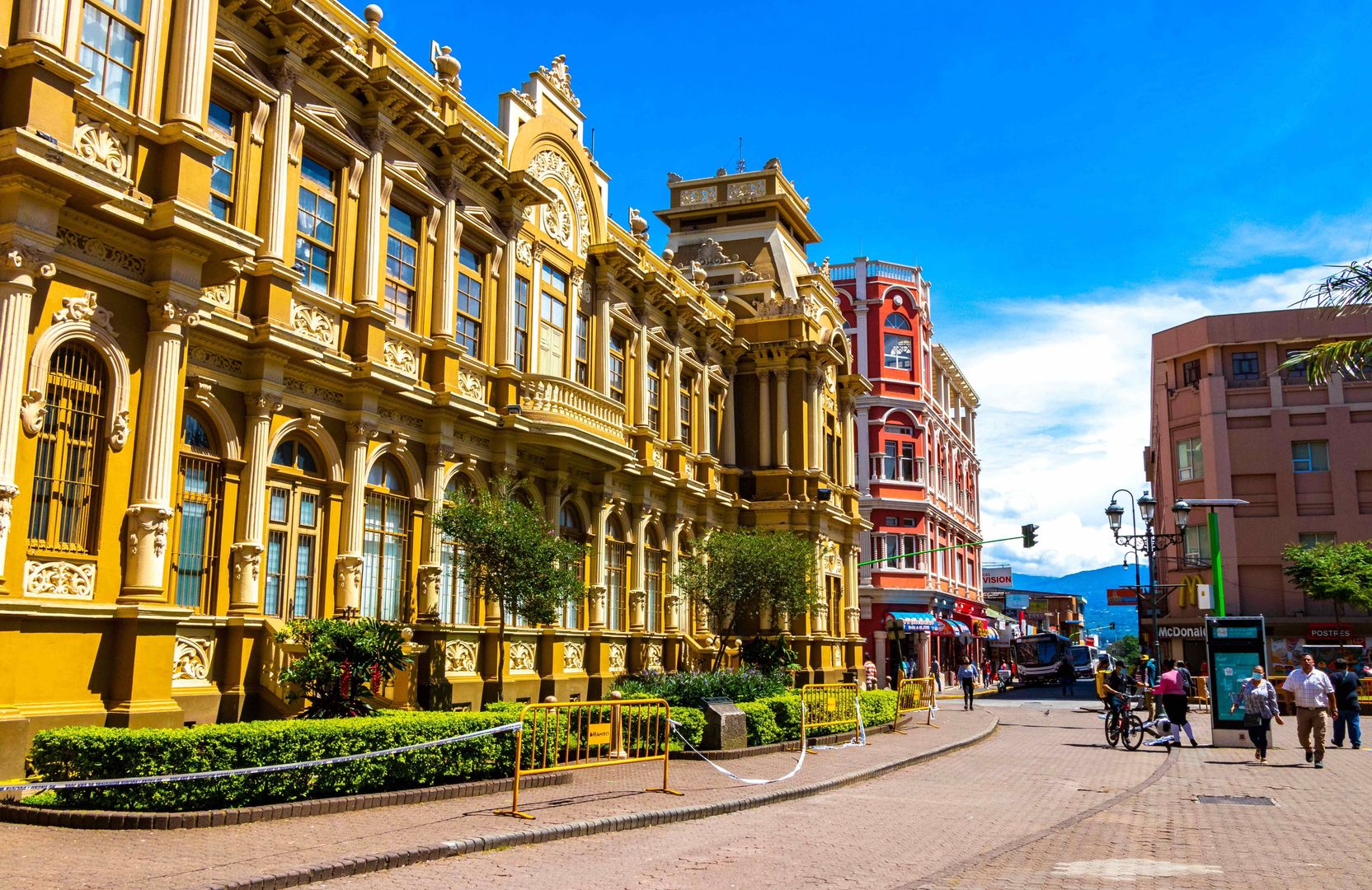
San José wakes up with the smell of fresh coffee and mountain air. The Central Market buzzes early, its stalls piled with mangoes, chayote, and sizzling empanadas. Downtown’s murals splash colour onto concrete, while buskers play guitars by the Teatro Nacional’s ornate facade. In Barrio Amón, colonial houses hide cosy cafés where time slips away over slow brews. Skip the rush-hour gridlock: head to La Sabana’s green expanse, perfect for a midday stroll. At night, Escazú’s hilltop bars offer city lights below and craft beer on tap. San José isn’t love at first sight, but its warmth sneaks up on you—best felt over a shared table and a bowl of hearty casado.

Quick Facts

currency
CRC
languages
Spanish
airports
Juan Santamaría International Airport
size
Large City
power
Type A, Type B
timezone
GMT-6
safety
Moderately safe
costs
Moderate

General Information

Safety indexSan José, Costa Rica generally has a moderate safety index. Petty crime such as pickpocketing and bag snatching can occur, especially in crowded areas, markets, and on public transport. Violent crime exists but is less common in tourist-friendly zones. It's recommended to take usual safety precautions: avoid poorly lit areas at night, don’t flash valuables, and use official taxis. The city is generally safe for tourists who remain vigilant.

Best Time to TravelThe best time to visit San José is during the dry season, from December to April, when the weather is sunny, warm, and ideal for exploring the city and surrounding attractions. This period coincides with Costa Rica’s peak travel time.

Least crowded and still a good time to visitFor fewer crowds but still pleasant weather, consider visiting during the shoulder months of May or November. These months mark the transition between dry and rainy seasons, so you may experience occasional showers, but popular attractions and accommodations are less crowded and often cheaper.

BudgetSan José can suit a range of budgets. Backpackers might spend around $40–$60 USD per day (staying in hostels and using public transportation), while mid-range travelers may budget $80–$120/day for comfortable hotels and meals at nice restaurants. Luxury travelers can easily spend $180+ per day. Street food and local sodas offer excellent, inexpensive meals. Transportation within the city is affordable via buses and registered taxis.

Healthcare and VaccinationsCosta Rica, and particularly San José, has a good reputation for healthcare with modern hospitals and clinics, especially in the capital. Many doctors speak English. It’s recommended to have travel insurance that covers medical expenses. In general, no special vaccinations are required for entry when coming from most countries, but hepatitis A, typhoid, and routine vaccines are recommended. Travelers are advised to bring any personal medications, as not all international brands are available.

Visa RequirementsCitizens of the US, Canada, EU, and most Western countries do not require a visa for tourist stays up to 90 days. A valid passport with at least one blank page and proof of onward travel (such as a return ticket) are required. Other nationalities should check the latest Costa Rican embassy information for specific requirements.

Weather in San José

°C°F
3290
2781
2272
1763
1254
Jan
Feb
Mar
Apr
May
Jun
Jul
Aug
Sep
Oct
Nov
Dec
3020100
Avg. min. temperature
Avg. max. temperature
Avg. precipitation days

First-time travelers

San José unfolds like a tangle of sound and sun. At first, the city appears rough around the edges—vibrant, gritty, and always a little unpredictable. Step off Avenida Central and the world sharpens: clattering buses, street vendors with fruit carts, and the scent of sweet tamales drifting between corners.

Layers Beneath the Surface

Many never stay long in Costa Rica’s capital, racing to the coasts or rainforest. They miss the pulse. In Barrio Amón, old coffee mansions lean over cobbled streets, their stories wrapped in peeling paint. Locals linger in cafes like Café Rojo, where cold brew matches quiet conversation. Order a slice of tres leches. The fork sinks through as rain begins outside—soft and steady on the sidewalks.

A Taste of Everyday Life

The heart of San José beats loudest in Mercado Central. A swirl of color threads through stalls stacked high with chilies, herbs, and cheese. Eat where city workers do—at tiny counters hidden toward the back. Let them pile a steaming plate with casado: beans, rice, fried plantains, and a dollop of picadillo. The flavors arrive earthy and true.

  • Try a coffee tasting at Doka Estate for a jolt of local history.
  • Stroll through Parque España during golden hour—parrots overhead, couples on benches below.
  • Visit the Museo del Oro Precolombino for treasures beneath city streets.

Don’t expect postcard perfection or endless sunshine. Instead, discover San José’s layered character—by wandering, tasting, and listening to a place that grows on you. Its edges soften with each friendly nod or shared meal. And you’ll leave, surprised—already planning a return.
Return travelers

Rain-washed mornings remind me why I keep coming back to San José. On repeat visits, the city shakes off its tourist veneer, revealing new rhythms. There are familiar faces at breakfast, local jokes at the bakery, and side streets that now feel like shortcuts home.

Hidden Corners and Unexpected Calm

Once you’ve done the classics, the charm deepens in overlooked places. Wake up with pan dulce from Arteria Bakery before wandering Barrio Escalante’s urban murals. Watch artists set up in Parque Francia, the colors blooming in tandem with passing traffic. Here, the crowds thin, and conversations linger just a little longer.

Everyday Rituals, San José-Style

Now the little things stand out—like sipping resbaladera, a cool rice and barley drink, at the corner soda while locals discuss soccer. Or tracing the poetic verses engraved in Plaza de la Cultura as music students tune guitars nearby. Dinners stretch on in hidden courtyards, tasting heartier olla de carne beneath hanging lights.

  • Explore La Sabana’s Sunday art market—chat with painters under ancient fig trees.
  • Catch an indie film at Salón Cine Magaly—share popcorn, soak in local cinema.
  • Bargain for vintage books at the weekend Feria Verde in Aranjuez.
  • Try a late-night tamal at Café Miel Garage after a music jam.

Return to San José and discover its slow pleasures. The city becomes a little less foreign, and more like a friend with old secrets and fresh surprises. Every visit reshapes the map—and your memory.

Must-see locations

San José Central Market

San José Central Market

San José Central Market buzzes with colorful fruit stalls, local coffee aromas, and lively soda diners. History lines the aisles, selling spices and crafts since 1880. Sample gallo pinto, talk with vendors, feel the city’s heartbeat.

Learn More
Parque Diversiones

Parque Diversiones

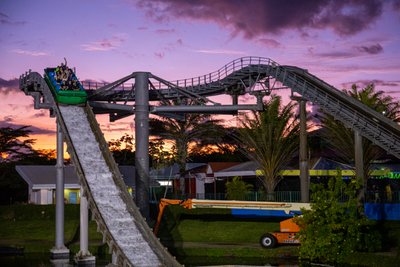
Parque Diversiones in San José bursts with thrilling rides, lush gardens, and family-friendly games. Proceeds support the National Children’s Hospital, blending fun with community care. Splash through water zones. Taste local snacks.

Learn More
Parque Metropolitano La Sabana

Parque Metropolitano La Sabana

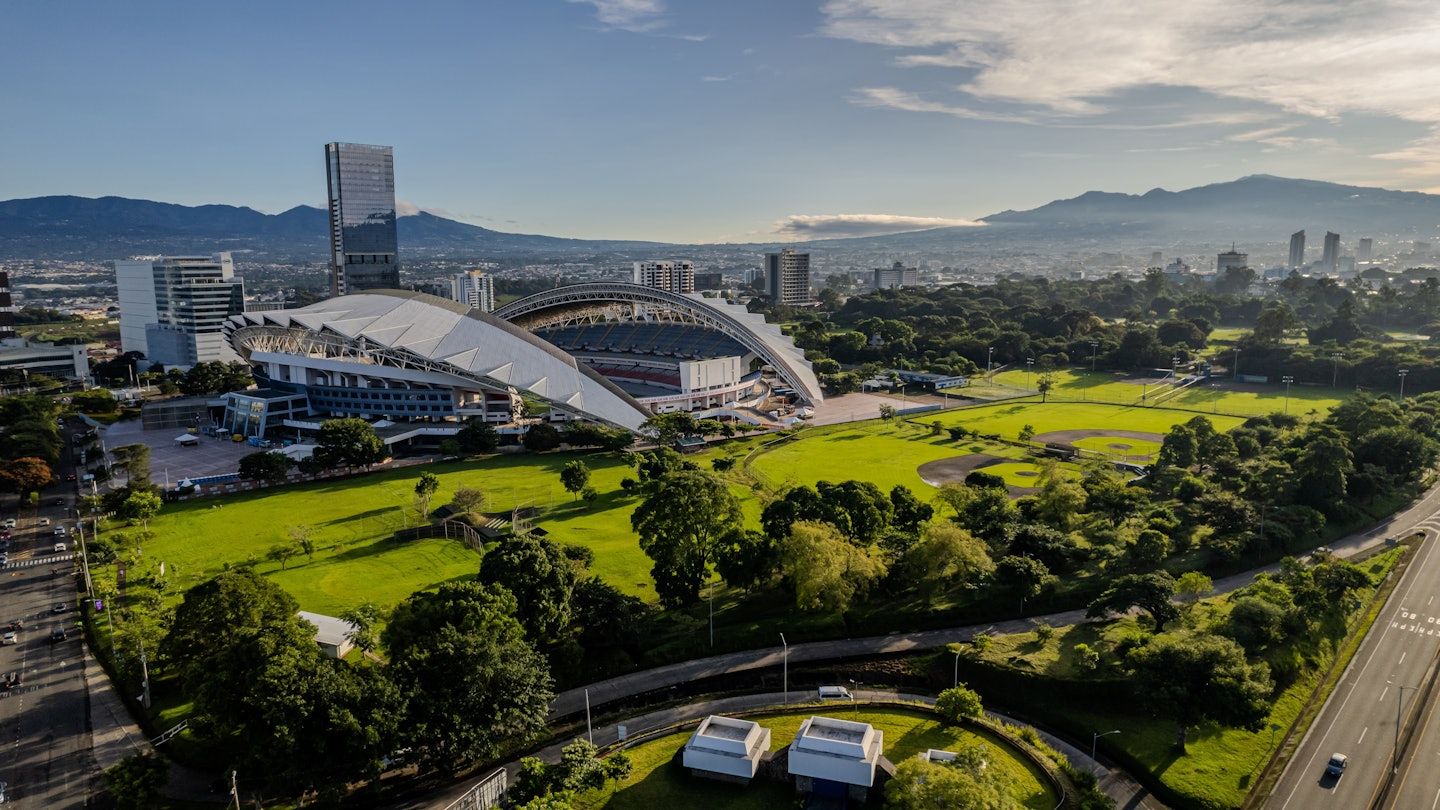
Verdant lawns and tree-lined trails invite joggers and families to explore Parque Metropolitano La Sabana, San José’s urban heart, where open-air art, lakeside picnics, and the Costa Rican Art Museum celebrate local culture.

Learn More
Plaza de la Cultura

Plaza de la Cultura

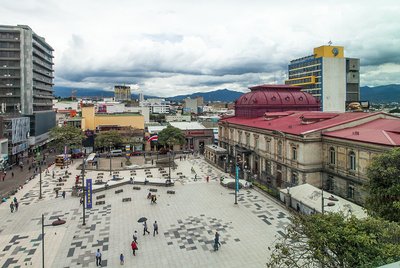
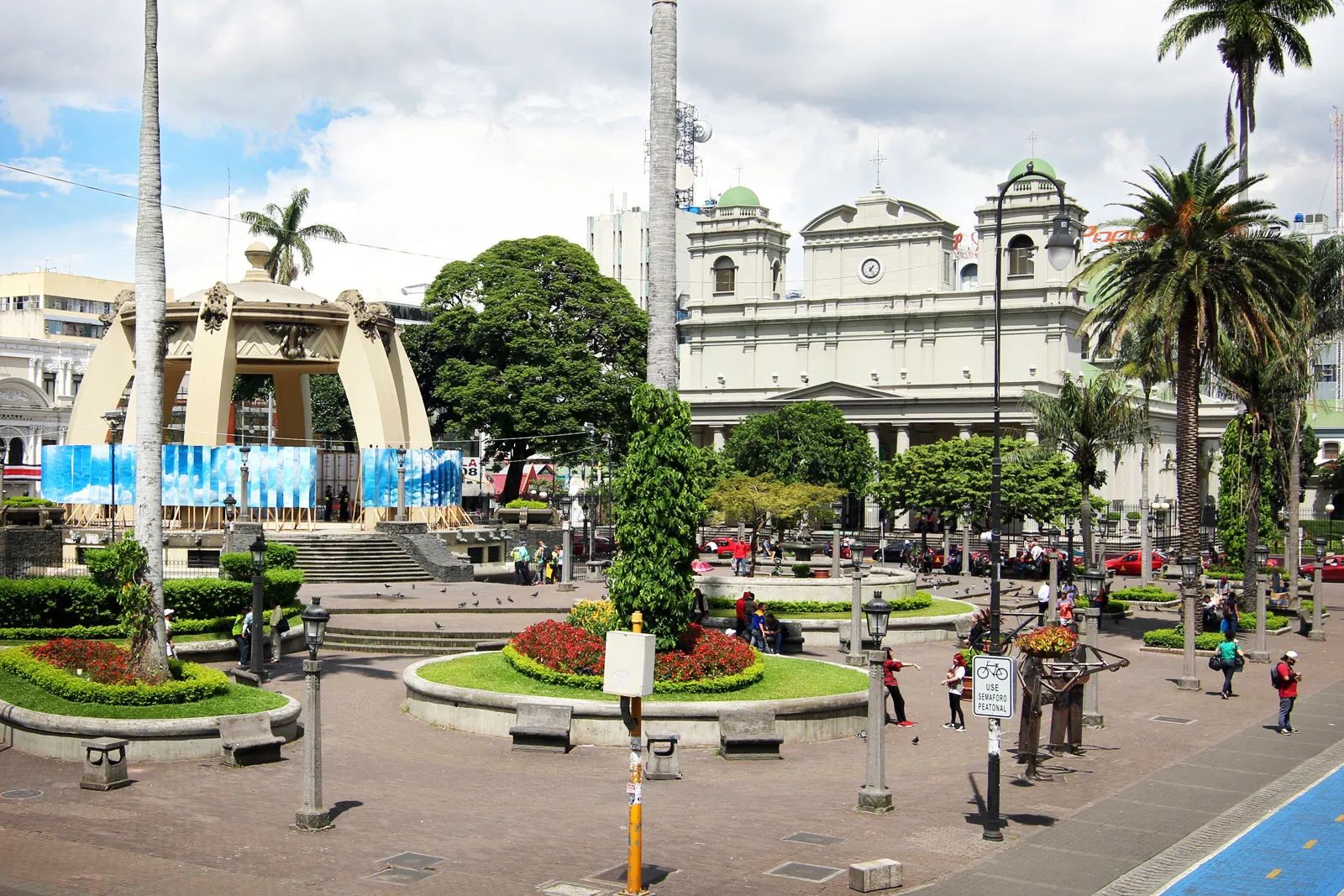
Plaza de la Cultura in downtown San José buzzes with artists, street musicians, and families watching pigeons. Glass panels reveal the underground Pre-Columbian Gold Museum, while Teatro Nacional rises nearby with stunning architectural detail.

Learn More
Parque de la Paz

Parque de la Paz

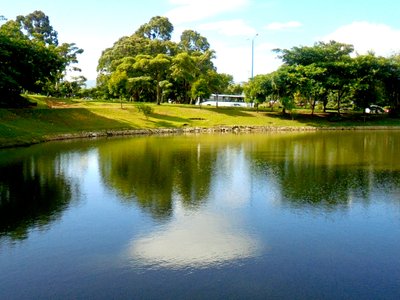
Trees shade winding walking paths in Parque de la Paz, creating space for runners, skaters, and families to gather. Wide lawns and sculptural fountains reflect local culture. Simple joy: birdwatching or picnicking by Sabana Sur’s edge.

Learn More

How to get there

By air

San José is primarily served by Juan Santamaría International Airport (SJO), located about 17 km northwest of downtown. It is the main gateway for international travelers, with direct connections to North, South, and Central America and some European cities. Domestic flights also operate from SJO and the smaller Tobías Bolaños Airport (SYQ), catering mainly to internal tourism.
Options to get to town:
Taxi
Price:
CRC 17,000–24,000 (USD 33–47)
Duration:
25–40 minutes
Where to buy:
Official taxi stand at airport arrivals
Airport bus
Price:
CRC 675 (USD 1.30)
Duration:
40–60 minutes
Where to buy:
Pay with cash to driver at bus stop, just outside arrivals
Train/shuttle
Price:
Hotel shuttles from USD 10–30 per person
Duration:
20–40 minutes
Where to buy:
Book with your hotel or at airport shuttle counters

By train

San José is at the heart of Costa Rica’s limited commuter railway network (INCOFER), connecting nearby cities such as Heredia, Cartago, and Alajuela via suburban trains. There are currently no international or long-distance intercity trains in Costa Rica.
Useful websites for train tickets:

By car

San José is accessible by car via the Pan-American Highway (Route 1), which links it to major cities in Costa Rica and the rest of Central America. Vehicles can be rented at the airport or city. Roads are generally paved, but traffic can be heavy in and around San José, especially during rush hours.
Additional charges to be aware of:
Toll
Cost:
CRC 150–800 (USD 0.30–1.60) per toll
How to pay:
Pay cash at toll booths on highways entering San José
Other driving costs
Cost:
Rental insurance (~USD 10–25/day, mandatory)
How to pay:
Purchase at car rental desk

How to get around

Public transport

Public transport in San José is primarily served by city and intercity buses that connect the downtown area with surrounding neighborhoods and nearby towns. While there is no metro system, buses are affordable and operate on frequent schedules. Stops are well-marked in the city center but routes can be challenging for non-Spanish speakers. It's recommended to keep small change for bus fares.

Ticket options:
Ticket TypePriceWhere to buy
Single ticket¢350-¢500 CRC (approx. $0.70-$1)Pay directly to the driver in cash when boarding
Day passNot commonly availableN/A

Taxis & ridesharing

Taxis & ridesharing are popular for short and convenient trips within San José. Official red taxis are widely available and must use meters ('maría'). Alternatively, ridesharing apps are reliable and often provide fixed upfront pricing.

Service providers:
ProviderPriceHow to book
Local taxiBase fare approx. ¢650 CRC (approx. $1.30), plus distanceFlag down on the street or use phone dispatch
Ridesharing appVaries by distance, generally competitive with taxisThrough popular apps like Uber or DiDi

Car rental

Car rental is a suitable option for exploring areas outside of San José or for day trips. Driving in the city can be hectic due to traffic and one-way streets, but rental agencies offer a wide range of vehicles. Insurance is highly recommended and often required.

Rental options:
ServicePriceHow to book
Daily rentalFrom $30-50 USD per day (plus insurance)At major rental agencies at the airport or city
Weekly rentalFrom $180 USD per week (plus insurance)At major rental agencies at the airport or city

Bike & scooter rental

Bike & scooter rental is available in central San José, ideal for short trips and sightseeing. The city has a limited network of bike lanes but traffic can be busy; use caution, especially during rush hours.

Rental options:
ServicePriceHow to book
Bike rentalFrom $10 USD per dayAt local bike shops or rental kiosks in the city center
Scooter rentalFrom $20 USD per dayAt scooter rental agencies in San José

What to eat

Step outside in San José, and you’ll sense the city’s flavor even before sunrise. The air carries the smell of sizzling tortillas and fresh coffee drifting from tiny cafés. Locals move past you with small plates of gallo pinto, laughing and chatting as a new day begins. In San José, food isn’t just about eating. It’s an invitation to join the lively rhythm of Costa Rican city life—colorful, hearty, honest. Hunger leads you down painted streets toward unexpected pleasures.

Signature Dishes

  • Gallo Pinto: Rice and black beans pan-fried with onions, sweet peppers, and cilantro. It’s the soul of a Tico breakfast, often topped with eggs and a spoonful of Salsa Lizano for tang.
  • Casado: A lunch classic. White rice, black beans, plantains, salad, and your choice of grilled chicken, fish, or beef. Freshly made tortillas soak up every flavor.
  • Olla de Carne: A rich, savory soup brimming with beef, yucca, corn, plantain, and chayote. Simple comfort after a rainy San José afternoon.
  • Ceviche Tico: Chunks of local fish quick-cured in lime juice, tossed with red onions, cilantro, and bell peppers. Served cold—tart, bright, and utterly refreshing.

Street Food & Markets

The sidewalks of Barrio Escalante and Central Avenue bustle with street food vendors. Hot pupusas, stuffed with beans and cheese, singe the fingers but taste utterly right. Try the crunchy chicharrón from a metal cart, dusted with salt and lime. Hunt for sweet fried plantain at the Mercado Central or Mercado Borbón—both stuffed with stalls. Between fruit stands, you’ll see cooks slapping tortillas for impromptu tacos. Skip the touristy spots near Plaza de la Cultura in favor of hole-in-the-wall soda restaurants. Missing the markets means missing the city’s beating heart.

Sweet Treats & Drinks

Afternoons beg for flaky empanadas de chiverre: pastries filled with sweet squash paste and dusted with sugar. Fresh tropical fruits splash color on every street corner, often in icy refrescos naturales—pineapple, mango, or passionfruit blended smooth. For caffeine lovers, a mug of locally roasted coffee is non-negotiable. Rich and chocolatey, best sipped slowly in a noisy café. If you’re feeling bold, the traditional aguadulce—warm sugarcane drink—offers a toasty finish.

Why Travelers Eat Here

  • Unfussy, fresh flavors: San José food celebrates simple ingredients at their brightest.
  • Legendary markets: Mercado Central’s food stalls are an everyday party of scents and chatter.
  • Welcoming sodas: Family-run diners serve up true home recipes, always with warmth.
  • Coffee culture: The city’s independent cafés pour world-class beans, roasted and brewed on-site.

San José’s food scene is unpolished, joyful, and real. Here, every bite welcomes you—offering a taste of the city’s big, beating heart.

Top Rated Restaurants

Café Rojo

Café Rojo

4.8 (1.8k reviews)
$$
LocationAv. 7, San José, Amón, 10101, Costa Rica
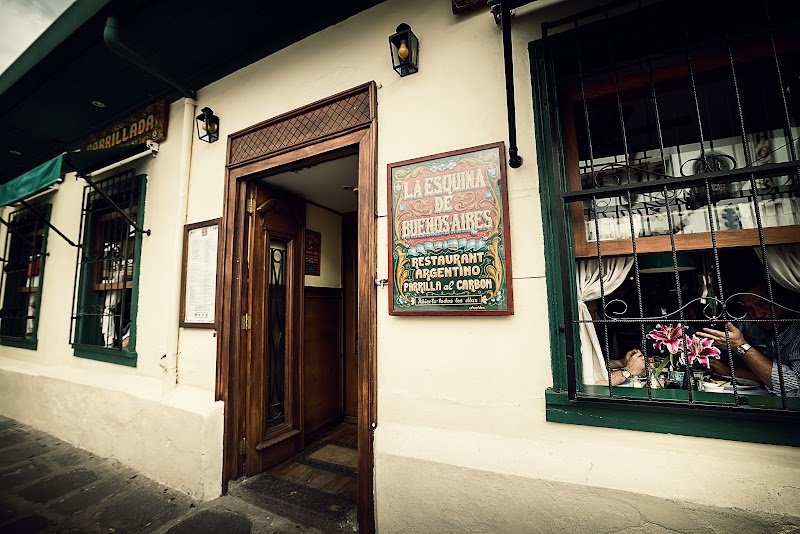
La Esquina de Buenos Aires

La Esquina de Buenos Aires

4.7 (3.9k reviews)
$$$
LocationCalle 11, Avenida 4, Detrás De La Iglesia La Soledad, Frente Al Hotel Colonial O Doña Inés, San José, Soledad, Costa Rica
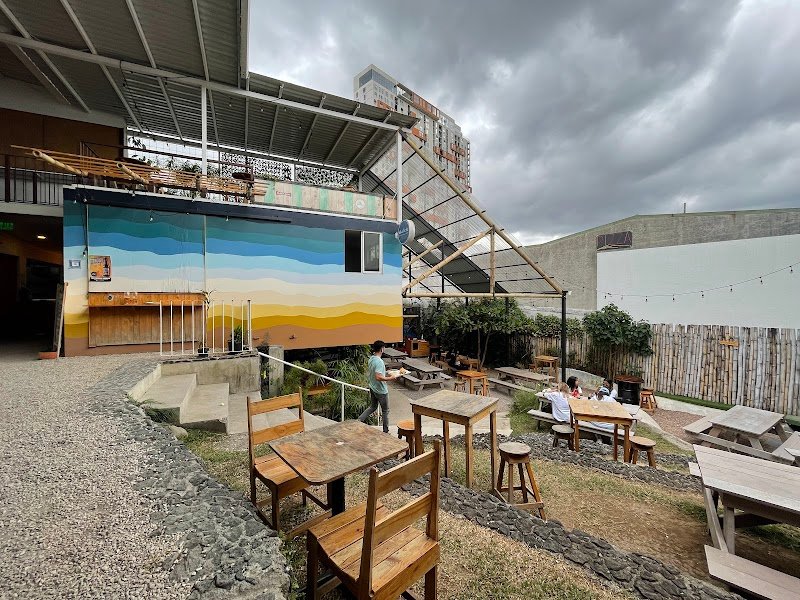
DOMA ESCALANTE

DOMA ESCALANTE

4.7 (461 reviews)
Location#1146 Esquina Suroeste rotonda El Farolito, San José, Barrio Escalante, 10101, Costa Rica
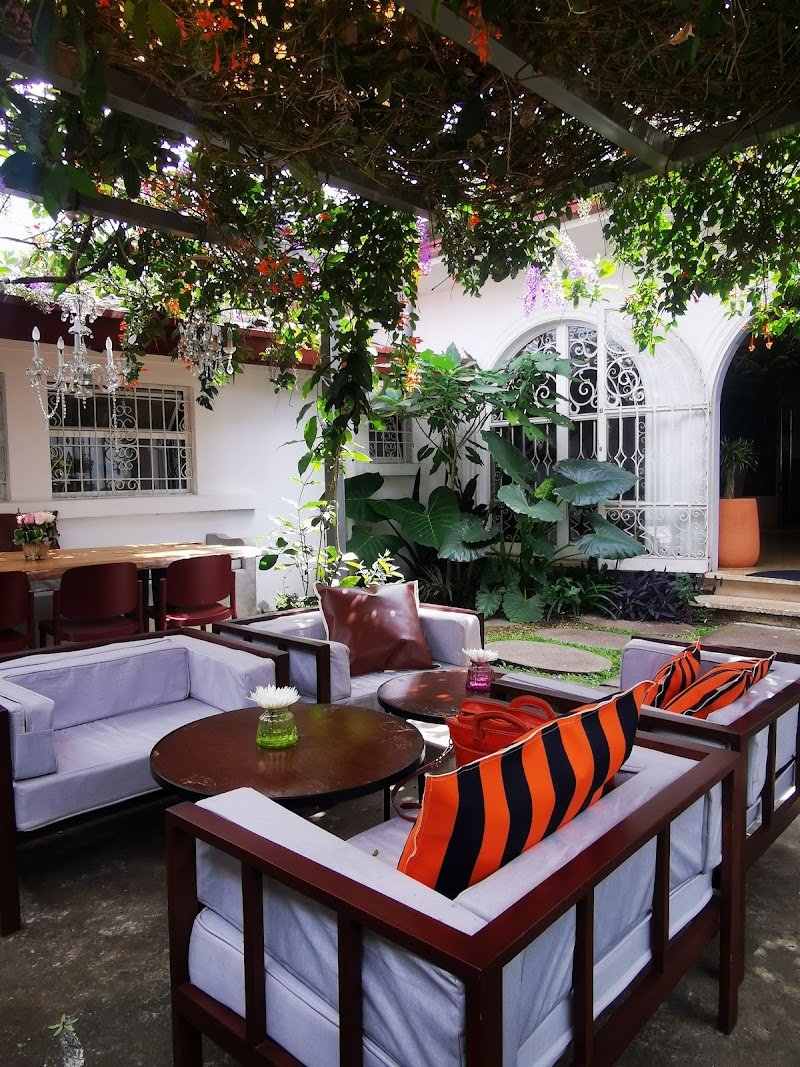
Jardín de Lolita

Jardín de Lolita

4.6 (2.9k reviews)
$$
Location50 m Este del costado Sur de la Antigua Aduana, San José, Barrrio Escalante, La California, 10101, Costa Rica
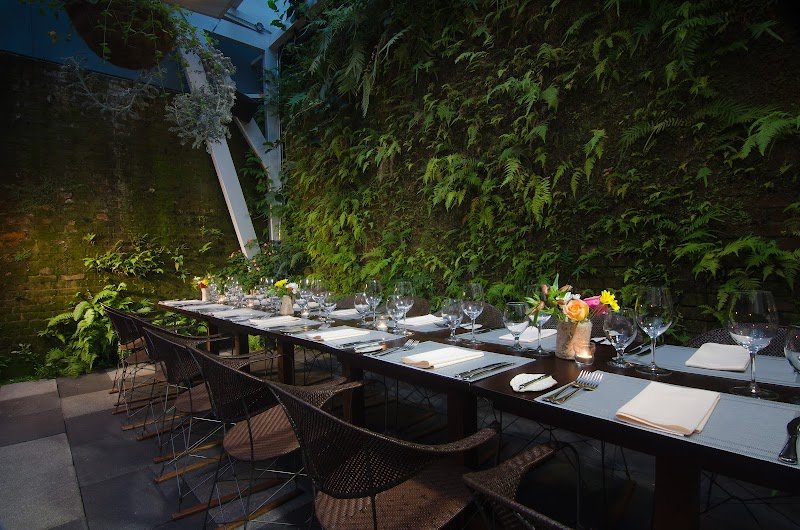
Restaurante Silvestre

Restaurante Silvestre

4.6 (1.1k reviews)
$$$
LocationAv. 11 955, San José, Amón, 10101, Costa Rica

Accommodations

San José is a city of extremes—a swirl of color, noise, and hidden calm. First-timers often land thinking they will dash off to the coast. But linger here, and you see: picking the right neighborhood shapes your whole experience. From sleek business hotels to artsy hostels, the smartest travelers spend more time choosing where to stay than on sightseeing lists.

Neighborhood Overview

  • Barrio Escalante: The heartbeat of San José’s food scene. Young locals fill cafes and craft breweries after dark. Urban murals set the tone. Some boutique hotels and guesthouses offer walkable access to everywhere. Best for couples and friends who want to taste the city’s creativity.
  • Barrio Amón: Tree-lined streets and vintage mansions turned into hostels, boutique inns, and art hubs. Galleries line up next to coffee shops. The area feels historic yet energetic. Night owls and artists will feel at home here, but solo travelers may want to watch their step late at night.
  • Sabana: Next to La Sabana Park, this area is greener and quieter. Family-run hotels and mid-range chains sit near the country’s biggest park. Fast highway access suits business travelers and families who want space for kids to run. The area can feel sleepy after dusk.
  • San Pedro: Student central, home to the University of Costa Rica. Expect affordable guesthouses, dorms, and global food stalls. Vans zip university students all over the city at all hours. Ideal for young travelers, budget-seekers, and those wanting quick trips east to the mountains.
  • Downtown (El Centro): Bustling by day but busy and loud. Old markets, basic hotels, history museums, and Teatro Nacional. Stays here are usually cheaper, but streets empty quickly at night. Best for budget travelers or those on a short stopover.

Types of Accommodation

  • Boutique Hotels: Places like Hotel Presidente or Grano de Oro bring local art and rooftop bars. Prices range from $90–$180 nightly.
  • Hostels: Selina San José or TripOn Open House attract backpackers and digital nomads. Dorms start at $15, private rooms around $40.
  • Apartment Rentals: Neighborhood condos or family homes (think Barrio Escalante or Sabana). $40–$120 nightly, with weekly discounts. Great for self-catering or longer stays.

Insider Tips for Booking

High season (December–April) means pricier rates and quick sellouts—book at least a month ahead. National holidays spike demand in all price ranges. Always double-check for added 13% tax in your final price. Big events—soccer games, art festivals—fill up Sabana and central hotels fast.

By dusk, San José reveals quiet hammocks on guesthouse patios. Streetlights flicker over tiled rooftops, and music drifts all night. Every corner holds a new possibility—if you choose to sleep close to the city’s unique pulse.