Punta Cana
dominican republic, punta-cana, shore, nature, beach, sea, coconut, caribbean, ocean, bavaro, sand, tropics, heavenly
4K Photograph Capture Dominican Republics coastal island beach

Punta Cana

Dominican Republic
Natural WondersEntertainment & LeisureMarketplace & Shopping
i

Punta Cana

Photo by N V

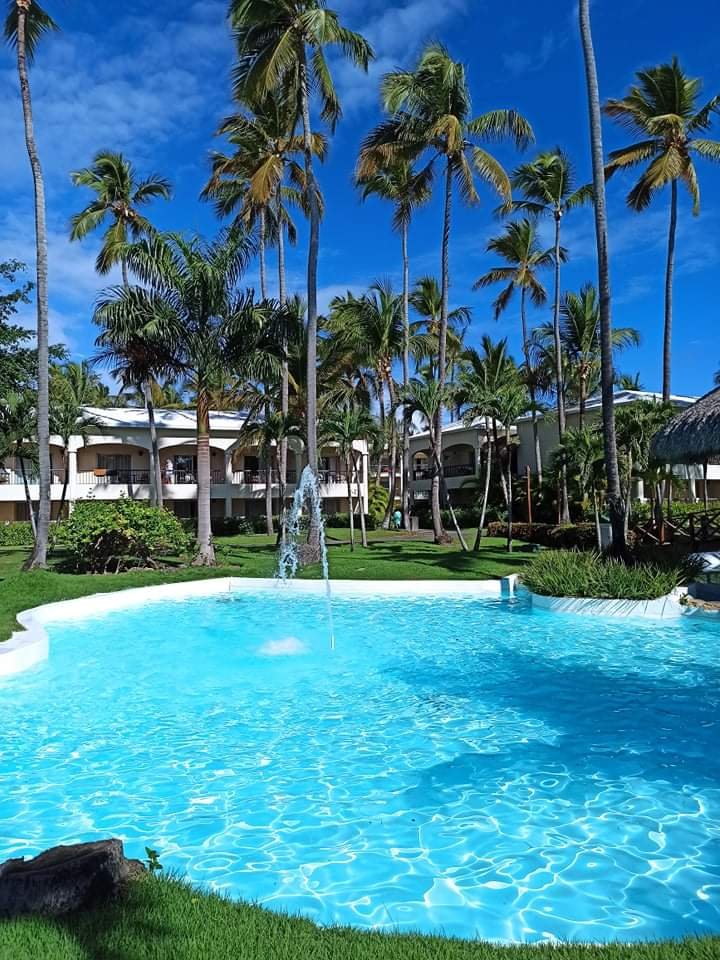
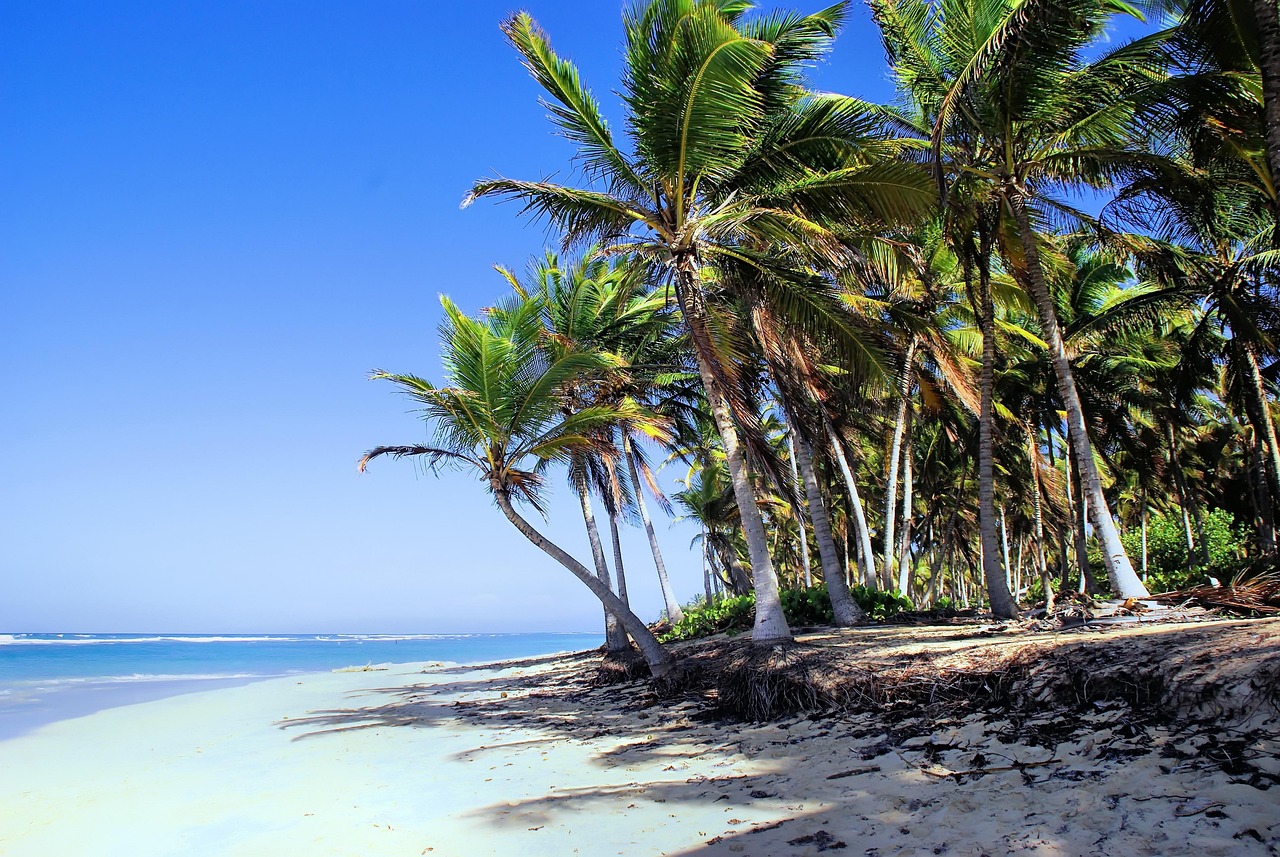
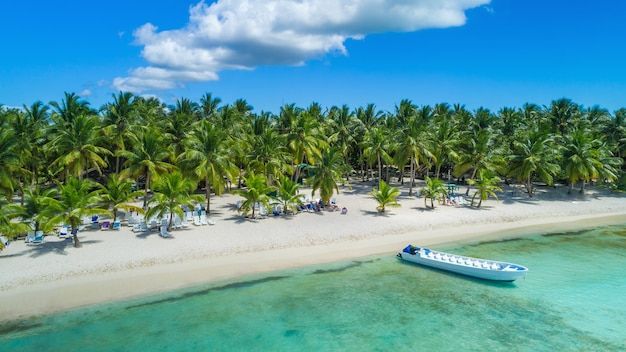
Warm salt air hits you as soon as you step off the plane in Punta Cana. Palms sway against a backdrop of turquoise water, so vivid it looks unreal. Bavaro Beach stretches in a lazy curve, perfect for morning swims or dozing under a straw umbrella. Jet skis buzz beyond the breakers, while farther out, catamarans glide past snorkel spots teeming with neon fish. Swap the resort buffet for a roadside shack in El Cortecito, where grilled lobster comes slathered in garlic butter, washed down with icy Presidente beer. At sunset, head to Macao Beach—wild and nearly empty, with waves made for surfing and a horizon that melts into shades of orange and pink. Nights bring merengue music from open-air bars, the rhythm irresistible even to tired legs. The resort zone can feel polished to a fault, but wander a bit and you’ll find the Dominican Republic’s warmth: barefoot kids playing baseball in sandy lots, old men slapping dominoes beneath palm-thatched roofs, the candid smile of a vendor slicing fresh mango. Punta Cana’s magic lies in these contrasts—postcard-perfect one moment, disarmingly real the next.

Quick Facts

currency
DOP
languages
Spanish
airports
Punta Cana International Airport
size
Medium City
power
Type A, Type B
timezone
Atlantic Standard Time (AST) UTC-4
safety
Safe
costs
Moderate

General Information

Safety indexPunta Cana is generally considered a safe destination for tourists, with a safety index around 60-65 out of 100. Petty crime such as pickpocketing and bag snatching can occur, especially in crowded or tourist-heavy areas, but violent crimes against tourists are rare. It's advisable to remain cautious, avoid isolated areas at night, use hotel safes for valuables, and follow local advice.

Best Time to TravelThe best time to visit Punta Cana is from December to April. During these months, the weather is warm, sunny, and mostly dry, making it perfect for beach activities and water sports. This is also the peak tourist season, so hotel rates and flight prices are higher.

Least crowded and still a good time to visitA good time to visit Punta Cana when it's less crowded yet still enjoying pleasant weather is from May to June or in November. These shoulder months offer comfortable temperatures, fewer tourists, and better deals on accommodation and activities. There's a slight chance of rain, but major storms are rare during these times.

BudgetPunta Cana caters to a wide range of budgets. For budget travelers, expect to spend approximately $60-100 USD per day (including meals, budget accommodation, and local transport). Mid-range travelers typically spend $150-250 USD per day. All-inclusive resorts can range from $200 to $400+ USD per night. Excursions and activities (such as snorkeling, tours, or golf) cost extra.

Healthcare and VaccinationsHealthcare facilities in Punta Cana are adequate, especially in tourist zones, with several international clinics and private hospitals available. It is advisable to have travel health insurance covering medical expenses and possible evacuation. Vaccinations recommended for most travelers include hepatitis A and B, typhoid, and routine vaccines (MMR, Tdap, influenza). There is no risk of yellow fever, and malaria is very low risk in this region.

Visa RequirementsCitizens of the US, Canada, EU countries, the UK, and many other nations do not require a visa for stays of up to 30 days. However, a tourist card fee (generally included in airfare) applies. Passports must be valid for the duration of the stay. Check with the nearest Dominican Republic consulate or official government website for the latest requirements, as rules may change.

Weather in Punta Cana

°C°F
3799
3289
2780
2170
1661
Jan
Feb
Mar
Apr
May
Jun
Jul
Aug
Sep
Oct
Nov
Dec
3020100
Avg. min. temperature
Avg. max. temperature
Avg. precipitation days

First-time travelers

Trade your daily routine for endless blue. Arrive in Punta Cana and the sky stretches wide, meeting water so clear it almost disappears. Your first steps on Bavaro Beach are soft, the sand fine as sugar. Palms sway, coquinas whisper underfoot, while Dominican rhythms float from distant speakers. Everything—heat, color, sound—amplified. For the first-time visitor, Punta Cana jars the senses in the gentlest way.

Find Your Pace on the Coast

Most travelers rush to splash around Playa Macao or the resort pools. Pause. Walk the early morning shore instead. Watch local fishers tug small boats through the surf, pelicans darting for breakfast. A short ride inland, the village of Verón stirs awake—pastel homes stand bright against the dust. There, street stands grill smoky pollo guisado. The aroma—spiced chicken, rice, beans. Bite into a greasy pastelito. Sour orange juice sweetens the edges.

Moments Beyond the Brochure

Yes, Punta Cana is resorts and breezes. But it’s also laughter over dominoes in a corner shop. A slow, friendly nod from an elder on a porch. The taste of strong, earthy café Santo Domingo sipped at a quiet colmado. Visit the lively Mercado Municipal in Higüey, only thirty minutes away. Its aisles brim with tropical fruit—mangoes, passionfruit—the air sticky with their scent. Vendors call out deals in rapid Spanish; join in as best you can.

  • Take a guagua bus instead of a taxi for a slice of daily life.
  • Order mofongo at La Casita de Yeya in Bavaro—crisp, garlicky, unforgettable.
  • Buy a bottle of mamajuana from a roadside vendor—sip carefully.
  • Try a few words of Spanish; smiles will come fast and easy.

Punta Cana welcomes newcomers with arms wide, urging curiosity. Seek details, join the rhythm. The Atlantic breeze will carry you home changed.
Return travelers

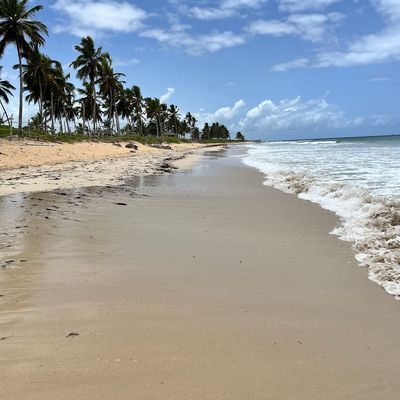
The first postcard view—turquoise waves and endless sun—fades into something deeper after a few visits. Punta Cana for the return traveler shifts; layers appear, familiar yet new. Days slow; favorite corners reveal themselves. The coastline’s secrets, once hidden, now shared as if by old friends.

Beyond the Beaches

This is the time to wander far from the all-inclusive comfort. Head to the fishing town of Cabeza de Toro before sunrise. Witness the silver haul of morning catch, fishermen bantering over glistening snapper. Order pescado con coco at a beach shack—fresh, rich, and tinged with the sea’s salt.

Drive the back road south to Los Haitises National Park’s dock in Sabana de la Mar. A boat whisks you past wild mangroves and limestone towers. Herons stalk, mud crabs scuttle—nature unmanicured and lush. Savor the breeze, the untamed beauty most visitors miss.

Culture and Conversation

Walk the buzzing streets of Higüey again, this time detouring to the Basilica Catedral Nuestra Señora de la Altagracia. Watch the faithful light candles, each flame telling its own story. In the evening, seek live bachata at Drink Point Punta Cana; locals swirl, laughter rising with the liquid heat of rum. Share a Presidente beer, swap tales in easy Spanish.

  • Sample fresh dulce de coco from a roadside stall en route to Miches.
  • Visit the small cigar shops in El Cortecito for hand-rolling demos.
  • Book a comedor meal—goat stew, red beans, plantain—west of Friusa, away from tourist menus.

Punta Cana deepens on repeat visits. For all its postcard gloss, the real heart beats in a backstreet chat, a dawn beach, a weathered hand rolling tobacco. Come back. Each trip, something new unfolds.

Must-see locations

Playa Macao

Golden sands line Playa Macao, where turquoise waves draw surfers year-round. Beachfront kiosks grill fresh fish. Lush palm groves ring the coast, while local vendors in nearby Higüey share island crafts among vibrant marketplaces.

Learn More
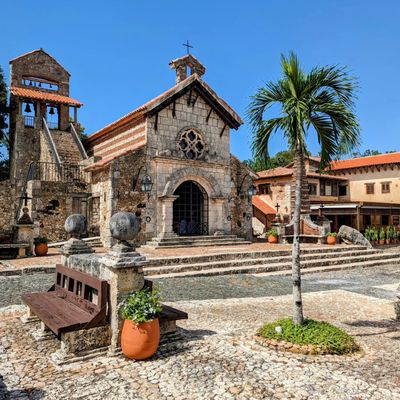
Altos de Chavón
i

Altos de Chavón

Photo by Rafa Cortes

Altos de Chavón

Altos de Chavón blends Mediterranean-style stone plazas with views of the Chavón River. Stroll artisan shops, see concerts in the open-air amphitheater, and tour the Regional Museum of Archaeology—history meets art along cobblestone paths.

Learn More
Google Places photo
i

Google Places photo

Photo by Downtown Punta Cana

Downtown Punta Cana

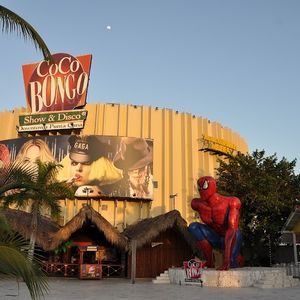
Downtown Punta Cana blends lively shopping, local art galleries, and Melasa Park’s green space with colorful Caribbean dining. Upbeat music spills from Coco Bongo. Murals celebrate Dominican culture while nearby beaches offer crystal-clear water.

Learn More
Dolphin Explorer
i

Dolphin Explorer

Photo by Jaime Garcia

Dolphin Explorer

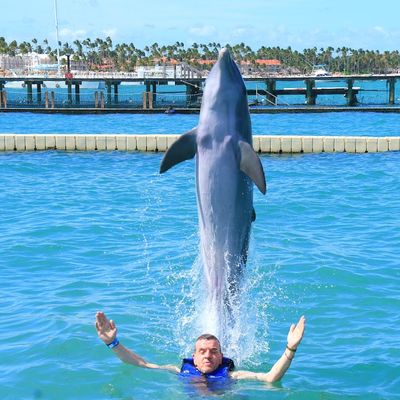
White-sand shores and turquoise waves invite visitors to Dolphin Explorer, Punta Cana’s marine adventure park. Swim alongside dolphins, admire colorful parrots, and feel the tropical energy shaped by Dominican culture.

Learn More
Google Places photo
i

Google Places photo

Photo by Verdugo Verdugo

Scape Park

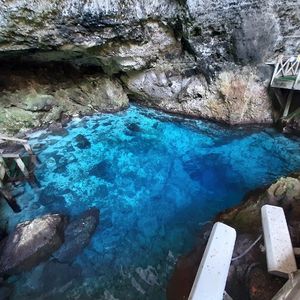
Scape Park in Punta Cana blends jungle zip lines, hidden cenotes, and bright limestone caves with local Taino history. Swim in Hoyo Azul’s blue waters or explore Indigenous petroglyphs—adventure and culture meet everywhere.

Learn More

How to get there

By air

The most common way to reach Punta Cana is by flying into Punta Cana International Airport (PUJ), which receives flights from numerous international destinations across North America, Europe, and other Caribbean nations.
Options to get to town:
Taxi
Price:
US$30-40 (to hotel zone)
Duration:
20-30 minutes
Where to buy:
At the official taxi counter outside arrivals or directly with drivers
Airport bus
Price:
US$1-2 (shared minibus/guagua to Verón or Bávaro)
Duration:
45-60 minutes (including stops and transfers)
Where to buy:
Pay the driver directly onboard
Train/shuttle
Price:
US$10-25 (hotel shuttle, if pre-booked or included)
Duration:
20-40 minutes
Where to buy:
Prearranged through your hotel or a transfer company

By train

There are no passenger train services that operate to or within Punta Cana or the Dominican Republic as a whole.
Useful websites for train tickets:

    By car

    Punta Cana can be reached by car from other cities in the Dominican Republic, such as Santo Domingo or La Romana, via the main highways (Autopista del Coral). The roads are generally good and driving is straightforward, but be aware of possible tolls.
    Additional charges to be aware of:
    Toll / vignette / emission sticker
    Cost:
    RD$150-400 (about US$3-8) per toll station, depending on route
    How to pay:
    Pay at toll booths along the highway
    Other driving costs
    Cost:
    Variable (fuel is approx. US$1.20/liter)
    How to pay:
    Purchase fuel at gas stations throughout the country

    By ferry

    There are currently no direct ferry services to Punta Cana; the closest international ferry connection is from Puerto Rico to Santo Domingo. From Santo Domingo, you would need to continue by road to Punta Cana.
    Useful websites for ferry tickets:

      How to get around

      Public transport

      Public transport in Punta Cana consists mainly of minibuses called "guaguas" and local buses. These are mostly used by locals and have limited routes, primarily linking Punta Cana with nearby towns like Bavaro, Veron, and Higuey. Schedules can be irregular, buses are often crowded, and there is little signage in English, making this option less convenient for tourists staying at resorts.

      Ticket options:
      Ticket TypePriceWhere to buy
      Single ticketApprox. $1-2 USD per ridePay the driver directly in cash
      Day passNot available

      Taxis & ridesharing

      Taxis are readily available at Punta Cana Airport, resorts, and popular attractions, but they rarely use meters. Always agree on a fare before starting your journey. Ridesharing (such as Uber) operates in Punta Cana but may have limited availability depending on location and time, especially within private resort areas.

      Service providers:
      ProviderPriceHow to book
      Local taxiApprox. $15-40 USD for most local tripsTaxi stand, hotel desk, or by phone
      Ridesharing appOften slightly cheaper than taxis, fares shown in appUber app

      Car rental

      Car rentals are widely available in Punta Cana, especially at the airport, and are a good option if you wish to explore beyond your resort. Roads can be challenging (narrow, some potholes), and driving styles differ, so caution is advised. Insurance is highly recommended.

      Rental options:
      ServicePriceHow to book
      Daily rentalFrom $35-60 USD per day (varies by car type)Airport desks, hotel lobbies, or international rental companies
      Weekly rentalFrom $200-350 USD per weekAirport, hotel desks, or international rental companies

      Bike & scooter rental

      Bike and scooter rentals are available in tourist areas like Bavaro and on resort grounds, providing a convenient way to get around beaches and short distances. Be mindful of road conditions and local traffic when riding.

      Rental options:
      ServicePriceHow to book
      Bike rentalFrom $15-25 USD per dayLocal rental shops, hotels, or resort activity desks
      Scooter rentalFrom $30-45 USD per dayLocal rental shops or hotels

      What to eat

      Salt on your lips. The thrum of salsa spilling from a beachside bar. Charcoal smoke rising over palms as a fisherman grills today’s catch. In Punta Cana, eating isn’t just about hunger. Each meal kicks off with bright flavors, sticky fingers, and the slow, sun-drenched pace of island life. Come hungry. The Dominican Republic’s showpiece resort town will keep you guessing—fresh, bold, and a little wild at every table.

      Signature Dishes

      • Mofongo: Fried green plantains mashed with garlic and chicharrón, then shaped into a ball. Dense, garlicky, soulful—a staple from street stalls to fine dining.
      • Pescado Frito: Whole fish, crispy-skinned and barely off the boat. Eaten seaside, the citrusy marinade sings against that salty crunch.
      • La Bandera: Named for the national flag, this combo plate features tender stewed beef, red beans, fluffy rice, and salad. Homestyle comfort for locals and visitors alike.
      • Sancocho: Thick stew brimming with root vegetables, yuca, and chicken, simmered overnight. Earthy, rich, best with a splash of spicy sauce.
      • Chimichurri (Chimi) Burger: A street-food legend—seasoned beef patty, cabbage, tomato, and mayo piled into a toasted bun. Messy, juicy, unforgettable after a night out.

      Street Food & Markets

      Wander into Mercado Municipal Veron for a taste of authentic Punta Cana. Locals haggle for fresh fruit—pineapples crackling with sweetness—and women fry empanadas golden at tiny kiosks. Look for pastelitos hot from bubbling oil, stuffed with spiced chicken or cheese. Tap into the morning vibe with a cup of piping Dominican coffee and a wedge of pan de agua bread at Café Santo Domingo’s stall. The best eats arrive wrapped in banana leaves, handed over with a wink, and always—always—doused in hot sauce. But be aware: prices near tourist hubs spike, and some vendors push forgettable “gringo” fare. Head a block or two away and Punta Cana’s real flavors shine through.

      Sweet Treats & Drinks

      No meal here ends without a jolt of sugar or a splash of something cold. Sink your teeth into dulce de leche candies or pastelón de plátano, a sweet plantain pie. Grab a scoop of batata (sweet potato) ice cream at Helados Bon, beloved by locals. For drinks, nothing feels more Punta Cana than a cold Presidente beer or a glass of chinola (passionfruit) juice—tangy and refreshing under the relentless Caribbean sun.

      Why Travelers Eat Here

      • Ultra-fresh seafood dishes—often grilled or fried just steps from the shore.
      • Bustling markets stacked with tropical fruit, local coffee, and hands-on, lively energy.
      • A blend of African, Spanish, and Taíno food traditions found nowhere else in the Caribbean.
      • Unapologetic street food—heart-stopping flavors that aren’t dulled for tourists (if you know where to look).

      Punta Cana’s food lingers—bright, fresh, and full of life, like the town itself. The real flavor is in the chaos, the laughter, and the simple pleasure of eating under the open sky. That’s something you’ll crave long after you leave.

      Top Rated Restaurants

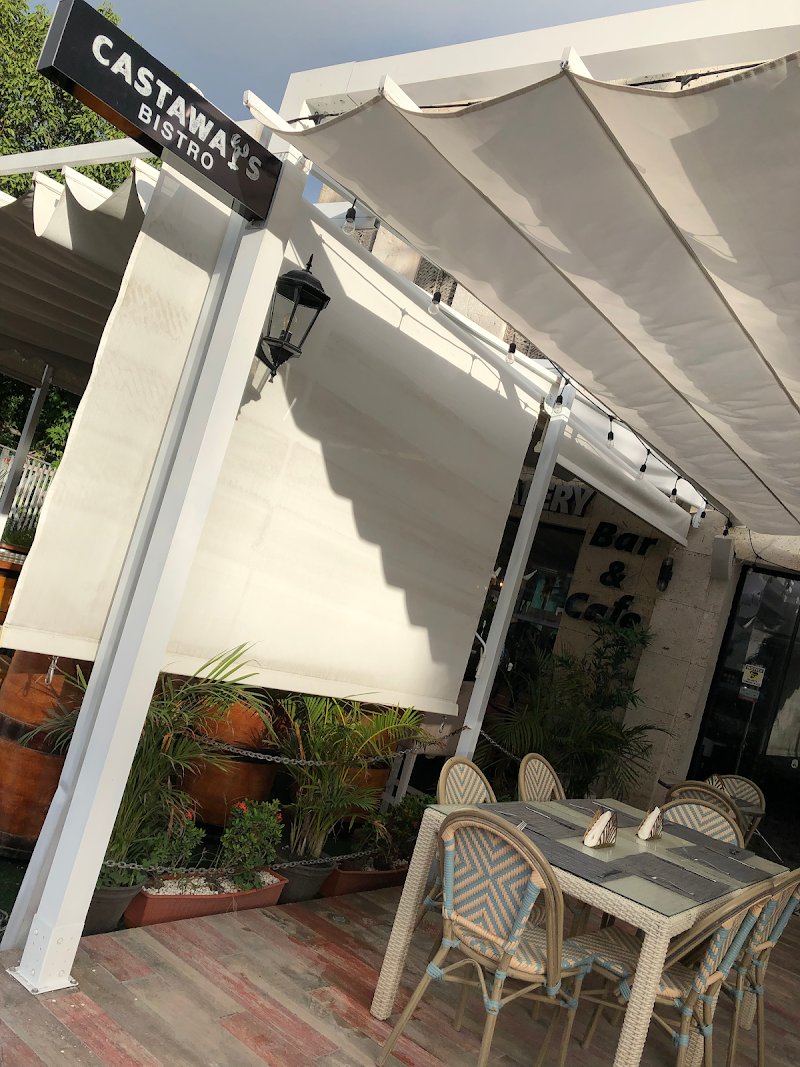
      Castaways Bistro

      Castaways Bistro

      4.7 (534 reviews)
      $$
      LocationNext to El Dorado Casino Los Corales, Playa Turquesa, Across street, Punta Cana 23000, Dominican Republic
      Playa Blanca Restaurant

      Playa Blanca Restaurant

      4.6 (2.3k reviews)
      $$$
      LocationResort & Golf Club, Punta Cana 23000, Dominican Republic
      Burlao Grill Punta Cana

      Burlao Grill Punta Cana

      4.6 (619 reviews)
      $$
      LocationPunta Cana 23000, Dominican Republic
      Vale Valentina

      Vale Valentina

      4.6 (766 reviews)
      $$
      LocationEdificio VI Jardines de Punta Cana, C. Coralillo 23000, Punta Cana 23000, Dominican Republic
      Lolita Restaurante Punta Cana

      Lolita Restaurante Punta Cana

      4.6 (383 reviews)
      $$
      LocationPlaza Cueva Taina, Av. Estados Unidos, Punta Cana 23301, Dominican Republic

      Accommodations

      Some travelers imagine Punta Cana as a string of postcard beaches. The truth runs deeper. Where you rest shapes the whole trip. Do you want seclusion, or proximity to nightlife? In Punta Cana, picking the right area matters as much as finding the right bed. I learned this the hard way—choosing style over substance once left me far from what I craved. Since then, I start every trip by scouting locations, not just hotels.

      Neighborhood Overview

      • Bávaro: Heart of Punta Cana. Wide beaches, a dense stretch of all-inclusive resorts, and easy access to bars or shops. Ideal for couples and groups eager for activities. Nightlife hums nearby, but things quiet down by midnight. Expect crowds during winter and spring breaks.
      • Cap Cana: Gated luxury enclave. Immaculate grounds and high-end resorts create a peaceful bubble. Best for couples or honeymooners seeking privacy, or golfers hoping to play Jack Nicklaus courses. Limited nightlife—think beach bars, not clubs. You’ll pay more for exclusivity.
      • Cortecito and Los Corales: Lively, walkable areas with budget hotels, guesthouses, and the rare apartment rental. Busy beach bars and diverse food spots within steps. Fits independent travelers or young adults who want options beyond the resort bubble. Traffic and noise spike during high season, though waves help mute most sounds.
      • Uvero Alto: Up the coast, quieter and far less built-up. Resorts here stand apart, bordered by coconut groves. Families favor these wide-open spaces and gentler waves. Fewer local shops, but day trips are easy by taxi.

      Types of Accommodation

      • All-Inclusive Resorts: Most travelers stay in large complexes—think Barceló Bávaro Palace or Secrets Cap Cana. Rates start near $250 (low season), rising to $450+ per night for high-end rooms.
      • Small Hotels and Guesthouses: In Cortecito, try Hotel Marimba Punta Cana—a clean, local-run spot from $60/night. Great for independent souls or short stays.
      • Apartment Rentals: Short-term apartments (like those at Los Corales Beach) start around $80/night. Great for families, allowing some home cooking and extra space.

      Insider Tips for Booking

      Find the best rates outside December–April, when crowds thin. Book early for winter holidays. Check taxes: resorts add 18% (plus $1–$2/day environmental fee). Last-minute deals pop up, but don’t risk it if you visit for Christmas or Easter. Local booking agencies sometimes undercut multinational sites—worth a look.

      Dawn colors the sea in pastels as fishermen launch just past the last sunbed. Punta Cana rewards those who match their sleep style to its rhythms. Choose thoughtfully—and the Caribbean days stretch longer and sweeter, every time.