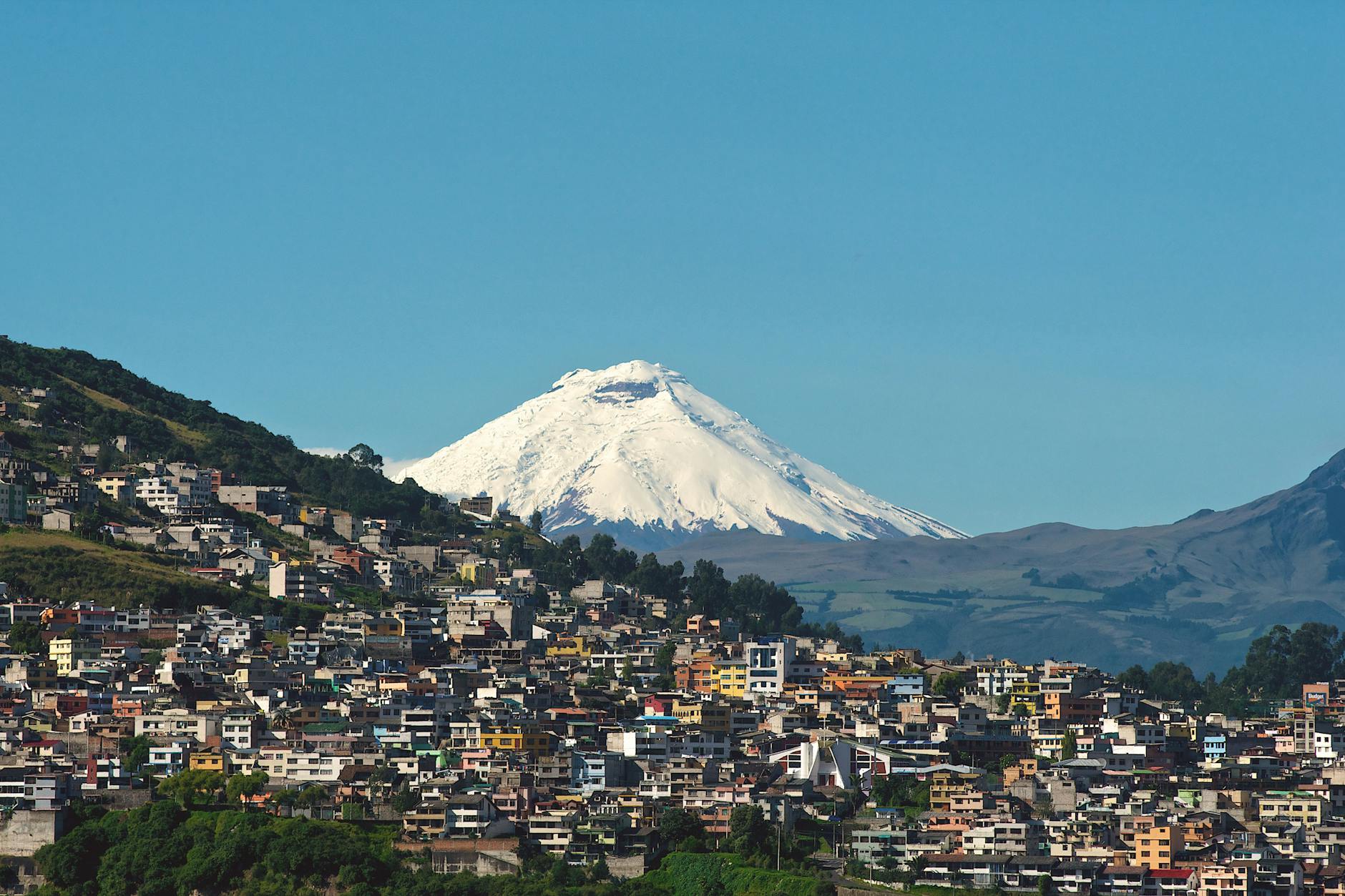
Explore Quito with the majestic backdrop of Cotopaxi Volcano under a clear blue sky.
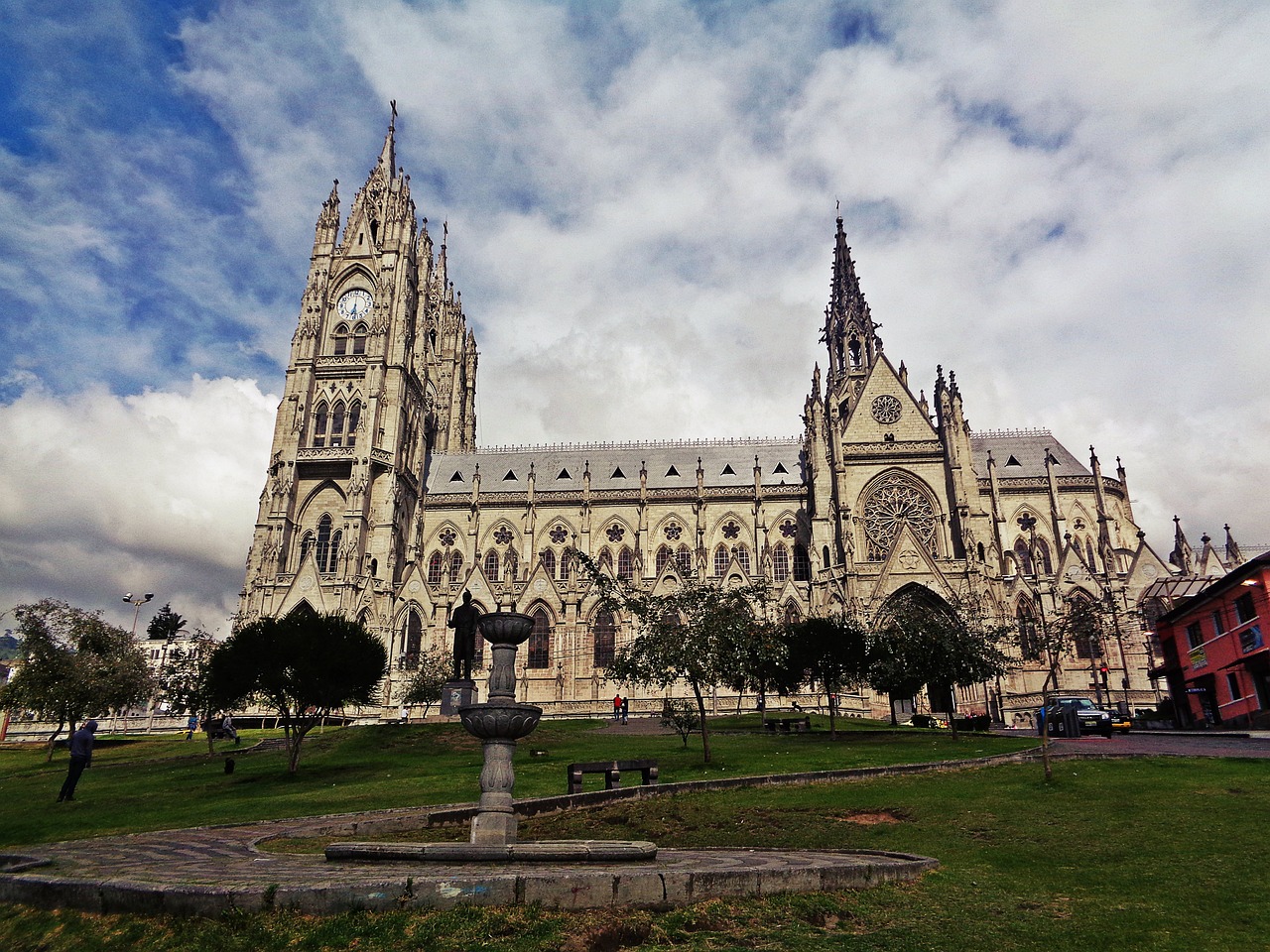
quito, ecuador, the cathedral, neo-gothic, quito, quito, quito, quito, quito, ecuador, ecuador, ecuador
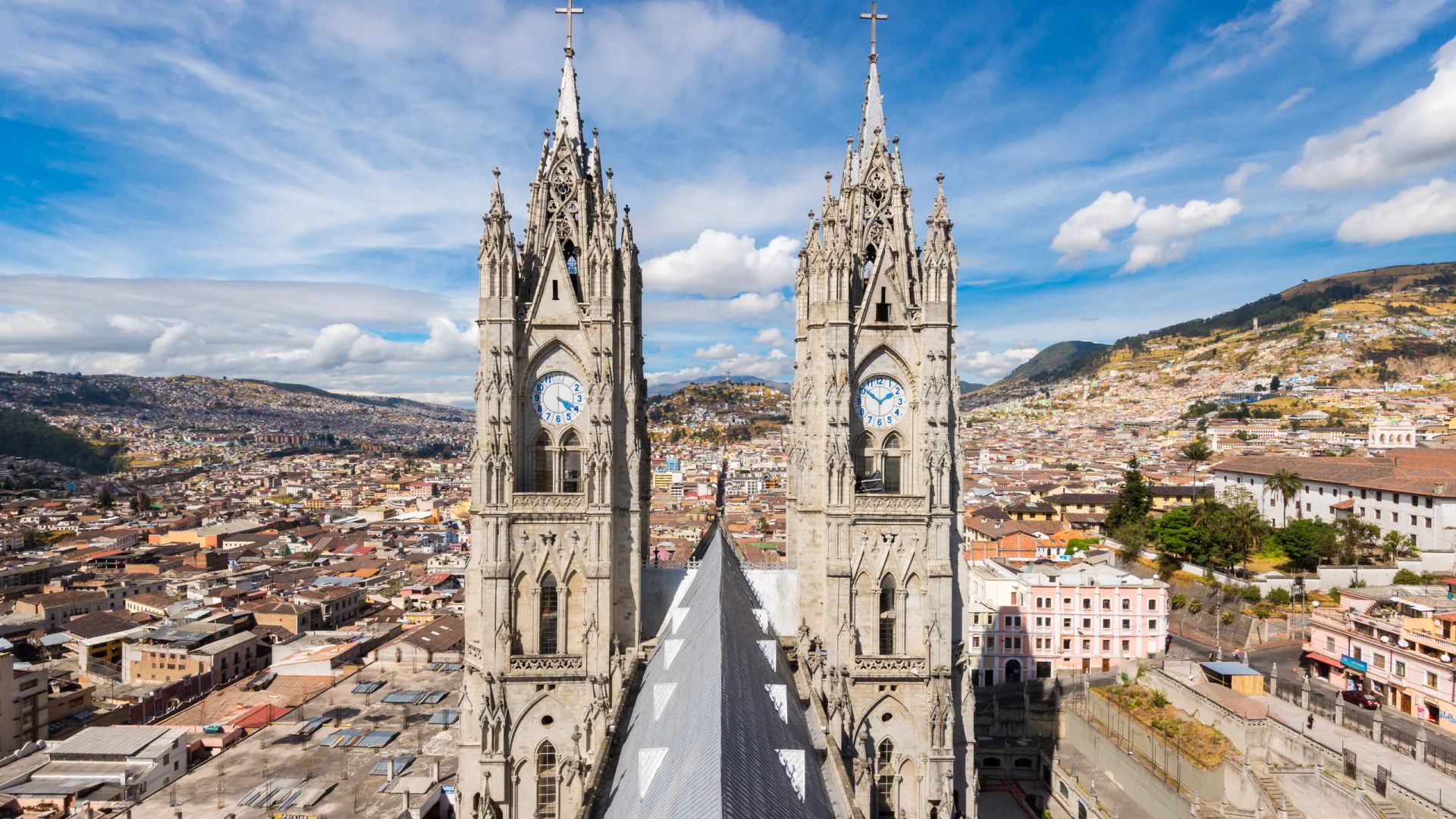
Beautiful view of Quito
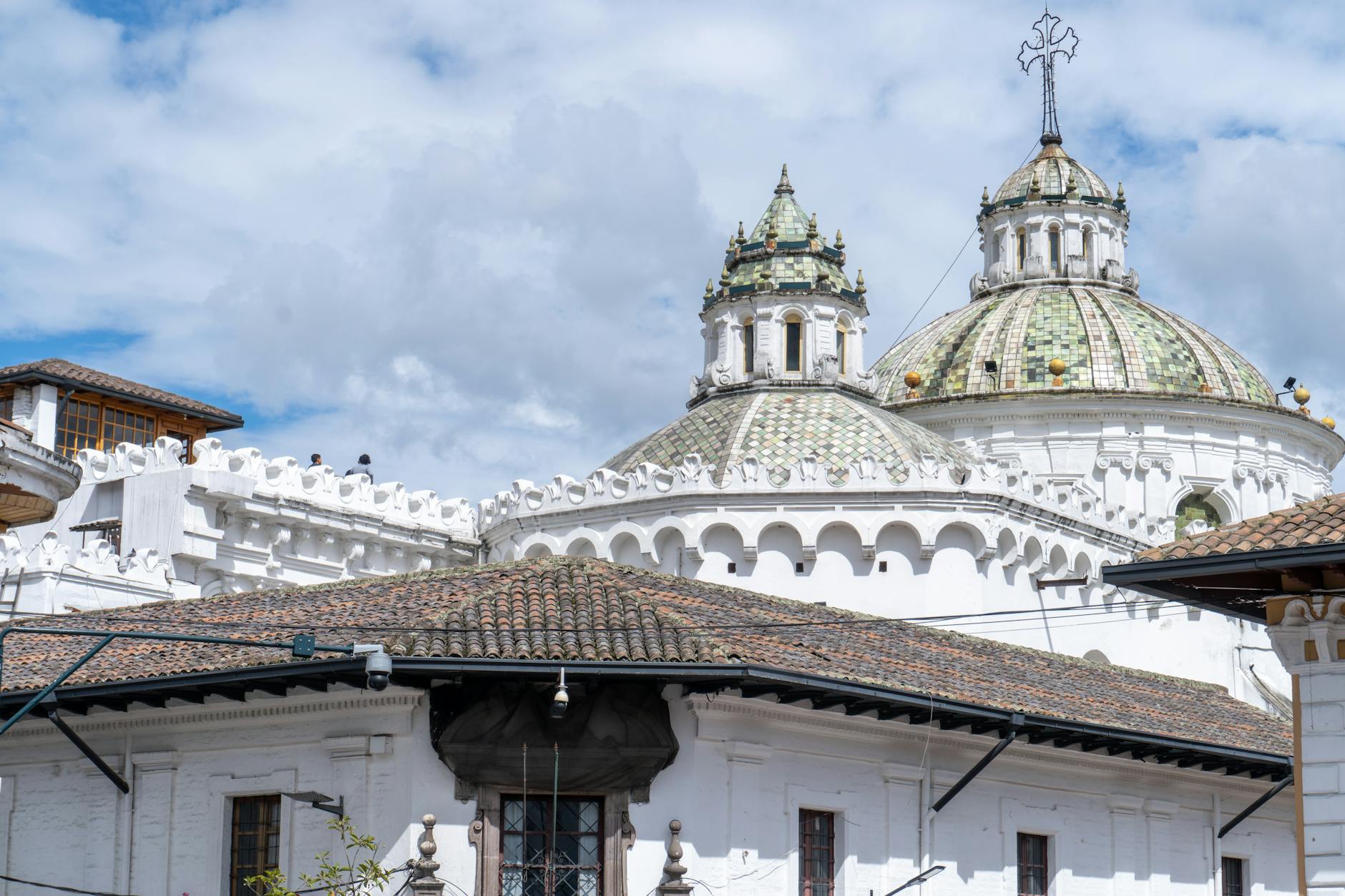
Beautiful view of historic church domes under a bright blue sky in Quito, Ecuador.
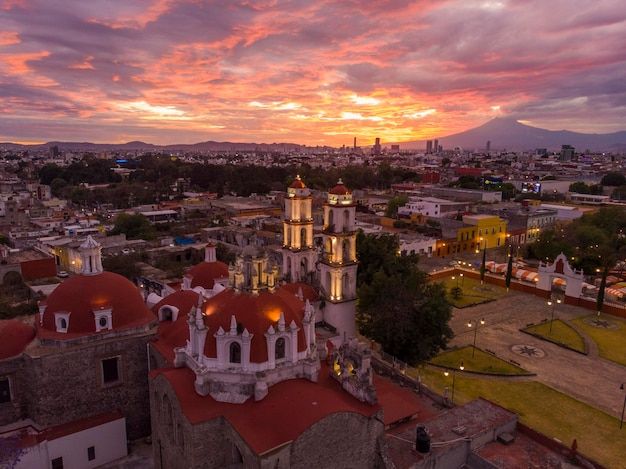
Puebla at dramatic evening sunset aerial drone shot of city center in puebla de zaragoza puebla

Quito

Ecuador
CulturalReligious & SpiritualArt & ArchitectureHistoricalUNESCO World Heritage
i

Explore Quito with the majestic backdrop of Cotopaxi Volcano under a clear blue sky.

Photo by DΛVΞ GΛRCIΛ

Morning in Quito hits like a splash of cold mountain air. The basilica’s spires cut into a sky so blue it feels painted. Street vendors shout over the rattle of buses, while the smell of frying empanadas drifts from tiny kitchens. In La Ronda, musicians strum bajo the lanterns, and laughter spills from open doorways. Climb El Panecillo for a sweep of the city, rooftops glowing gold in late light. But the real magic’s in the barrios: murals blooming on cracked walls, kids playing fútbol in steep alleys, and shopkeepers who chat like old friends. At night, the chill bites, and you’ll crave canelazo, hot and spiced, to warm your hands. Quito’s beauty is raw, a mix of grace and grit that stays with you long after you’ve left.

Quick Facts

currency
USD
languages
Spanish
airports
Mariscal Sucre International Airport
size
Large City
power
Type A, Type B
timezone
GMT-5
safety
Moderately safe
costs
Cheap

General Information

Safety indexQuito has a safety index of around 45/100. Like many major cities, it has areas that are safer and others that require more caution, especially after dark or in less touristic neighborhoods. Pickpocketing and petty theft are common in crowded or touristy spots. It's recommended to use registered taxis, avoid flashing valuables, and stay aware of your surroundings.

Best Time to TravelThe best time to visit Quito is from June to September, during the dry season. During these months, you can enjoy mild temperatures, less rain, and clearer skies, making it ideal for sightseeing and outdoor activities.

Least crowded and still a good time to visitApril to May and October to November are considered shoulder seasons. During these times, you’ll experience fewer tourists while still enjoying relatively pleasant weather. Some brief afternoon showers may occur, but most attractions are less crowded and prices for accommodations may be lower.

BudgetQuito is a budget-friendly destination. Daily costs for budget travelers can range from $30 to $60, including accommodation, food, and local transport. Mid-range travelers may spend $60 to $120 per day. Upscale options are available but are more reasonably priced compared to many Western cities.

Healthcare and VaccinationsQuito has modern hospitals and clinics with good standards of care, especially in private facilities. However, travelers should have comprehensive travel insurance that covers health emergencies. Vaccinations recommended include Hepatitis A & B, Typhoid, and routine vaccines. Yellow fever vaccination is required if you plan to travel to the Amazon region. At Quito's high elevation, some visitors might experience mild altitude sickness; acclimatization and hydration are recommended.

Visa RequirementsMost visitors, including citizens from the USA, Canada, EU, and many South American countries, do not need a visa for stays of up to 90 days in Ecuador, including Quito. Passports must be valid for at least six months upon entry. It's always best to check the latest visa requirements based on your nationality before travel.

Weather in Quito

°C°F
2577
1967
1456
846
236
Jan
Feb
Mar
Apr
May
Jun
Jul
Aug
Sep
Oct
Nov
Dec
3020100
Avg. min. temperature
Avg. max. temperature
Avg. precipitation days

First-time travelers

Quito stirs the senses before you even land—brushed by clouds, edged by volcanoes, balanced on the spine of the Andes. It’s a city where old and new touch at every turn, drawing first-timers into a living storybook of cobbled streets and colonial plazas.

Historical Heartbeats

Stand in Plaza Grande as morning sunlight hits the white facades. Roasted coffee and whiffs of street popcorn drift from vendors as shoe-shiners joke in rapid-fire Spanish. Quito’s Old Town isn’t just UNESCO-protected—a real community thrives behind the thick doors and ornate churches. Candied guayusa tea waits in La Ronda, a lane where musicians test their chords under the glow of lanterns.

Step inside La Compañía de Jesús, where baroque gold sparkles from every angle—a spectacle best caught in the hush between tourist groups. Follow Avenida García Moreno up to the Basilica del Voto Nacional. Painted glass windows shoot colors onto ancient stone, watched by soaring neo-Gothic gargoyles shaped like local animals.

Everyday Life, Every Angle

Near Parque El Ejido, students and families sprawl between art stalls. Empanadas de viento, hot and bubbling from oil, leave sugar dust on your lips. Markets hum with sellers and the scent of ripe maracuyá. Quito’s height lends colors extra clarity—from deep green mountains to bright patterned shawls. Pause at Mirador de Guápulo as day fades, city lights flickering up cold mountain air.

  • Try a hearty locro de papa soup at a lunchtime comedores.
  • Take the Teleférico cable car for a city-wide panorama.
  • Buy handmade tagua nut crafts in Plaza San Francisco’s boutiques.

Don’t rush. Quito, with 2,850 meters beneath your feet, rewards those who stroll and notice. Every block tells another story, if you stand still long enough to listen.
Return travelers

If your heart has already danced under Quito’s high-altitude light, coming back unlocks layers unnoticed before. No longer swept up in first-time awe, return travelers discover comfort—and surprise—in the gentler, deeper rhythms of Ecuador’s capital.

Neighborhoods Beyond the Obvious

Head north, beyond the historic center. In La Floresta, street murals bloom along rough brick walls; local cafes like Café Galleti roast beans slow and serve them strong. Locals play chess in leafy Parque Navarra. Here, you taste daily life; the city’s bold art and alternative music anchor their roots in an easy, creative jumble.

At Mercado Iñaquito, dive into stalls stacked with babaco or tomate de árbol, chatting with señoras who wrap fruit in newspaper. The familiar mountain crispness lingers as you savor cevichochos—a street snack of lupini beans, lime, and salsa—outside the mercadito rather than in a sit-down spot.

Local Lapses and Living Color

Base yourself near La Carolina park, where joggers circle early and the scent of arepas floats from food carts. Rent a bike, pedal past locals picnicking by the Jardín Botánico. The Japanese Garden’s still ponds and trimmed bonsai calm frazzled nerves, quiet yet close to the city rush.

  • Catch a contemporary play or jazz night at Teatro México.
  • Book a cooking class in Cumbayá to learn salsa de ají from scratch.
  • Find hand-painted ceramics at Tianguez, far from souvenir stalls.
  • Order hornado in Sangolquí, a short bus ride—and a world—away.

This time, Quito lets you belong. Patterns reveal themselves in people’s smiles and shared bus rides, in Sunday markets, and afternoon storms. For a return traveler, that’s the joy: shifting from witness to participant, savoring every depth and detail.

Must-see locations

Calle La Ronda

Calle La Ronda

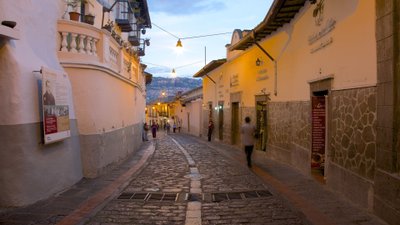
Calle La Ronda in Quito weaves cobbled alleys with old-fashioned balconies and street musicians. Visitors sample chocolate at artisan shops, watch painters at work, and join lively folk dances after sunset. History and warmth in every step.

Learn More
Parque La Carolina

Parque La Carolina

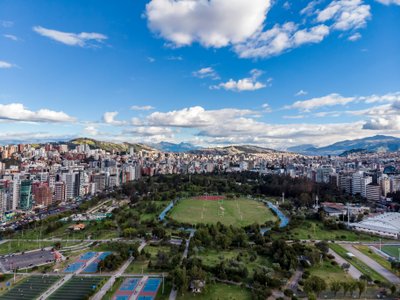
Parque La Carolina, Quito’s urban heart, buzzes with families riding bikes, friends playing soccer, and kids feeding ducks at the lagoon. Paths wind past gardens, weekend art fairs, and the striking Jardín Botánico orchids.

Learn More
Middle of the World

Middle of the World

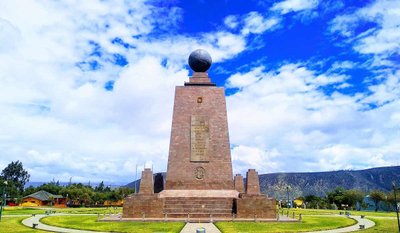
Standing at Mitad del Mundo brings you right to the equator in Quito, where you can balance an egg, try quirky science experiments, explore the Ethnographic Museum, and watch lively dancers celebrating Ecuadorian tradition.

Learn More
Independence Square

Independence Square

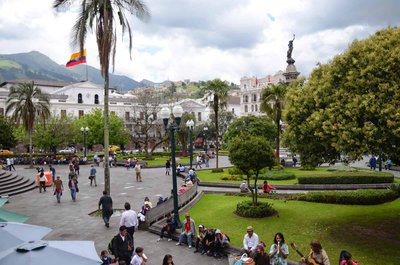
Majestic churches, palm trees, and stately government buildings ring Independence Square in Quito, where locals gather for music, protests, and people-watching. Snap photos of the Metropolitan Cathedral and watch the vibrant street life.

Learn More
Virgin of the Panecillo

Virgin of the Panecillo

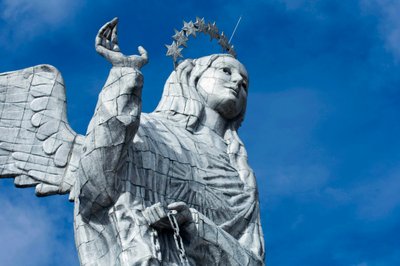
Rising above Quito’s skyline, the Virgin of the Panecillo offers sweeping city and volcano views. Climb the monument for close-up art details, then explore La Ronda’s music, street food, and lively local crafts nearby.

Learn More

How to get there

By air

The most common way to reach Quito is by air. Quito is served by Mariscal Sucre International Airport (UIO), which receives flights from major cities in the Americas and Europe. Most international travelers will arrive via this airport.
Options to get to town:
Taxi
Price:
USD 25-35
Duration:
35-60 minutes (to city center, depending on traffic)
Where to buy:
Taxi ranks at the airport, official counters inside arrivals
Airport bus
Price:
USD 2-3
Duration:
60-90 minutes
Where to buy:
Outside arrivals terminal, look for 'Aeropuerto' or 'Quitumbe' buses
Train/shuttle
Price:
USD 8
Duration:
50-75 minutes (Aeroservicios shuttle to main bus station or selected city stops)
Where to buy:
Aeroservicios counter at the airport or online at aeroservicios.com.ec

By train

There is currently no regular passenger rail service from neighboring countries or within Ecuador to Quito. The historic Tren Ecuador operated tourist trains, but service is not available for intercity or international arrivals.
Useful websites for train tickets:

    By car

    Quito is accessible by road from other cities in Ecuador and from Colombia via the Pan-American Highway. Roads are generally paved, but mountain driving may be challenging due to altitude and curves.
    Additional charges to be aware of:
    Toll / vignette / emission sticker
    Cost:
    Tolls approx. USD 1-2 per toll booth
    How to pay:
    Pay at toll booths on main highways
    Other driving costs
    Cost:
    Fuel costs approx. USD 2.40 per gallon (subsidized rate for regular gasoline)
    How to pay:
    Fuel stations around Ecuador

    How to get around

    Public transport

    Quito's public transport system includes an extensive network of buses, trolleybuses (Trole), and the modern Metro de Quito. These options connect most neighborhoods and tourist sites efficiently and affordably, though be mindful of peak hour crowds and pickpockets. Bus routes are affordable but can be crowded; the Metro is quick and avoids city traffic.

    Ticket options:
    Ticket TypePriceWhere to buy
    Single ticketUSD 0.35 (bus/trolley), USD 0.45 (metro)On board buses/trolleybuses, or at Metro station machines/counters
    Day passNot widely available (purchase individual rides as needed)N/A

    Taxis & ridesharing

    Taxis are readily available and relatively affordable in Quito. It’s recommended to use official yellow taxis with a meter. Ridesharing apps like Uber and Cabify also operate and can be safer and more convenient than hailing a taxi on the street, especially at night or when language is a barrier.

    Service providers:
    ProviderPriceHow to book
    Local taxiMinimum fare around USD 1.50, typically USD 3–6 within central QuitoHail on the street, taxi stands, or call reputable taxi companies
    Ridesharing appFares start around USD 2 and depend on distance/timeBook via Uber, Cabify, or local app

    Car rental

    Car rentals are available at the airport and downtown, but driving in Quito's traffic and navigating the hilly, narrow streets can be challenging. Renting a car is recommended only if you plan to venture outside the city or explore the surrounding region.

    Rental options:
    ServicePriceHow to book
    Daily rentalFrom USD 35–50 per day (basic economy car)International and local rental agencies at the airport or city locations
    Weekly rentalFrom USD 200–300 per weekInternational and local rental agencies

    Bike & scooter rental

    Biking and scooter rentals are growing in popularity, especially in the historic center and parks. There are some bike rental shops and limited scooter-sharing services, though hilly terrain and traffic make cycling best suited for recreational routes or guided tours.

    Rental options:
    ServicePriceHow to book
    Bike rentalFrom USD 5–15 per dayBike shops, tourist agencies, or bike rental kiosks in popular areas
    Scooter rentalFrom USD 10–20 per daySpecialized rental shops or some bike rental locations

    What to eat

    Steam rises above Quito’s old town at dawn, curling between cobblestones and the calls of street hawkers. Frying oil crackles in battered pans. Sweet molasses rides on the wind. In Quito, food means memory and community—a riot of colors, textures, and history mixed on every corner. Across the hills, family kitchens and humming markets spill stories onto wooden tables. You arrive hungry, in every sense.

    Signature Dishes

    • Locro de Papa: Creamy potato soup glows golden with achiote, studded with cubes of fresh queso and topped with fragrant avocado. Comfort in a bowl, warming chilly Andean evenings.
    • Hornado: Slow-roasted pork, skin crisp and salty, served with soft white hominy and tangy tomato-onion curtido. The smell alone will draw you across the plaza.
    • Fritada: Pork bites sizzle in their own fat, paired with fluffy corn, crunchy plantains, and pickled red onions—a fiesta on a plate.
    • Llapingachos: Cheese-stuffed potato patties, grilled until caramel-brown. Usually plated with sausage, eggs, and peanut sauce. Ecuadorian comfort food at its best.

    Street Food & Markets

    Quito’s markets pulse with life—and lunch. Stalls at Mercado Central brim with fresh fruit juices, bubbling soups, and ceviches quick enough for hurrying locals. On Avenida 24 de Mayo, carts pump out sweet morocho (warm corn pudding), while a woman in a wool apron serves empanadas de viento—puffed, golden, oozing cheese. Watch for humitas , sweet corn cakes steamed in husks, or grilled choclo corn, slathered in salty cheese. Crowds gather, but move fast. Vendors expect you to know what you want, so study as you wait with hungry anticipation.

    Sweet Treats & Drinks

    For dessert, try higo con queso—candied figs matched with mild cheese, both chewy and creamy. Local bakeries tempt with guagua de pan (bread babies), a soft and festive November treat. Wash down your meal with canelazo, a hot cinnamon-spiked sugarcane drink, perfect for chilly Quito evenings. If you’re thirsty at noon, sip a glass of fresh maracuyá juice—tart, bright, unforgettable.

    Why Travelers Eat Here

    • Quito pairs mountain-grown produce and timeworn recipes into honest, unforgettable dishes.
    • Markets and street corners deliver flavor adventures for daring eaters at a bargain.
    • Proud local cooks share centuries-old food traditions with hospitality and laughter.
    • The variety ranges from heritage meals in family-run spots to innovative takes at modern bistros.

    Evenings slip into Quito’s gentle chaos. Lanterns flicker over steaming bowls and smiling faces. Here, flavor tells the city’s heart—open, bold, and always ready to share a seat at the table.

    Top Rated Restaurants

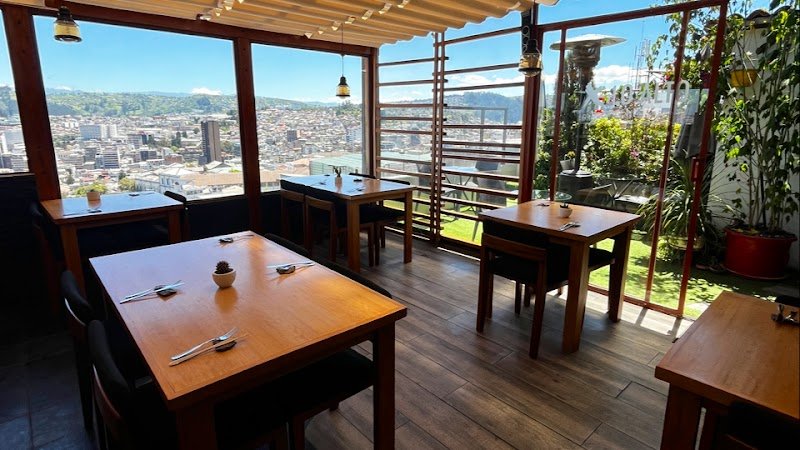
    X LO ALTO RESTAURANTE

    X LO ALTO RESTAURANTE

    4.9 (384 reviews)
    LocationMontevideo Oe-648 y, Panamá, Quito 170103, Ecuador
    Somos Ecuador Restaurante

    Somos Ecuador Restaurante

    4.8 (2.2k reviews)
    LocationAv. Eloy Alfaro N34-421, Quito 170504, Ecuador
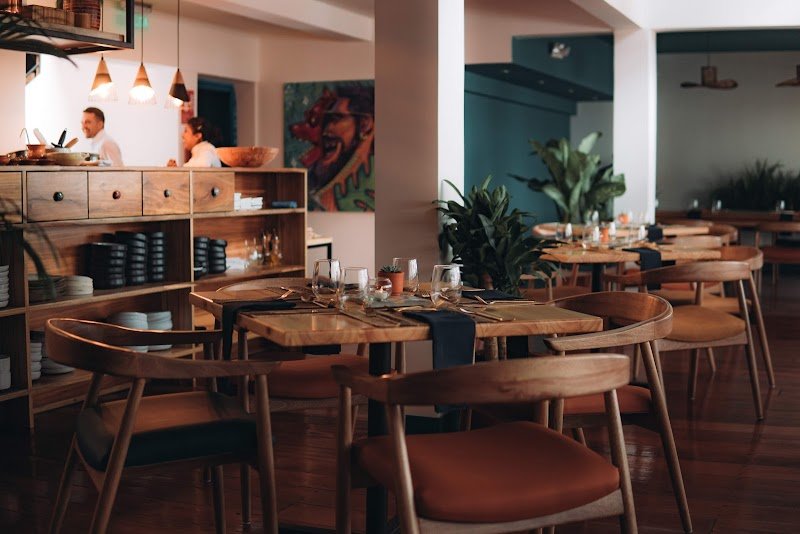
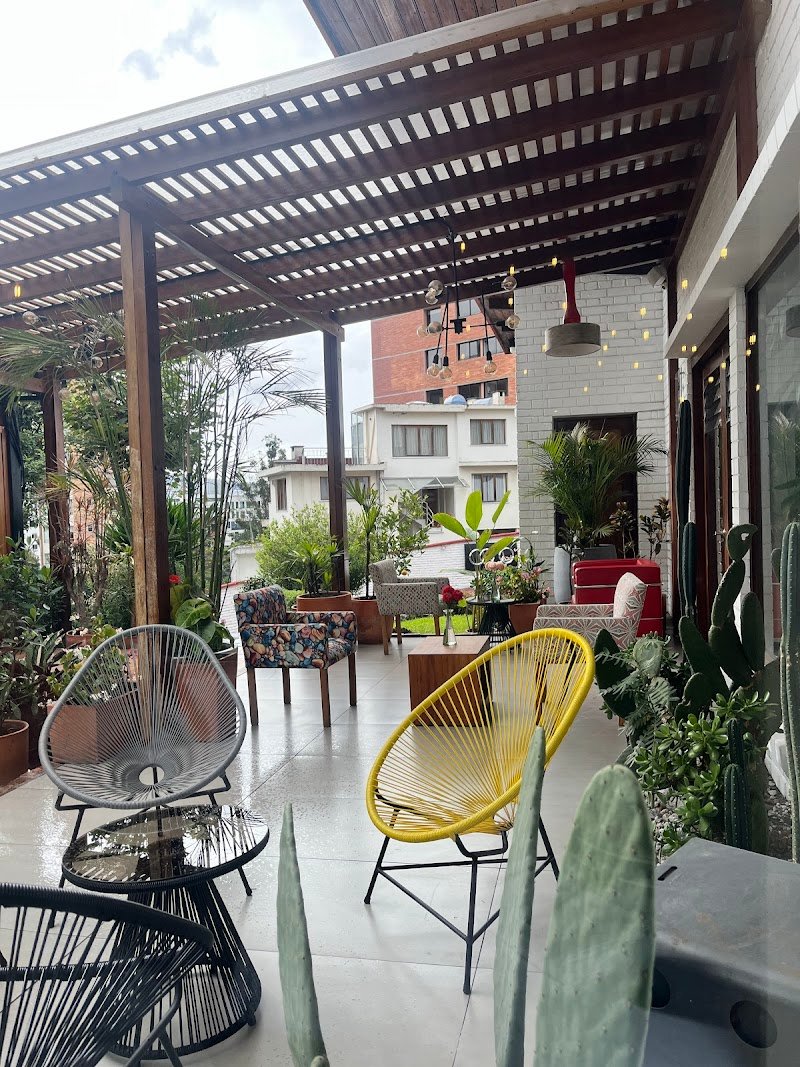
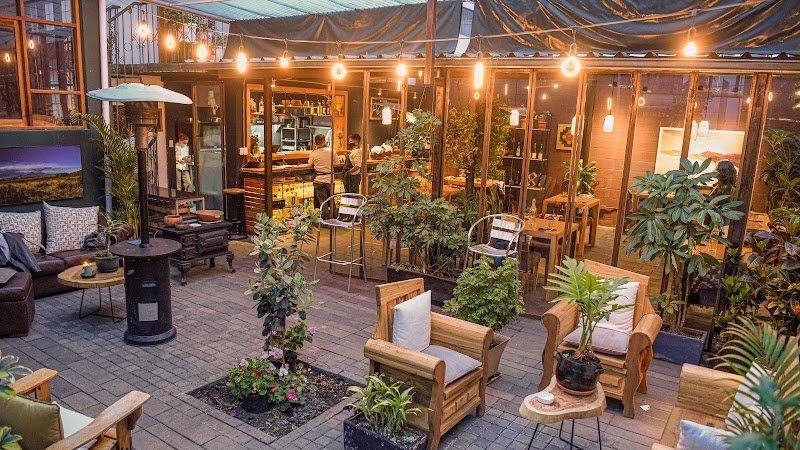
    De La Llama

    De La Llama

    4.8 (1.4k reviews)
    $$
    LocationSuiza N33-113, Quito 170135, Ecuador
    Chez Jérôme

    Chez Jérôme

    4.7 (900 reviews)
    $$$$
    LocationWhymper N 30-96, Quito 170518, Ecuador
    URKO

    URKO

    4.7 (722 reviews)
    $$$
    LocationMallorca 449 y, Quito 170525, Ecuador

    Accommodations

    Quito sprawls between mountains and clouds, caught between old-world charm and modern bustle. Where you stay shapes your experience more than in many cities. Each zone feels distinct, both in energy and practicality. A smart base lets you explore with ease—and sleep well, when the city’s heartbeat settles down.

    Neighborhood Overview

    • Centro Histórico: Living history at your doorstep. Colonial churches, plazas, and steep cobbled streets. Mornings fill with church bells and breakfast stalls. Best for photographers, couples, or those drawn to culture. Some streets can feel deserted after dark—best for early risers or night views from rooftop terraces.
    • La Mariscal: Quito’s nightlife and backpacker zone. Bars and street food fill Plaza Foch. Expect a youthful crowd, music late into the night, and an easy walk to hostels and cafés. Ideal for solo travelers and groups. Can feel rowdy, so light sleepers might pick another zone.
    • La Floresta: Quito’s trendiest pocket, rich with art murals, indie coffee shops, and boutique hotels. Nights stay peaceful, mornings buzz with artist markets and brunch. Suits couples, remote workers, or foodies looking for creative energy.
    • González Suárez & Bellavista: Leafy, upscale zones with scenic city views—especially from tower hotels or condos. Good for families or biz travelers who want calm, plus quick access (by taxi) to sights. Fewer budget options, but quieter and cleaner than central areas.
    • Cumbayá: Suburban and spread out, Cumbayá draws longer-term visitors or those wanting green space. Think weekend markets, high-end malls, and mountain views. Commuting downtown takes time, but nights are tranquil and homes feel spacious.

    Types of Accommodation

    • Hostels: La Mariscal buzzes with options—Community Hostel tops my list, with beds around $12–$22 USD and sociable patios.
    • Boutique Hotels & Guesthouses: La Floresta and Centro Histórico each offer gems like Casa Gangotena (splurge—$300+) or Casona de la Ronda (from $100). Clean, artistic, and full of personality.
    • Modern Hotels & Airbnbs: Upscale stays line González Suárez—Swissôtel ($120+) is reliable, while local Airbnbs range from urban studios ($45/night) to luxury apartments (up to $180/outside the center).

    Insider Tips for Booking

    Book at least a month ahead for holidays or during August’s festival season. Taxes add up—look for a 12% VAT and service fees. Room prices dip during rainy May–June, but pack a rain jacket. Many small hotels offer free airport shuttles—ask upfront.

    At dusk, golden light skims church domes and hummingbirds dart past windowpanes. Quito’s beauty is layered—and with the right base, it feels intimate and real. Let yourself linger. Even after sunset, surprises pulse in every barrio.