kuala lumpur, malaysia, twin tower, landmark, tourism, sky, landscape, nature, building, architecture, skyscraper, town, destination, famous, cityscape, business, kuala, lumpur, asia, city, skyline, urban, tower, attraction, petronas, klcc
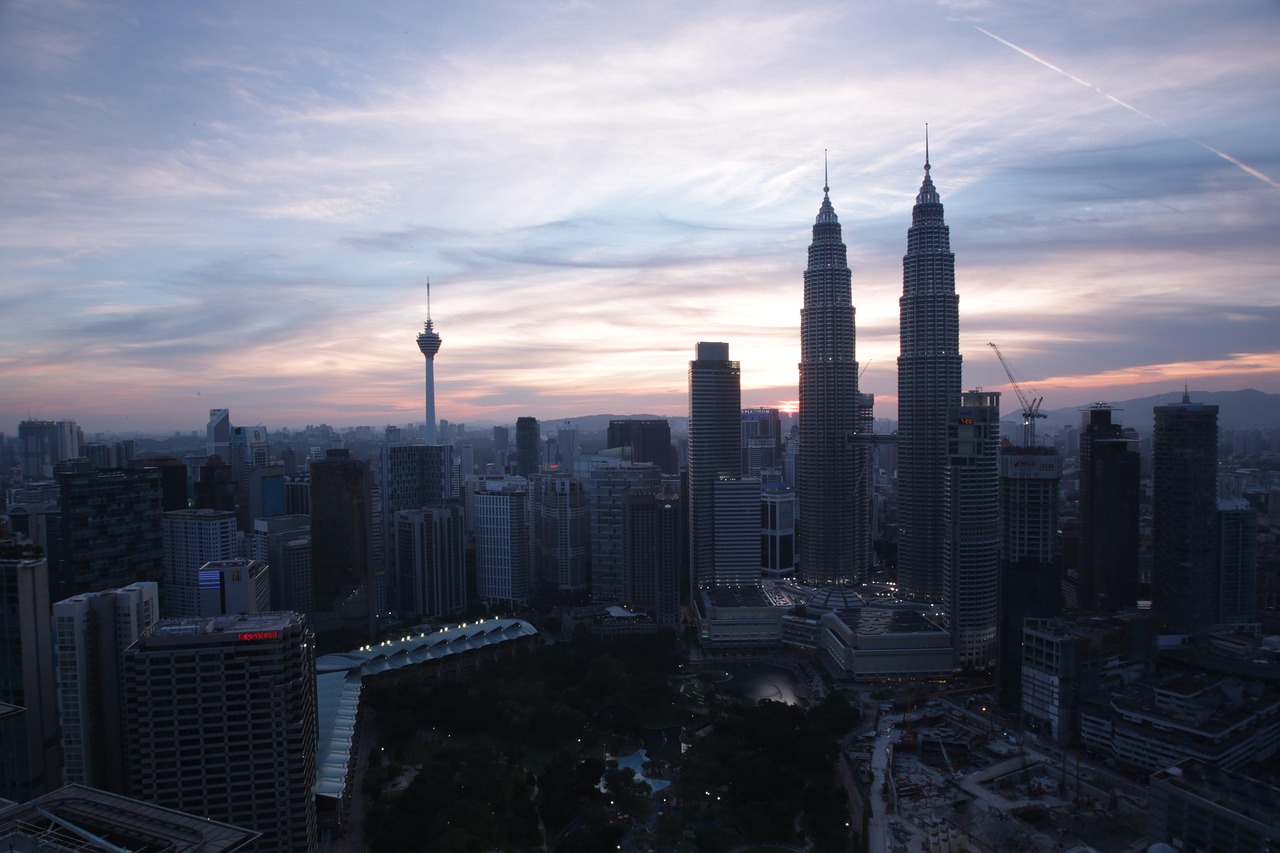
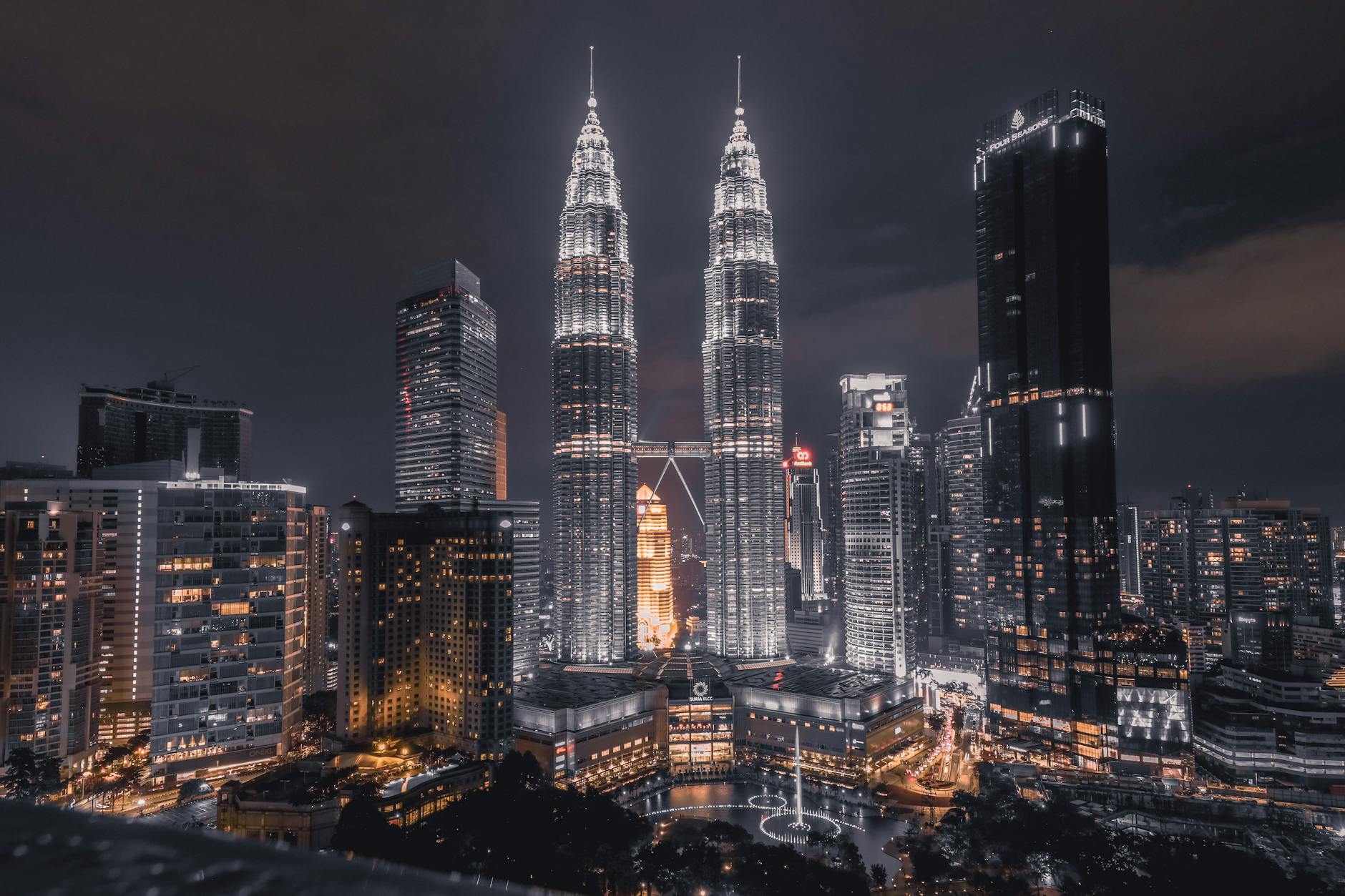
A breathtaking night view of Kuala Lumpur's skyline featuring the illuminated Petronas Towers.
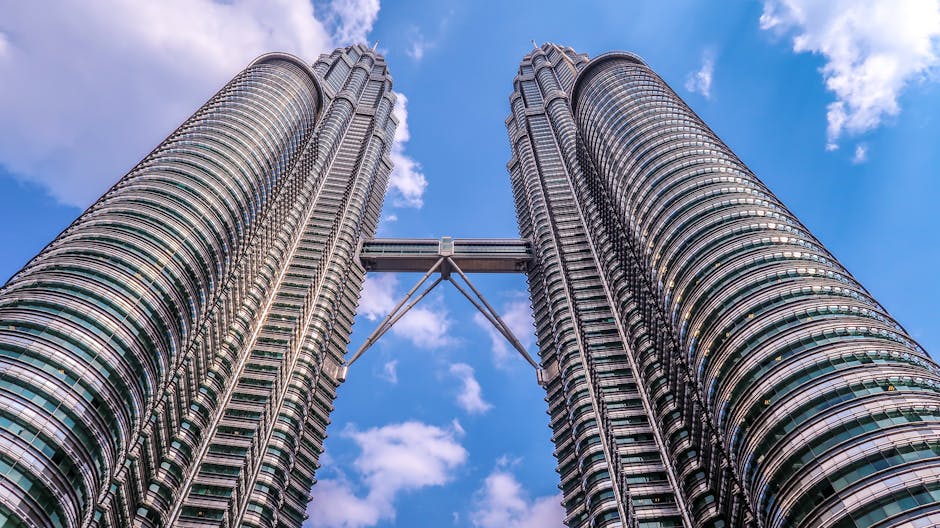
Low angle view of the iconic Petronas Twin Towers in Kuala Lumpur, Malaysia, against a clear blue sky.

Kuala Lumpur

Malaysia
Modern AttractionsUrban HighlightsMarketplace & ShoppingIconic LandmarksArt & Architecture
i

kuala lumpur, malaysia, twin tower, landmark, tourism, sky, landscape, nature, building, architecture, skyscraper, town, destination, famous, cityscape, business, kuala, lumpur, asia, city, skyline, urban, tower, attraction, petronas, klcc

Photo by ArtmorPro

Step off the train at KL Sentral and the city wraps around you like humid velvet. Petronas Towers slice the sky, gleaming like something from a sci-fi dream. Down in Kampung Baru, wooden houses lean over chilli-plant gardens, and the air smells of grilled satay and lemongrass. Chinatown buzzes with market stalls, red lanterns swaying above tables piled with knockoff handbags and steaming bowls of laksa. In Bukit Bintang, neon lights flash over café terraces where iced kopi stays sweet and strong. Hop a Grab to Batu Caves, and you’ll climb steps past rainbow-painted railings into a cool, echoing temple carved from limestone. Evenings in KLCC Park bring fountain shows and the scent of rain on hot concrete. The monorail clatters overhead, stitching together malls, street food lanes, and quiet mosques tucked between skyscrapers. Traffic snarls at rush hour, sure, but there’s always a shortcut, always a hawker stall with three-ringgit nasi lemak to make you forget the wait. Kuala Lumpur’s magic is in the mix—Malay, Chinese, Indian, old and new—all tangled together in a city that feels like it’s still catching its breath between storms.

Quick Facts

currency
MYR
languages
Malay, English, Mandarin, Tamil
airports
Kuala Lumpur International Airport
size
Mega City
power
Type G
timezone
GMT+8
safety
Safe
costs
Cheap

General Information

Safety indexModerate. Kuala Lumpur is generally safe for travelers, with a safety index of around 60/100. Petty theft and scams can occur, especially in tourist-heavy areas, so basic precautions should be taken. Violent crime is rare. Stick to well-lit and busy places at night and keep valuables secure.

Best Time to TravelThe best time to visit Kuala Lumpur is from May to July and December to February. These months have relatively lower rainfall, pleasant temperatures, and plenty of festivals and events.

Least crowded and still a good time to visitMarch to early May and September to early November are considered less crowded than peak tourist seasons, while still offering decent weather (though occasional rain). You can find better deals on accommodation and attractions during these shoulder months.

BudgetKuala Lumpur is a budget-friendly destination. Daily expenses for a solo traveler range from $30-60 USD per day (budget), covering hostel accommodation, public transportation, and street food. Comfortable mid-range stays and restaurants may cost $70-120 USD per day. Luxury travelers can spend upwards of $200 USD daily.

Healthcare and VaccinationsKuala Lumpur has excellent healthcare facilities, including public and private hospitals with high standards. Most hotels and tourist areas are close to clinics or pharmacies. It’s advisable to have travel insurance to cover any unexpected medical costs. No major health risks, but travelers may consider hepatitis A & B and typhoid vaccinations.

Visa RequirementsVisa requirements depend on nationality. Citizens of many countries (including the USA, UK, most EU nations, Australia, and Japan) can enter Malaysia visa-free for stays between 14 and 90 days. Make sure your passport is valid for at least 6 months on arrival. Always confirm current visa policy before traveling.

Weather in Kuala Lumpur

°C°F
38100
3391
2882
2373
1864
Jan
Feb
Mar
Apr
May
Jun
Jul
Aug
Sep
Oct
Nov
Dec
3020100
Avg. min. temperature
Avg. max. temperature
Avg. precipitation days

First-time travelers

First impressions of Kuala Lumpur often begin with mingled scents—burning incense, frying garlic, hot earth after rain. It's a city that crackles with contrast, where devotional silence from within Batu Caves meets the engine growl of Bukit Bintang at night. For first-time visitors, the journey is a sensory puzzle that pieces together as you wander, step by bright step.

Where City Meets Soul

Kuala Lumpur finds its rhythm in the convergence of cultures. Step into Masjid Jamek, where white domes rise above the Gombak River. Hear the chanting inside; feel marble cool under your feet. Outside, follow your nose to Jalan Alor. Chili-laden air and sizzle from hawker stalls invite tastes both new and familiar. Order char kuey teow—the noodles smoke, carry whispers of soy—then chase them with teh tarik, poured in long, frothy arcs by steady hands.

This city sprawls with confidence yet circles back to quiet alleys, each mural or coffee shop a clue to its layered story. The Central Market’s rainbow batiks and tin jewelry recall KL's colonial bones but buzz with today's energy. Sit, watch traders haggle over fruit in the wet market next door. Listen to Tamil, Cantonese, and Malay blend—voices jazzed up by the daily market symphony.

First-Timer Insider Tips

  • Arrive early at thean Hou Temple for sunrise views, lantern glow, and locals practicing tai chi.
  • Venture into Kampung Baru for nasi lemak breakfast—rich coconut rice, sambal, and stories from the original villagers.
  • Ride the monorail once, but walk through neighborhoods to catch scattered street art—each wall a local artist’s secret handshake.
  • Carry an umbrella: KL’s rain cools the city, but comes hard and sudden.

Start slow, taste deeply, look up. Kuala Lumpur loves to reveal itself layer by shimmering layer, especially to openhearted newcomers.
Return travelers

Coming back to Kuala Lumpur, old rhythms prompt a different tune. The thunderstorm that once sent you running, now draws you to a covered kopi tiam—time for sweet kopi o’ ais and empan. You’ve walked Petaling Street and tasted laksa, but this trip moves you past the expected. Now, detail rewards the repeat visitor: shadows under colonial arches, a favorite auntie at a curry stall, alleys that stretch into memory.

Beyond the Surface

Poke behind the glassy malls and find Annexe Gallery in Central Market; it's a low-key hub for KL’s creative heart. Conversations come easy during an art opening—most after artists leave cigarette smoke curling above the courtyard. In Bangsar’s back lanes, tiny bars pulse with live jazz or lost funk from old speakers. Order a bandung rose drink, cool and creamy after a sticky afternoon. Jalan Pudu entices with shops known only to neighbors: a paper lantern shop, a dim sum bakery with egg tarts still warm at dawn.

The heat here feels familiar. You linger longer. Take lunch at Restoran Sin Kiew Yee in Chow Kit, the curry fish head as bold as you remember. Names of spices grow tangible—galangal, lemongrass, turmeric. You linger, chat, and savor memories with every bite. Grab a late-night roti at a mamak after the theatre, feeling like you belong, even for a moment.

For Intrepid Returnees

  • Scout the vintage bookshops along Jalan Tun HS Lee for Malay language comics or cookbooks.
  • Take a Sunday stroll to Kampung Kerinchi’s morning market—try smoked duck or local kuih from cheerful aunty vendors.
  • Book a shadow puppetry workshop in Pasar Seni; learn how KL’s stories are told by flickering hands and light.
  • Find that hidden rooftop coffee spot in TTDI—watch dusk settle quietly over the concrete and palms.

Returning, you catch the pulse between moments. Kuala Lumpur greets you as both stranger and old friend—always surprising, always itself.

Must-see locations

low angle photography of Petronas Twin Tower Kuala Lumpur, Malaysia
i

low angle photography of Petronas Twin Tower Kuala Lumpur, Malaysia

Photo by Carles Rabada

Petronas Twin Towers

Glass and steel soar above Kuala Lumpur as the Petronas Twin Towers offer skybridge views, interactive exhibits, and dramatic night lights. Lively Suria KLCC Mall, lush KLCC Park, and local art shape the city's vibrant pulse.

Learn More
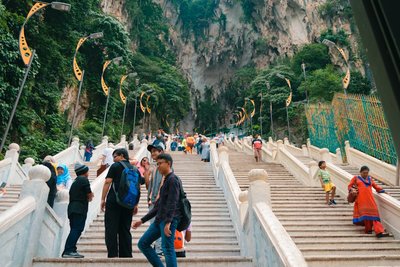
a group of people walking up stairs with Batu Caves in the background
i

a group of people walking up stairs with Batu Caves in the background

Photo by Job Savelsberg

Batu Caves

Colorful stairways lead to Hindu shrines inside soaring limestone caves, where festivals like Thaipusam fill Batu Caves with music and devotion. Watch cheeky monkeys play. Climb 272 steps, then marvel at temple carvings and skyline views.

Learn More
a view of a street through a gate
i

a view of a street through a gate

Photo by Kazi Mahmood

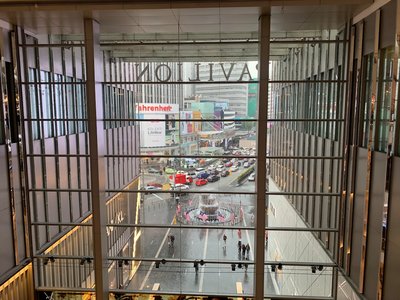
Pavilion Kuala Lumpur

Pavilion Kuala Lumpur blends global brands with local boutiques in Bukit Bintang’s busy shopping district. Savor Malaysian street food at the gourmet food court, explore art installations, and watch cultural shows in stylish, lively surroundings.

Learn More
kuala lumpur, malaysia, asia, park, city center, kuala lumpur, kuala lumpur, kuala lumpur, kuala lumpur, kuala lumpur
i

kuala lumpur, malaysia, asia, park, city center, kuala lumpur, kuala lumpur, kuala lumpur, kuala lumpur, kuala lumpur

Photo by 5075499

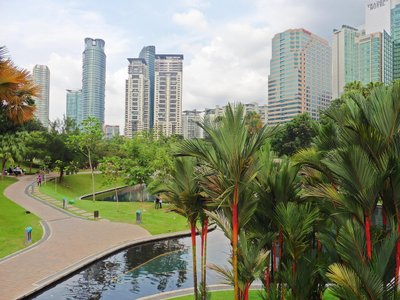
KLCC Park

Lush lawns and shady trees frame KLCC Park, right beneath the famous Petronas Towers. Joggers circle the 1.3 km track. Kids dash through the water fountain plaza. Locals gather for evening music near the Lake Symphony.

Learn More
people walking on sidewalk near building during daytime
i

people walking on sidewalk near building during daytime

Photo by Johen Redman

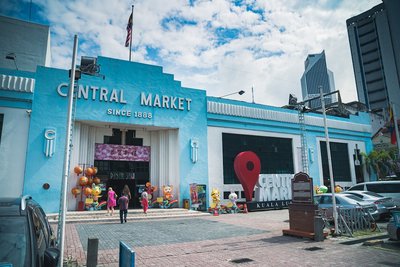
Central Market

Central Market in Kuala Lumpur bursts with local crafts, vibrant batik shops, and daily cultural shows. Shoppers browse handmade jewelry, sample Malaysian snacks, then watch artisans paint in the Annexe Gallery.

Learn More

How to get there

By air

Kuala Lumpur is served by Kuala Lumpur International Airport (KLIA and KLIA2) with extensive connections to Asia, Europe, and beyond. Most international and domestic flights land here. The airport is about 45 km south of the city centre.
Options to get to town:
Taxi
Price:
RM 75-100 (fixed coupon taxi or metered taxi)
Duration:
45–60 minutes
Where to buy:
Airport taxi counters at the arrival hall
Airport bus
Price:
RM 12–15 (one-way)
Duration:
60–75 minutes
Where to buy:
Tickets at the bus counters at KLIA/ KLIA2
Train/shuttle
Price:
RM 55 (KLIA Ekspres one-way, adult)
Duration:
28 minutes (KLIA Ekspres to KL Sentral)
Where to buy:
KLIA Ekspres ticket counters, automated machines, online, or Touch 'n Go

By train

Kuala Lumpur is the main rail hub of Peninsular Malaysia, served by intercity KTM ETS trains connecting cities like Butterworth (Penang), Ipoh, and Gemas. Trains arrive at KL Sentral, the central transport terminal.
Useful websites for train tickets:

By car

You can reach Kuala Lumpur via Malaysia’s comprehensive highway network. The North-South Expressway and other main routes connect the city with other towns and the Thai and Singaporean borders. KL has a well-developed road network, but expect heavy traffic during rush hours.
Additional charges to be aware of:
Toll / vignette / emission sticker
Cost:
Variable (approximately RM 25–60 depending on distance; tolls are electronic)
How to pay:
Reloadable Touch 'n Go card, available at petrol stations and highway rest areas
Other driving costs
Cost:
Parking fees (RM 2–5/hour in city centre); fuel ~RM 2.05/litre (RON95 petrol)
How to pay:
Parking payment at parking meters or apps; fuel at petrol stations

How to get around

Public transport

Kuala Lumpur’s public transport is efficient and affordable, comprising LRT (Light Rail Transit), MRT (Mass Rapid Transit), Monorail, KTM Komuter trains, and buses (RapidKL network). Trains connect major districts and tourist attractions, while buses cover areas not reached by rail. The MyRapid Touch ‘n Go card can be used on most modes for convenience.

Ticket options:
Ticket TypePriceWhere to buy
Single ticketFrom RM1.30 depending on distanceTicket machines or counters at stations
Day passRM5-RM15, varies by network/coverageStation counters (look for RapidKL/Touch 'n Go sales points)

Taxis & ridesharing

Taxis are widely available but use metered taxis to avoid overcharging. Ridesharing apps offer a more transparent, cashless experience; they're popular for convenience and clear pricing.

Service providers:
ProviderPriceHow to book
Local taxiBase fare ~RM3, then RM0.80/kmHail on street, taxi stands, or use taxi booking apps
Ridesharing app (Grab/InDrive)From RM5 for short tripsVia Grab or InDrive mobile apps

Car rental

Car rentals are available from international and local companies, suitable for exploring suburbs or making day trips beyond KL. Traffic and parking can be challenging in the city center.

Rental options:
ServicePriceHow to book
Daily rentalFrom RM80-RM150 per day for economy carsRental desks at airports, major hotels, or company branches
Weekly rentalAround RM500-RM900 per weekRental company branches or their official websites

Bike & scooter rental

Bicycle and scooter rentals are available through local shops or sharing platforms. They're a fun option for short distances, tourist zones, or parks, though traffic may not be ideal for cyclists.

Rental options:
ServicePriceHow to book
Bike rentalFrom RM15 per hourTourist spots, central parks (e.g., KLCC Park), or local bike shops
Scooter rentalFrom RM35-RM50 per dayLocal rental shops or sharing app kiosks

What to eat

The clang of woks, wafts of smoky satay, a rainbow of spices—Kuala Lumpur seduces the senses before you even take a bite. Most days, the city feels like one great, open-air kitchen. Steam rises from hawker stalls, teasing you with aromas that follow you down bustling lanes or past glossy shopping malls. There’s no better way to know Malaysia’s capital than through lip-tingling sambal, charcoal-seared meats, and an endless parade of noodles. The food here is loud, joyful, and addictive. Prepare to eat until you can’t move.

Signature Dishes

  • Nasi Lemak: Malaysia’s beloved coconut rice, served with spicy sambal, crispy anchovies, roasted peanuts, a hard-boiled egg, and cooling cucumber. Creamy, fiery, and rich—usually eaten for breakfast but delicious all day.
  • Char Kway Teow: Stir-fried flat rice noodles flashed with soy sauce, plump shrimp, egg, and crunchy bean sprouts. Smoky from the wok, briny, and every slurp screams Kuala Lumpur.
  • Satay: Skewers of marinated chicken or beef grilled over charcoal, served with peanut sauce and a side of cucumber and onion. The scent alone draws street crowds in droves.
  • Roti Canai: Flaky, crisp-edged flatbread folded over itself, often paired with spicy dhal or curry. Watching the cooks stretch and toss dough is its own street-side show.
  • Hokkien Mee: Thick yellow noodles braised in dark soy sauce with slices of pork, squid, and cabbage. Black, glossy, and comfort food at its finest.

Street Food & Markets

The real flavor of Kuala Lumpur lives in the open markets and side streets. Jalan Alor is pure energy after dark. Here, hawker stalls line both sides, grilling chicken wings by the hundred. Try spicy cockles, smoky satay, and ice-cold coconut water while perched on a rickety plastic stool.

Chinatown’s Petaling Street teems with vendors who dish up chewy chee cheong fun and herbal duck soup late into the night. At Kampung Baru night market, taste lemang—sticky rice grilled over bamboo, paired with fragrant rendang. Watch out for price hikes during tourist surges, and sometimes long waits—but the buzz is unmatched.

Sweet Treats & Drinks

Save room for dessert—KL knows how to finish strong. Cendol, a bowl of crushed ice with pandan jelly, beans, and coconut milk, soothes burning taste buds. Kuih lapis offers colorful, layered bites of coconut cake at street stands and bakeries.

Wash it down with teh tarik, sweet and frothy pulled tea, or ais bandung—rose syrup milk over ice. These local drinks hit different in the city’s sticky heat.

Why Travelers Eat Here

  • Diverse Flavors: Chinese, Indian, Malay, and global influences make every meal unique.
  • Food Culture: Eating out is a daily ritual; everyone has a favorite market or hidden stall.
  • Street Food Energy: Hawker stalls serve incredible food for a fraction of restaurant prices.
  • Nightlife Eats: Late-night cravings can always be satisfied—few cities stay open as late and lively.

Kuala Lumpur’s soul simmers in woks and boils in claypots. Taste your way through the city, and you’ll never see the world—or dinner—the same way again.

Top Rated Restaurants

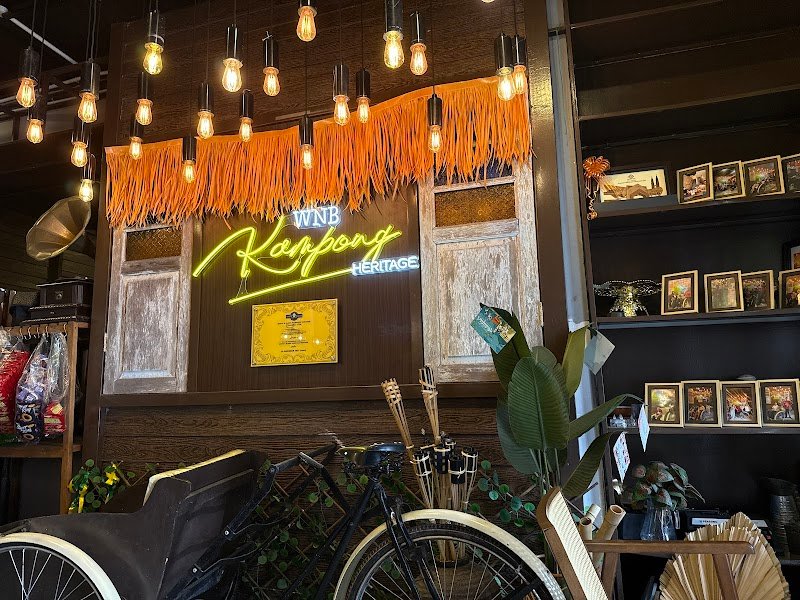
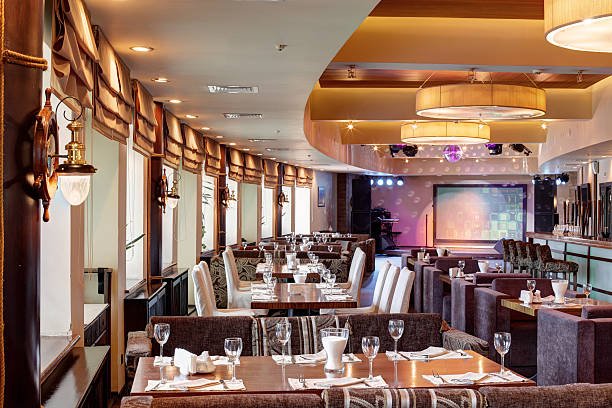
WHITE & BLACK KAMPONG HERITAGE

WHITE & BLACK KAMPONG HERITAGE

4.8 (3.9k reviews)
Location15, Jalan Kamunting, Chow Kit, 50300 Kuala Lumpur, Wilayah Persekutuan Kuala Lumpur, Malaysia
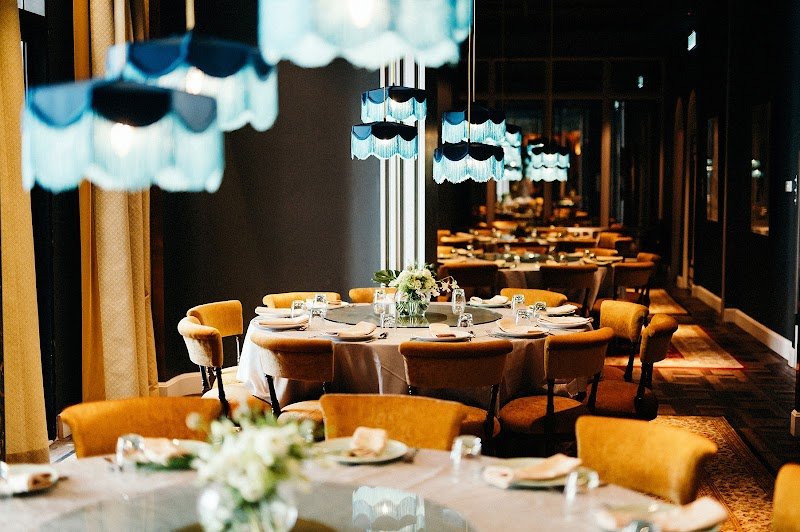
Beta KL

Beta KL

4.8 (1.3k reviews)
LocationLot 163, 10, Jalan Perak, Kuala Lumpur, 50450 Kuala Lumpur, Wilayah Persekutuan Kuala Lumpur, Malaysia
De.Wan 1958 by Chef Wan

De.Wan 1958 by Chef Wan

4.7 (7.5k reviews)
$$$
LocationThe Linc, 360, Jln Tun Razak, Taman U Thant, 50400 Kuala Lumpur, Wilayah Persekutuan Kuala Lumpur, Malaysia
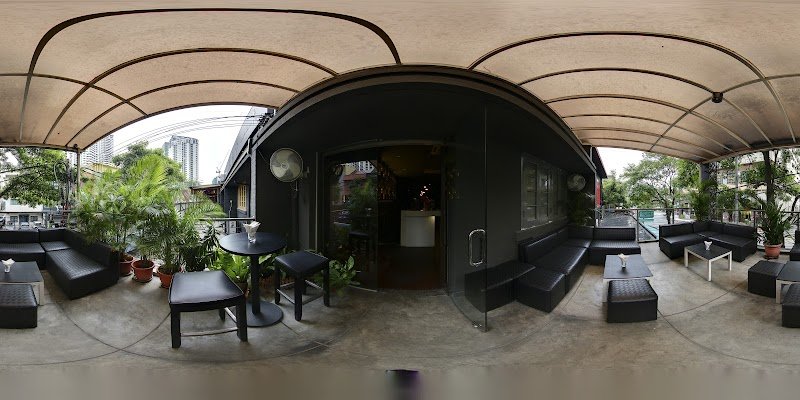
Dining In The Dark KL

Dining In The Dark KL

4.7 (1.1k reviews)
$$$
Location50A, Changkat Bukit Bintang, Bukit Bintang, 50200 Kuala Lumpur, Wilayah Persekutuan Kuala Lumpur, Malaysia
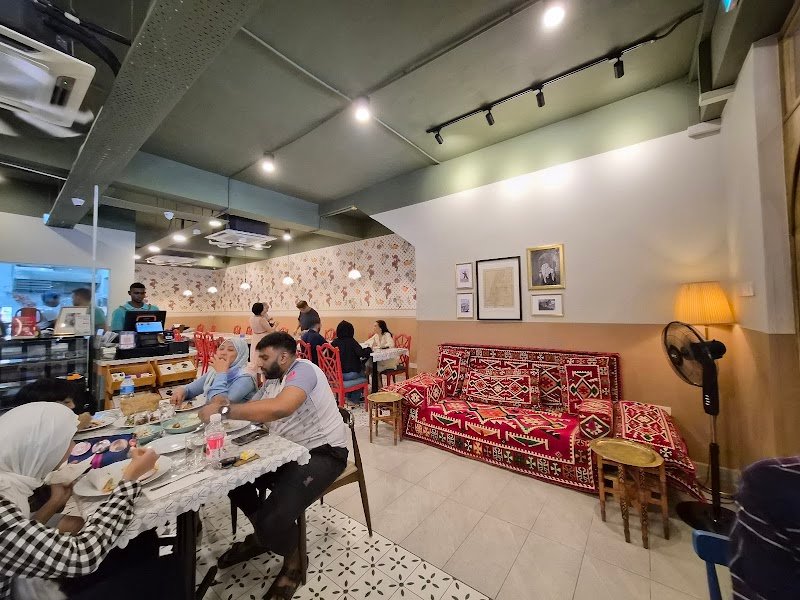
YAFA RESTAURANT

YAFA RESTAURANT

5.0 (464 reviews)
KosherKosher
Location7, Lorong Datuk Sulaiman 7, Taman Tun Dr Ismail, 60000 Kuala Lumpur, Wilayah Persekutuan Kuala Lumpur, Malaysia

Accommodations

Arriving in Kuala Lumpur often means your senses whirl amid glass towers and tangled street food alleys. Here, ancient mosques stand beside glittering malls. Choosing where to sleep shapes how you’ll see the city. Wrong neighborhood? You might miss morning markets or pulsing nightlife. Picking the right spot unlocks your best Kuala Lumpur.

Neighborhood Overview

  • Bukit Bintang: This is the city’s action hub. Bars, food courts, and malls stay busy long after midnight. Great for night owls and urban explorers—maybe not the best for light sleepers.
  • KLCC: Dominated by the Petronas Towers, this area feels polished and modern. Swanky hotels and upscale condos nestle between leafy parks. Couples and business travelers love the easy transit and luxury air.
  • Chinatown (Petaling Street): Here, old shophouses give way to a tapestry of markets. Noisy and colorful—authentic but with fewer comforts. Backpackers and bargain hunters find low-cost beds and easy access to local eats.
  • Bangsar: Younger crowds and expats socialize in Bangsar’s lively cafes and lounges. The neighborhood feels relaxed yet trendy with leafy streets and indie shops. Young professionals and café-hoppers will fit right in.
  • Brickfields: Known as Little India, Brickfields bursts with color, spices, and temples. Mid-range hotels and guesthouses line the main streets. Families love its safe vibe and the easy walk to KL Sentral station.

Types of Accommodation

  • International Hotels: KLCC has chains like Mandarin Oriental; rooms usually start around USD 100/night. Top-notch service, facilities, and skyline views—the full package.
  • Boutique Hotels and Hostels: Chinatown and Bangsar offer quirky hostels (BackHome, The Bed) and creative hotels (MoMo's, KLoe). Prices range from USD 15 for dorm bunk to USD 80 for a cozy private room.
  • Serviced Apartments & Condos: Short-stay condos in Bukit Bintang or near KLCC cater to families or groups, with kitchens and pools. Expect USD 60–150 per unit, depending on size and location.

Insider Tips for Booking

Book 4–8 weeks ahead for the best deals, and always check cancellation terms. Avoid public holidays if you can—prices spike during the Eid, Chinese New Year, and school breaks. The bill may include a tourist tax (RM 10/night, about USD 2.20). Watch for extra service charges at hotels.

Nights in Kuala Lumpur hum with neon colors, early mornings echo with prayer calls. Your choice of home will shape the feel of each day and memory. Pick your base, savor both shadow and shine. This city gives back what you ask of it, and always a little bit more.