a street with buildings on both sides
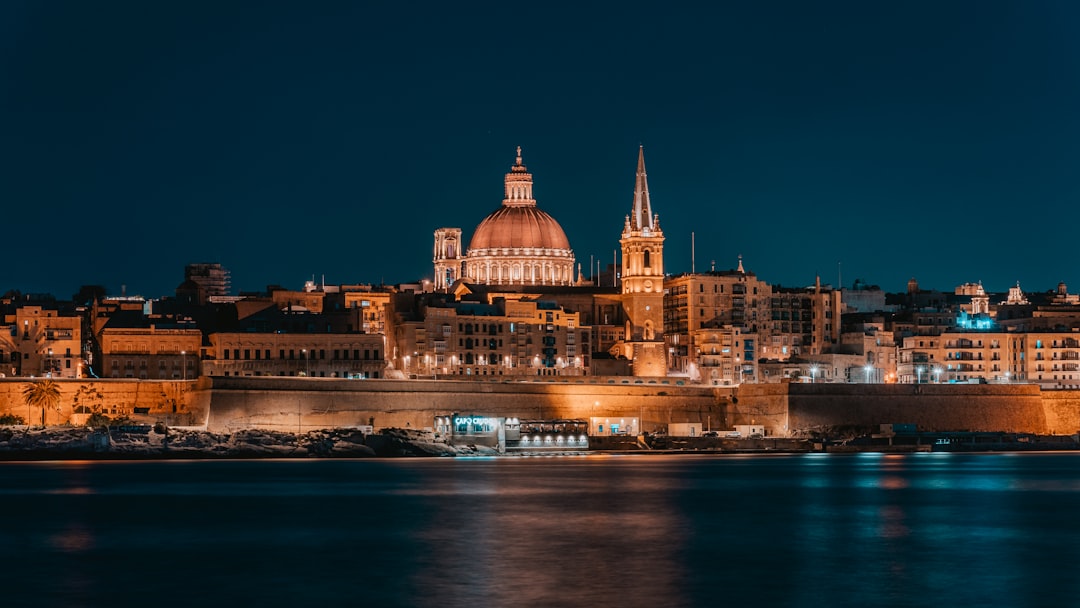
a night view of a large city with a cathedral
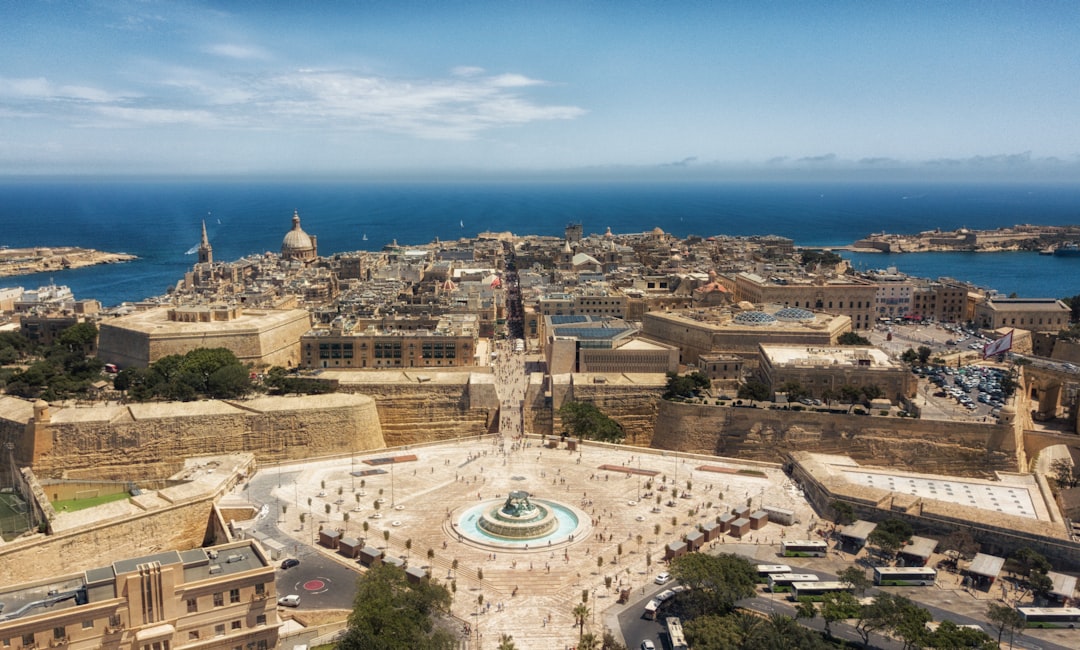
aerial view of city buildings during daytime
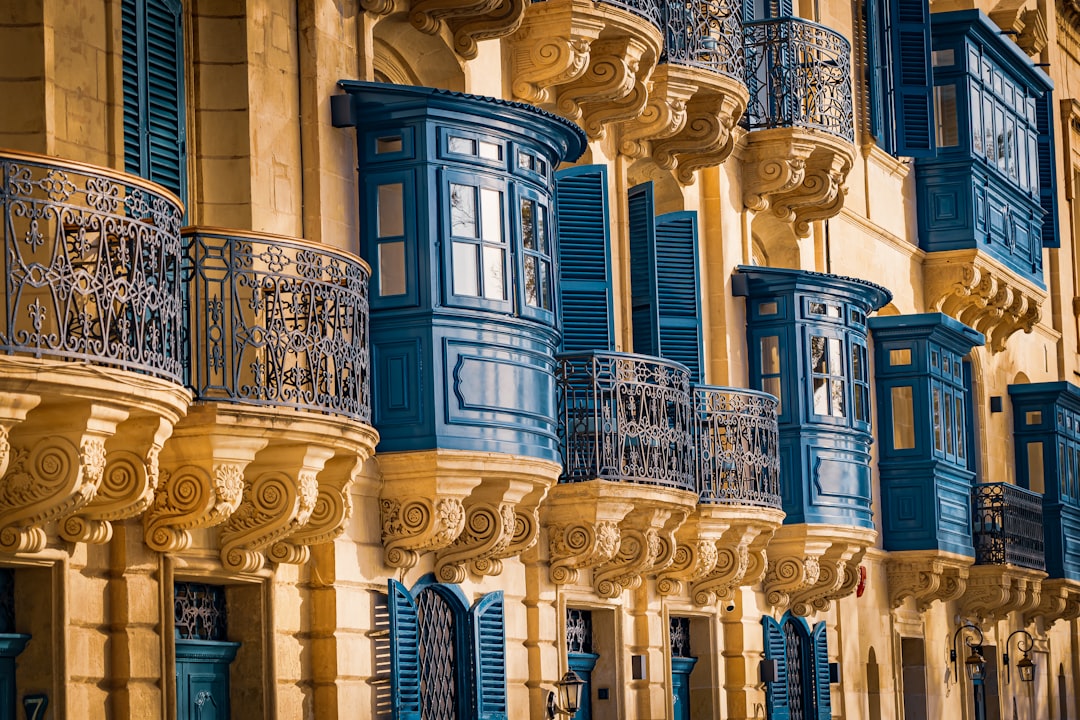
a building with many balconies

Valletta

Malta
Art & ArchitectureReligious & SpiritualHistoricalCulturalUNESCO World Heritage
i

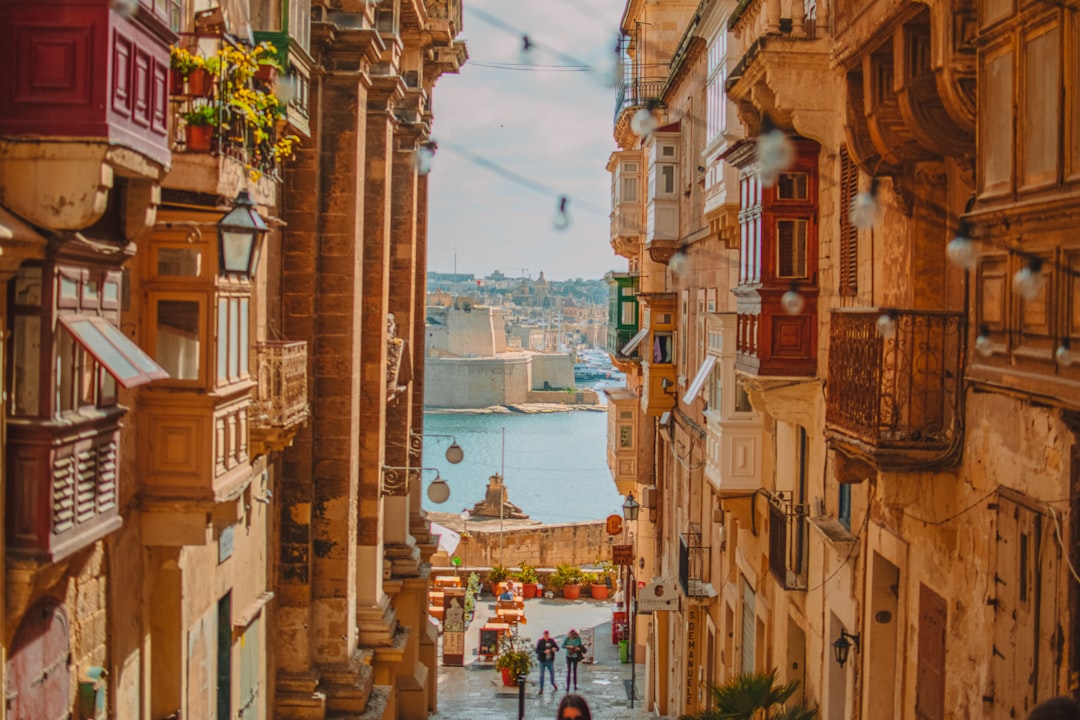
a street with buildings on both sides

Photo by Michail Tsapas

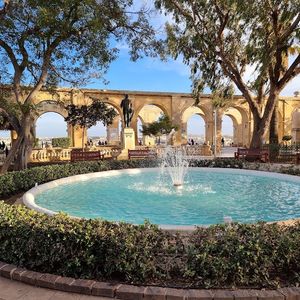
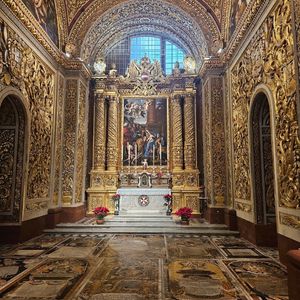
Valletta hits you first with its light: honeyed stone glowing against deep blue water. Walk down Republic Street and the air smells of coffee and seawater, mixed with the faint tang of old limestone. Knights’ balconies lean overhead, painted bright against the walls. In the Upper Barrakka Gardens, cannons face the harbour where ferries and yachts drift. At noon, the gun salute echoes across the water. Stop for pastizzi at a corner café—flaky, warm, and gone in two bites. In the co-cathedral, Caravaggio’s brushwork pulls you into shadow and gold. Evenings, Strada Stretta comes alive with music spilling from doorways. Valletta’s small; you can cross it in minutes, but the layers run deep. Some alleys smell of salt and history, others hum with laughter and wine. The wind can bite in winter, but summers bring warm nights and open-air concerts. Best moments? Always half-planned: a sudden view over the bastions, a shared bottle at sunset, the quiet of stone steps after midnight. Valletta’s charm isn’t flashy; it’s a slow, steady kind that settles into your bones.

Quick Facts

currency
EUR
languages
Maltese, English
airports
Malta International Airport
size
Small Town
power
Type G
timezone
Central European Time (CET), UTC+1 (UTC+2 in summer)
safety
Very safe
costs
Moderate

General Information

Safety indexValletta, and Malta overall, is considered very safe for tourists, with a safety index around 75 out of 100. Petty crime like pickpocketing can occur in crowded areas, so standard precautions are advised, but violent crime is rare.

Best Time to TravelThe best time to travel to Valletta is during spring (April to June) and autumn (September to October), when the weather is pleasant, temperatures range from 18°C to 28°C, and major festivals take place.

Least crowded and still a good time to visitNovember and early December, as well as late February to March, are less crowded yet still have mild weather (average highs of 16-19°C). These periods are good for sightseeing, and accommodation prices tend to be lower.

BudgetA mid-range traveler can expect to spend €80–€130 per day, including accommodation, meals, public transportation, and entry fees to attractions. Budget travelers can manage on €50–€70 per day, while luxury travelers should plan for €200+ per day.

Healthcare and VaccinationsMalta boasts a good healthcare system with modern facilities in and near Valletta. EU residents with a European Health Insurance Card (EHIC) can access basic medical services. Travel insurance is recommended for all visitors. No special vaccinations are required beyond routine immunizations.

Visa RequirementsMalta is a member of the Schengen Area. Citizens of EU/EFTA countries do not need a visa. Visitors from the US, Canada, Australia, the UK, and many other countries can enter visa-free for up to 90 days within a 180-day period. Check official government sources for the latest requirements based on your nationality.

Weather in Valletta

°C°F
3799
2984
2169
1254
439
Jan
Feb
Mar
Apr
May
Jun
Jul
Aug
Sep
Oct
Nov
Dec
3020100
Avg. min. temperature
Avg. max. temperature
Avg. precipitation days

First-time travelers

Valletta announces itself long before arrival. Golden limestone rises above sparkling blue sea, sunlight warming the fortifications of a city built by knights. First-time visitors can expect stories in every stone, corners filled with Mediterranean life, and a symphony of church bells echoing through tangled streets.

Getting Your Bearings

The city’s small size is misleading. Each alley leads somewhere unexpected. Begin at the City Gate, marveling at Renzo Piano's modern addition against ancient walls. Republic Street pulses with locals chatting over pastizzi and sweet Kinnie. These stone streets are more than just pathways; they tell of sieges and celebrations.

The air tastes of salt and cumin. Red-painted balconies overlook laundry flapping above slender shops. Pick up a ricotta-filled qassatat from a bakery, still warm from the oven. Stroll past artisan jewelers, their windows glowing with filigree silver. Valletta’s rhythm feels both ancient and brisk, like it remembers every era but never stands still.

Classic Valletta Experiences

One never forgets the honeycomb hush of St. John’s Co-Cathedral. Its baroque riches shimmer under the watch of Caravaggio’s masterpiece. Pause in the Upper Barrakka Gardens at noon when cannons boom across the Grand Harbour. Beneath, watch ferries dart to Senglea and Birgu, shimmering in Maltese sunlight.

  • Try imqaret, date-stuffed pastries, at Café Cordina.
  • Peek into the open-air market on Merchant Street before midmorning.
  • Visit a traditional għana (folk music) night for songs in Maltese dialect.

Valletta belongs to its people. Listen as grandparents gossip in winding piazzas. Buy tiny sea salt crystals at a shop older than most countries. By evening, as cathedral domes glow rose-gold, you’ll find yourself already a little bit local.
Return travelers

Valletta changes its tone for the returning traveler. You’ve seen the cathedral, the gardens, and the bustling main streets. This time, the heart of the city beats softer, deeper. The drama of first impressions fades, inviting curiosity below the surface.

Behind Valletta’s Facades

Slip down narrow St. Ursula Street in morning mist, where old shutters creak open onto stone courtyards. Find Muże-Xjenza, the Science Museum, set quietly among 16th-century bastions with views others often miss. Take a seat at Is-Serkin, ordering strong coffee as fishermen debate politics nearby.

Beneath Valletta’s famous glow sits its real soul. Look for wall shrines of San Pawl, bouquets left for saints on faded tile. Restaurants tucked in vaulted cellars, like Nenu The Artisan Baker, serve ftira drizzled with oil and capers—ask for extra olives. Maltese phrases sing in the air, local humor filling the gaps between English and Italian.

Hidden Corners and Local Rituals

Forget rushing. Linger at Guttenberg Press, rifling through old maps. Let time pass in a wine bar on Strait Street, once infamous, now electric with jazz and soft laughter. Above, find art in Spazju Kreattiv, where exhibitions turn Renaissance walls into canvases for bold, new Maltese voices.

  • Browse Thursday’s antique market at St. John's Square for odd ceramics or war tokens.
  • Share a late plate of rabbit stew in a family-run piazza eatery.
  • Attend a small play or poetry night at Teatru Manoel’s studio instead of the main stage.

Here, Valletta tells quieter stories. It rewards familiar footsteps with new secrets and a welcome that grows warmer each time you return.

Must-see locations

Google Places photo
i

Google Places photo

Photo by Bruno Pascoal

Upper Barrakka

Terraced gardens overlook Grand Harbour at Upper Barrakka in Valletta, Malta. Watch the noon-day Saluting Battery, stroll among statues of national figures, then snap sweeping city views. Popular with locals during sunny afternoons.

Learn More
Google Places photo
i

Google Places photo

Photo by riz k

St. John's Co-Cathedral

St. John's Co-Cathedral in Valletta stuns with its golden Baroque interiors and ornate marble floors. Walk beneath vaulted ceilings, explore Caravaggio’s famous artwork, and feel the pulse of Malta’s rich history.

Learn More

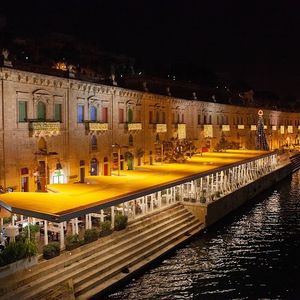
The Valletta Waterfront

Baroque-era arches line the Valletta Waterfront, mixing centuries-old wine warehouses with lively cafés, local boutiques, and open-air concerts. Historic bastions meet harbor views where cruise ships dock and Maltese festivals fill the promenade.

Learn More
Google Places photo
i

Google Places photo

Photo by Kornelia C

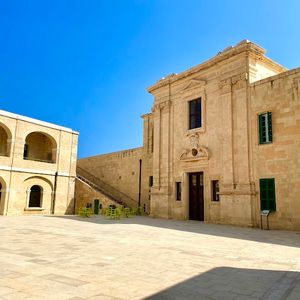
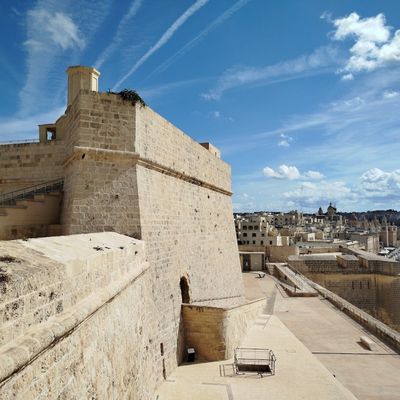
Fort St Elmo and the National War Museum

Fort St Elmo crowns Valletta’s waterfront with thick stone walls and sweeping harbor views. Inside, the National War Museum shows World War II relics, the Maltese George Cross, and hands-on exhibits that bring Malta’s history to life.

Learn More

Fort St Angelo

Fort St Angelo in Valletta rises from the Grand Harbour, where thick limestone walls frame sweeping sea views. Explore centuries-old bastions, walk the sunlit ramparts, and visit restored rooms echoing with Maltese history.

Learn More

How to get there

By air

The most efficient way to reach Valletta is by air. Malta International Airport (MLA) is the only airport in Malta and is located about 8 km southwest of Valletta. It serves direct flights from many major European cities.
Options to get to town:
Taxi
Price:
€20-€25
Duration:
15-20 minutes
Where to buy:
Taxi stand at arrivals; pre-paid taxi booth at airport
Airport bus
Price:
€2-€3
Duration:
25-35 minutes
Where to buy:
Buy directly from driver, vending machines at airport, or contactless onboard
Train/shuttle
Price:
No train/shuttle service available
Duration:
Where to buy:

By train

Valletta and Malta do not have a railway network. It is not possible to reach Valletta by train.
Useful websites for train tickets:

    By car

    You cannot drive to Valletta directly from abroad, as Malta is an island. However, you can bring a car via a ferry from Sicily or rent a car upon arrival in Malta. Driving into Valletta may be restricted, and parking is limited. Consider parking outside the city and walking or using local transport.
    Additional charges to be aware of:
    Valletta Controlled Vehicular Access (CVA) charge
    Cost:
    Varies (typically €0.82–€6/day depending on length of stay)
    How to pay:
    Charged automatically via license plate recognition upon entry
    Other driving costs
    Cost:
    Rental fees (€20–€40/day), fuel (~€1.35/litre)
    How to pay:
    Car rental agencies at the airport and in main towns

    How to get around

    Public transport

    Public transport in Valletta is primarily provided by a reliable and extensive bus network, connecting Valletta with all other towns and villages across Malta. The main bus terminal is located just outside the City Gate. Buses are frequent, economical, and a popular way for both locals and visitors to travel.

    Ticket options:
    Ticket TypePriceWhere to buy
    Single ticket€2.00 (summer), €1.50 (winter), €3.00 (night)Bus driver, ticket machines at main stops
    Day pass€2.50 (Explore Flex, short transfers), €6.00 (Explore Card, unlimited day travel)Bus ticket offices, ticket machines, buses (Explore Flex only)

    Taxis & ridesharing

    Taxis & Ridesharing are widely available in Valletta. White taxis can be found at ranks or booked in advance. Ridesharing apps are also increasingly popular, offering fixed prices and easy booking through mobile apps for convenience around the city and to the airport.

    Service providers:
    ProviderPriceHow to book
    Local taxiFares start at €15 within Valletta area, longer journeys varyTaxi ranks, phone, or official Malta taxi app
    Ridesharing appTypically €8–€20 depending on distanceBolt, eCabs mobile apps

    Car rental

    Car rental is available throughout Valletta. Due to limited parking and narrow streets within Valletta itself, renting a car is more suitable if you plan to explore the rest of Malta at your own pace.

    Rental options:
    ServicePriceHow to book
    Daily rentalFrom €20–€35 per dayLocal agencies and international chains in and around Valletta
    Weekly rentalFrom €120–€200 per weekCar rental companies near City Gate or at Malta International Airport

    Bike & scooter rental

    Bike & scooter rentals provide an eco-friendly and flexible way to explore Valletta and surrounding areas. Valletta has hilly terrain, but short distances within the city center make cycling and scootering practical for many visitors.

    Rental options:
    ServicePriceHow to book
    Bike rentalFrom €12 per dayBike rental shops in Valletta or nearby
    Scooter rentalFrom €18 per dayScooter rental outlets or mobile scooter-sharing apps

    Ferry / Boat

    Ferry services are a scenic and quick way to travel between Valletta, Sliema, and the Three Cities. Hop-on-hop-off boat tours are also available for sightseeing around the harbor.

    Useful websites for ferry tickets:

    What to eat

    Ancient honey-hued walls catch the Mediterranean sun, but Valletta’s true warmth spills from its kitchens and kiosks. Wrapped in the scent of garlic, tomatoes, and fresh bread, narrow alleys hum at noon with locals chasing lunch. Menus flutter in the breeze. The promise of crusty hobz, ricotta pastries, and slow-cooked rabbit tells you that Malta’s capital eats with heart, not haste. Walking these streets, hunger arrives before you see a table. This is a city where every meal feels woven into history’s fabric—but with plenty of bolder, modern flavors begging to be tried.

    Signature Dishes

    • Ftira: Ring-shaped Maltese bread, topped with tuna, tomatoes, capers, and olives. Crispy outside, soft inside—eaten anywhere, from picnics to taverns.
    • Stuffat tal-Fenek: A hearty rabbit stew simmered in red wine and bay leaves. Valletta’s favorite national dish, slow-cooked for depth and comfort.
    • Aljotta: Fragrant fish soup with garlic, tomatoes, and rice. Light, briny, and perfect for a summer afternoon.
    • Pastiżzi: Flaky pastries stuffed with either creamy ricotta or mushy peas. Served warm from bakery windows, great for quick bites on the go.
    • Bragioli: Beef olives—thin steak rolled around spicy minced filling, simmered in rich tomato sauce. A must for Sunday lunch.

    Street Food & Markets

    Valletta’s markets buzz every morning. The Is-Suq tal-Belt market blends old-stone charm with slick food stalls. Here, locals line up for hobz biż-żejt: sourdough dipped in olive oil, stacked with tomato paste and anchovies. Fryers sizzle with bigilla, a thick, peppery broad bean dip, served with crunchy breadsticks. Streets nearby are dotted with vendors selling imqaret, date-stuffed pastries fragrant with orange zest.
    Street food shines here, but so do the crowds. Late mornings get jammed with tourists swapping euros for pastizzi. The food courts are pricier, but some tucked-away stands still offer deals. Always follow the locals to the counter.

    Sweet Treats & Drinks

    No walk is complete without a detour for kannoli—crisp pastry tubes bursting with sweet ricotta. Maltese nougat, spiked with honey and toasted almonds, appears at every corner. For a caffeine kick, strong local coffee is everywhere, working well with a slice of qagħaq tal-għasel, a sticky treacle ring. Or brave a can of Kinnie, Malta’s bittersweet orange soda, for true local flavor.

    Why Travelers Eat Here

    • Diversity: A crossroads of Mediterranean, North African, and British tastes in every kitchen.
    • Street Food Culture: Bakeries and markets serve affordable, handheld bites perfect for exploring.
    • Tradition Meets Trend: Classic village favorites stand alongside modern bistros and wine bars.
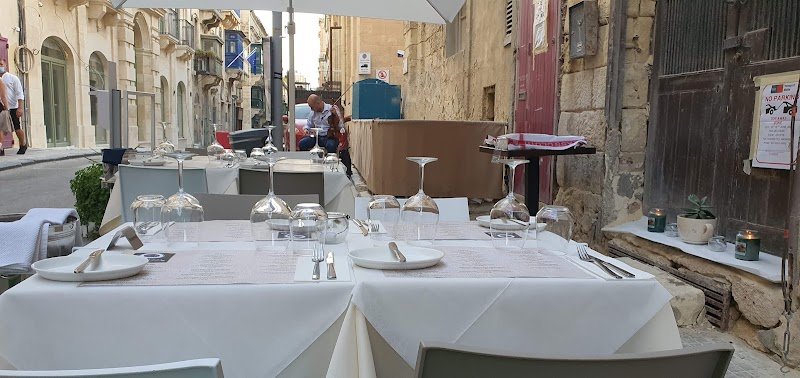
    • Atmosphere: Alfresco dining in sunlit squares, with sweeping vistas of shimmering blue sea.

    In Valletta, every meal is a doorway to Malta’s bustling present and layered past. With salt air clinging to your lips and a pastry in hand, you feel the city’s pulse: bold, bright, and always inviting you back for one more bite.

    Top Rated Restaurants

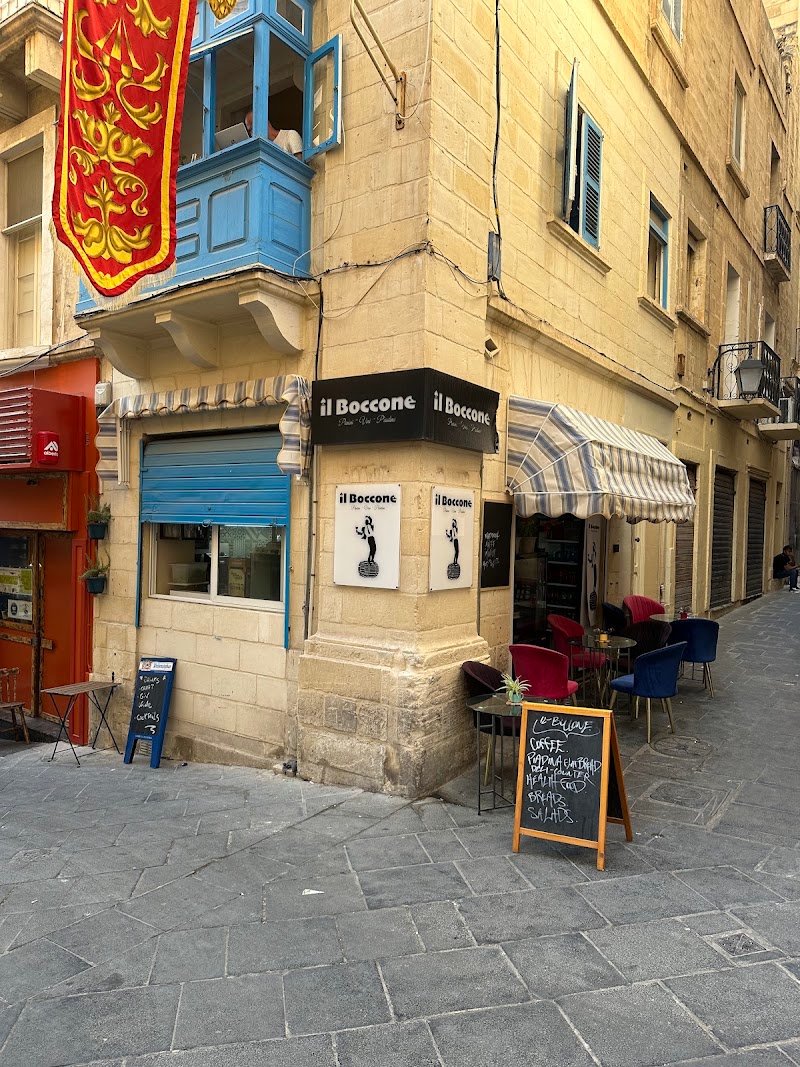
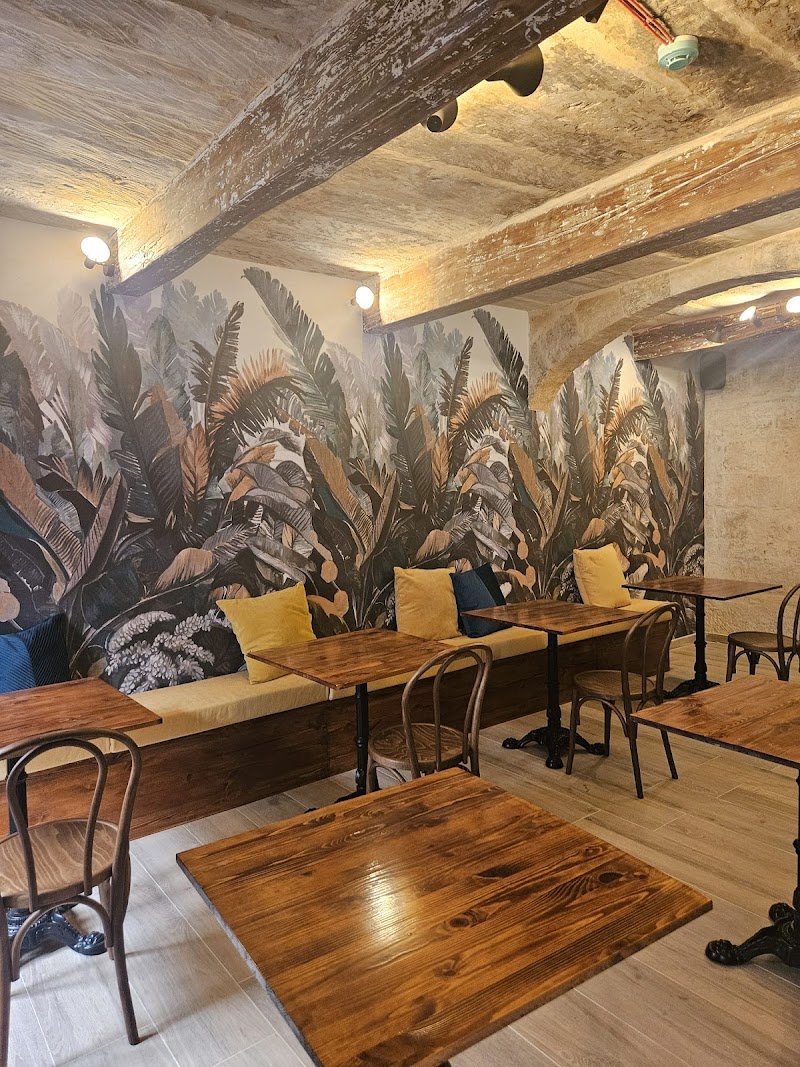
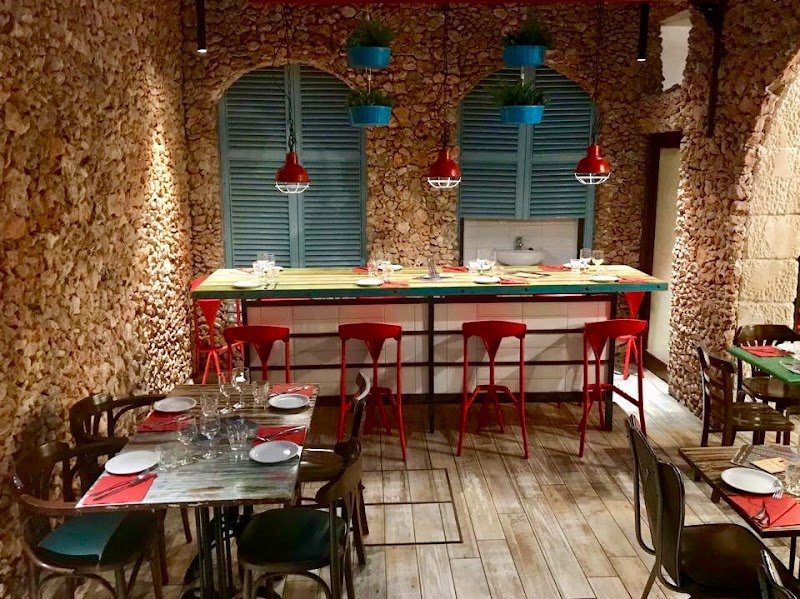
    il Boccone

    il Boccone

    4.9 (366 reviews)
    $
    LocationVGX6+GV4, Strait St, Valletta, Malta
    1522 a food story

    1522 a food story

    4.9 (1.4k reviews)
    $$
    Location188a St. Lucia's Street, Il-Belt Valletta, Malta
    Beati Paoli Restaurant

    Beati Paoli Restaurant

    4.8 (1.1k reviews)
    $$$
    Location240 St Paul St, Valletta, Malta
    Sotto Pinsa Romana Valletta

    Sotto Pinsa Romana Valletta

    4.7 (5.2k reviews)
    $$
    Location32 South St, Valletta, Malta
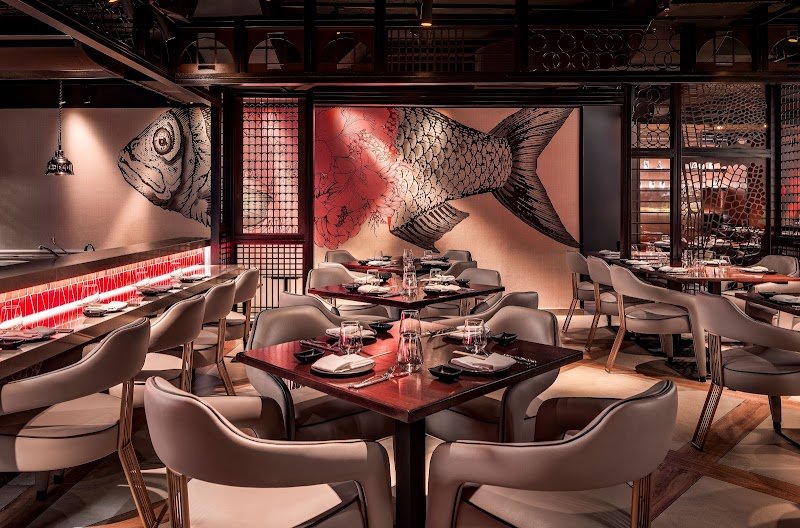
    AKI - Japanese Restaurant & Cocktail Bar

    AKI - Japanese Restaurant & Cocktail Bar

    4.7 (4.2k reviews)
    $$$
    Location175 Strait St Corner of St. Street and Santa Lucia St Valletta, Valletta VLT 1455, Malta

    Accommodations

    First-time visitors to Valletta often expect sandstone charm around every corner. The reality is more nuanced. Choosing where to stay matters as much as what you plan to explore. Your home base will shape your relationship with Malta’s capital—day and night. Some areas whisper quiet, sun-dappled mornings. Others are full of festive laughter after sundown. Valletta is compact, but its neighborhoods feel distinctly different.

    Neighborhood Overview: Where to Stay

    • The City Core: Here, UNESCO-listed streets buzz with history and foot traffic. Cafés hum early, bells ring, and tourists stop for selfies beside golden facades. Great for couples and history fans, but nights can be noisy, especially near Republic Street.
    • Upper Barracca Area: Overlooking the Grand Harbour, this zone is quieter and slightly removed from the bustle. Many places offer stunning city or sea views. Perfect for romantic escapes or solo travelers who value calm. Mornings begin with salty breezes, while evenings are hushed and cool.
    • Lower Valletta (near Marsamxett): Streets here slope gently toward the water, with small groceries and fewer crowds. Locals live beside restored townhouses. Young families and those on longer stays will appreciate the slower pace, but expect a fair amount of uphill walking back to the center.
    • Strait Street Quarter: Once famous for music clubs and boisterous sailors, this lane is lively again. Hip bars and boutique hotels nestle in alleyways. Night owls and culture lovers will thrive here. For those craving quiet, rooms can feel close to the action.

    Types of Accommodation

    • Historic Boutique Hotels: Converted palazzos like Casa Ellul or The Saint John. Expect €180–300 per night, often with roof terraces.
    • Guesthouses and Apartments: Affordable, private, and often self-catered. Spots like Valletta Lucente or 66 Saint Paul’s offer rooms from €80–150 per night.
    • Budget Hostels: Simple, social, and clean, such as Vallettastay Dormitory. Shared beds from €30–60 nightly, usually in restored buildings.

    Insider Tips for Booking

    Spring and early autumn bring mild weather and lighter crowds; book at least two months out. Peak summer rates jump, and certain festivals fill hotels fast. Most listings include Malta’s 5% eco tax. For the best value and views, ask about top-floor or balcony rooms.

    Evenings fall softly in Valletta. Lamps glow, and church towers catch the last sun. From a window or terrace, the city feels timeless—and so does the pleasure of choosing just the right corner to call home.