a large white building with a clock tower
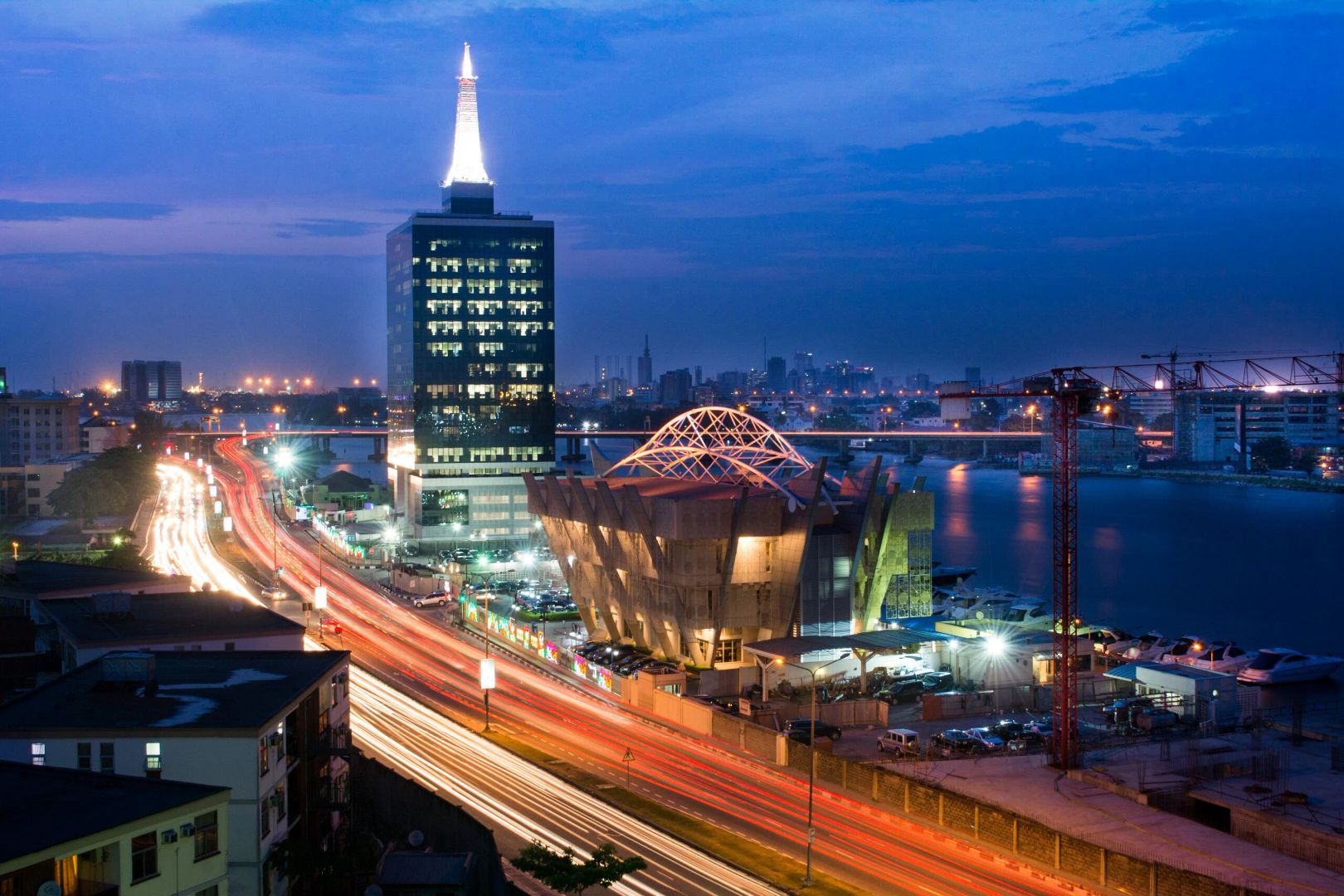
Beautiful view of Lagos

Lagos

Nigeria
CulturalEntertainment & LeisureMarketplace & ShoppingUrban Highlights
i

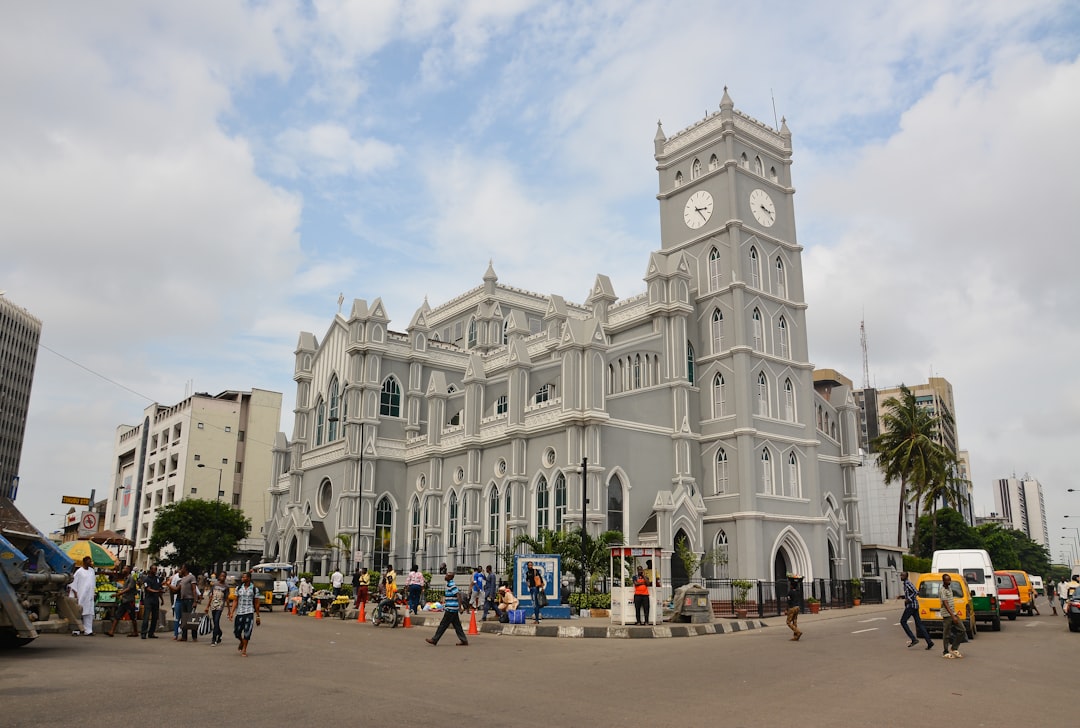
a large white building with a clock tower

Photo by Opeyemi Adisa

Lagos hits you first with sound: honking danfos, street vendors calling, Afrobeats thumping from open-air bars. The air carries a salty tang from the Atlantic, mixed with grill smoke and diesel. Victoria Island’s skyscrapers gleam, but the real life hums in places like Lekki Market, where you can haggle for beads and fabric. On weekends, Tarkwa Bay’s waves are perfect for a swim, while Freedom Park hosts live music under starry skies. Traffic crawls, sure, and the heat can stick to you, but a plate of jollof rice fixes most of that. Lagos never rests, and somewhere in the bustle, you find its rhythm.

Quick Facts

currency
NGN
languages
English
airports
Murtala Muhammed International Airport
size
Mega City
power
Type D, Type G
timezone
West Africa Time (UTC+1)
safety
Unsafe
costs
Moderate

General Information

Safety indexLagos has a moderate to low safety index compared to some global cities. Petty crime such as pickpocketing and occasional scams are common, especially in crowded areas. Some areas of the city can be unsafe at night. Travelers are advised to stay alert, use reputable transportation, avoid isolated areas, and monitor local news. Seek local advice regarding areas to avoid.

Best Time to TravelThe best time to visit Lagos is during the dry season, from November to March, when there is less rain and humidity, making outdoor activities and exploration more comfortable.

Least crowded and still a good time to visitThe months of April and October are considered shoulder seasons in Lagos. The weather is still pleasant but there are fewer tourists than during the peak dry season, making it a great time for those seeking smaller crowds and better deals.

BudgetLagos can be more expensive than other Nigerian cities. Budget travelers can expect to spend about $50–$80/day, covering accommodation, food, and local transportation. Mid-range travel may cost $120–$200/day or more. Prices can rise significantly for premium accommodations and international dining.

Healthcare and VaccinationsHealthcare in Lagos varies; private hospitals provide higher quality services than public ones but can be expensive. Travel insurance with coverage for medical emergencies is highly recommended. Travelers should bring necessary medications and consider medical evacuation coverage.

Visa RequirementsMost travelers require a visa to enter Nigeria. The Nigerian government offers e-visa options for some nationalities, but supporting documents (invitation, hotel bookings, etc.) are often needed. Check with the Nigerian embassy or consulate in your country for the latest requirements and application procedures.

Weather in Lagos

°C°F
39102
3492
2882
2373
1763
Jan
Feb
Mar
Apr
May
Jun
Jul
Aug
Sep
Oct
Nov
Dec
3020100
Avg. min. temperature
Avg. max. temperature
Avg. precipitation days

First-time travelers

Few cities stir the senses like Lagos. Thunderous horns, swirling market crowds, music that pounds at night and soothes in the morning—this West African giant pulses with restless energy. First-time visitors may feel swept into the current, caught between anticipation and awe.

Arrival and First Glimpses

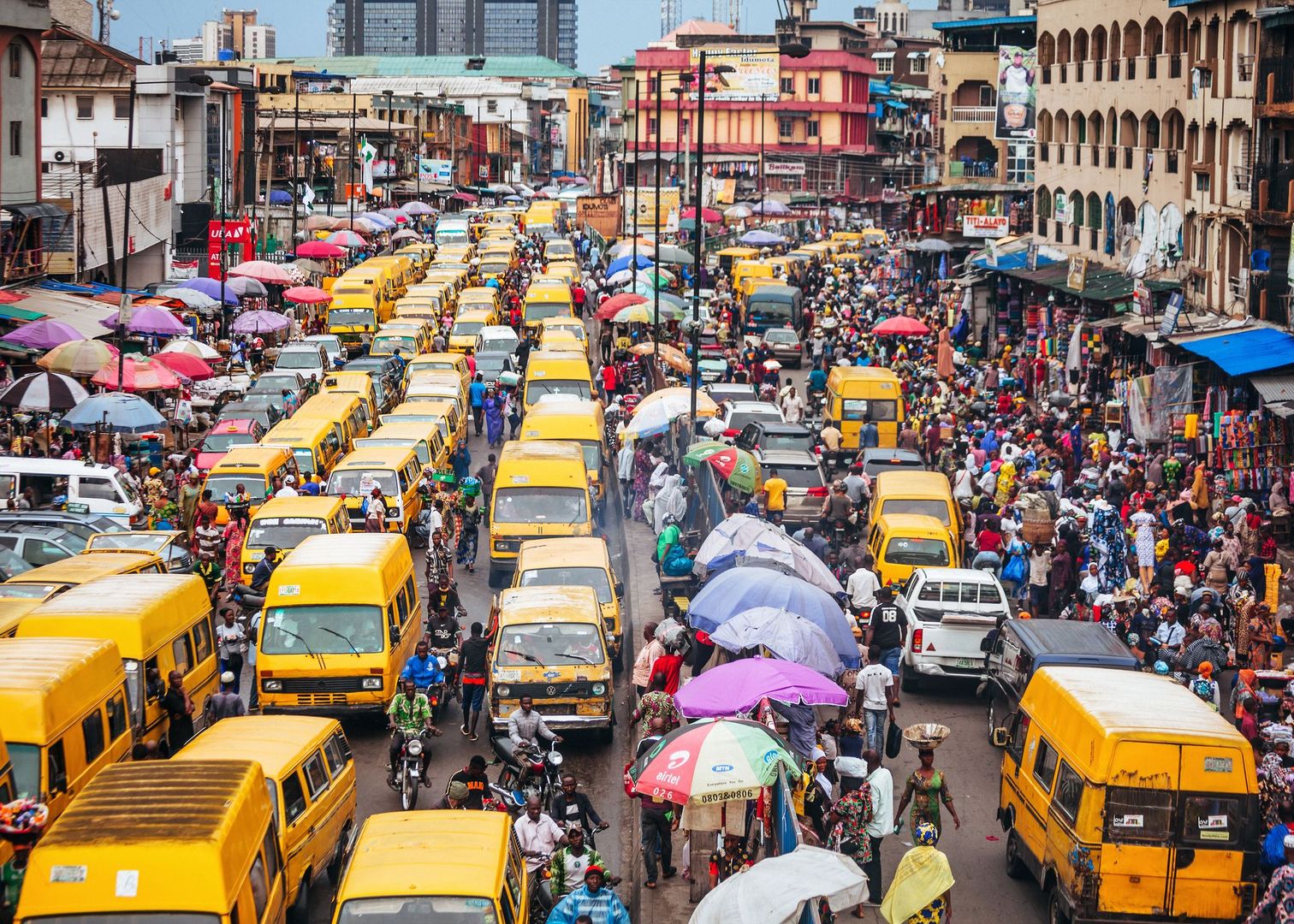
Each journey begins on the busy Lagos streets. Traffic—often gridlocked—serves as both soundtrack and patience test. Take it slow. Observe women balancing piles of oranges, danfo buses plastered with bold slogans, and quick-fingered vendors moving at every intersection. That’s Lagos: alive, unruly, and always an open-air show.

Venture past Victoria Island’s towers and discover the Portuguese-influenced Balogun Market. Squeeze through narrow aisles of Ankara fabrics, beads, and scent-laden spice stalls. Try your first boli—smoky roasted plantain—from a corner hawker. This may be your first taste, but it’s an old comfort for locals.

Tasting and Listening

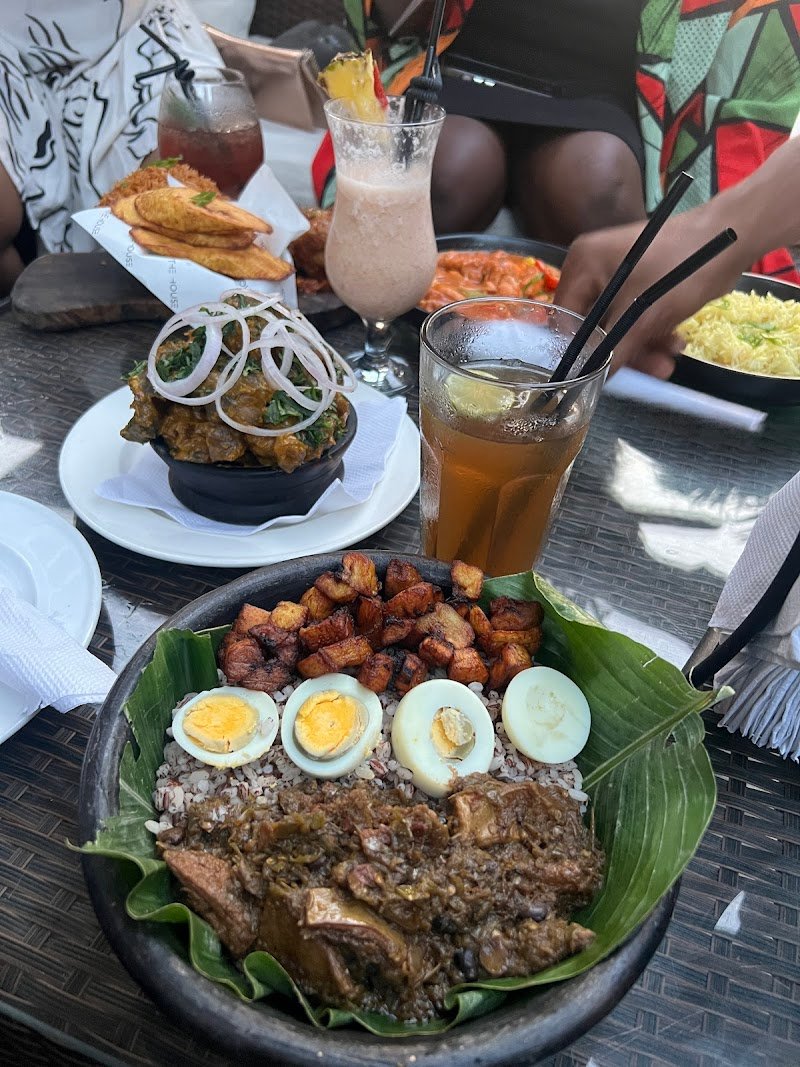
Let yourself get lost, but listen for afrobeats drifting from roadside speakers. At night, choose a buka (informal eatery) over a chain restaurant. Spoon fiery jollof rice beside grilled fish at White House in Yaba. Around you, laughter echoes in both Yoruba and English—Lagos speaks in many tongues.

  • Start early to beat gridlock.
  • Carry small cash for markets and street food.
  • Respect street photography rules—ask before you snap faces.
  • Step lightly, but with an open heart—Lagos rewards curiosity.

At dusk, sea breezes stir by the Lekki Waterfront, washing away the dust. The city’s first embrace can be fierce, but the rewards—hidden tastes, heat, music—linger. Lagos never simply welcomes; it challenges, and charms, in equal measure.
Return travelers

Coming back to Lagos feels less like a trip, more like a reunion. Familiar heat greets your skin, voices drift along Ikoyi’s leafy streets, and the city’s rhythm finds your pulse. But Lagos shifts and adapts. Each return reveals new corners; old challenges demand fresh tactics.

Beyond the Surface

Skip the landmarks you saw last time. This visit, try early morning at Makoko—Lagos’s floating neighborhood. Arrive by canoe, guided by locals, and watch sunrise ripple on stilt villages. Life here moves at its own pace; resilience blends with daily beauty. Chat with artisans who carve dugout boats from timber. Their stories run deep—listen between the laughter.

Cross into Surulere, dodging traffic with practiced ease. Hidden gems bloom in quiet courtyards behind Keffi Street, where indie galleries showcase bold Nigerian art. Inside African Artists’ Foundation, walls pulse with colors and tales—modern stories that question, tease, inspire. You’re a guest in a house of innovation now.

Digging Deeper

This time, skip regular suya and search for ofada rice with ayamase sauce at Yellow Chilli—spicy, earthy, smoky at once. Let your tastebuds uncover what you missed before. Night is for jazz at Bogobiri House. Candlelight, vintage records, and poets testing each other with words you missed on your last stay—these moments reveal the soul beneath the city’s surface.

  • Time your trips with local art shows or book festivals.
  • Book a cooking class in a home kitchen—traditional, not touristy.
  • Use bike taxis for shortcuts through Lekki traffic.
  • Check out open-mic nights for emerging musicians.

Lagos doesn’t stand still. Return with open eyes—each visit adds a new layer. The city rewards those willing to look beneath the noise. And its secrets stay with you long after the journey home.

Must-see locations

Elegushi Royal Beach Lekki Phase I Lagos
i

Elegushi Royal Beach Lekki Phase I Lagos

Photo by Vicky “Vikiie” Rajput

Elegushi Royal Beach Lekki Phase I Lagos

Elegushi Royal Beach in Lekki Phase I, Lagos, blends lively music, local food stalls, horseback riding, and palm-lined sandy shores. Crowds gather for beach football and traditional festivals. A must for Lagos nightlife and vibrant coastal energy.

Learn More
Google Places photo
i

Google Places photo

Photo by Andrei Guliaev

Lekki Conservation Centre

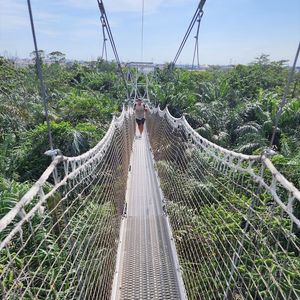
Lush forests and wetlands surround Lekki Conservation Centre, home to playful monkeys and birds. Walk Africa’s longest canopy bridge. Explore raised boardwalks and visit the treehouse for sweeping views. Lagos nature at its best.

Learn More
Google Places photo
i

Google Places photo

Photo by Jay Quins

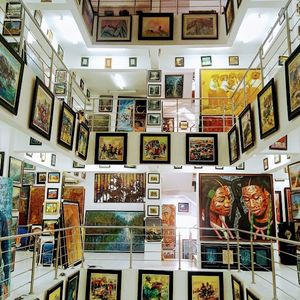
Nike Art Gallery

Nike Art Gallery in Lagos bursts with vibrant paintings, sculptures, and textiles created by Nigerian artists. Visitors can watch artists at work, explore colorful galleries, and join workshops that celebrate Yoruba culture.

Learn More
Google Places photo
i

Google Places photo

Photo by Daniel Obembe

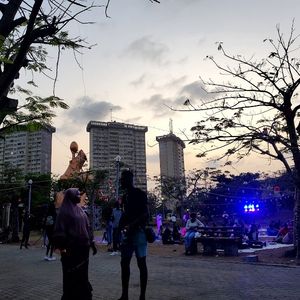
Muri Okunola Park

Green lawns and palm-lined paths create calm in Victoria Island’s busy heart. Families picnic or play by art installations. Local musicians often fill the air with Afrobeats. Events bring Lagos culture alive in this peaceful park.

Learn More

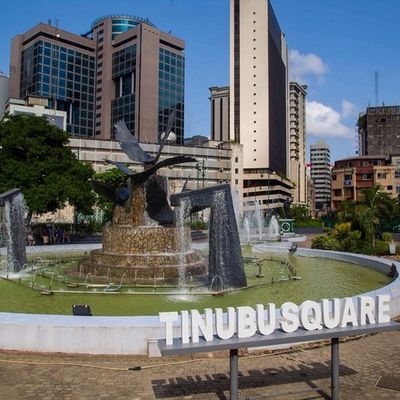
Tinubu Square

Bustling Tinubu Square, found in the heart of Lagos Island, offers bright colonial statues, leafy corners, and views of historic architecture. Locals gather for food, music, and quick rest, making every visit feel alive.

Learn More

How to get there

By air

Lagos is primarily served by Murtala Muhammed International Airport (LOS), which has connections to major cities in Africa, Europe, and beyond. The airport is located approximately 22 km northwest of Lagos Island, the city's central area.
Options to get to town:
Taxi
Price:
₦10,000-₦20,000 (approx. $10-$20)
Duration:
30–90 minutes (depending on traffic)
Where to buy:
At the airport taxi stand or via ride-hailing apps (Bolt, Uber)
Airport bus
Price:
₦500-₦1,500 (approx. $1–$3)
Duration:
45–120 minutes
Where to buy:
Pay at designated bus stops inside the airport
Train/shuttle
Price:
No direct train presently from airport to central Lagos
Duration:
Where to buy:

By train

Intercity train services to Lagos are operated by the Nigerian Railway Corporation. The Lagos-Ibadan Railway is the main modern route, connecting Lagos with Ibadan and other cities. Trains terminate at Mobolaji Johnson Station, Ebute Metta.
Useful websites for train tickets:

By car

Lagos is accessible by road from neighboring states and countries via a network of major highways. The Lagos-Ibadan Expressway, Lagos-Badagry Expressway, and Third Mainland Bridge are key routes entering the city. Major traffic and toll plazas may be encountered.
Additional charges to be aware of:
Toll / vignette / emission sticker
Cost:
₦200–₦700 per toll (approx. $0.20–$0.70)
How to pay:
Cash at toll plazas; prepaid cards available at some entry points
Other driving costs
Cost:
Fuel costs approx. ₦700 per liter (about $0.70)
How to pay:
At petrol stations along the route

How to get around

Public transport

Public transport in Lagos includes buses (called BRT and danfo minibuses) and a limited train/light rail service. BRT buses are safer and air-conditioned, running along marked routes. Danfos are shared minivans that are cheaper but crowded and less regulated.

Ticket options:
Ticket TypePriceWhere to buy
Single ticket₦100–₦300 for BRTAt BRT terminal ticket counters or from attendants on board
Day pass₦500–₦700 (for BRT, if available)At major BRT terminals

Taxis & ridesharing

Taxis & ridesharing are common and convenient in Lagos. You can hail yellow taxis on the street or book through phone apps. Ridesharing services like Uber and Bolt are popular, offering safer and more comfortable options at set prices.

Service providers:
ProviderPriceHow to book
Local taxiNegotiable, typically ₦500–₦4000 per trip depending on distanceHail on the street, at hotels, or by calling local taxi services
Ridesharing appFrom ₦700 for short tripsUber and Bolt apps

Car rental

Car rental services are widely available and can offer convenience for travellers familiar with Lagos traffic and driving customs. Rentals can be booked at the airport or in the city, often with or without a driver.

Rental options:
ServicePriceHow to book
Daily rental₦15,000–₦30,000 per day (compact car, basic insurance)Car rental agencies at Murtala Muhammed International Airport or city branches
Weekly rental₦90,000–₦180,000 per weekMajor car rental agencies or local providers

Bike & scooter rental

Bike & scooter rentals are not as widespread in Lagos as in some cities, but motorbike taxis (known as okadas) are a popular option for short distances or to beat traffic. Some e-scooter pilot programs exist in central areas.

Rental options:
ServicePriceHow to book
Bike rental₦200–₦700 per short trip (okada)Hail on the street, at junctions, or arrange via local apps
Scooter rental₦1500–₦3500 per hour (where available)Through local scooter rental providers or pilot programs

Ferry / Boat

Ferry / Boat services are a great way to avoid Lagos traffic and enjoy scenic water routes. Ferries connect key neighborhoods like Ikorodu, Victoria Island, Lekki, and Apapa across the Lagos Lagoon.

Useful websites for ferry tickets:

What to eat

Crackling oil, hearty laughter, and chili-scented air. Lagos hits you first with color, next with aroma. Here, fiery street grills pop up beside golden beaches. Markets buzz from dawn, hawkers slice fruit before sunrise. Every corner promises something bold, hot, sweet, or fresh. And I can say: hunger never lasts long in Lagos, but good memories do.

Signature Dishes

  • Jollof Rice: Deep red grains, steamy with tomato and pepper. Often paired with grilled chicken and celebrated at every party. Rival families debate whose recipe is best.
  • Suya: Skewered beef grilled over open coals, dusted with spicy yaji powder. Smoky, spicy, and always eaten with onions by the roadside.
  • Ofada Rice & Ayamase Sauce: Indigenous rice with a nutty bite, topped with a rich, spicy green pepper stew packed with assorted meats.
  • Pepper Soup: Fragrant broth full of goat, fish, or chicken. Invigorating with intense chili and local spices, warming Lagosians late into humid nights.
  • Efo Riro: Vibrant spinach stew with a fiery kick, cooked with crayfish, palm oil, and chunky meats. Hearty, earthy, and filling any time of day.

Street Food & Markets

Balogun Market wakes early. Aromatic, energetic, chaotic—but unmissable. Roadside vendors grill suya for hungry commuters. Roasted plantain sellers dust treats with hot pepper beneath fluttering umbrellas. Sliced pawpaw and spicy groundnut perch on trays balanced above woven baskets. Bukas—no-frills canteens—serve peppery stews with pounded yam. Try Puff-puff at Tafawa Balewa Square—greasy spheres of fried dough gone in two bites. Listen for hissing grills and cheerful crowds; that’s usually where the best bites hide. Street food in Lagos is for social souls with steady stomachs and curious mouths.

Sweet Treats & Drinks

Lagosians love indulgence. Try Chin Chin—crunchy, mildly sweet pastry cubes—at Cookie Jar or Obalende’s stalls. Boli, golden plantains caramelized over coals, beckons from beach stalls. In the afternoon, sip zobo—a ruby-red hibiscus cooler—sweet and tart, sometimes spiked with pineapple or ginger. Kunu, made from millet, soothes after spicy meals. Every sugar craving finds its match in Lagos’ dessert corners.

Why Travelers Eat Here

  • Unbeatable variety—Lagos merges tastes from across Nigeria and West Africa.
  • High-energy markets overflowing with fresh, local produce and honest flavors.
  • Spicy, bold street food culture—every snack is a new adventure.
  • Legendary suya spots or party jollof—Lagos food has a story in every bite.

Lagos food tastes like life here—vivid and surprising, with every mouthful. Every meal writes you deeper into the city’s restless, generous heart.

Top Rated Restaurants

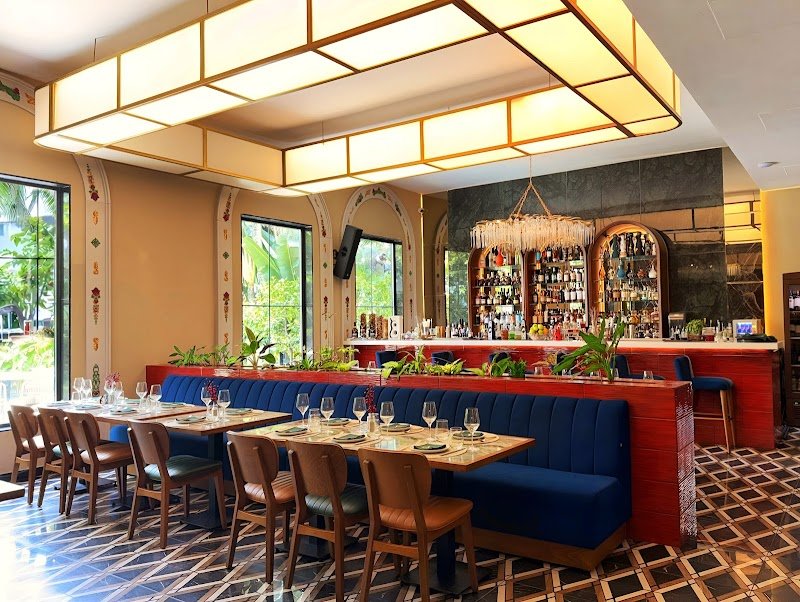
The A Steakhouse

The A Steakhouse

4.6 (1.5k reviews)
$$$$
Location1 Karimu Kotun St, Victoria Island, Lagos 100001, Lagos, Nigeria
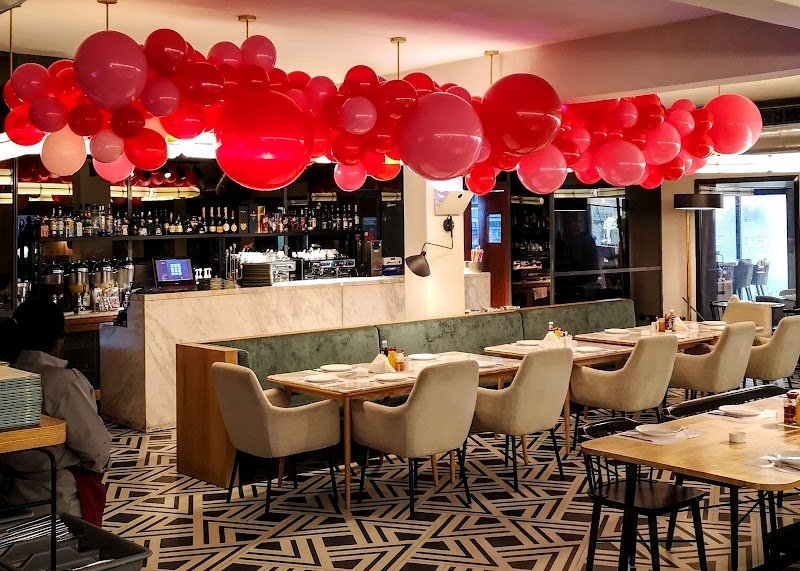
THE HOUSE Lagos

THE HOUSE Lagos

4.5 (2.4k reviews)
$$
LocationInside The House, 4 A.J. Marinho Dr, Victoria Island, Lagos 106104, Lagos, Nigeria
Cactus Restaurant

Cactus Restaurant

4.4 (6.6k reviews)
$$
Location20/24 Ozumba Mbadiwe Ave, Victoria Island, Lagos 106104, Lagos, Nigeria
RSVP restaurant

RSVP restaurant

4.4 (2.7k reviews)
$$$
Location9 Eletu Ogabi St, Victoria Island, Lagos 101001, Lagos, Nigeria
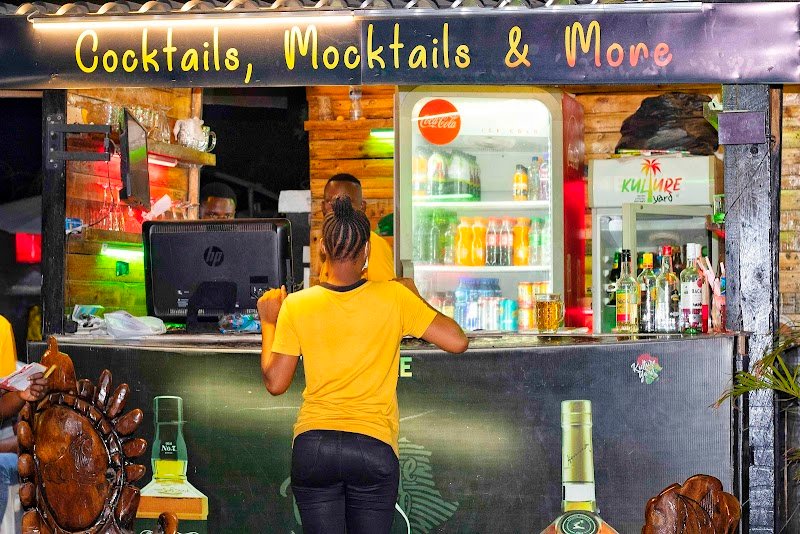
Kulture Yard

Kulture Yard

4.4 (1.2k reviews)
$$
Location2b Abba Johnston Crescent, Adeniyi Jones, Ogba, Ikeja 100282, Lagos, Nigeria

Accommodations

Lagos unspools in layers. Behind the hustle, city views shift with each neighborhood. Choosing where to rest your head transforms how you experience its electric mood. A water-view room brings calm after chaos. A city-center hotel puts you near music, parties, and late expressos. Whether you crave peace or pulse, where you stay shapes your Lagos.

Neighborhood Overview

  • Victoria Island: Business feels blend with upscale nightlife in Victoria Island. The streets buzz with clubs, high-end restaurants, and malls. Many international hotels cluster here. Victoria Island suits business travelers, party-goers, and anyone wanting a smart, secure base by the Atlantic’s edge.
  • Ikoyi: Leafy Ikoyi feels calmer and more exclusive. Here, quiet roads wind past embassies, old mansions, and luxury flats. Gated boutique hotels offer privacy and green views. Ikoyi rewards couples or solo travelers who want peace after work—or after a busy day out.
  • Lekki Phase 1: Modern block towers rise along Lekki’s busy corridors. Trendy apartments here attract longer stays and digital nomads. Lekki Phase 1 works for young groups, remote workers, and small families. Bars, cafes, and supermarkets line the main roads, but traffic can clog weekends.
  • Yaba: Yaba buzzes with students and tech startups. Affordable guesthouses and co-living spots hide close to markets and fun street food. Yaba fits budget-minded travelers, backpackers, or people curious about Lagos’ youth culture.
  • Surulere: Sporty and local, Surulere gives you Lagos life beyond skyscrapers. Family-run hotels stand near stadiums and food stands serving spicy suya and plantain. Surulere is good for those seeking authentic charm, families, or anyone attending big city events.

Types of Accommodation

  • Luxury hotels: Brands like Eko Hotels or Radisson Blu mean pools, spa treatments, and fast Wi-Fi. Expect $200–$350 per night, especially on Victoria Island or Ikoyi.
  • Boutique guesthouses and serviced apartments: Spaces like Bogobiri House or Maison Fahrenheit mix style with home comforts. Nightly rates usually range from $75–$200.
  • Budget hotels and hostels: Beni Hotels or Mitos Luxury Suites give basics at $30–$60 per night, mostly in Yaba or Surulere.

Insider Tips for Booking

Book at least two months ahead for big events or near festive holidays. Prices spike in December. Ask if service fees, taxes, or breakfast are included—they can add 20% or more to listed rates.

Some nights, I lean on my hotel balcony, waves below and city lights ahead. Lagos never sleeps, but the right room lets you pause and watch the city breathe.