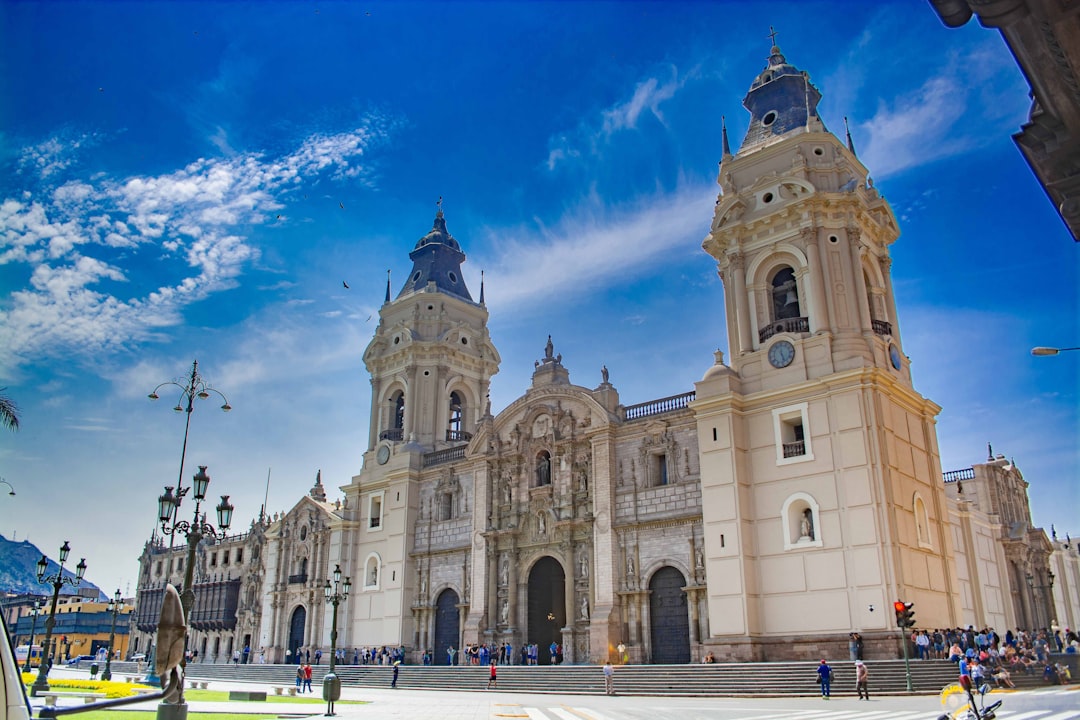
beige concrete building under blue sky and white clouds during daytime
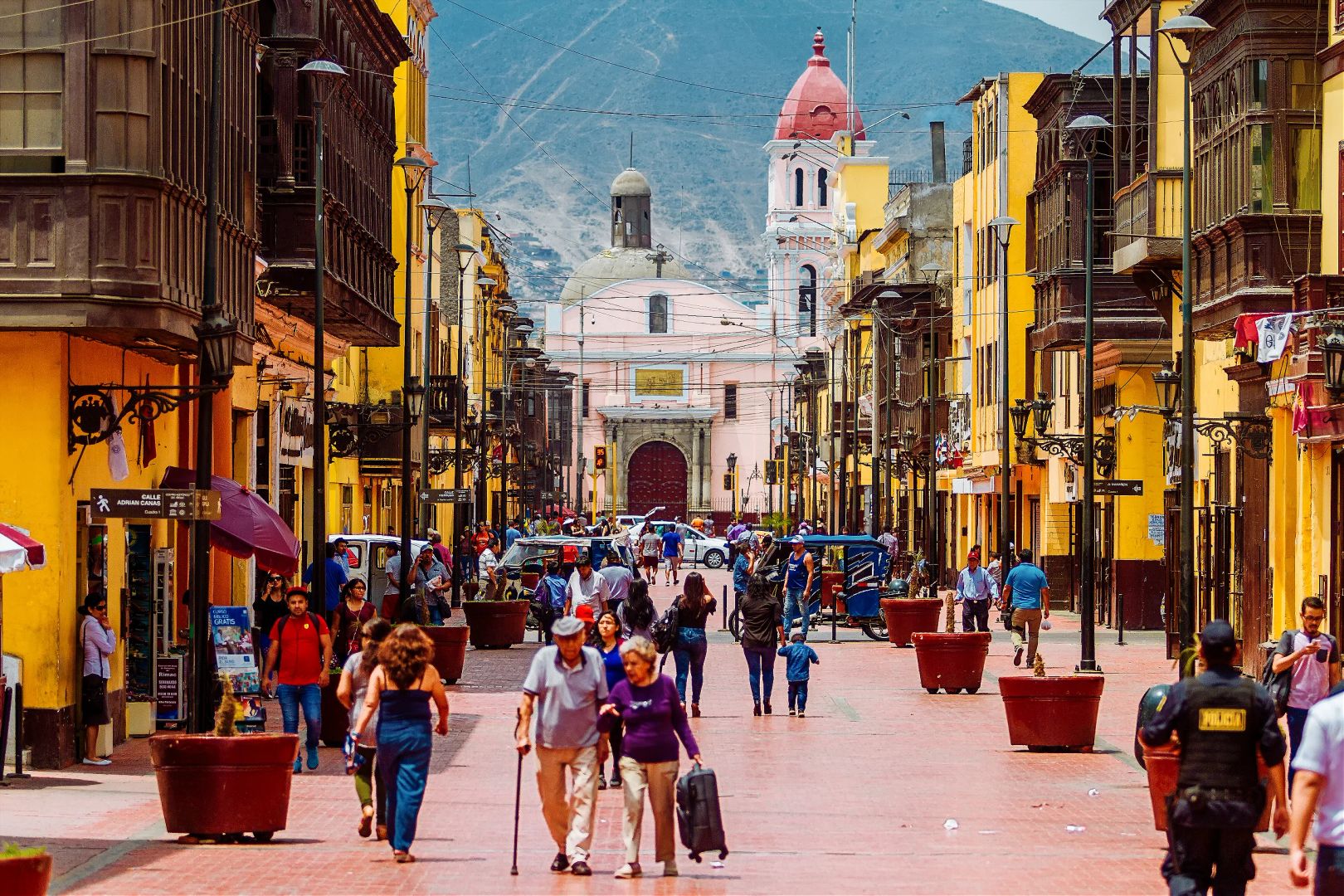
people walking on sidewalk near palm trees during daytime
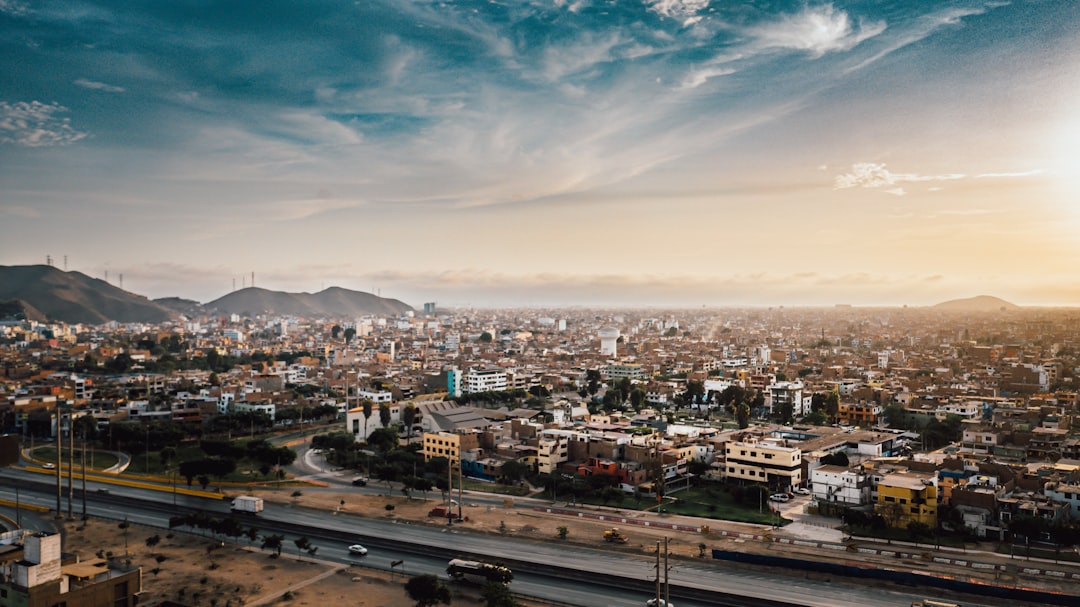
city with high rise buildings under blue sky during daytime
Beautiful view of Lima

Lima

Peru
Art & ArchitectureCulturalHistoricalIconic LandmarksUrban Highlights
i

beige concrete building under blue sky and white clouds during daytime

Photo by Eduardo Garcia

Salt air and grill smoke mingle over Lima’s malecón, where surfers dot the grey Pacific and paragliders drift above cliffside parks. The city sprawls, yes, but its energy gathers in pockets: Barranco’s mural-splashed alleys, Miraflores’ cafes buzzing with laptop chatter, and downtown’s colonial facades glowing at dusk. Ceviche here bites bright and fresh, chased with sweet cancha. In markets, mangoes tower beside chupe simmering in clay pots. Traffic tests patience, but a sunset over the Costa Verde repays the wait. Lima’s charm unfolds gradually—part capital, part seaside village, always living close to the water.

Quick Facts

currency
PEN
languages
Spanish
airports
Jorge Chávez International Airport
size
Mega City
power
Type A, Type B, Type C
timezone
GMT-5
safety
Moderately safe
costs
Moderate

General Information

Safety indexLima has a moderate safety index, with common issues including pickpocketing and petty theft, especially in crowded tourist areas. Violent crime is less common in districts popular with tourists, such as Miraflores and San Isidro, but caution is advised throughout the city. It is recommended to take usual safety precautions, avoid displaying valuables, and use registered taxis or ride-sharing apps.

Best Time to TravelThe best time to visit Lima is from December to April, which is summer in Peru. During these months, the weather is warm and sunny, ideal for sightseeing, coastal walks, and enjoying Lima’s beaches. Rain is minimal, and visibility is good, particularly along the coast.

Least crowded and still a good time to visitFor fewer crowds and still pleasant weather, May to early June or late September to November are excellent options. Weather remains mild, and tourist sites, restaurants, and hotels are less crowded, offering a more relaxed experience and better deals.

BudgetLima can be affordable depending on your travel style. Budget travelers can expect to spend around $30–$50 USD per day, including meals at local eateries and basic accommodation. Mid-range travelers should budget $60–$150 USD per day, while luxury travelers can spend $200+ USD per day. Public transportation, such as buses and the Metropolitano, is inexpensive, and even taxis or ride-shares are affordable.

Healthcare and VaccinationsLima has good private healthcare facilities and clinics, especially in upscale districts. Tap water is not considered safe to drink, so bottled water is recommended. No specific vaccinations are required for Lima, but it’s a good idea to be up-to-date with routine vaccines (MMR, DTP, etc.). The CDC recommends Hepatitis A and Typhoid vaccines due to potential food and water contamination.

Visa RequirementsVisitors from the US, Canada, the EU, Australia, and many other countries do not need a visa for tourism stays of up to 90 days. A valid passport with at least six months validity is required upon entry. Always check current requirements with your nearest Peruvian consulate, as rules can change.

Weather in Lima

°C°F
3391
2781
2271
1660
1050
Jan
Feb
Mar
Apr
May
Jun
Jul
Aug
Sep
Oct
Nov
Dec
3020100
Avg. min. temperature
Avg. max. temperature
Avg. precipitation days

First-time travelers

Lima wakes up with mist at dawn and the tang of lime in the air. For a first taste, the city amazes—its vastness, energy, and clashing colors. Forget the postcard Plaza Mayor for a moment. This is a city that rewards the curious and hungry, the open and observant.

The Real Rhythm

Miraflores stirs as runners pace the Malecón’s Pacific breeze. Sidewalk vendors shout above the traffic. Every block seems alive. You hear Spanish, Quechua, and laughter. Stop for a moment—smell baked bread and exhaust. Lima is never still.

Pick up fresh juices in Mercado de Surquillo. Let your guard down, try a lucuma shake, or a tangy chirimoya. Warm mornings demand fresh ceviche—seek it at a lunchtime huarique, not a white-tablecloth restaurant. Spoons clink and lime juice bites the tongue. Shoulders brush with locals and office workers. This is how the city eats.

Hidden Heritage

Grand architecture? Sure, but peer closer. The historic center isn’t only for tour groups. Step into Casa de Aliaga, a colonial home filled with creaks and stories. Each tile and faded photo invites wonder. On Barranco’s streets, bohemian murals battle cracked paint. This is Lima in layers—history painted over, yet alive in everyday life.

  • Stroll early along the Malecón for coastal views and paragliders overhead.
  • Try picarones, the sweet street treat, from a vendor at Parque Kennedy. Eat with sticky fingers.
  • Visit the Museo Larco for ceramics—and their tranquil garden oasis.
  • Watch the sunset from a Barranco café terrace, Pisco Sour in hand.

Take your time. Lima only blooms if you wander with purpose and pause to savor.

Return travelers

Lima’s complexities linger in the mind—returning means stepping beneath the city’s polished surface. Second visits reveal a subtler pulse. Here, the city exhales. Noise softens. Familiar streets invite deeper dives—and even more surprises.

Past the Obvious

Surquillo’s markets hide in plain sight. On a lazy afternoon, hunt rare ají peppers or purple corn beneath tin roofs. Let old vendors suggest recipes you won’t find on any menu. Pause for anticuchos at a tiny grill—just smoke, salt, and tender hearts. Street sounds, smells—intimate, unpolished, irresistible.

Move beyond Barranco’s best-known murals. Seek the quiet side streets: faded doors, local bakeries like Panadería San Antonio—soft pan francés, stronger coffee, and conversations about fútbol or politics. The city grows familiar yet ever elusive. You feel part of it, not only passing through.

Life Lived Locally

North toward Rimac, dusty huacas stand enveloped by urban sprawl. Life goes on beside ancient walls—a reminder that Lima is not only colonial or modern but both. You won’t hear English here—just the city’s cadence, hurried and wise. Find a weekday peña, where creole guitar and zapateo thrill the night far from tourist eyes. Let the music linger.

  • Shop for rare ceramics or textiles in Surquillo’s artisan stores—each item has a maker and story.
  • Eat breakfast like a local—try tamales filled with chicken from a street cart before dawn.
  • Take a city bus to Rimac for pastel de choclo and a glimpse of unfiltered daily life.
  • Join a neighborhood peña to share music and stories with Limenos after dark.

Lima, seen once, impresses. Returned to, it welcomes—with secrets shared only with those who linger.

Must-see locations

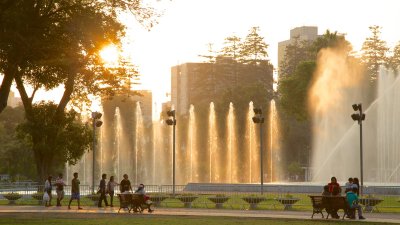
Magic Water Circuit of the Reserve Park

Magic Water Circuit of the Reserve Park

Fountains towering with colored lights fill the Reserve Park after sunset, drawing crowds to Lima’s Magic Water Circuit. Local families play among water tunnels. Weekend shows blend music, light, and Peruvian culture.

Learn More
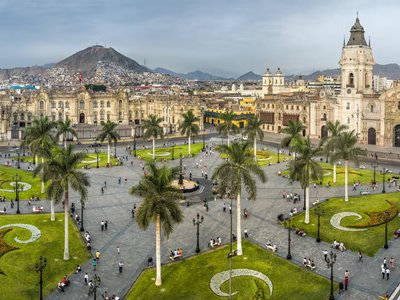
Lima Main Square

Lima Main Square

Lima Main Square pulses with colonial charm, surrounded by the grand Cathedral of Lima and colorful palaces. Visitors stroll flower-filled gardens, watch lively festivals, and soak up Peru’s rich history where the city began.

Learn More
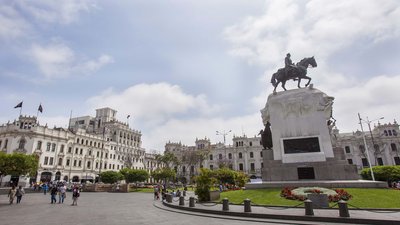
San Martin Square

San Martin Square

San Martin Square in Lima bursts with energy, ringed by grand colonial facades and leafy palms. People gather for lively festivals. Photographers snap shots of the iconic José de San Martín statue. A hub for history lovers and street art fans.

Learn More
Park of the Exposition

Park of the Exposition

Lush lawns border fountains in Lima's Park of the Exposition, where families stroll shaded paths and artists perform in open-air theaters. The elegant Moorish Pavilion and vibrant art exhibits celebrate the city’s creative spirit.

Learn More
Friendship Park

Friendship Park

Friendship Park in Surco delights families with colorful playgrounds, paddle boats on the lake, and the iconic Moorish arch. Local vendors sell treats, while weekend events add music and dance that celebrate Lima’s vibrant spirit.

Learn More

How to get there

By air

Lima is primarily accessed by air via Jorge Chávez International Airport (LIM), which receives direct international flights from the Americas, Europe, and some parts of Asia. The airport lies in Callao, about 11 km from the city center.
Options to get to town:
Taxi
Price:
S/ 50-70 (approx. $13-18 USD)
Duration:
30–60 minutes depending on traffic
Where to buy:
Official taxi counters in the arrivals area or ride-hailing apps
Airport bus
Price:
S/ 10-25 (approx. $2.5-7 USD)
Duration:
45–90 minutes depending on route and traffic
Where to buy:
At official bus desk in arrivals area or online via Airport Express Lima
Train/shuttle
Price:
Not available
Duration:
-
Where to buy:
-

By train

There are no regular passenger train services to Lima. Peru's rail network primarily connects Cusco, Arequipa, and other Andean destinations, not the capital.
Useful websites for train tickets:

    By car

    Lima is accessible via the Pan-American Highway from northern and southern Peru, as well as from neighboring countries like Ecuador and Chile. Roads are generally good along main routes, but mountain roads can be challenging.
    Additional charges to be aware of:
    Toll / vignette / emission sticker
    Cost:
    Tolls: S/ 5-20 (approx. $1.5-5 USD) per toll, depending on highway
    How to pay:
    Cash payment at toll booths along main highways
    Other driving costs
    Cost:
    Fuel: S/ 18-22 per gallon (approx. $5-6 USD)
    How to pay:
    Petrol stations throughout Peru

    How to get around

    Public transport

    Public transport in Lima consists mainly of buses, the Metropolitano BRT (Bus Rapid Transit), and the Lima Metro. The Metropolitano offers a reliable north-south route, while the Metro (Line 1) serves parts of eastern Lima. City buses (combis and colectivos) have extensive coverage, but can be confusing for new visitors. Most locals use prepaid cards for the Metropolitano and Metro.

    Ticket options:
    Ticket TypePriceWhere to buy
    Single ticketS/2.50–S/3.50Metro and Metropolitano stations
    Day passNot widely available; use prepaid cardsTicket machines at major stations

    Taxis & ridesharing

    Taxis are abundant and affordable in Lima; however, it is advisable to use authorized taxi companies or mobile apps for safety. Ridesharing services such as Uber, Beat, and Cabify are popular, providing fixed rates and cashless payment options.

    Service providers:
    ProviderPriceHow to book
    Local taxiS/10–S/40 depending on distanceStreet pick-up, hotel desk, or by phone
    Ridesharing appFrom S/8 for short ridesUber, Beat, and Cabify apps

    Car rental

    Car rental is available at the airport and throughout the city, but heavy traffic and challenging driving conditions can make it less appealing for visitors. Parking fees and limited downtown spaces are additional considerations.

    Rental options:
    ServicePriceHow to book
    Daily rentalFrom S/120 per dayMajor providers such as Hertz, Avis, Budget
    Weekly rentalFrom S/800 per weekCar rental agencies and travel desks

    Bike & scooter rental

    Bikes and scooters are increasingly common in tourist-friendly districts such as Miraflores and Barranco. Dedicated bike lanes in these areas make cycling safe and convenient. Several local companies offer hourly or daily rentals.

    Rental options:
    ServicePriceHow to book
    Bike rentalFrom S/10 per hourBike shops and tourist kiosks in Miraflores
    Scooter rentalFrom S/5 per 15 minutesMobile scooter apps and rental stands

    What to eat

    The morning sun breaks through Lima’s coastal mist, and the breeze smells of citrus and salt. At dawn, cooks toss raw fish with lime and chili, hands fast and sure. Breads come fresh from street ovens; purple corn steams in giant pots. Every turn in the city hums with the promise of something stirring, sizzling, frying, or curing. Lima feels hungry. So will you.

    Signature Dishes

    • Ceviche: Zesty, cold cuts of fresh fish, marinated in lime, chili, and red onion. Peru’s national dish, born from the Pacific’s morning catch.
    • Lomo Saltado: Stir-fried beef with soy sauce, tomato, onion, and crunchy potatoes. A Chinese-Peruvian classic, always smoky and comforting.
    • Aji de Gallina: Tender chicken bathed in creamy chili-nut sauce, crowned with olives and boiled egg. Yellow aji peppers make it both rich and electric.
    • Anticuchos: Skewered, marinated beef heart, grilled over charcoal. Chewy, smoky, spiked with garlic and vinegar—sold on every busy corner at dusk.

    Street Food & Markets

    Follow your nose through the thick of Mercado Surquillo. Vendors slice fruit and crack grilled corn. Grab a crispy pork pan con chicharrón for breakfast, juice running down your hand. In the evening, seek out food stalls for papa rellena—fried potato stuffed with beef and olives. Queues can get long at touristy stands, and prices spike in Miraflores. Go early, and bring small change. The best treasures hide at tucked-away carts and under striped tarps, where spices fill the air and every mouthful is a bargain.

    Sweet Treats & Drinks

    Lima handles dessert with mischief and flair. Try suspiro de limeña, a caramel custard with silky port meringue. Bite into picarones—sweet, anise-scented doughnuts soaked in cane syrup. Sip chicha morada, a purple corn drink spiked with cinnamon, or go bold with a classic Pisco Sour, foamy and biting with lime. Never leave a meal unfinished.

    Why Travelers Eat Here

    • World-class chefs and legendary home cooks shape the food landscape here.
    • Markets brim with unique Peruvian produce and Amazonian delights.
    • Fusion cuisine reigns—every meal bridges worlds from China, Japan, and Spain.
    • Unbeatable seafood, caught just hours before it hits your plate.

    Eating in Lima is a citywide conversation—quick laughs at cevichería counters, midnight snacks on packed sidewalks. Every meal reflects Lima’s soul: bold, layered, and full of zest.

    Top Rated Restaurants

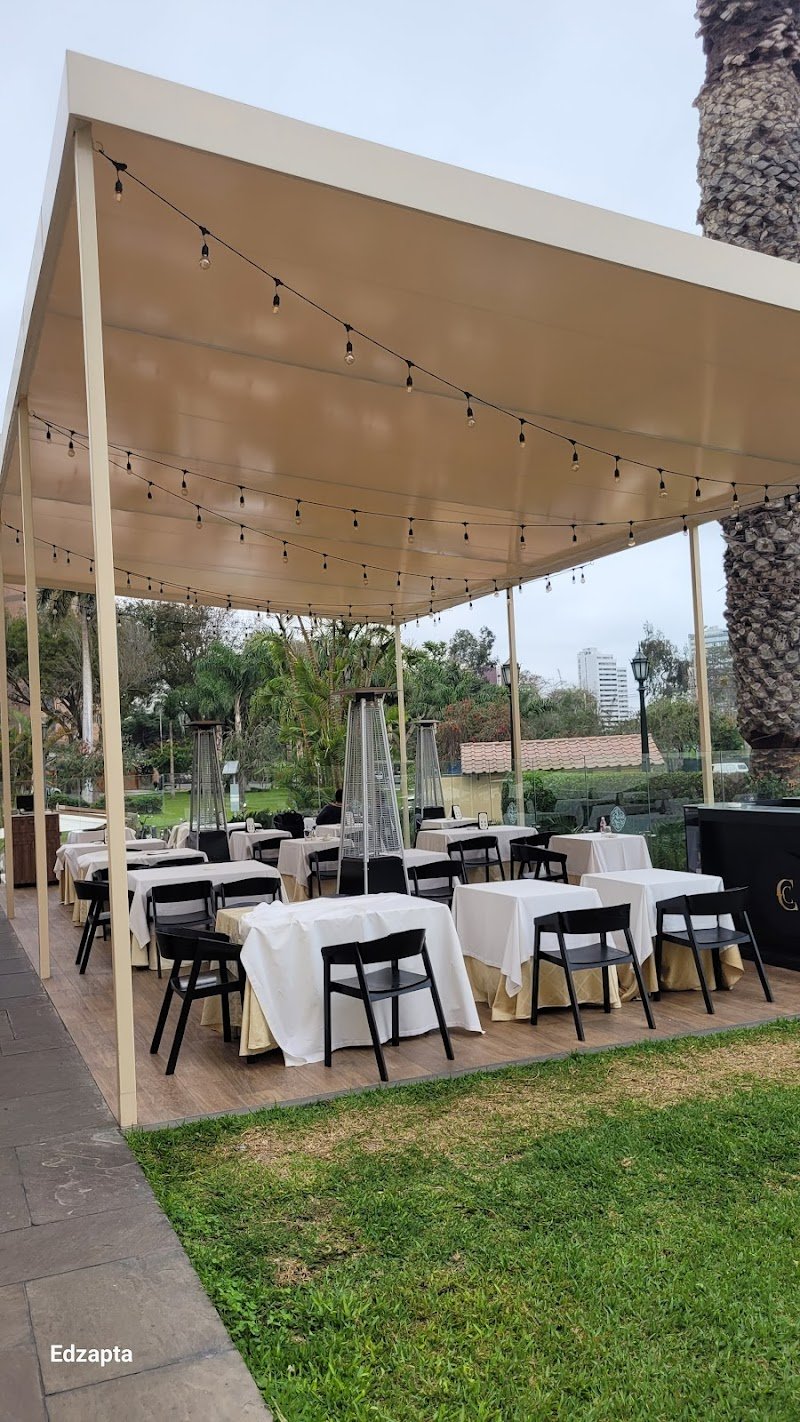
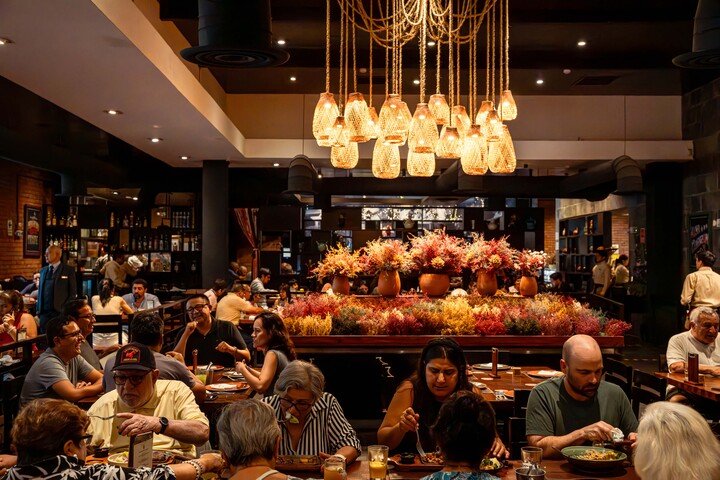
    Perroquet Restaurant (Country Club Lima Hotel)

    Perroquet Restaurant (Country Club Lima Hotel)

    4.7 (1.3k reviews)
    $$$
    LocationCa. Los Eucaliptos 590, Lima 15076, Peru
    Panchita - Miraflores

    Panchita - Miraflores

    4.6 (13.4k reviews)
    $$$
    LocationC. 2 de Mayo 298, Miraflores 15074, Peru
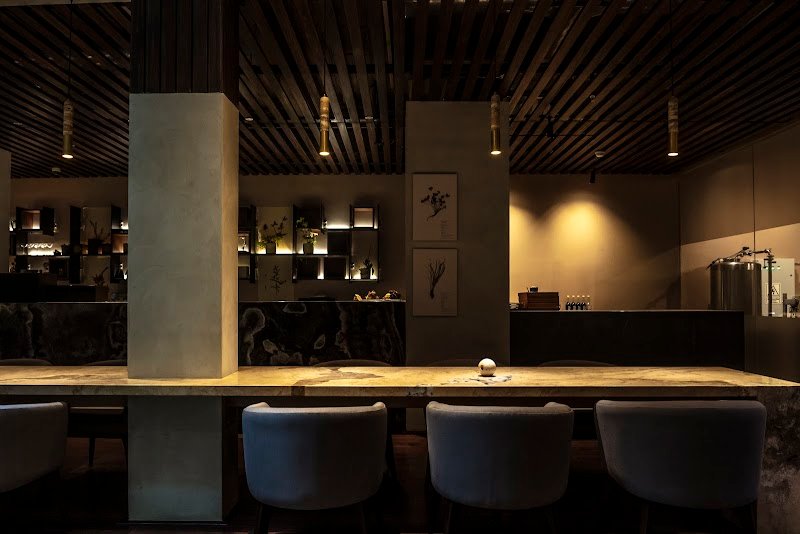
    Central

    Central

    4.6 (3.4k reviews)
    $$$$
    LocationAv. Pedro de Osma 301, Barranco 15063, Peru
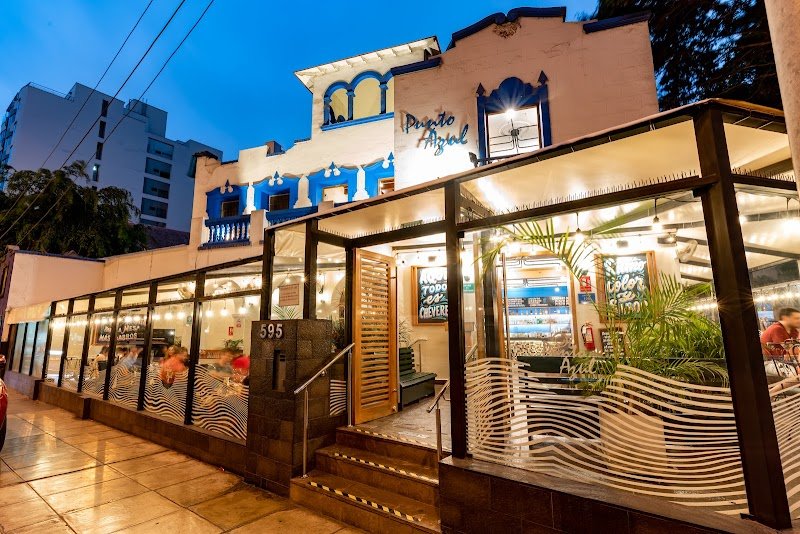
    Punto Azul

    Punto Azul

    4.6 (11.5k reviews)
    $$
    LocationCa. San Martín 595, Miraflores 15074, Peru
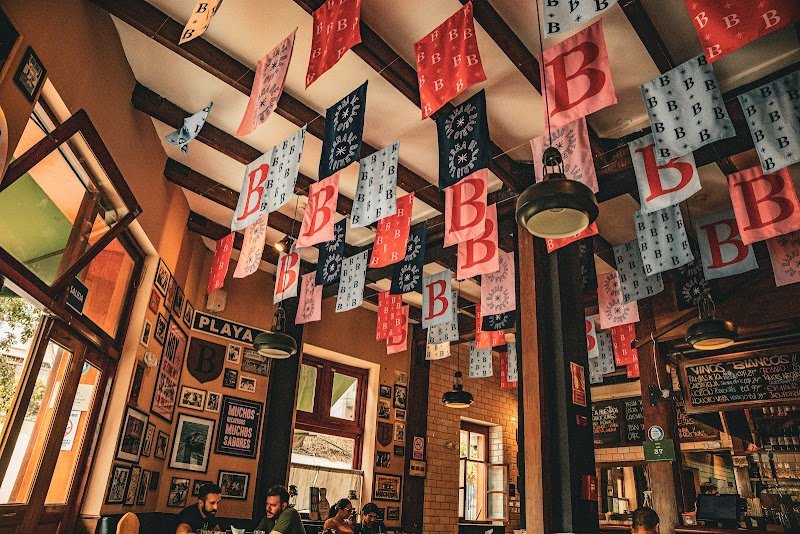
    El Bodegón - Miraflores

    El Bodegón - Miraflores

    4.6 (3.5k reviews)
    $$
    LocationC. Tarapacá 197, Miraflores 15074, Peru

    Accommodations

    Not all Lima nights are created equal. Salsa beats in Barranco echo through the windows, while in Miraflores, breezy boulevards hush you to sleep. Choosing the right Lima neighborhood shapes your entire stay—whether midnight ceviche calls you, or early strolls along the cliffs. The city is a sprawling canvas, so picking where to rest can mean the difference between feeling at home and feeling adrift.

    Neighborhood Overview

    • Miraflores: Polished and coastal, Miraflores feels like Lima’s living room. Walkable streets brim with modern cafes, gyms, and parks. Safe at all hours, it attracts first-timers, couples, and families—yet stays lively for solo travelers seeking new friends.
    • Barranco: Lima’s bohemian heart. Colorful murals and indie galleries fill crumbling mansions. At night, music pours out of bars and cozy courtyard restaurants. Perfect for creatives, young couples, or night owls—though it can get noisy on weekends.
    • San Isidro: Leafy boulevards and quiet streets define this upscale business zone. Swanky hotels and embassies cluster here, along with some of the city’s best restaurants. Discerning travelers and visiting professionals enjoy its calm, but central attractions may require a quick taxi.
    • Centro Histórico: Colonial plazas, Baroque churches, and historic hotels set the scene. The energy is palpable during the day with markets and museums. Budget travelers and history fans feel right at home—though Centro quiets down early and can feel deserted late at night.

    Types of Accommodation

    • Hotels: Mid-range staples like Ibis or Casa Andina offer rooms from $50–$120/night. Business travelers and families opt for the Westin or Swissôtel in San Isidro, priced higher.
    • Guesthouses & Hostels: Cozy favorites like Kokopelli in Barranco or Dragonfly in Miraflores range from $15–$50/night. Social traveler territory.
    • Short-term Apartments: Slick modern condos ring Kennedy Park or overlook the ocean. Prices swing from $40 for a studio to $200+ for luxe penthouses. Best for longer stays or groups.

    Insider Tips for Booking

    Lima fills fast over Christmas, Semana Santa, and local holidays—book a month ahead in peak periods. Shoulder months (April, September) offer deals. Expect 18% tax on hotels unless paying with a foreign card or dollars. Always confirm if breakfast is included—sometimes it’s not standard.

    Some evenings, fog settles along Costa Verde, muffling the city’s rush. You’ll sip pisco in a quiet courtyard, or rise over palm-shaded avenues at dawn. Wherever you end up, Lima’s neighborhoods will shape memories you’ll carry far past checkout.