aerial view of stone castle
brown concrete building near mountain under white clouds during daytime
brown buildings under cloudy sky

Granada

Spain
Religious & SpiritualHistoricalArt & ArchitectureCulturalUNESCO World Heritage
i

aerial view of stone castle

Photo by Petr Slováček

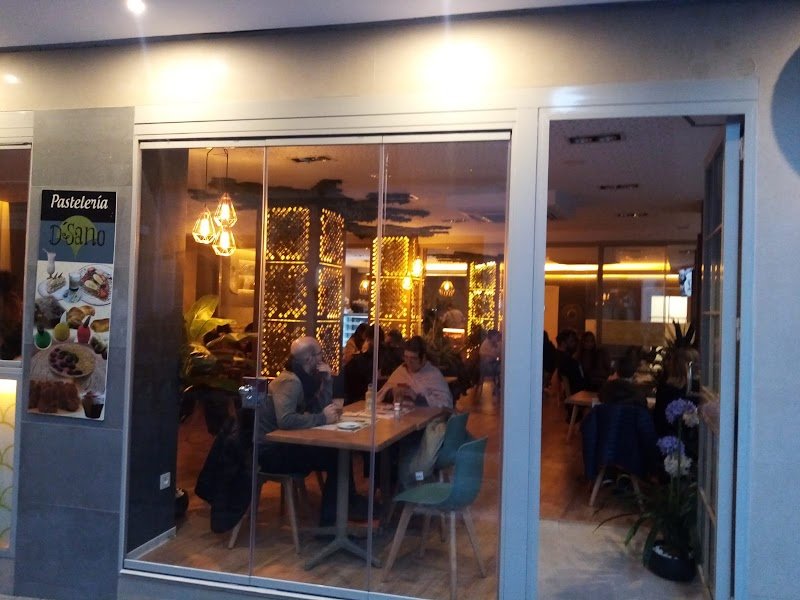
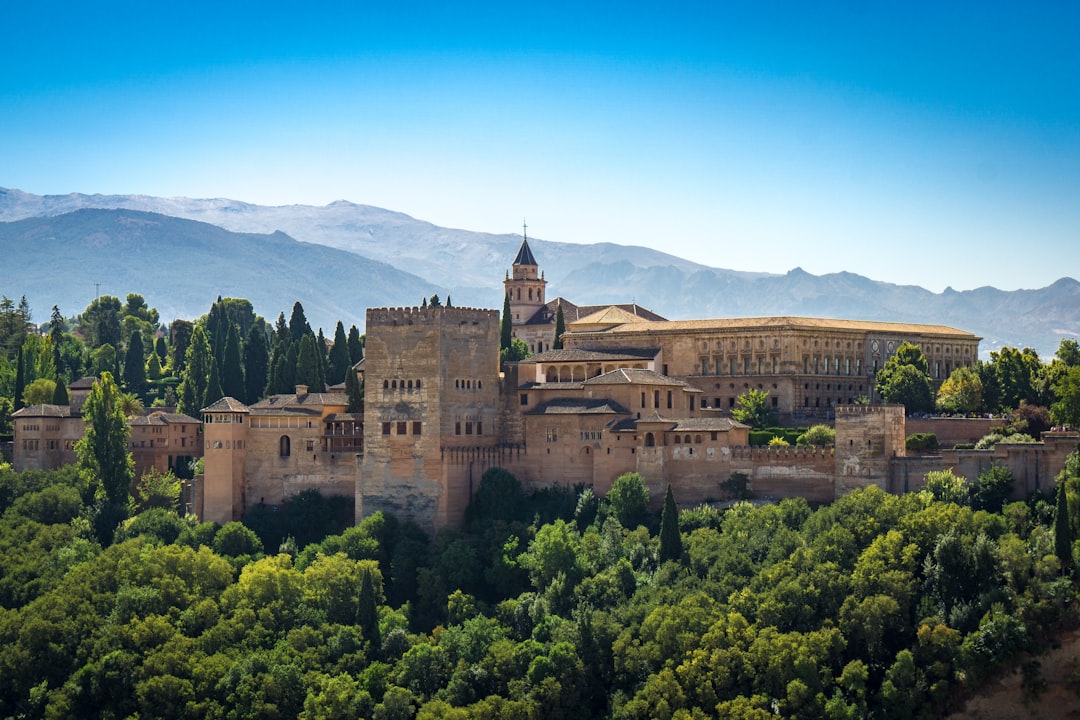
Granada hits you with the scent of jasmine and the sound of guitar notes drifting from shaded courtyards. At sunset, the Alhambra glows like a storybook fortress, its red walls catching the last light. In the Albaicín, narrow cobblestone lanes lead to tascas where wine flows and tapas pile up faster than conversation. Skip the tourist trail for a climb into Sacromonte, where cave houses tuck into the hillside and flamenco feels raw and alive. Mornings are for thick churros dunked in chocolate; afternoons invite siestas or lazy strolls by the Darro River. Summer heat can be fierce, but evening breezes carry the scent of oranges from patio gardens. Granada’s magic lies in its layers—Moorish, Spanish, modern—all woven into a rhythm that’s equal parts dream and dance.

Quick Facts

currency
EUR
languages
Spanish
airports
Federico García Lorca Granada-Jaén Airport
size
Medium City
power
Type C, Type F
timezone
Central European Time (CET, UTC+1) / Central European Summer Time (CEST, UTC+2)
safety
Safe
costs
Moderate

General Information

Safety indexGranada is considered a very safe city for travelers, with a low to moderate crime rate. The safety index is typically around 70/100. Petty crimes like pickpocketing can occur, especially in tourist areas, but violent crime is rare.

Best Time to TravelThe best time to visit Granada is during spring (April to early June) and autumn (September to early November). These months offer pleasant temperatures (15-25°C/59-77°F), lush gardens, and fewer crowds compared to summer.

Least crowded and still a good time to visitLate autumn (mid-November to early December) and late winter (February) are less crowded and still enjoyable, though temperatures are cooler (8-18°C/46-65°F), and many attractions remain open.

BudgetGranada is moderately priced. Budget travelers can expect to spend around €40-60 per day (hostels and inexpensive meals), while mid-range budgets may range from €80-120 per day (hotels, occasional dining out, and entrance fees like the Alhambra).

Healthcare and VaccinationsHealthcare in Granada is of high quality, with well-equipped public and private hospitals. EU/EEA travelers can use the European Health Insurance Card (EHIC). Travelers from other countries should buy travel insurance. No specific vaccinations are required for entry, but routine vaccines should be up to date.

Visa RequirementsEU/EEA citizens do not need a visa to visit Spain. For most non-EU travelers, Spain is part of the Schengen Area, allowing tourist stays of up to 90 days within a 180-day period. Always check your local consulate for the most up-to-date requirements.

Weather in Granada

°C°F
39102
2883
1864
744
-425
Jan
Feb
Mar
Apr
May
Jun
Jul
Aug
Sep
Oct
Nov
Dec
3020100
Avg. min. temperature
Avg. max. temperature
Avg. precipitation days

First-time travelers

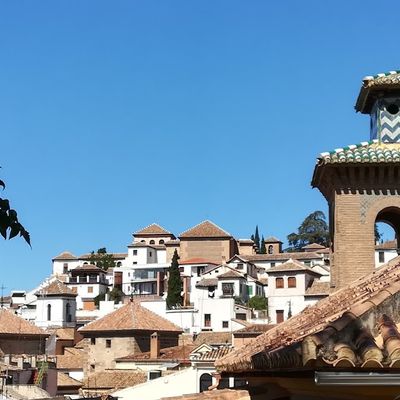
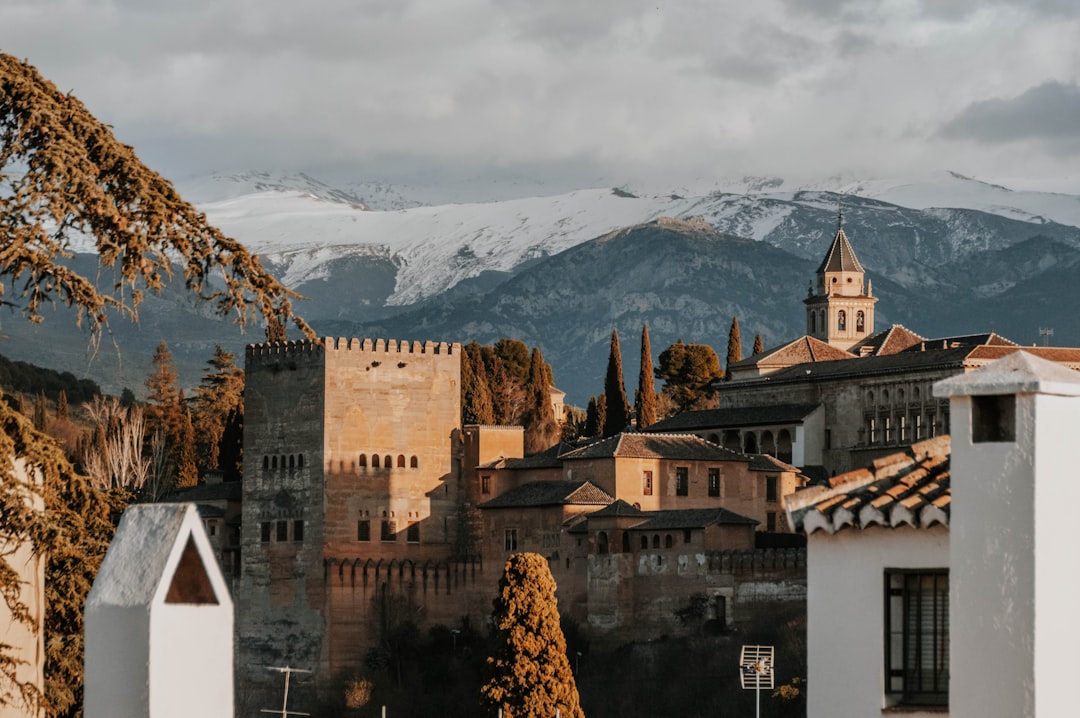
Granada begins with a view—crimson rooftops clinging to the foothills, Sierra Nevada rising behind. This is not just another Spanish city. The first time you walk these jasmine-scented streets, you taste tradition, see centuries-old stories carved in stone. The city hums beneath its Moorish skin.

The Heartbeat of Albaicín

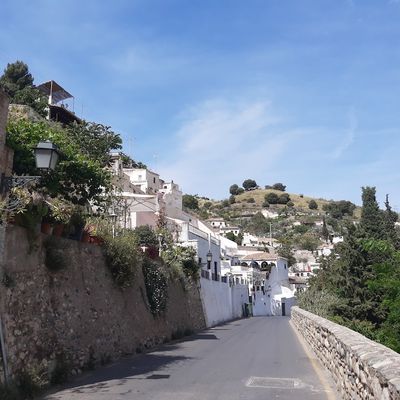
Start where whitewashed houses tumble down steep lanes. Albaicín dazzles first-timers with its secret corners and endless viewpoints. Listen for the echo of church bells at San Nicolás. Smell orange blossoms tickling hedges along Calle Agua del Albayzín. The sun-warmed cobblestones here keep quiet tales—follow them down to the Plaza Larga early, when locals sip strong coffee under faded awnings.

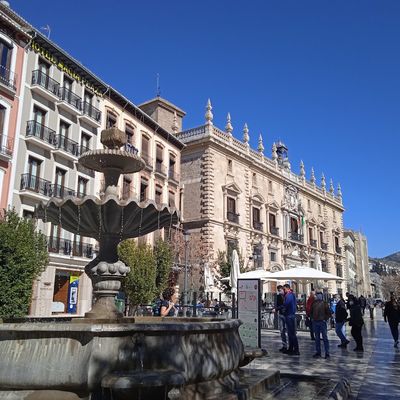
Only a few blocks onward, loafers mingle waterside in Plaza Nueva. Morning light glances off centuries of stone arches. On the lower slopes, the chatter blends with the clang of spoons against small, chipped cups of café solo.

Granada on a Plate

Soon a hunger grows, and Granada answers in small, perfect bites. Enter a neighborhood bar, order a beer or tinto de verano, and a complimentary tapa arrives. Maybe garlicky shrimp at Bodegas Castañeda or eggplant with honey in Bar Los Diamantes. Each bite opens a door to Andalusian kitchens.

  • Arrive just before sunset at Mirador de San Nicolás for the best view of Alhambra aglow.
  • Visit Hammam Al Ándalus for a taste of Granada’s bath culture.
  • Wander the Carrera del Darro at dusk, when violin notes dance with river breeze.
  • Try piononos, the city’s sweet, creamy pastry, at Casa Ysla.
Granada offers a slow magic—let the scent, sound, and taste shape your first memories. Give in to its gentle invitation.

Return travelers

With each visit, Granada deepens its spell. Return travelers skip the familiar arches and turn instead down hushed side streets. The city’s layers lie just beneath—waiting, subtle. This time, surprises hide behind ochre doors, in quiet courtyards, and at half-lit bars where regulars get served by name.

Beyond the Palaces

Now, stroll Realejo’s tangled Jewish quarter. The walls bloom with colorful street art and tangled jasmine. Pause for tea in Tetería Ábaco Té, where antique mirrors reflect damask patterns and soft murmurs. Look up: the pomegranate motif hides in doorframes and signposts—a nod to Granada’s roots.

Go deeper underground. Visit the Fundación Rodríguez Acosta, a whitewashed villa-turned-museum, for intimate tours and chapel secrets. Step into Carmen de los Mártires gardens when rain scatters petals onto damp flagstone paths. Peacocks call from the shadows.

Dishes Beyond Tapas

The city’s kitchens shine brightest in unexpected spots. Try slow-cooked oxtail at Restaurante Los Manueles—savory and rich. Taste picadillo soup in winter, scented with cumin, from a midtown family café. Or sip chilled gazpacho in shady courtyards as the air thrums with flamenco rehearsals.

  • Book a craft workshop—perhaps ceramic tile painting at the Taller de Alcazaba.
  • Sample cheese and jamón at Mercado San Agustín, chatting with vendors about their family farms.
  • Seek hidden flamenco in Peña La Platería on a quiet Thursday night.
  • Take an early morning walk through Sacromonte’s caves before the city stirs.
Granada never repeats itself. Stay curious, step sideways, and let the city reveal its quieter stories. Each return brings something new, just waiting for you.

Must-see locations

Plaza de San Nicolás
i

Plaza de San Nicolás

Photo by Antonio Rosales

Plaza de San Nicolás

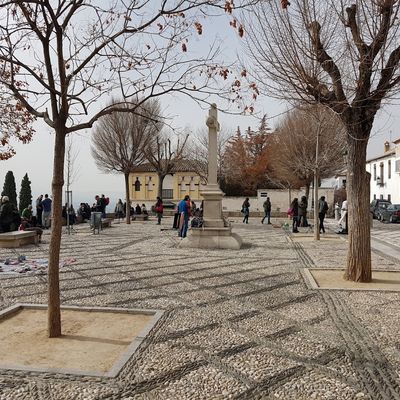
Plaza de San Nicolás, perched in the Albaicín district of Granada, offers sweeping Alhambra views, lively street music, and vibrant dusk gatherings. Locals and visitors fill terrace cafés, sharing tapas while sunset colors light up ancient walls.

Learn More
Albaicín

Albaicín

Steep cobbled streets lined with white houses lead to Mirador de San Nicolás, where views of the Alhambra glow at sunset. Tapas cafés, ancient mosques, and lively flamenco show Albaicín’s rich Moorish roots and vibrant daily life.

Learn More
Sacromonte

Sacromonte

Sacromonte, Granada tempts with white cave houses carved into steep hills, vibrant flamenco in cuevas, and views of the Alhambra at sunset. Walk narrow paths, hear gypsy legends, and explore the Museo Cuevas del Sacromonte.

Learn More
Plaza Nueva

Plaza Nueva

Plaza Nueva in Granada buzzes with local life, cafes, and street performers. Framed by the Alhambra’s shadow, sandstone facades and the historic Royal Chancellery create the perfect spot to relax or start a walk to Albaicín.

Learn More

Plaza de Bib-Rambla

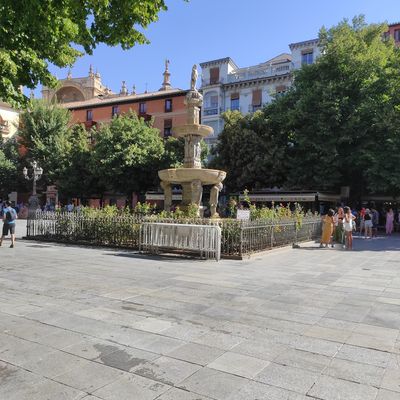
Plaza de Bib-Rambla buzzes with lively cafés, flower stalls, and street performers. Locals relax beneath leafy trees as fountains trickle nearby. Fragrant churros drift from historic bakeries, inviting you into Granada’s warm social heart.

Learn More

How to get there

By air

Granada is served by Federico García Lorca Granada-Jaén Airport (GRX), located about 15 km west of the city. There are direct flights from Madrid and Barcelona, and some international destinations. Most international travelers may connect via Madrid or Barcelona.
Options to get to town:
Taxi
Price:
Approx. €30-€35
Duration:
20-30 minutes
Where to buy:
At the official taxi rank directly outside the arrivals hall
Airport bus
Price:
Approx. €3
Duration:
40-50 minutes
Where to buy:
Buy tickets on the bus with cash or card
Train/shuttle
Price:
N/A
Duration:
Where to buy:

By train

Granada is directly connected by high-speed and regular trains to major Spanish cities such as Madrid, Barcelona, and Seville. Granada train station (Estación de Granada) is centrally located.

By car

Granada is well-connected by major highways, such as the A-44 from the north (Jaén), the A-92 from Malaga and Seville, and the A-7/A-44 from the Costa del Sol. Driving offers flexibility to visit attractions outside the city as well.
Additional charges to be aware of:
Toll / vignette / emission sticker
Cost:
No mandatory vignettes or emission stickers for Granada. Most main autoroutes to Granada are toll-free, but some segments elsewhere in Andalusia may have tolls (€4-€10).
How to pay:
Pay at toll booths if necessary
Other driving costs
Cost:
Parking in city center: €1-€2/hour (public lots or street parking); fuel cost approx. €1.60-€1.80/liter
How to pay:
Pay parking meters or at parking garages

How to get around

Public transport

Granada’s public transport system is primarily based on an extensive network of urban buses (operated mainly by Transportes Rober). The buses are efficient for local travel, especially to Alhambra, Albaicín, and the city center. There is also a light rail/tram line (Metro de Granada) that connects the city with the surrounding suburbs.

Ticket options:
Ticket TypePriceWhere to buy
Single ticket€1.40 (bus), €1.35 (metro)On board buses (cash), at metro stations (ticket machines), and select kiosks.
Day pass€4.50 (multiple journeys, bus only)At newspaper kiosks and authorized sales points.

Taxis & ridesharing

Granada has a large fleet of official white taxis that can be hailed on the street, at taxi ranks, or called by phone. Ridesharing options like Uber and Bolt are also available, providing convenient and cashless alternatives.

Service providers:
ProviderPriceHow to book
Local taxiStarting from €4 (minimum fare), meter-basedHail on street, taxi ranks, phone reservation
Ridesharing appVariable (depends on demand & route)Uber/Bolt app

Car rental

Car rentals are widely available from both international and local companies in Granada, particularly at the airport and main train/bus stations. While unnecessary for exploring central Granada (due to narrow streets and traffic restrictions), a rental car can be useful for trips to Sierra Nevada or Andalusian countryside.

Rental options:
ServicePriceHow to book
Daily rentalFrom €30/day (depending on car type & season)Major rental desks at airport or downtown (e.g., Europcar, Hertz)
Weekly rentalFrom €150/weekCar rental offices or online booking platforms

Bike & scooter rental

Cycling and electric scooters are popular for short distances in Granada. Many local shops offer bike rentals, and app-based electric scooter rentals are also available in the city center.

Rental options:
ServicePriceHow to book
Bike rentalFrom €12/dayLocal bike shops or rental agencies
Scooter rentalFrom €0.20/minuteLime or VOI app

What to eat

The scent of sizzling olive oil and smoked paprika swirls through Granada’s narrow lanes, trailing past tiled fountains and echoes of Moorish poetry. Even before sunrise, bakers stack fresh loaves in tiled doorways. Guitar chords ring from tavern windows as barmen slide plates of food, still steaming, across cool marble. You can taste ancient history on every street corner—sometimes sprinkled with ground cumin, sometimes drizzled with wild honey. In Granada, eating is a daily celebration. It's a city that tempts you at every turn. Hungry yet? Good—you’ll need the appetite.

Signature Dishes

  • Tortilla Sacromonte: Fluffy Spanish omelette with delicate lamb brains, spicy chorizo, and crispy breadcrumbs. A bold, savory bite named after the city’s famed gypsy quarter.
  • Remojón Granadino: Juicy oranges, mild salt cod, black olives, and hard-boiled eggs. Each forkful blends sweet, salty, and sharp flavors—a legacy from Moorish kitchens.
  • Plato Alpujarreño: Rustic mountain plate with slow-cooked pork, morcilla (black pudding), potatoes, and grilled peppers. Earthy, filling, and often found at countryside taverns.
  • Olla de San Antón: Robust winter stew with beans, pork, and blood sausage. Local families cook this for festivals—hearty, peppery, unforgettable.

Street Food & Markets

Head to Mercado de San Agustín, where vendors shout offers for spices, local cheese, and fresh figs. Try piping-hot churros dunked in thick chocolate at a sidewalk stall. Bite into piononos, cinnamon-dusted cakes sold from rickety carts in Plaza Nueva. Dappled sunlight flickers across colorful heaps of almonds and pomegranates. Venture deeper—past the tourist traps—toward tucked-away chiringuitos grilling sardines, scenting the air with smoke. Tapas bars line Calle Navas, serving plates piled high with jamón, sharp sheep’s cheese, and sizzling gambas al ajillo. Crowds can gather at popular places, but the flavors are worth every jostle.

Sweet Treats & Drinks

Sip café con leche in a sun-drenched patio, nibbling on crunchy, honey-soaked soplillos. Order helado de turrón (nougat ice cream) from Los Italianos, Granada’s oldest gelateria. Taste locally-made piononos, their syrupy, caramel tops still warm. For drinks, order a sweet vermut on ice or sample Alhambra beer at a classic Moorish-style bar. The city’s sweet and bitter flavors linger long after the last mouthful.

Why Travelers Eat Here

  • Granada is Spain’s last stronghold of free tapas—order a drink, receive a savory plate on the house.
  • Influences from Moorish, Jewish, and Andalusian kitchens fuse perfectly in every meal.
  • Markets brim with fresh fruit, spice, and artisan cheese from nearby mountains.
  • The city’s bold flavors and lively bars stay buzzing long into the night.

Dining in Granada is more than just eating—it’s joining the city’s heartbeat. Each bite ties you to centuries of passion and tradition, all set beneath soaring red rooftops and the snowy peaks beyond.

Top Rated Restaurants

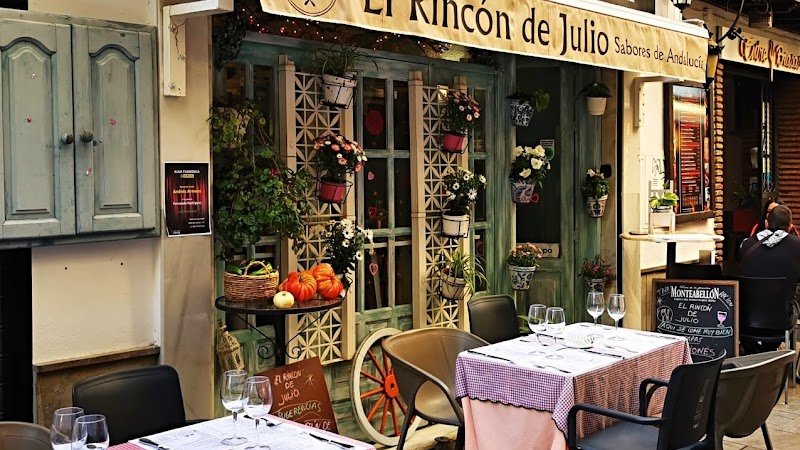
El Rincón de Julio

El Rincón de Julio

4.9 (5.5k reviews)
$$
LocationC. Navas, 27, Loc bajo centro, Centro, 18009 Granada, Spain
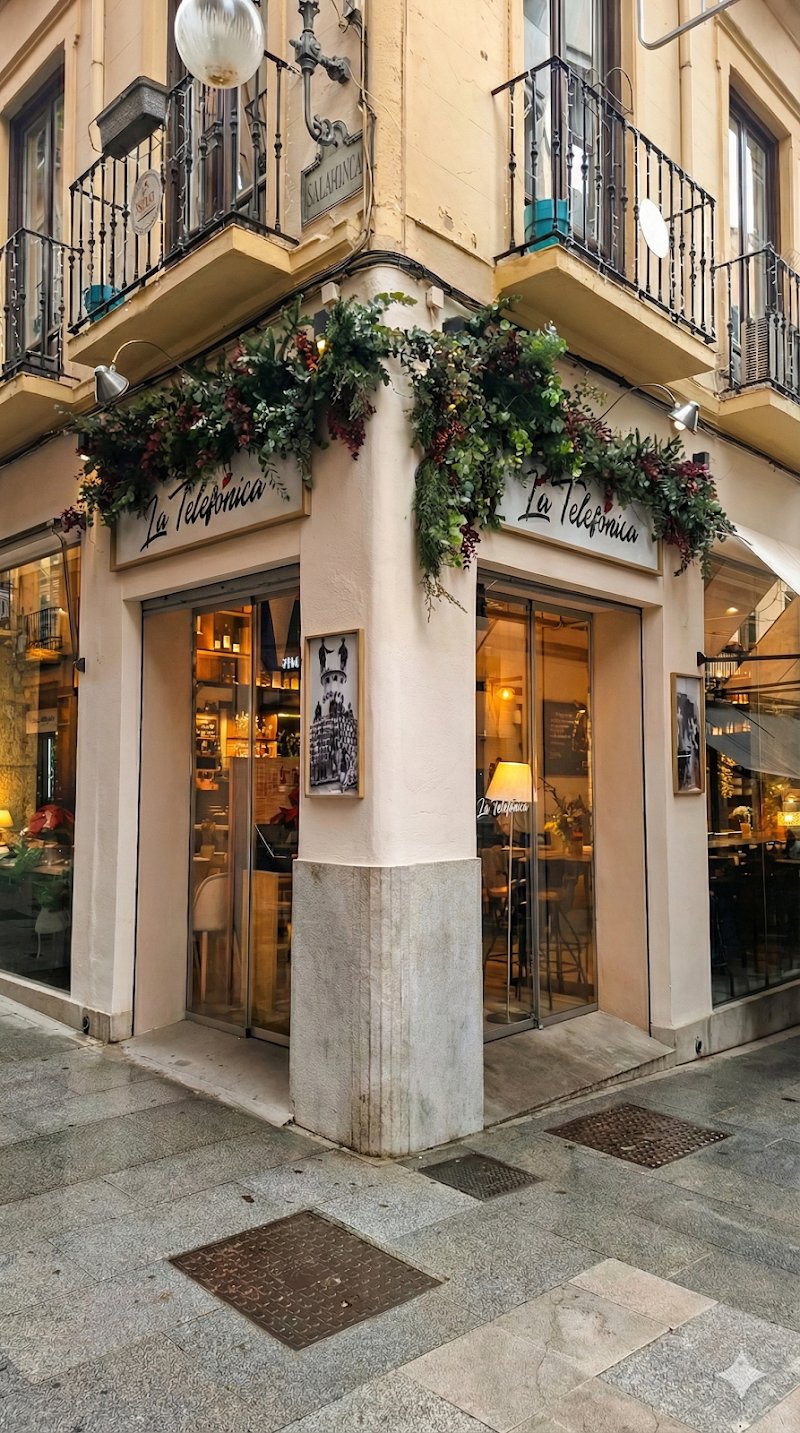
La Telefónica

La Telefónica

4.9 (10.7k reviews)
$$
LocationC. Salamanca, 19, Centro, 18001 Granada, Spain
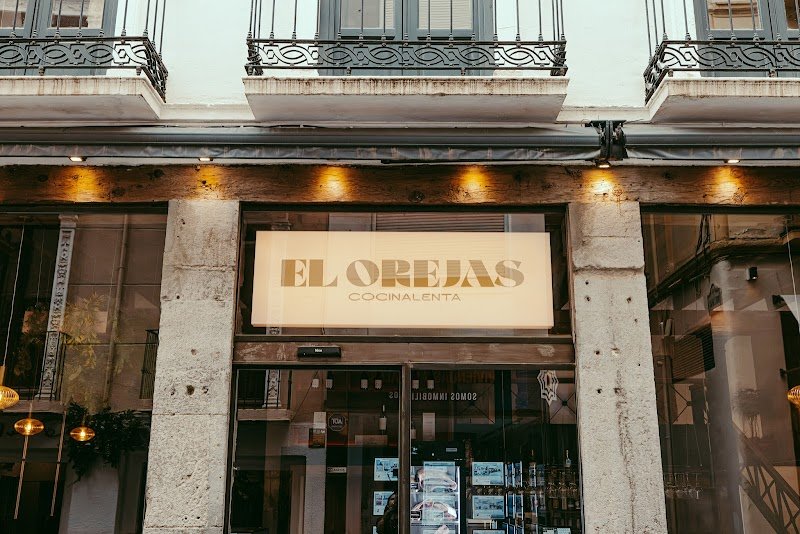
El Orejas Cocinalenta

El Orejas Cocinalenta

4.9 (2.2k reviews)
LocationC. Arco de las Orejas, 1, Centro, 18001 Granada, Spain
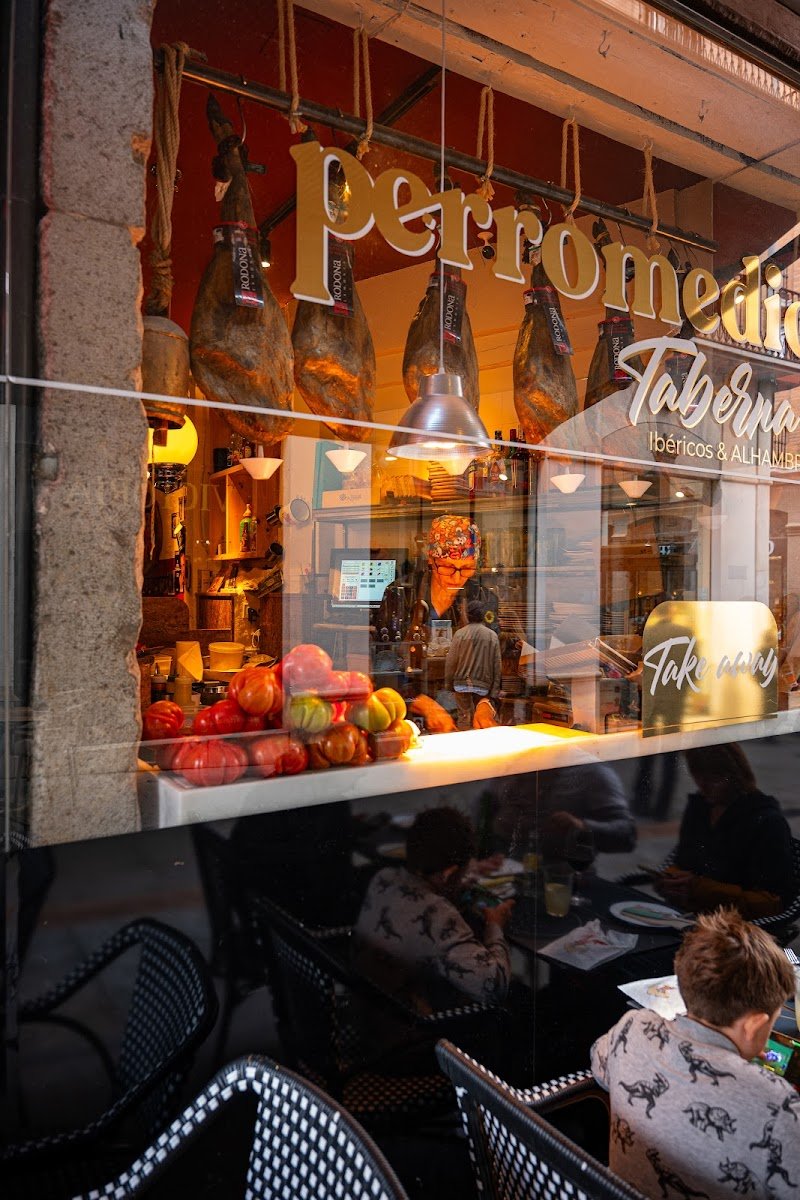
Perromedio Taberna

Perromedio Taberna

4.9 (6.9k reviews)
$
LocationC. Marqués de Gerona, 17, Centro, 18001 Granada, Spain
Restaurante Palacio Andaluz Almona

Restaurante Palacio Andaluz Almona

4.8 (5.4k reviews)
$$
LocationC. San Jerónimo, 5, Centro, 18001 Granada, Spain

Accommodations

Granada can feel like two cities at once: a swirl of ancient cobbles and a lively, modern rhythm. Where you stay shapes how you meet Granada. Choose the right neighborhood and mornings will bring café aromas; the wrong one, perhaps late-night echoes. Having wandered the city for weeks, I’ve learned that finding the right home base takes more than scanning hotel stars.

Neighborhood Overview

  • Albaicín: Old Moorish streets wind up a steep hillside. Views are jaw-dropping—especially at dusk. Couples and photographers love the romance and narrow lanes, but steps and crowds aren’t friendly to strollers or wheelchairs.
  • Centro: Bustling and central, this district surrounds the Cathedral. Here, you’ll find markets, tapas bars, and easy tram access. It’s perfect for first-time visitors, though late-night noise sometimes drifts through thin hotel walls.
  • Realejo: Granada’s historic Jewish quarter mixes artful street murals with leafy plazas. Realejo has calm corners ideal for families but lively blocks too, with trendy tapas spots and boutique hotels that feel tucked away.
  • Campo del Príncipe: Locals gather around this peaceful square fringed with orange trees. It’s flatter and less crowded than Albaicín, making it a relief for older travelers or those craving less touristy evenings.
  • Sacromonte: Famous for its white cave homes dug into hillsides. This is flamenco’s pulse—vivid and raw at dusk. Staying here feels atmospheric but prepare for rustic charm and walks uphill. Best for night owls chasing Granada’s gypsy soul.
  • Zaidín: Modern and residential, Zaidín sits just beyond the old core. You’ll find value apartments and playgrounds, but fewer sights. It suits budget-minded families or longer stays who value quiet nights over postcard views.

Types of Accommodation

  • Historic Hotels: Parador de Granada perches inside the Alhambra’s walls; doubles start around €170, rising in spring.
  • Boutique Guesthouses: Casa del Capitel Nazarí and Palacio Cabrera-Lillo sit in Albaicín or Realejo, with doubles from €75–120.
  • Holiday Apartments: Airbnb offers lofts in Centro or family flats in Zaidín, usually €60–100 nightly, depending on space and season.

Insider Tips for Booking

Book early if visiting in April–May or October, the peak months. Expect rates to double during festivals. Most accommodations add a small tourist tax on top of published prices, so check booking details. Spanish hotels often charge for breakfast—it’s rarely included outside luxury properties.

On misty mornings, Albaicín’s stones glisten while café chatter warms Realejo’s quiet lanes. Each neighborhood promises a different Granada. I’ve found that where you sleep is more than logistics here—it’s the starting line for the stories you’ll carry home.