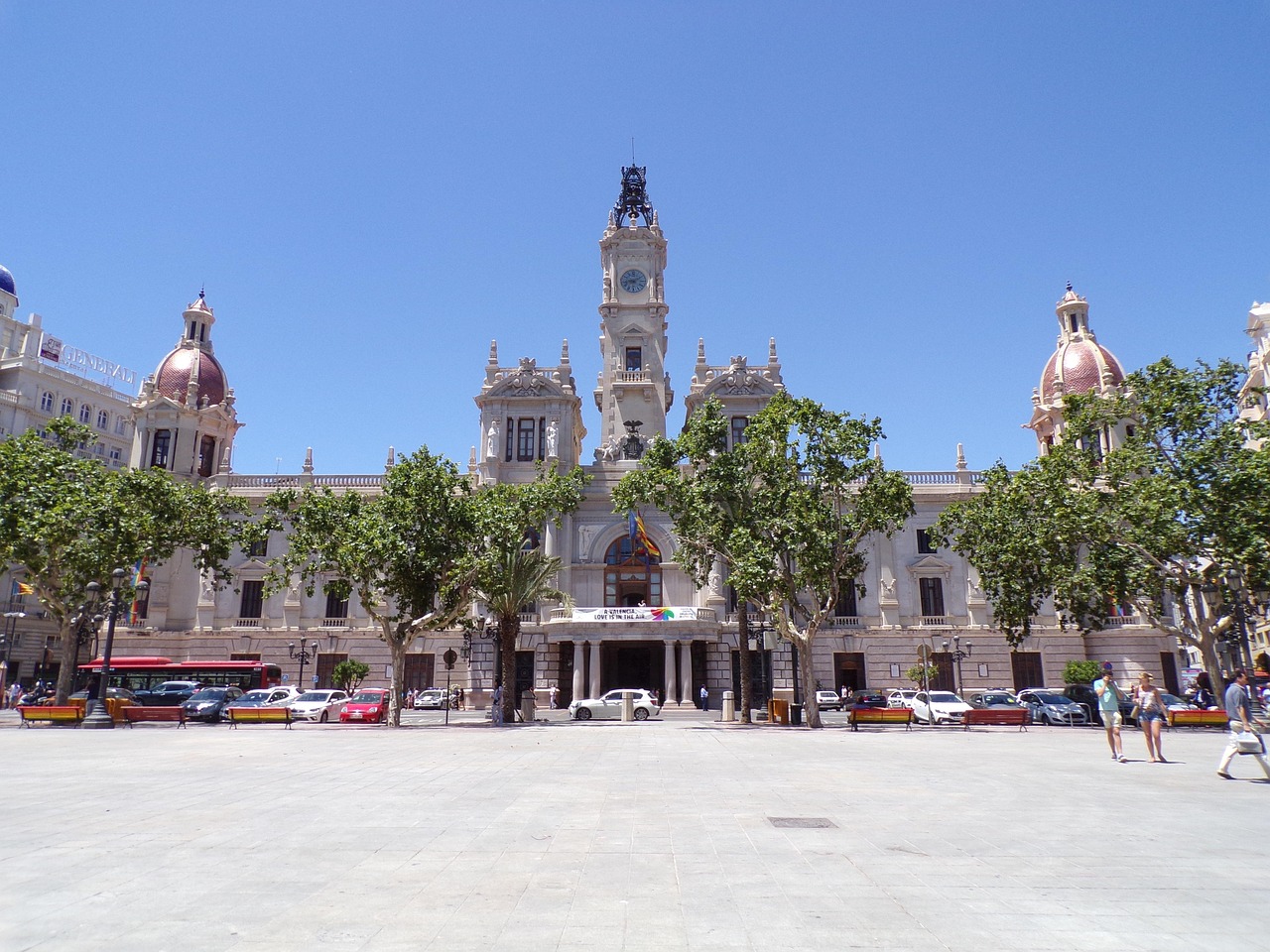
spain, value, municipality, valencia, town hall, valencia, valencia, valencia, valencia, valencia
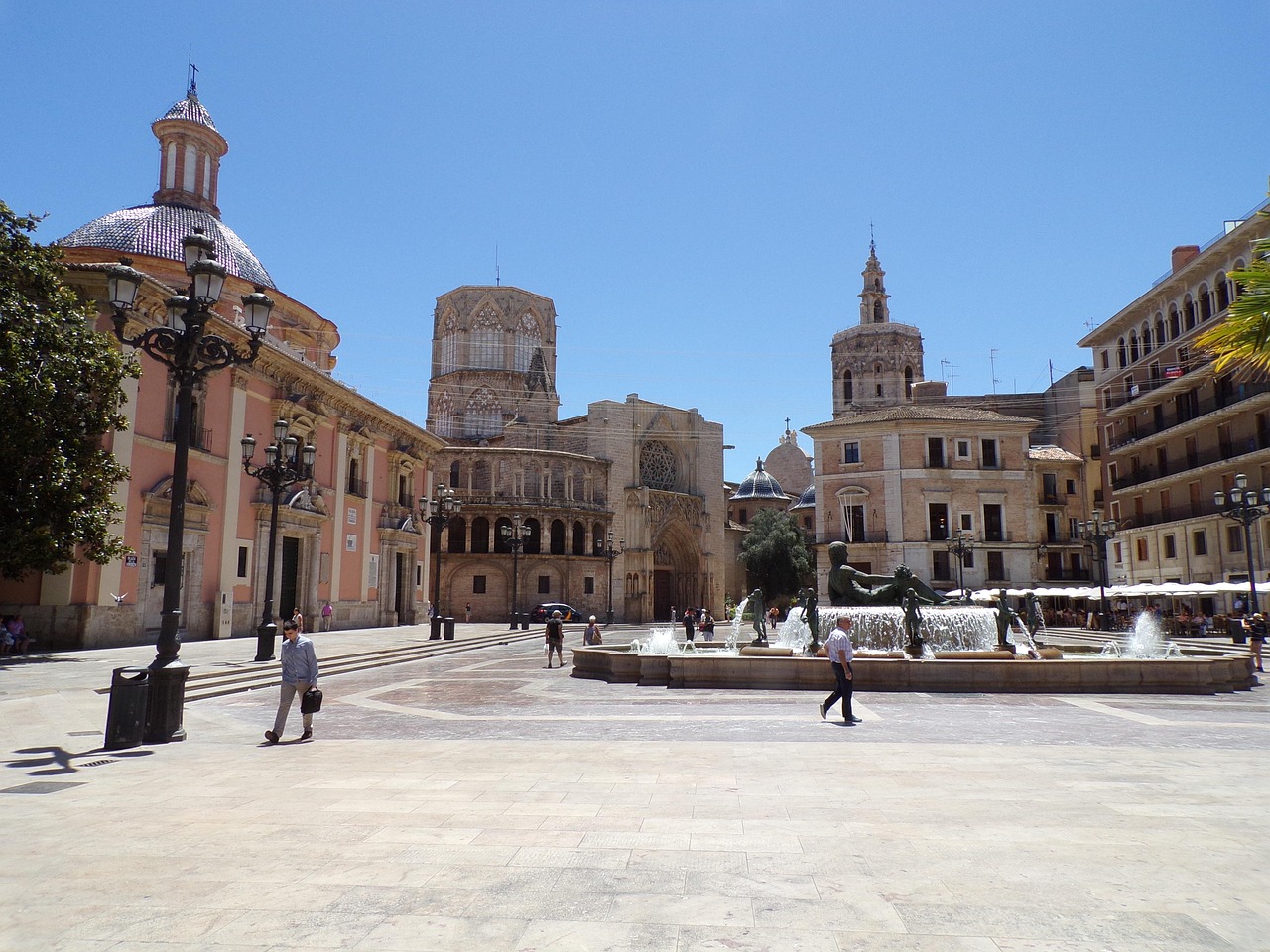
spain, value, square, cathedral, valencia, catedral, valencia, valencia, valencia, valencia, valencia
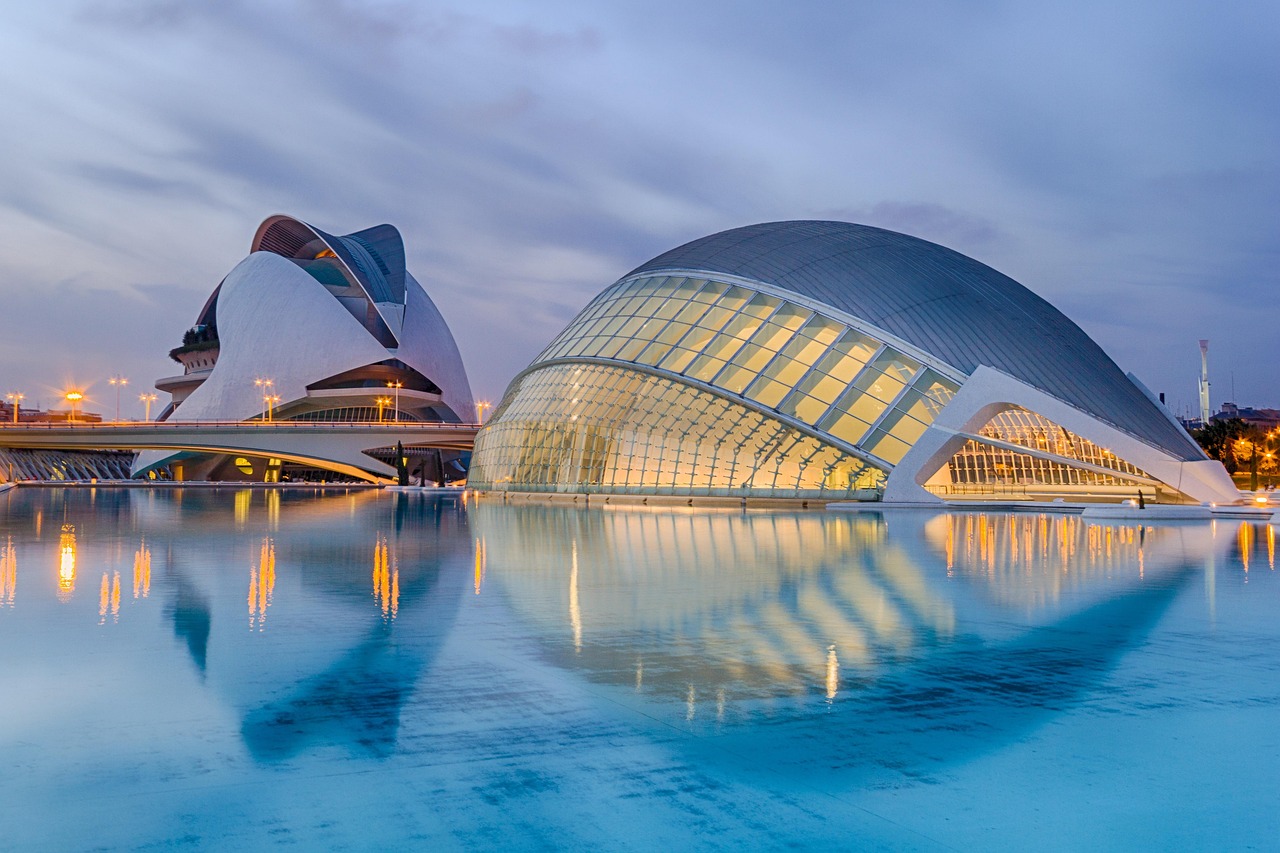
valencia, spain, calatrava, nature, sunset, city of arts, city of sciences, architecture, modernity
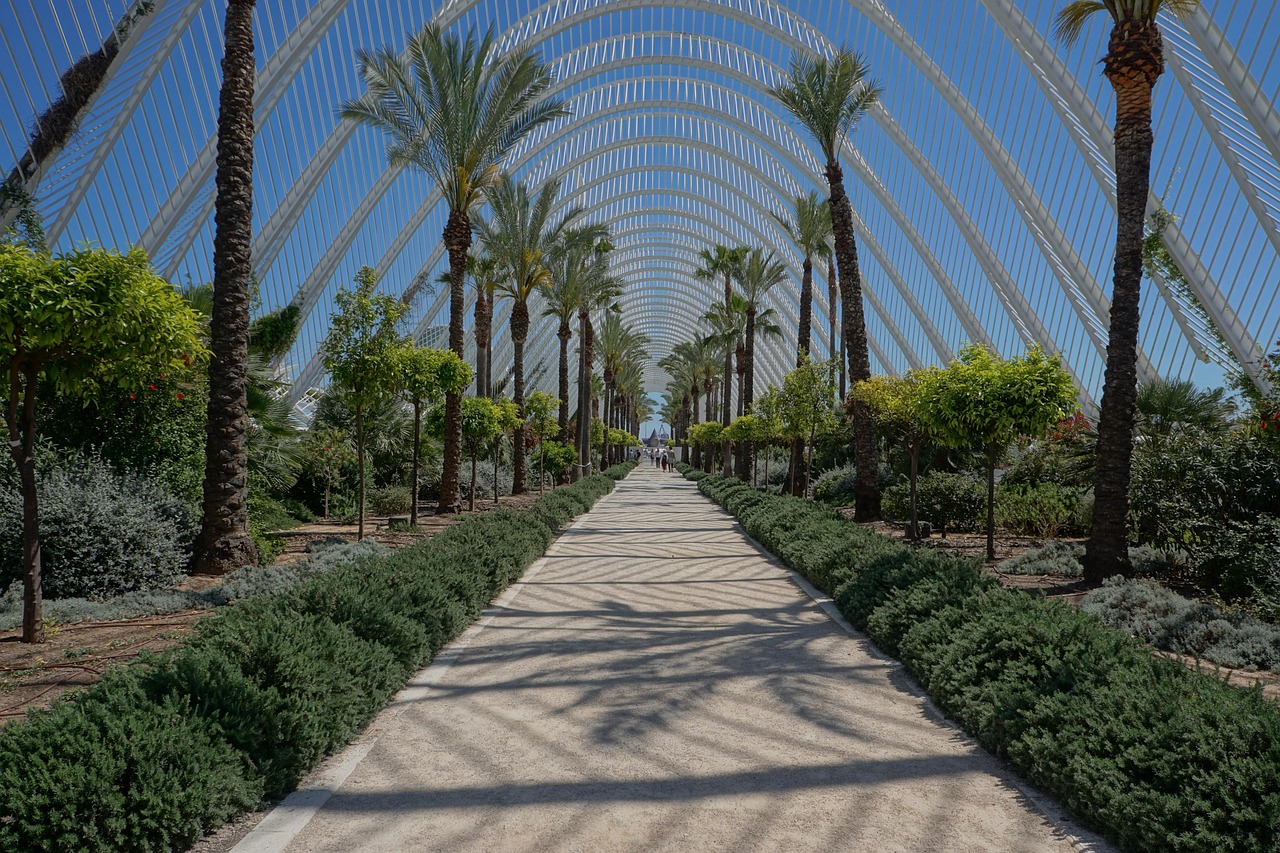
valencia, spain, architecture, building

Valencia

Spain
CulturalUrban HighlightsArt & ArchitectureIconic LandmarksUNESCO World Heritage
i

spain, value, municipality, valencia, town hall, valencia, valencia, valencia, valencia, valencia

Photo by AndreaCastello

Valencia hits you first with its light, a golden wash that turns even stone warm. In the old town, cathedral bells mingle with the scent of orange blossoms. Mornings start best at the Central Market — a riot of colour and chatter where you can taste fresh horchata or nibble jamón straight from the stall. Down in Ruzafa, murals splash colour over café-lined streets, perfect for an afternoon cerveza. At the beach, soft sands meet the Mediterranean, the kind of place where time slips easily. Paella here isn’t a dish; it’s a ritual, best shared slowly with friends. Evenings bring a cooler breeze and the chance to wander riverbed parks, the city’s green spine. Valencia feels lived-in and lively, a balance of hustle and calm that invites you to linger.

Quick Facts

currency
EUR
languages
Spanish, Valencian
airports
Valencia Airport
size
Large City
power
Type C, Type F
timezone
Europe/Madrid (CET, UTC+1, CEST UTC+2 in summer)
safety
Safe
costs
Moderate

General Information

Safety indexValencia is generally considered a safe city for tourists, with a Safety Index around 72 out of 100. Like any major city, petty crime such as pickpocketing can occur, especially in crowded areas and on public transport, but violent crime is rare. Always be cautious with your belongings, especially in touristic zones and during festivals.

Best Time to TravelThe best time to visit Valencia is from March to June and September to November. During these months, the weather is pleasant (mild to warm temperatures, little rain), major attractions are open, and the city is alive with events such as the famous Las Fallas festival in March.

Least crowded and still a good time to visitFor fewer crowds while still enjoying favorable weather, consider visiting in late April to early June or in late September. During these periods, you'll avoid the peak summer tourist rush and hotel prices tend to be lower, but the city is lively and most attractions are open.

BudgetValencia is moderately priced compared to other Spanish cities. A mid-range daily budget per person is approximately €60-€100, covering accommodation, meals, local transportation, and entrance fees. Budget travelers can manage on €40-€60 per day by staying in hostels or budget hotels, using public transport, and eating at local markets or tapas bars.

Healthcare and VaccinationsValencia has a high standard of healthcare, and hospitals and clinics are well equipped. EU citizens should bring a European Health Insurance Card (EHIC) or its replacement, the GHIC for UK citizens, for access to public healthcare. Non-EU visitors should have comprehensive travel insurance. There are no special vaccines required for Valencia beyond standard travel vaccinations (e.g., tetanus, hepatitis A).

Visa RequirementsValencia is in Spain and thus part of the Schengen Area. Citizens of the EU, EEA, and several other countries (including the USA, Canada, Australia, and Japan) can enter visa-free for up to 90 days within a 180-day period. Other nationalities may need to apply for a Schengen visa before traveling. Ensure your passport is valid for at least three months beyond your date of planned departure.

Weather in Valencia

°C°F
3799
2883
2067
1151
236
Jan
Feb
Mar
Apr
May
Jun
Jul
Aug
Sep
Oct
Nov
Dec
3020100
Avg. min. temperature
Avg. max. temperature
Avg. precipitation days

First-time travelers

Every city whispers something different to a newcomer. Valencia sings—a song laden with orange blossom, splashed with sun, and built on a tempo that doesn’t rush. Arriving here is a sensory jolt: palms swaying on grand avenues, the sharp scent of the sea, cafes humming even before noon.

The Spirit of Old and New

Walk Valencia’s golden core, the Ciutat Vella. Pale Gothic spires meet market awnings. On your first visit, the Mercado Central overflows with glistening olives, salted cod, and fruit pyramids. But don’t just taste—listen. The stallholders banter in Valenciano, trading recipes for fartons and freshly blended horchata. Sample at a counter: it’s sweet, nutty, and cool.

Streets spiral out—past silk merchants’ halls to bars where sunlight falls through latticed windows. Each street corner draws you further, lingering at Plaza de la Virgen for the way dusk lays gold on the cathedral stone. Morning brings café con leche, taken slow, while locals unfold newspapers and the day begins without hurry.

First Impressions and Flavors

Beyond sights, try the beloved rice. Not just paella, but arroz al horno at a family stew house near Ruzafa—savory, smoky, the tomatoes sun-warmed and sweet. Notice how Valencians gather. Watch children chase pigeons on Plaza del Ayuntamiento, couples stroll arm-in-arm, and even solo diners become part of the mosaic. Life here happens outside.

  • Greet vendors at Mercado Central—ask for a local cheese sample.
  • Order horchata and fartons at Horchatería Daniel.
  • Try an early dinner at an unassuming arrocería in Ruzafa.
  • Catch golden hour on Turia Gardens’ old riverbed walkways.

Let yourself be surprised. In Valencia, beauty unspools in plazas, lunches, laughter—if you move slow enough to notice.
Return travelers

There’s a difference between seeing Valencia and knowing where its pulse hides. On a return visit, city edges blur and new details leap out—layers missed on a first pass. Valencia’s rhythm tugs at repeat travelers, inviting deeper wanderings and quieter joys.

Beyond the Familiar Coast

Dive into Cabanyal, a former fishermen’s quarter east of the port. Narrow lanes, tiled cottages, and murals narrate stories grand museums never tell. Here, old ladies frame their doors with wild jasmine, mornings smell of roasted coffee and wood smoke. Head farther—past Malvarrosa’s broad sands—to secret bocadillo stands in Alboraya. The bread crackles, filled with spicy sobrasada, eaten outside with salty fingers and sticky smiles.

With repeat visits comes confidence. Little gestures—offering “Bon dia” or choosing your own spot at Bar Pilar—draw you into the local pace. Slip through the quiet Jardín Botánico for an hour of shade and orange butterflies. Notice how time doesn’t always tick, but pools in siesta afternoons and late, clinking nights under the trees.

Subtle Pleasures, Seasoned Eyes

The city’s art scene blossoms away from main galleries. In Ruzafa, reclaimed warehouses now pulse with experimental jazz or street-food pop-ups where wok smoke rolls down the street. Find a seat, order a glass of agua de Valencia—the citrusy, boozy secret mixing champagne with orange liqueur and gin. Talk with artists painting murals, or linger at a terrazza as the city cools and traffic slows.

  • Walk Cabanyal’s painted streets at quiet sunrise.
  • Sip agua de Valencia with locals at Café de las Horas.
  • Lose an afternoon in Jardín Botánico’s leafy paths.
  • Skip the crowd—try street food at Ruzafa’s San Valero Market.

Valencia’s second glance rewards patience. With each return, you step deeper into its story—until the city begins to feel, quietly, like home.

Must-see locations

Modern white architectural building with blue sky
i

Modern white architectural building with blue sky

Photo by Thomas K

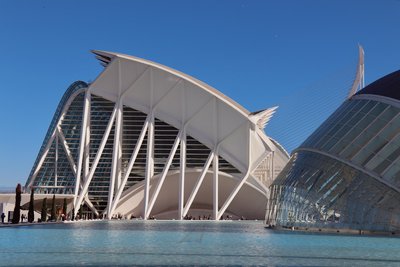
Ciudad de las Artes y las Ciencias

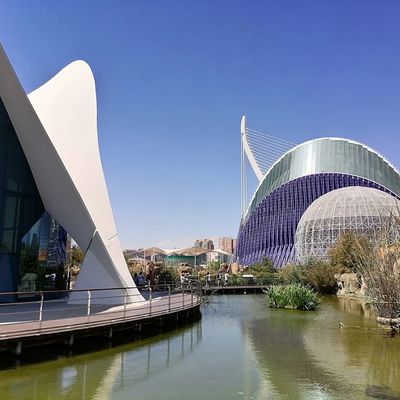
Sparkling pools and futuristic buildings fill Ciudad de las Artes y las Ciencias in Valencia. Wander through the Oceanogràfic aquarium, walk in the shaded Umbracle gardens, and catch a show at the Hemisfèric theater. Science and art blend everywhere.

Learn More
Oceanogràfic València
i

Oceanogràfic València

Photo by soroush a.a

Oceanogràfic

Europe’s largest aquarium, Oceanogràfic in Valencia, brings visitors face to face with sharks, dolphins, and beluga whales. Glass tunnels, themed habitats, and dolphin shows invite exploration of marine life from every ocean.

Learn More
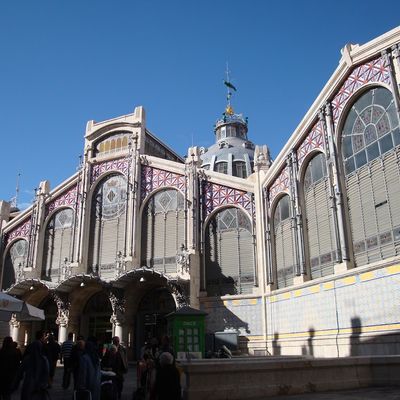
Central Market of Valencia
i

Central Market of Valencia

Photo by Mercado Central de Valencia

Central Market of Valencia

Central Market of Valencia dazzles with colorful food stalls, fresh local delicacies, and lively chatter beneath stained glass domes. Sample Iberian ham, smooth cheeses, or sweet oranges. Modernista architecture meets bustling city life.

Learn More
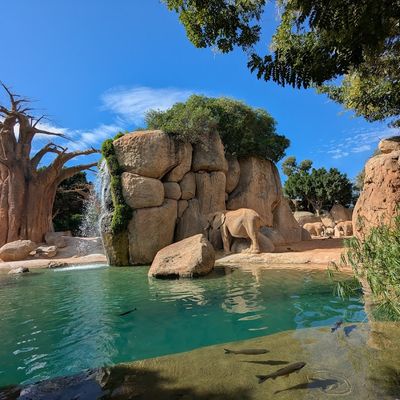
Bioparc Valencia
i

Bioparc Valencia

Bioparc Valencia immerses visitors in wildlife habitats, from African savannas to Madagascar forests. Large glass walls, no cages. Kids marvel at lemurs leaping nearby. Conservation programs connect local culture to global nature.

Learn More
Google Places photo
i

Google Places photo

Photo by Imanol Gallego

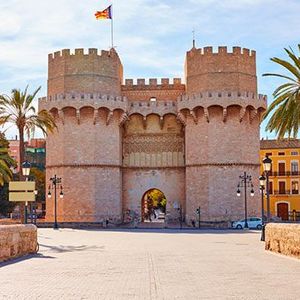
Torres de Serranos

Torres de Serranos stands tall over old Valencia, drawing visitors with its medieval towers and sweeping city views. Climb ancient steps, trace carved stone arches, and feel history above the lively barrios below.

Learn More

How to get there

By air

Valencia Airport (Aeropuerto de Valencia, VLC) is located about 8 km west of the city center and welcomes flights from major European cities as well as domestic connections. It's the fastest way to reach Valencia from distant destinations.
Options to get to town:
Taxi
Price:
Approx. €20-25
Duration:
20 minutes
Where to buy:
Taxi ranks outside arrivals
Airport bus
Price:
€1.50 (Bus line 150, goes to the city center)
Duration:
30-45 minutes
Where to buy:
On the bus
Train/shuttle
Price:
€4.90 (Metro lines 3 or 5)
Duration:
20-25 minutes to city center (Xàtiva station)
Where to buy:
Metro station, ticket machines

By train

Valencia is well served by Spain’s high-speed AVE trains and regular rail services. Joaquín Sorolla station handles the AVE high-speed trains from Madrid and other major cities, while Estació del Nord serves regional and commuter trains. Travel times from Madrid and Barcelona are about 1.5–3.5 hours depending on the train.

By car

Valencia is easily accessible by motorway. The A-3 connects it directly to Madrid (approx. 350 km, 3.5–4 hours), while the AP-7 runs along the Mediterranean coast, linking Valencia to Barcelona and Alicante. Driving provides flexibility for exploring the wider region.
Additional charges to be aware of:
Toll / vignette / emission sticker
Cost:
AP-7 has some toll sections; expect to pay €10–30 depending on route
How to pay:
At toll booths en route
Other driving costs
Cost:
Parking in city center can cost €2–4 per hour; cheaper in outskirts
How to pay:
Public parking lots, on-street meters

How to get around

Public transport

Public transport in Valencia is managed by EMT (buses), Metrovalencia (metro and trams), and Renfe Cercanías trains. It's an efficient, cost-effective way to reach city attractions, suburbs, and nearby towns. The metro connects the city center, beach, and the airport, while the bus network covers most city areas.

Ticket options:
Ticket TypePriceWhere to buy
Single ticket€1.50 (bus), from €1.50 (metro, depending on zones)Bus: on board from the driver; Metro: at stations via machines or staffed counters
Day passFrom €4.00 (Bonobús or T1/T2/T3 cards for unlimited rides over 1/2/3 days)Kiosks, metro stations, EMT offices

Taxis & ridesharing

Taxis & ridesharing are plentiful in Valencia and can be flagged down on the street, found at designated ranks, or booked via app. Fares are metered, with extra charges for airport trips or night rides. Ridesharing (like Uber or Cabify) offers app-based convenience and sometimes lower fares.

Service providers:
ProviderPriceHow to book
Local taxiInitial fare from €4.00; subsequent per km/meters chargedOn the street, at taxi ranks, or using a local taxi app
Ridesharing appVaries based on demand and distance, often competitive with taxisUber, Cabify, or Bolt mobile apps

Car rental

Car rental is ideal if you plan to visit areas beyond the city, such as natural parks or nearby towns. Many international and local agencies operate from the city center and airport. Parking in the city center can be challenging and paid parking zones apply.

Rental options:
ServicePriceHow to book
Daily rentalFrom €25–€40 per day, depending on car type and agencyMajor companies like Europcar, Avis, Sixt, Hertz, and local agencies
Weekly rentalFrom €150–€250 per weekBooking directly at Valencia Airport, major city branches, or via aggregator platforms

Bike & scooter rental

Bike & scooter rental is popular in Valencia, thanks to its extensive cycling paths, notably the Turia Gardens path across the city. You can rent conventional or electric bikes from shops or via app, or use shared e-scooters for short distances.

Rental options:
ServicePriceHow to book
Bike rentalFrom €10 per day (manual bike), €20+ per day (electric bike)Local shops, Donkey Republic, Valenbisi (public bike sharing)
Scooter rentalFrom €0.15–€0.25 per minute (electric scooters)VOI, Lime, or similar scooter-sharing mobile apps

What to eat

The late afternoon air in Valencia hums with orange-blossom scents and a chorus of clinking glasses. Sunlight wraps Plaza de la Reina, bouncing off plates layered with colors—saffron yellow, tomato red, olive green. Locals lean over tables, forkfuls of steaming rice raised, debating the virtues of rabbit versus chicken. Everyone seems to be savoring—loudly, proudly, together. In Valencia, food is a celebration of place, season, and spirited company. Every market aisle and crowded tapas bar tempts with delicacies rooted in tradition. Here, hunger is greeted by flavor. And the city always has another dish left to try.

Signature Dishes

  • Paella Valenciana: Saffron-tinted rice cooked with rabbit, chicken, and green beans. Crisp rice edges. Rich, rustic aroma. Every bite hints at ancient orchards.
  • Fideuà: Short noodles simmered in seafood stock with shrimp, cuttlefish, and squid. Waxy, briny, and deeply comforting. Born on the nearby beaches.
  • Arròs al forn: Baked rice with pork ribs, blood sausage, chickpeas, and tomato. Hearty, caramelized, and rich in family history.
  • All i pebre: Eel stew with garlic, paprika, and potatoes. Silky, spicy, and straight from the Albufera wetlands.
  • Clóchinas: Sweet, tender Mediterranean mussels steamed with lemon and pepper. Pure taste of the Valencian coast.

Street Food & Markets

The heartbeat of Valencian food culture? Its open-air markets. Mercat Central buzzes each morning with shouting vendors and gleaming produce. Citrus pyramids, just-picked artichokes, cones of spicy chorizo—ideal picnic fuel. Try empanadillas (stuffed pastries with tuna and tomato) hot from food stalls. Or snack on bunyols, golden pumpkin fritters dusted in sugar, from the smoky carts near Plaza del Ayuntamiento. Fresh horchata stands cool the midday heat—best sipped with a crunchy fartón pastry. In the rush of the stalls, skip the lines longer than your patience. But brave the crowds for the freshest bites, straight from soil and sea.

Sweet Treats & Drinks

No food day in Valencia is complete without a taste of sweetness. Chomp into turrón—nutty nougat bars, creamy or crunchy. Sample flan de calabaza, a soft pumpkin custard echoing the region's harvests. For a real Valencian pleasure, order agua de Valencia: a festive mix of orange juice, cava, vodka, and gin. Sip slowly, watching street life unfold. Each dessert tells its own story, citrus-bright and local to the core.

Why Travelers Eat Here

  • Paella homeland: Nowhere else celebrates this dish’s roots so joyfully—and with such skill.
  • Market culture: Shop for, sample, and savor food where real Valencians buy their ingredients.
  • Innovative fusion: Tradition mixes with new flavor combinations in tapas bars across the city.
  • Fresh, local produce: From garden to market to table, the city’s best meals spotlight sun-grown ingredients.

When night falls in Valencia, alleyways glow with warm laughter and the scent of tapenade. Meals end late here. But memories linger—a paella’s crust, a cold sip of horchata—woven into every golden hour.

Top Rated Restaurants

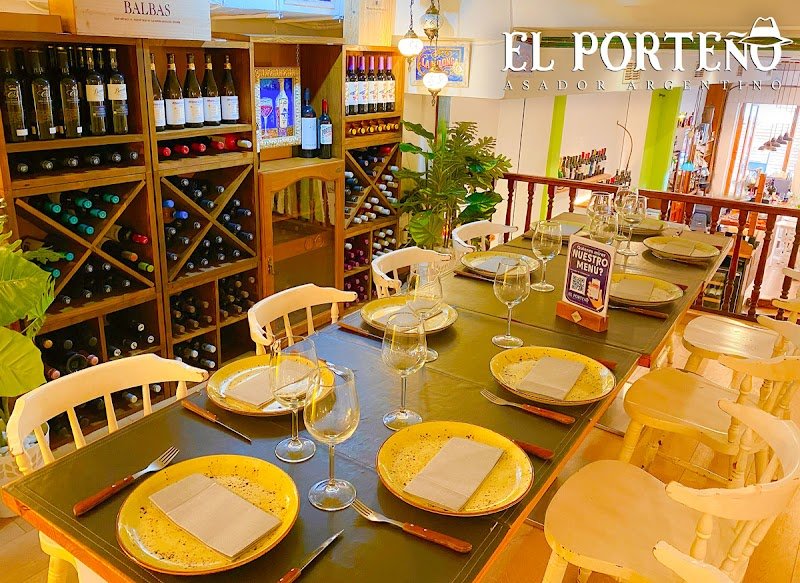
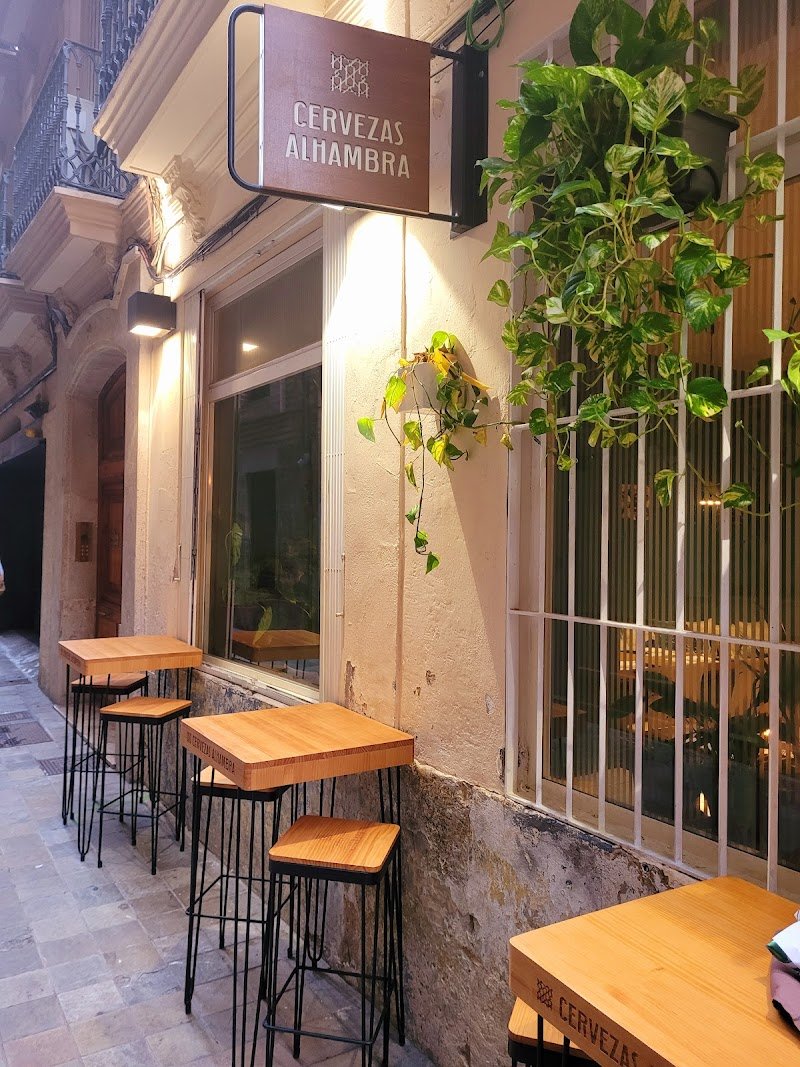
El Porteño

El Porteño

4.8 (14.1k reviews)
$$
LocationCarrer d'en Llop, 4, Bajo Derecha, Ciutat Vella, 46002 Valencia, Spain
Giardino del Carmen

Giardino del Carmen

4.8 (1.5k reviews)
$$
LocationPl. de Joan de Vila-rasa, 6, bajo, Ciutat Vella, 46001 València, Valencia, Spain
Restaurant Secret

Restaurant Secret

4.7 (4.4k reviews)
$$
LocationC/ de Sant Martí, 11, Ciutat Vella, 46002 València, Valencia, Spain
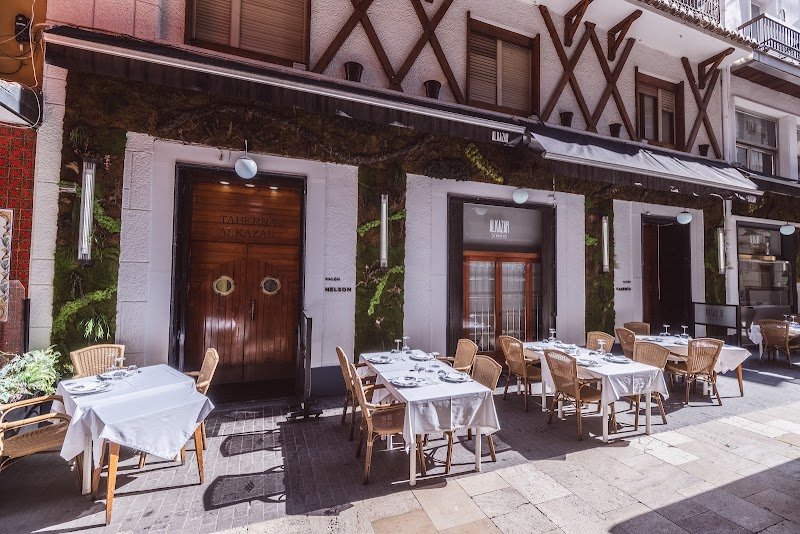
TABERNA ALKÁZAR

TABERNA ALKÁZAR

4.7 (2.5k reviews)
$$
LocationCarrer de Mossèn Femades, 9, Ciutat Vella, 46002 València, Valencia, Spain
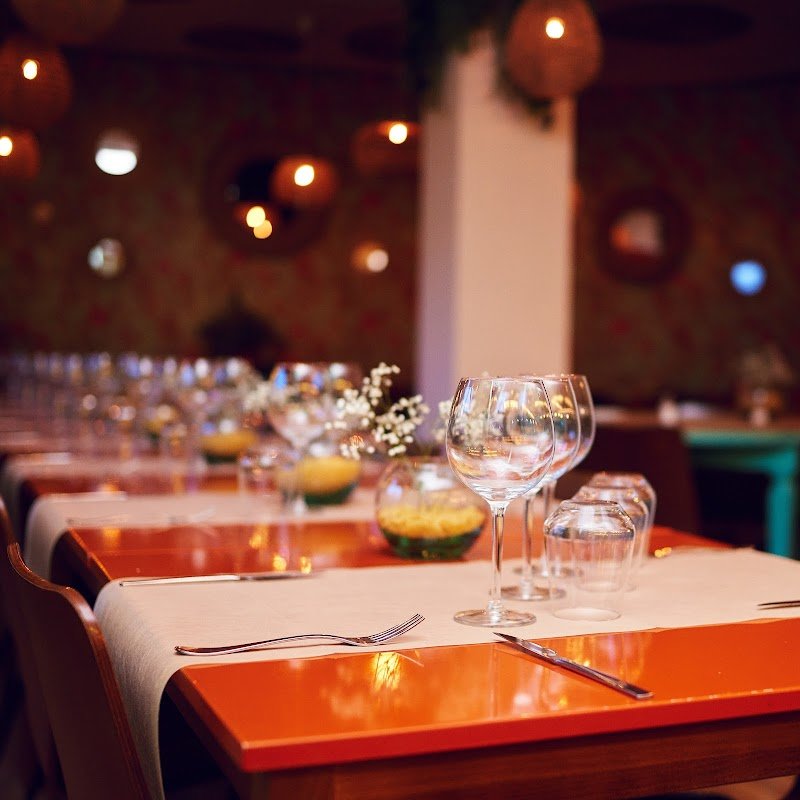
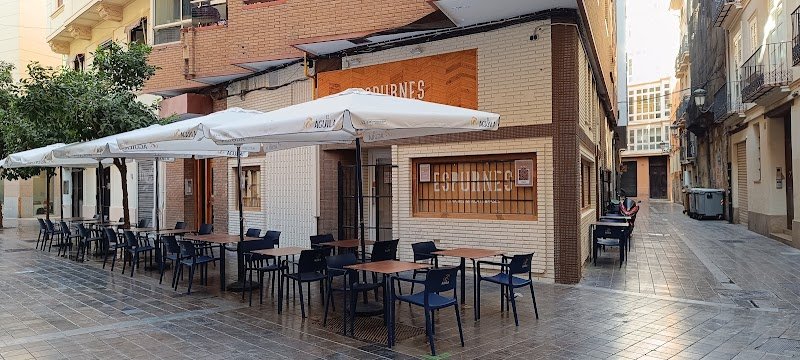
Restaurante Espurnes

Restaurante Espurnes

4.7 (1.9k reviews)
LocationC/ de l'Ambaixador Vich, 6, Ciutat Vella, 46002 València, Valencia, Spain

Accommodations

Valencia always manages to surprise. Old towers rise above hip cafes while locals cruise on bright scooters. For first-timers, though, picking the best place to stay shapes every step of the journey. I learned this the hard way when I booked a pretty apartment far from the city's heart—nice on paper, less so at midnight after walking home across empty squares. The city’s charm shows itself differently in every neighborhood, so loving your Valencia stay starts with choosing your spot wisely.

Neighborhood Overview

  • Ciutat Vella (Old Town): Valencia’s medieval core brims with history. Cobbled streets lead to tapas bars, hidden museums, and orange-scented plazas. Perfect for travelers who want shops, nightlife, and sightseeing a few steps from their bed. Couples and solo adventurers will love the lively vibe, but car parking is tough.
  • Ruzafa (Russafa): Once down-at-heel, Ruzafa now buzzes with energy. Think vintage boutiques, indie coffee spots, and late-night wine bars. Young couples and foodies love it here. Nights can be noisy, so light sleepers should pack earplugs.
  • El Cabanyal: Colorful houses near the sea make El Cabanyal special. The beach is minutes away, and seafood spots line local streets. Families and beach lovers thrive here, although the area feels more relaxed than lively.
  • Quatre Carreres: Known for the City of Arts and Sciences, Quatre Carreres blends modern apartments with parks and museums. This zone suits families or travelers who want easy access to science centers and green spaces, yet still seek quick transport to the city center.

Types of Accommodation

  • Hotels: Central picks like Vincci Palace (from €120/night) mix style and comfort near top sites. Expect solid breakfast spreads and friendly service.
  • Apartments: In El Cabanyal or Ruzafa, smart apartments start from €70/night. Great for families or longer stays, many come with balconies and kitchens.
  • Hostels: Places like The River Hostel in Ciutat Vella offer social vibes from just €20/night. They fit solo travelers or budget-minded groups looking to meet others.

Insider Tips for Booking

Visiting during Las Fallas in March sends prices soaring—book at least four months ahead. Spring and autumn offer milder weather plus better deals. Check if taxes (IVA) are included, and expect a city tourist tax of €2 per person per night on arrival.

After dark in Valencia, windows glow gold and the air holds a trace of orange blossom. As laughter drifts over tiled roofs, I remember why picking my stay well turned every evening into something magic. In Valencia, the right bed means waking up ready to explore.