
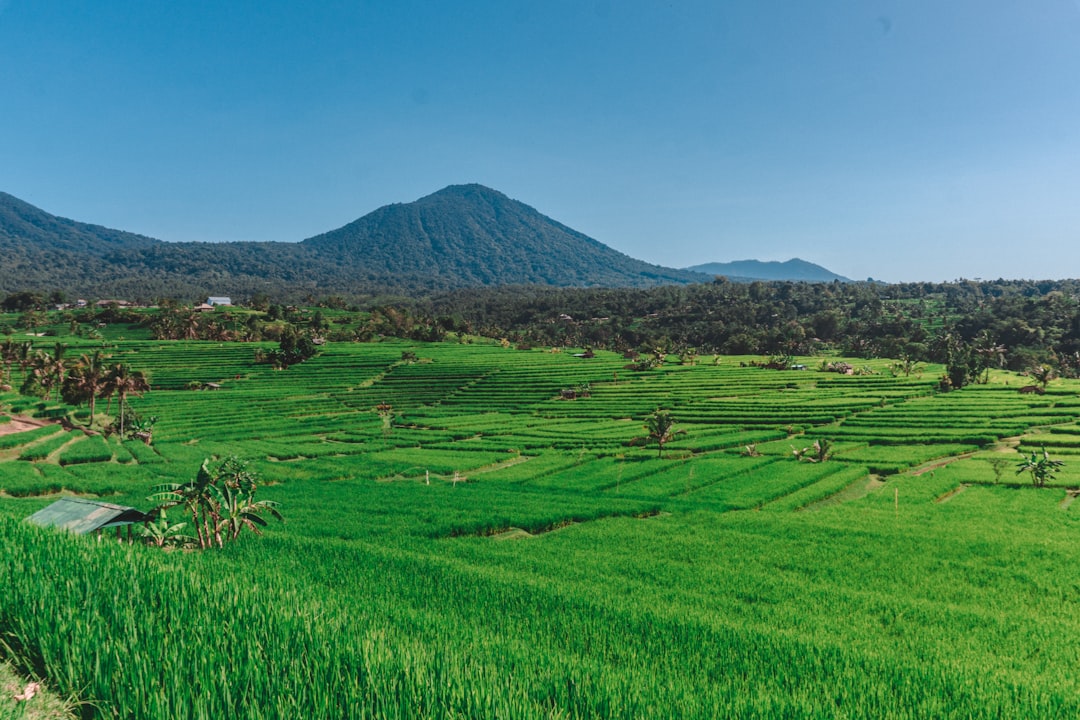
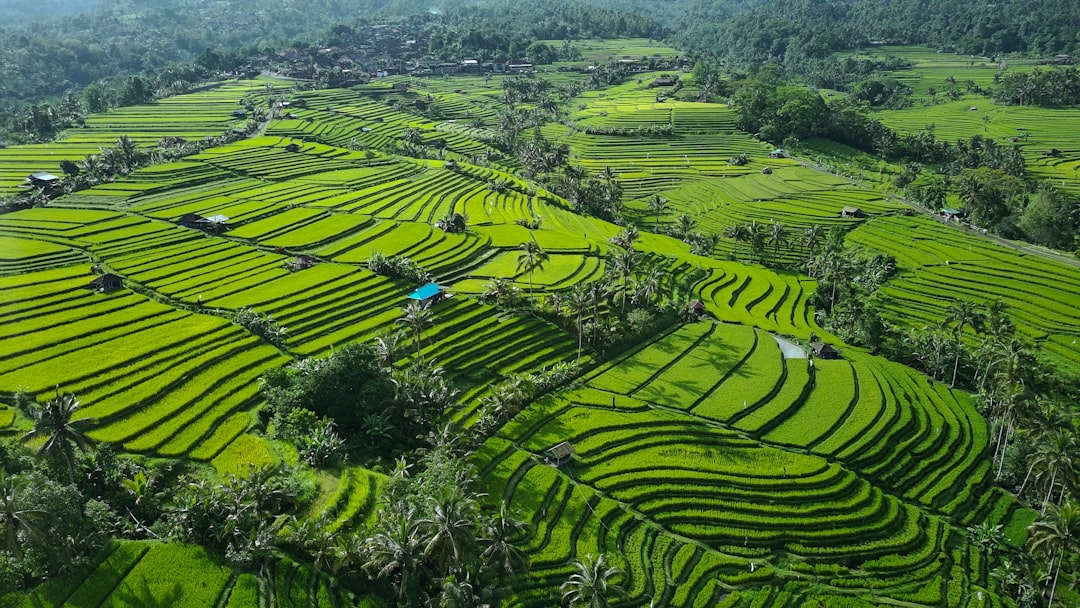
Beautiful view of Jatiluwih Rice Terraces
a lush green field with a mountain in the background
An aerial view of a lush green rice field

Jatiluwih Rice Terraces

Bali, Indonesia
i

Beautiful view of Jatiluwih Rice Terraces

Rolling green hills fade into misty blue as perfect rows of rice curve along the slopes. Jatiluwih Rice Terraces, a UNESCO World Heritage landscape, offer a taste of Bali unchanged by resorts or crowds. Here, nature and ancient farming traditions draw visitors who seek quiet beauty and authentic culture, far from the usual tourist trail.

Visiting Info

Currency
Entrance fee
40000 IDR
Hours
Opening hours
Monday: 6:00 AM – 7:00 PM
Tuesday: 6:00 AM – 7:00 PM
Wednesday: 6:00 AM – 7:00 PM
Thursday: 6:00 AM – 7:00 PM
Friday: 6:00 AM – 7:00 PM
Saturday: 6:00 AM – 7:00 PM
Sunday: 6:00 AM – 7:00 PM

Contact Information

Location
Address
Jl. Jatiluwih Kawan, Jatiluwih, Kec. Penebel, Kabupaten Tabanan, Bali 82152, Indonesia

Planning your visit

Jatiluwih sits 40 kilometers northwest of Ubud, far from the bustling beaches of southern Bali. The trip winds through hills and tiny villages, making an early start the best way to catch the soft morning light over the paddies. Public transit is sparse, so most visitors book a driver, rent a scooter, or take guided day trips. The site covers a large area—plan for some walking, but paths remain mostly gentle and shaded. No large ticket offices or crowds block the way, but a small entrance fee supports local farmers. Bringing cash in small notes helps with local food stands and guide tips.

  • Best time to visit: Dry season (April to September); early morning or late afternoon for cooler temperatures and fewer people. Avoid midday for harsh sun.
  • How to get there: Taxi with a driver, scooter rental, or tour from Ubud or Kuta. Limited public buses.
  • Accessibility: Some paths are uneven; mostly walkable for families and active seniors, with a few moderate inclines.
  • Average visit duration: 2–4 hours; longer stays for photography or guided walks.

Must see stuff

From a hillside viewpoint, the landscapes of Jatiluwih look endless. Green terraces stretch toward the mountains, divided by narrow paths and ancient irrigation canals. Most visitors head for the central overlook and then follow signposted walks down into the fields. Small warungs (cafés) line the route, serving fresh coconuts, nasi campur, or banana fritters. Local guides, often farmers, offer deeper insights into subak—the cooperative water system that shapes these terraces and community life.

  • Key sights or features: Central viewpoint near the parking area, UNESCO World Heritage marker, and the intricate network of subak canals.
  • Unique experiences: Guided walking tours with local farmers, observing rice planting or harvesting if timed right, and sampling fresh rice-based snacks.
  • Photo-worthy locations: Panoramic south-facing lookout, stone bridges over canal intersections, and early morning mist along the lower terraces.
  • Cultural or historical facts: Jatiluwih’s rice culture dates back over 700 years. The subak system, led by village elders, evenly distributes water and shapes both crops and customs.

Tips for your visit

A quiet trip to Jatiluwih rewards patience and planning. While mornings bring soft light and fewer visitors, late afternoons offer glowing colors and cooler walks. Sudden rain showers can sweep through even in dry months—best to pack a light poncho and sturdy shoes. Visitors will spot shrines tucked between fields; a respectful distance shows appreciation for local beliefs. Modest dress is encouraged, and staying on marked trails protects young rice plants. Don’t expect fast WiFi or crowds—this is part of Jatiluwih’s quiet charm. Mosquito repellent, refillable water bottles, and small cash make any visit smoother.

  • Best times to avoid crowds: Before 10 a.m. and after 4 p.m.
  • What to bring: Water, sunscreen, hat, comfortable walking shoes, rain jacket, camera, and small cash for snacks or tips.
  • Local etiquette or rules: Stay on footpaths, avoid disturbing shrines or farmers at work, dress modestly.
  • Safety or comfort advice: Sunscreen and insect repellent are useful; watch for slippery patches after rain and carry snacks, as options are limited.