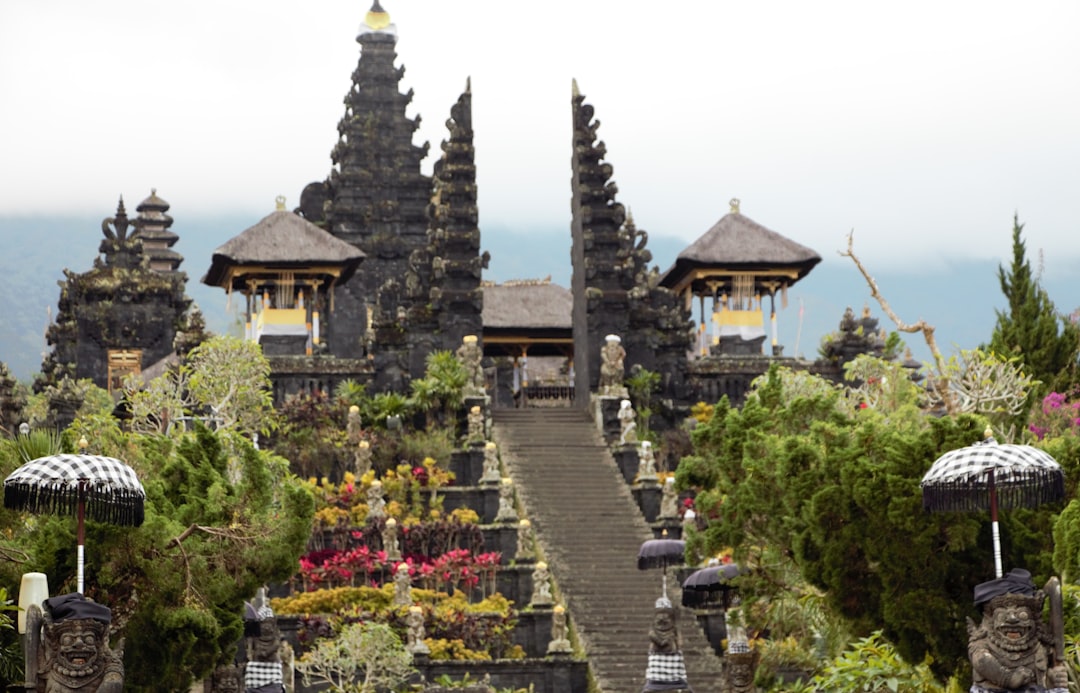
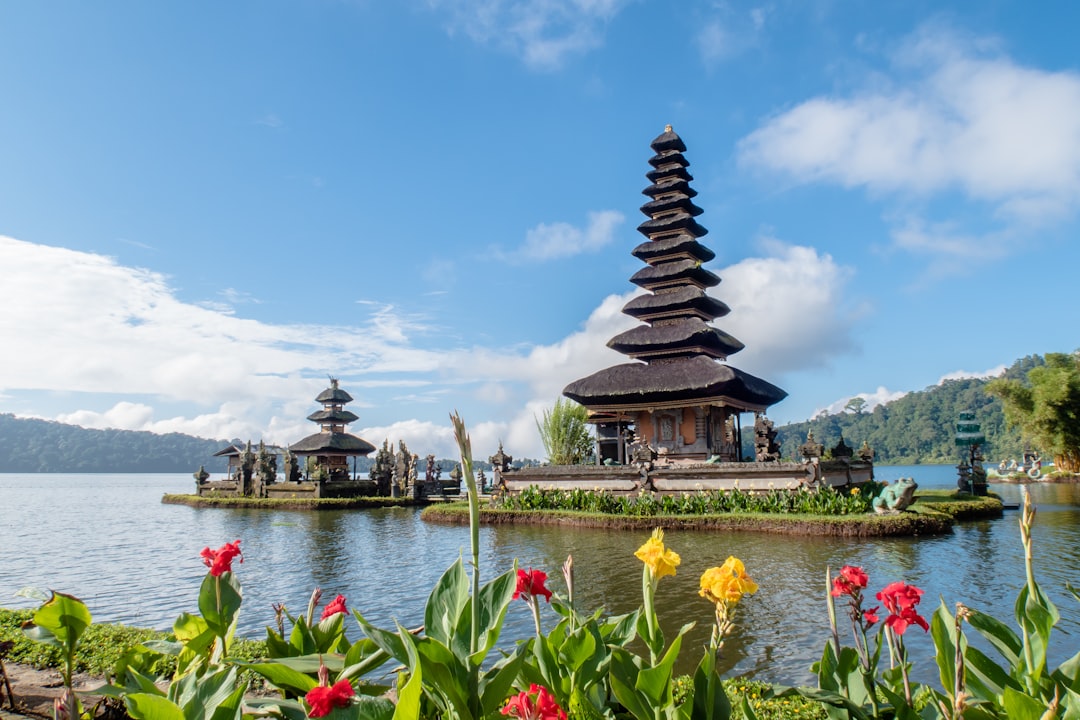
a large temple with many pointed roofs
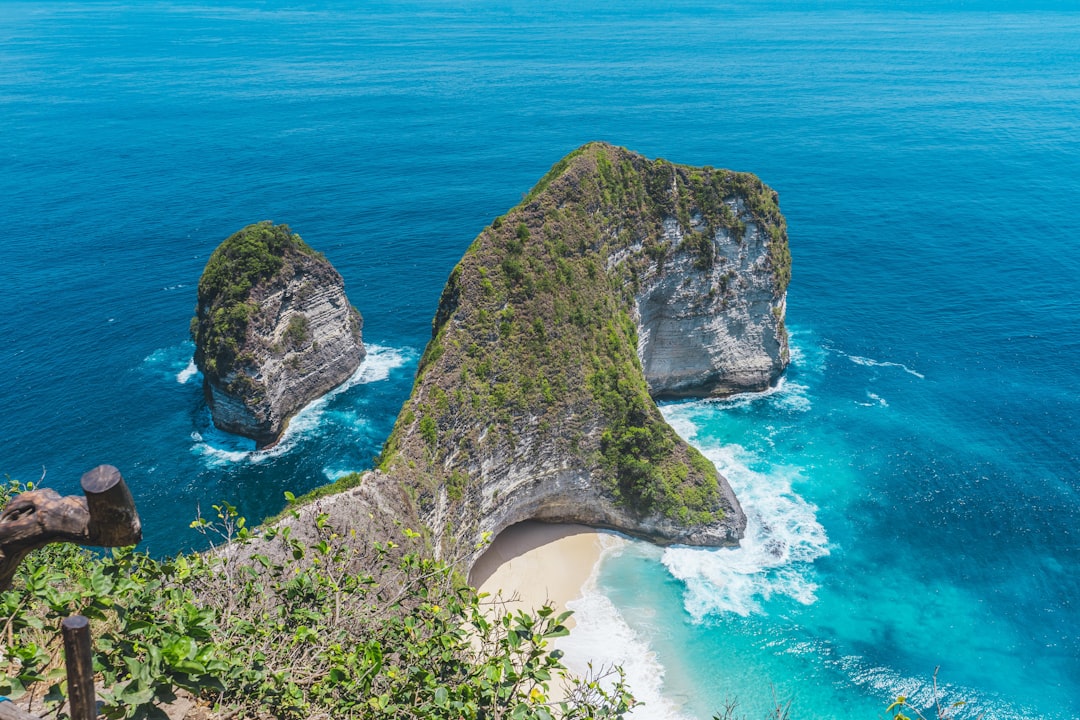
two large rocks sticking out of the ocean
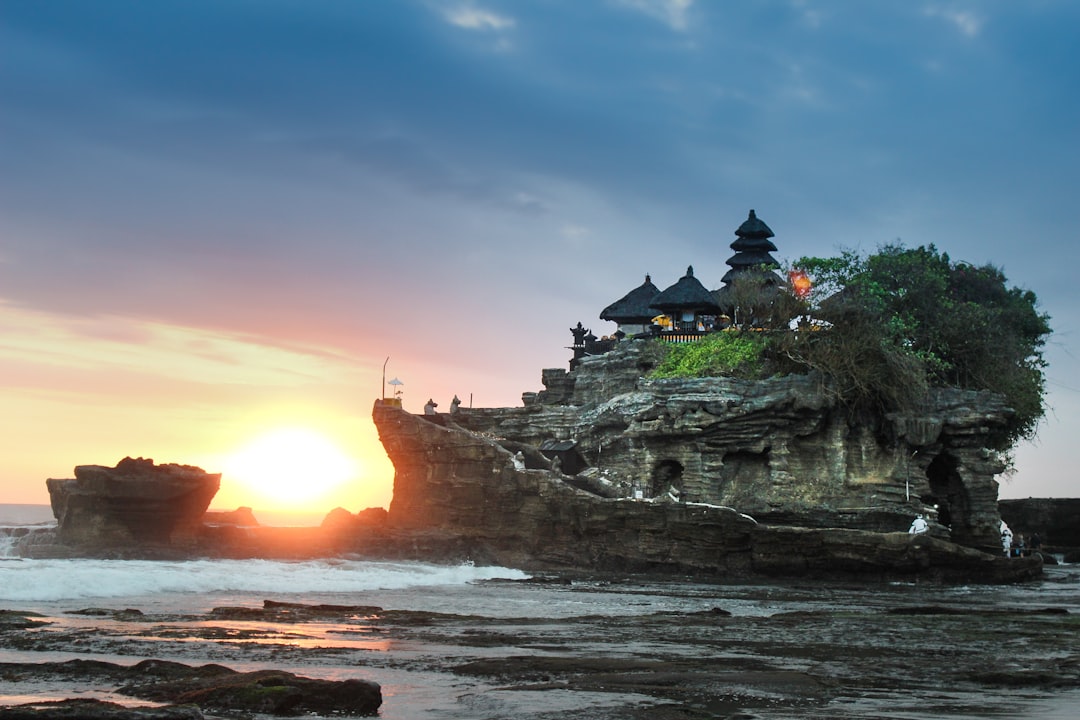
black building on gray rock hill
Pura Ulun Danu Bratan, Indonesia

Bali

Indonesia
Religious & SpiritualCulturalUNESCO World HeritageNatural WondersArt & Architecture
i

a large temple with many pointed roofs

Photo by Reena Yadav

Bali hits you first with its scent—frangipani and incense riding warm air. In Ubud, carved rice terraces spill down hillsides, green on green, where you’ll hear gamelan music drift through the evening. Down in Seminyak, surf rolls in under pink sunsets, and cafés serve smoothie bowls brighter than the sky. Head east to Amed for quiet beaches, black sand, and snorkelling over coral gardens. Temples rise everywhere, stone softened by time, each one a small world of offerings and carved gods. Traffic can crawl in Kuta, and the heat sticks to your skin by noon, but there’s always a breeze somewhere. Swap the big roads for village lanes, where kids wave and roosters scratch in the dust. Bali’s magic isn’t in any one place—it’s the way moments layer, light and shadow, until you feel part of the rhythm.

Quick Facts

currency
IDR
languages
Indonesian, Balinese
airports
Ngurah Rai International Airport
size
Large City
power
Type C, Type F
timezone
UTC+8
safety
Safe
costs
Cheap

General Information

Safety indexBali is generally considered safe for tourists, with a safety index of around 65-70 out of 100. Petty crimes such as pickpocketing and scams can occur, particularly in crowded areas, nightlife spots, and beaches. Traffic accidents are the most common risk due to congested roads and many motorbikes. Natural hazards, such as volcanic activity, should also be monitored.

Best Time to TravelThe best time to visit Bali is during the dry season, which runs from April to October. July and August are particularly popular for travelers due to pleasant weather, limited rainfall, and numerous cultural events.

Least crowded and still a good time to visitIf you prefer fewer crowds but still want good weather, consider traveling in the shoulder months of April to early June or September. During these times, the weather is still favorable, prices are lower, and major tourist spots are less crowded.

BudgetTraveling on a budget in Bali is very feasible, with daily expenses ranging from $30-$60 USD for budget travelers, including accommodation, meals, and transportation. Mid-range options may cost around $60-$150 per day. Luxury travelers can expect to spend $200+ per day. Prices may increase during peak seasons.

Healthcare and VaccinationsBali has a range of healthcare options, from local clinics to international-standard hospitals in Denpasar and tourist areas. Medical care in tourist hospitals is generally good but can be expensive for serious conditions. Travel insurance covering medical emergencies is recommended. Vaccinations for Hepatitis A and B, Typhoid, and routine immunizations are advised. Some travelers may consider Japanese Encephalitis and Rabies if staying long-term or in rural areas.

Visa RequirementsCitizens of over 80 countries, including the US, Canada, Australia, UK, and most EU countries, can enter Bali visa-free for up to 30 days for tourism. For longer stays, a Visa on Arrival (VOA) can be purchased for around $35 USD, extendable for an additional 30 days. Passports must be valid for at least 6 months from the date of arrival. Check official Indonesian immigration sites for updates and specific requirements.

Weather in Bali

°C°F
3799
3290
2781
2272
1763
Jan
Feb
Mar
Apr
May
Jun
Jul
Aug
Sep
Oct
Nov
Dec
3020100
Avg. min. temperature
Avg. max. temperature
Avg. precipitation days

First-time travelers

Light breaks over Bali, soft through palms and offering a hush. Many expect chaos or color—both true. But touch down, and another world unfolds. The air holds spice, the earth is green, and time feels loose. It’s an invitation—less about places to check off, more about letting yourself soak through.

First Steps—Beyond Kuta

From Denpasar Airport, resist the easy draw of Kuta’s crowds. Instead, take a taxi north to Sanur. The beach here is calmer, the boardwalk lined with warungs smelling like fried tempeh and sweet sate lilit. Mornings start with kopi Bali—thick, black, grainy—at cafes tucked behind hibiscus. Talk is easy, laughter is real.

Culture pulses everywhere. Visit Pura Tirta Empul, a water temple in Tampaksiring. Balinese families come to bathe, prayer wafting up with incense. Wrap a borrowed sarong low, wade in, and feel purified—sacred and ordinary at once.

Eating, Walking, Listening

Rice paddies zigzag through Ubud like a living painting. Early, as dew sits fat on the grass, walk the Campuhan Ridge. The sun rises quick, birds start up, and farmers stride by with baskets balanced wide. Try a babi guling stall in Gianyar—not in a glossy restaurant, but busy with workers on lunch break.

  • Watch the kecak fire dance at Pura Dalem Ubud after dusk—chanting fills the shadows.
  • Book a homestay, even one night; hosts welcome you with strong ginger tea.
  • Ride a scooter north to Sidemen, where the island grows quiet, lush, untouched.
  • Pick up handmade silver jewelry at Celuk—not from shops, but families in open courtyards.

Take it slow. Bali changes you, not through rushing, but by letting you belong for a moment—your senses full, your heart open and grateful.
Return travelers

First time Bali overwhelms; the second time, you begin to listen. With the pressure off, the island deepens. The search for secret beaches or temples gives way to nuance—ritual, rhythm, and the gentle persistence of daily life. There’s comfort in already knowing the basics—now, you can finally settle in.

Beyond the Second Glance

Instead of Ubud’s (now familiar) bustle, try Penglipuran village in Bangli. Villagers sweep the walkways each morning—bamboo homes stand neat, the air sweet with frangipani. Take slow walks and chat with the woodcarvers or basket-makers—proud, patient, eager to share stories.

Follow local custom—rise before sunrise, and join the elders at Pasar Badung in Denpasar. Experience the heartbeat of trade: the scent of jackfruit, the sizzle of nasi campur at busy stalls, whispers in Balinese that you may only half-understand. This is the island unmasked, as real as the leather on a gamelan drum.

Deeper Taste, Softer Shadows

Seek Balian Beach for surf and wild wind—or skip the coast for Munduk, north in the mountains. Here, coffee plantations lace the hills, and afternoon fog curls into the valleys. Sip single-source coffee at a farmer’s shed. Listen for temple bells, far from crowds. The air is crisp, shots of gold through the trees.

  • Try the fish satay at Warung Ibu Oka, Tabanan—spiced, charred, wrapped in banana leaf.
  • Arrange a private batik lesson in Tohpati; come away with blue-dyed hands and patience.
  • Visit the traditional salt farms at Kusamba Beach—learn the art, taste crystals still wet from the sea.
  • Spend hours at a lontar manuscript reading in a Banjar’s meeting hall—lyrics, legends, slow joy.

Bali rewards loyalty with unseen gifts. Return, and the island offers textured grace—where hospitality is quiet and your heart beats alongside the island’s own slow pulse.

Must-see locations

a building on a cliff by the ocean
i

a building on a cliff by the ocean

Photo by David Dwipayana

Tanah Lot

Tanah Lot, Bali stands on a rocky shore where temple shrines rise above crashing waves, drawing sunset watchers, photographers, and devotees alike. Tide pools bubble below. Ceremonies fill the air with vibrant sound and color.

Learn More
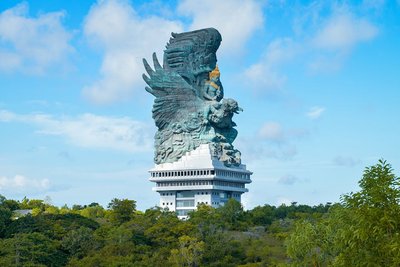
A majestic view of the Garuda Wisnu Kencana statue towering over lush landscapes in Bali, Indonesia.
i

A majestic view of the Garuda Wisnu Kencana statue towering over lush landscapes in Bali, Indonesia.

Photo by Resandy Prisadana

Garuda Wisnu Kencana Cultural Park

Towering above Jimbaran, Garuda Wisnu Kencana Cultural Park brings Bali’s legends to life with a massive Vishnu statue, open-air dance performances, lush gardens, and panoramic island views. Traditional workshops. Sunset magic.

Learn More
brown monkey on tree branch during daytime
i

brown monkey on tree branch during daytime

Photo by rigel

Sacred Monkey Forest Sanctuary

In Ubud’s lush jungle, Sacred Monkey Forest Sanctuary blends ancient temples, mossy stone carvings, and playful long-tailed macaques. Feed monkeys, walk quiet trails, and feel centuries-old Balinese culture woven into every path.

Learn More
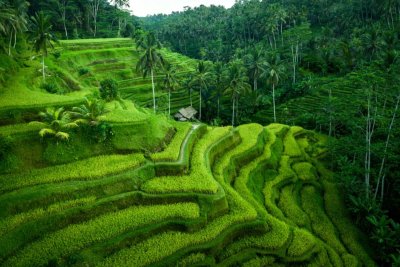
Tegallalang Rice Terrace

Tegallalang Rice Terrace

Stepped emerald-green fields roll across the Tegallalang Rice Terrace, where farmers harvest by hand and palm trees create wavy shadows. Straw cafes serve fresh coconut juice, while the ancient subak irrigation system shapes daily village life.

Learn More
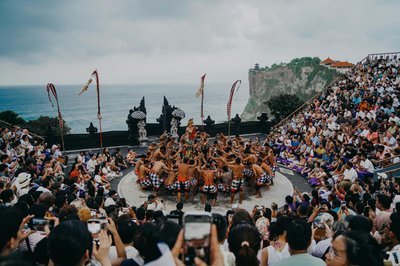
Bali's iconic Kecak dance performed at an open-air amphitheater overlooking the ocean.
i

Bali's iconic Kecak dance performed at an open-air amphitheater overlooking the ocean.

Photo by Habel Panggalo

Uluwatu Temple

Perched atop dramatic cliffs in southern Bali, Uluwatu Temple offers sweeping ocean views, vibrant Kecak fire dances at sunset, and playful monkeys roaming ancient paths—making this Hindu sea temple a living hub of Balinese culture.

Learn More

How to get there

By air

Flying is the most common and efficient way to reach Bali. Ngurah Rai International Airport (Denpasar International Airport, DPS) is the main airport on the island. There are direct international flights from many Asian and Australian cities. Domestic flights connect Bali to other parts of Indonesia, such as Jakarta and Surabaya.
Options to get to town:
Taxi
Price:
IDR 150,000–300,000
Duration:
20–60 minutes (depending on destination in Bali)
Where to buy:
Taxi counters in airport arrivals hall, official ride-hailing apps
Airport bus
Price:
IDR 7,500–50,000
Duration:
30–90 minutes (depending on route and destination)
Where to buy:
At airport bus stop, pay to driver or at the ticket counter
Train/shuttle
Price:
N/A (No train services from airport)
Duration:
-
Where to buy:
-

By train

There is no train service directly to Bali. The nearest train station is in Banyuwangi (East Java). From there, you can continue your journey to Bali by taking a ferry.
Useful websites for train tickets:

By car

You can drive to Bali from other parts of Indonesia via Java. The common route is to drive to Banyuwangi, take the ferry to Gilimanuk in Bali, and continue driving to your desired destination on the island. Roads are generally in good condition but traffic can be heavy.
Additional charges to be aware of:
Toll / vignette / emission sticker
Cost:
Tolls on Java highways (depends on route, approx. IDR 50,000–200,000 total from Jakarta to Banyuwangi)
How to pay:
Toll gates (use electronic toll card)
Other driving costs
Cost:
Ferry ticket IDR 120,000–200,000 (car and driver); fuel, parking
How to pay:
Ferry tickets at Ketapang Ferry Port, fuel at petrol stations

How to get around

Public transport

Public transport in Bali mainly consists of bemos (small minivans) and a limited public bus service such as the Trans Sarbagita Bus and Kura-Kura Bus. However, routes are limited, especially in tourist areas, and services may not run late into the evening. Public transport is generally suitable for budget travelers but is not always the most convenient option for direct routes or flexible schedules.

Ticket options:
Ticket TypePriceWhere to buy
Single ticketIDR 3,500–10,000Onboard from the driver or conductor
Day passIDR 20,000–80,000 (for Kura-Kura Bus)At bus offices or onboard for selected services

Taxis & ridesharing

Taxis and ridesharing services are widely available in Bali, especially in popular areas like Denpasar, Kuta, Seminyak, and Ubud. Blue Bird is the most reliable taxi operator, using meters. Ridesharing apps such as Grab and Gojek offer both car and motorbike rides. Prices can vary by route, distance, and demand. In some tourist areas, ridesharing pick-ups may be restricted to designated zones.

Service providers:
ProviderPriceHow to book
Local taxi (Blue Bird)IDR 7,000–10,000 base fare + IDR 6,500/kmHail on the street or use the Blue Bird app
Ridesharing app (Grab/Gojek)IDR 10,000–50,000+ depending on distanceBook via Grab or Gojek mobile applications

Car rental

Car rentals are a popular choice for travelers who want flexibility. You can rent cars with or without a driver. Roads can be narrow and busy, and local driving styles may be challenging for some visitors. An international driving permit is generally required if you drive yourself.

Rental options:
ServicePriceHow to book
Daily rentalFrom IDR 250,000–500,000 per day (self-drive), IDR 500,000–800,000/day (with driver)At airport, local agencies, or through hotels
Weekly rentalFrom IDR 1,500,000–3,500,000+ per weekLocal rental agencies, hotels

Bike & scooter rental

Bikes and especially scooters (motorbikes) are a very convenient and affordable way to get around Bali, particularly in areas where traffic can be heavy and parking scarce. A valid motorcycle license or international driving permit is recommended, and safety gear should always be used. Roads can be challenging for beginners.

Rental options:
ServicePriceHow to book
Bike rentalIDR 30,000–60,000 per dayLocal rental shops or through guesthouses/hotels
Scooter rentalIDR 60,000–120,000 per dayLocal scooter rental shops, guesthouses/hotels

Ferry / Boat

Ferries and fast boats operate between Bali and nearby islands such as Nusa Penida, Nusa Lembongan, Lombok, and the Gili Islands. These are convenient options for island-hopping and exploring beyond Bali itself.

Useful websites for ferry tickets:

What to eat

Steam rises off banana-leaf-wrapped parcels at a bustling roadside warung. Smoky aromas drift through the market, blending with the sharp tang of fermented sambal. Children dart between stalls, clutching sweet palm-sugar snacks, while locals laugh over bowls of savory soup. In Bali, eating isn’t just nourishment—it’s a ritual, a celebration. Every meal comes alive under swaying palms or neon market lights. There’s a freshness to Balinese food that lingers long after your last bite. Hungry yet? Good. Because this Indonesian island will change the way you taste travel.

Signature Dishes

  • Babi Guling: Spit-roasted suckling pig. The crackling skin shatters with each bite—spiced with turmeric and lemongrass. Once served at ceremonies, now available at legendary places like Ibu Oka in Ubud.
  • Bebek Betutu: Duck slow-cooked in banana leaves with Balinese spices. Smoky, tender, with a whisper of chili. Found in warungs and special Sunday buffets in Ubud.
  • Nasi Campur: Steamed rice surrounded by small mounds of spicy vegetables, shredded chicken, and crisp fried tempeh. Customizable, home-style, and comforting.
  • Sate Lilit: Ground fish skewers wound onto lemongrass sticks. Lightly charred, fragrant, and finished with coconut. Ubiquitous at grills from Jimbaran Beach to Gianyar Night Market.
  • Lawar: Vibrant salad made from chopped green beans, coconut, and minced pork or chicken. Earthy, textured—with the punch of chili and kaffir lime leaves. Call ahead for the freshest, as it’s made daily in local homes and markets.

Street Food & Markets

The clamor of Pasar Badung—or any morning market—pulls you in. Wander before sunrise for treats like bubur injin (black rice porridge), jelurut (palm-sugar dumplings), or steaming bowls of bakso (meatball soup) ladled by roadside vendors. Street carts tempt passersby with pisang goreng—crispy, caramelized bananas. Sate grills cloud nearby alleys with the mingled scent of fish and chili. Expect chaos, bargaining, and, inevitably, a line at every must-try stall. Beware: prices climb in tourist towns like Seminyak. But for most, these flavors are worth the crowd.

Sweet Treats & Drinks

No meal feels complete without dessert. Sample dadar gulung, green coconut pancakes rolled around molten palm sugar. Jaja Bali (assorted rice cakes) offer sticky, chewy satisfaction with a hint of pandan. For something cooling, icy es campur brims with fruit, jelly, and condensed milk. Pair snacks with a strong, sweet Balinese coffee, or sip a brem—the local rice wine—at sunset. Much is homemade, and each warung carries its own family twist.

Why Travelers Eat Here

  • Balinese food balances fire and freshness: Chili, ginger, coconut, local greens. Layers build on every plate.
  • Markets pulse with atmosphere, bargains, and local color: Try everything from spicy snacks to tropical fruit.
  • Eating is communal by tradition: Shared platters invite conversations with locals and travelers alike.
  • Fusion and authenticity coexist: Old recipes in Ubud, fine dining in Seminyak, and everything between.

Every taste reveals a chapter of Bali’s story—raw, bold, endlessly changing. Savor the moment. Because here, good food is memory, culture, and pure joy fused together under a tropical sky.

Top Rated Restaurants

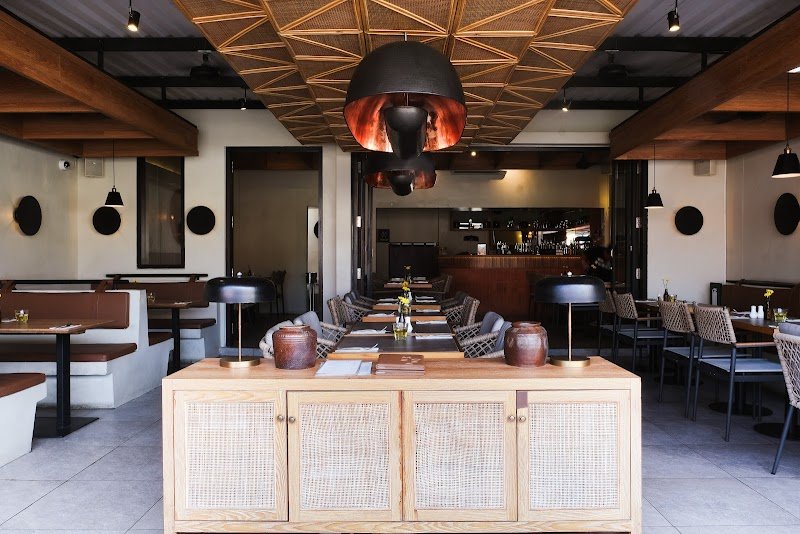
This Is Bali - Balinese Food & Desserts

This Is Bali - Balinese Food & Desserts

4.9 (13.9k reviews)
$$
LocationJl. Goutama No.2, Ubud, Kecamatan Ubud, Kabupaten Gianyar, Bali 80571, Indonesia
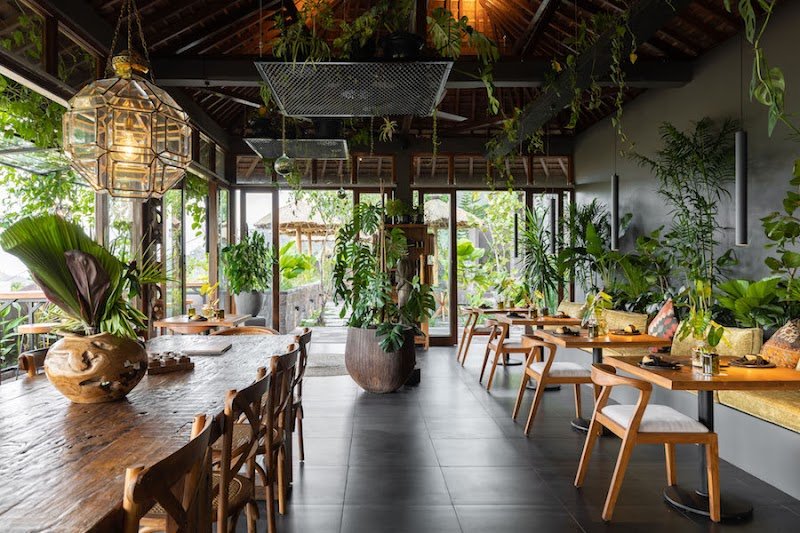
Arcadia

Arcadia

4.9 (1.3k reviews)
LocationJl. Raya Campuhan, Sayan, Kecamatan Ubud, Kabupaten Gianyar, Bali 80571, Indonesia
Mozza Sanur

Mozza Sanur

4.9 (1.1k reviews)
LocationJl. Danau Tamblingan No.108 A, Sanur, Denpasar Selatan, Kota Denpasar, Bali 80228, Indonesia
Asri Dining by Samanvaya

Asri Dining by Samanvaya

4.9 (2.8k reviews)
LocationBanjar Tabola, Telaga Tawang, Kec. Sidemen, Kabupaten Karangasem, Bali 80864, Indonesia
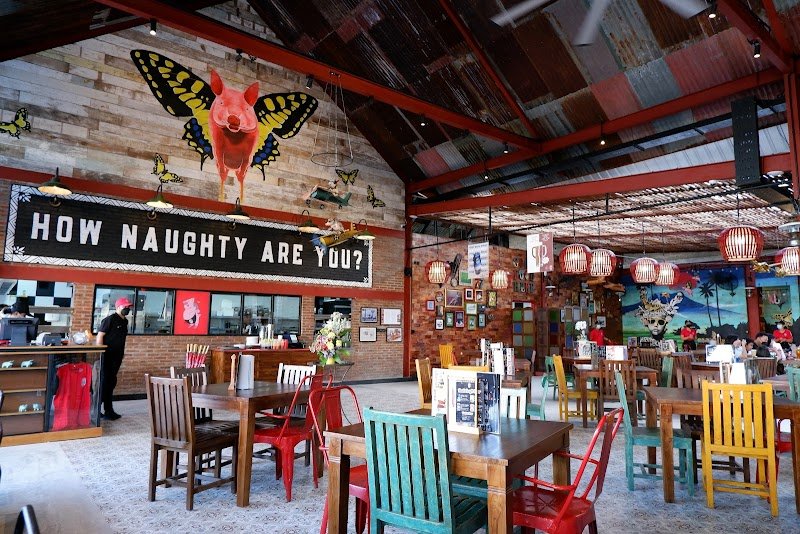
Naughty Nuri’s Warung, Sanur

Naughty Nuri’s Warung, Sanur

4.8 (4.0k reviews)
$$
LocationJl. Bypass Ngurah Rai No.77, Sanur, Denpasar Selatan, Kota Denpasar, Bali 80228, Indonesia

Accommodations

Bali is a place of beautiful contradictions. You could fall asleep to waves in Canggu or hear the buzz of scooters from your seminyak pool villa. For every sun-drenched rice terrace there’s a bustling café row or a quiet jungle retreat. But here, location can make or break your trip. Choose wisely and the island opens up. Choose wrong—and you’re stuck in traffic, or missing the magic you came for.

Neighborhood Overview

  • Seminyak: Trendy and fast-paced, Seminyak mixes beach clubs and upscale shops. Perfect for night owls, digital nomads, and anyone who loves a stylish pool scene. Dining choices stretch from street snacks to famous restaurants. But traffic clogs the streets late afternoon and weekends.
  • Ubud: Up in Bali’s green heart, Ubud is all temples, yoga and art. Rice fields and jungle surround small boutique hotels. Ubud works best for wellness seekers, culture lovers, and spiritual retreaters. Evenings are quiet but there’s always music or market buzz downtown.
  • Canggu: Popular with surfers, young expats, and Instagrammers, Canggu combines rugged beaches with smoothie bars. Rows of villas are tucked behind lively cafés. Life here is creative and social, and good for solo travelers or groups of friends—but beaches can be crowded and motorbike traffic hectic.
  • Sanur: A slower pace defines Sanur. Well-kept boardwalks, calm beaches, and low-key Bali charm draw families and couples who prefer to relax. Bike paths and sunrise views beat wild nights here. Still, dining is varied; you just need to look for the gems.
  • Uluwatu: Dramatic cliffs and killer sunsets make this southern tip famous. Boutique resorts perch above the surf, offering amazing ocean views and solitude. Great for couples, surfers, and anyone craving a hideaway. Lack of nightlife and hilly roads mean a scooter or car is essential.

Types of Accommodation

  • Private Villas: Standalone or staffed, with pools and rice field views. In Canggu or Seminyak, expect $80–$400 per night depending on location and staff.
  • Boutique Hotels: Ubud and Uluwatu excel here. Many have garden rooms, yoga decks, and breakfast included. Prices: $60–$200 nightly.
  • Guesthouses & Homestays: Found everywhere but best value in Sanur or Ubud. Prices start at $15–$50 and often include friendly hosts and local advice.

Insider Tips for Booking

Book early for July–August—Bali’s high season. Prices drop after October, but so does the number of sunny days. Always check for 10% service and 11% government tax in advertised rates. Arrange airport pickup if arriving late—some locations are tricky after dark.

Evenings in Bali bring frogsong, the scent of incense, and distant surf—no matter your base. There’s no perfect spot, only the one that matches your mood. Give each area its chance and the island will reward you with surprises you never planned for.