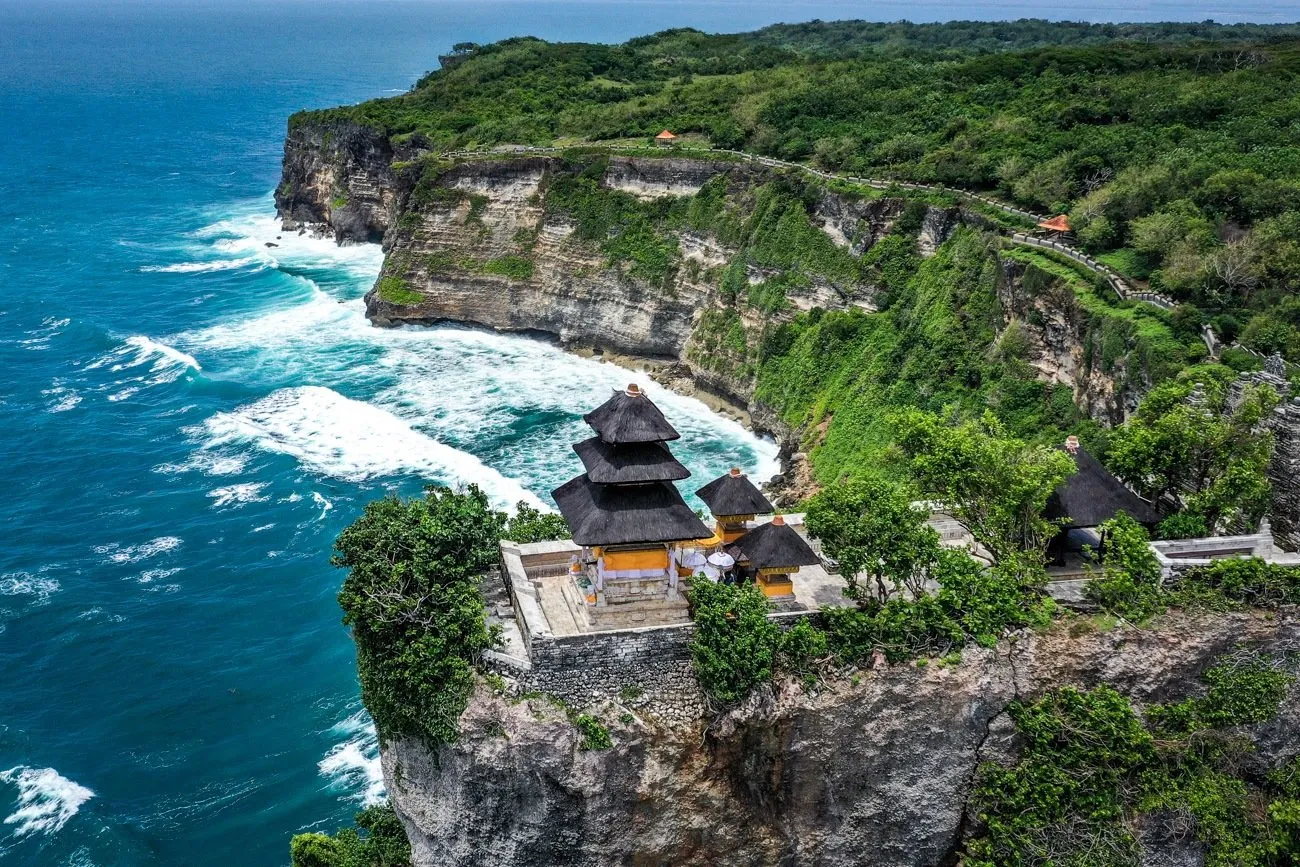
Beautiful view of Uluwatu Temple
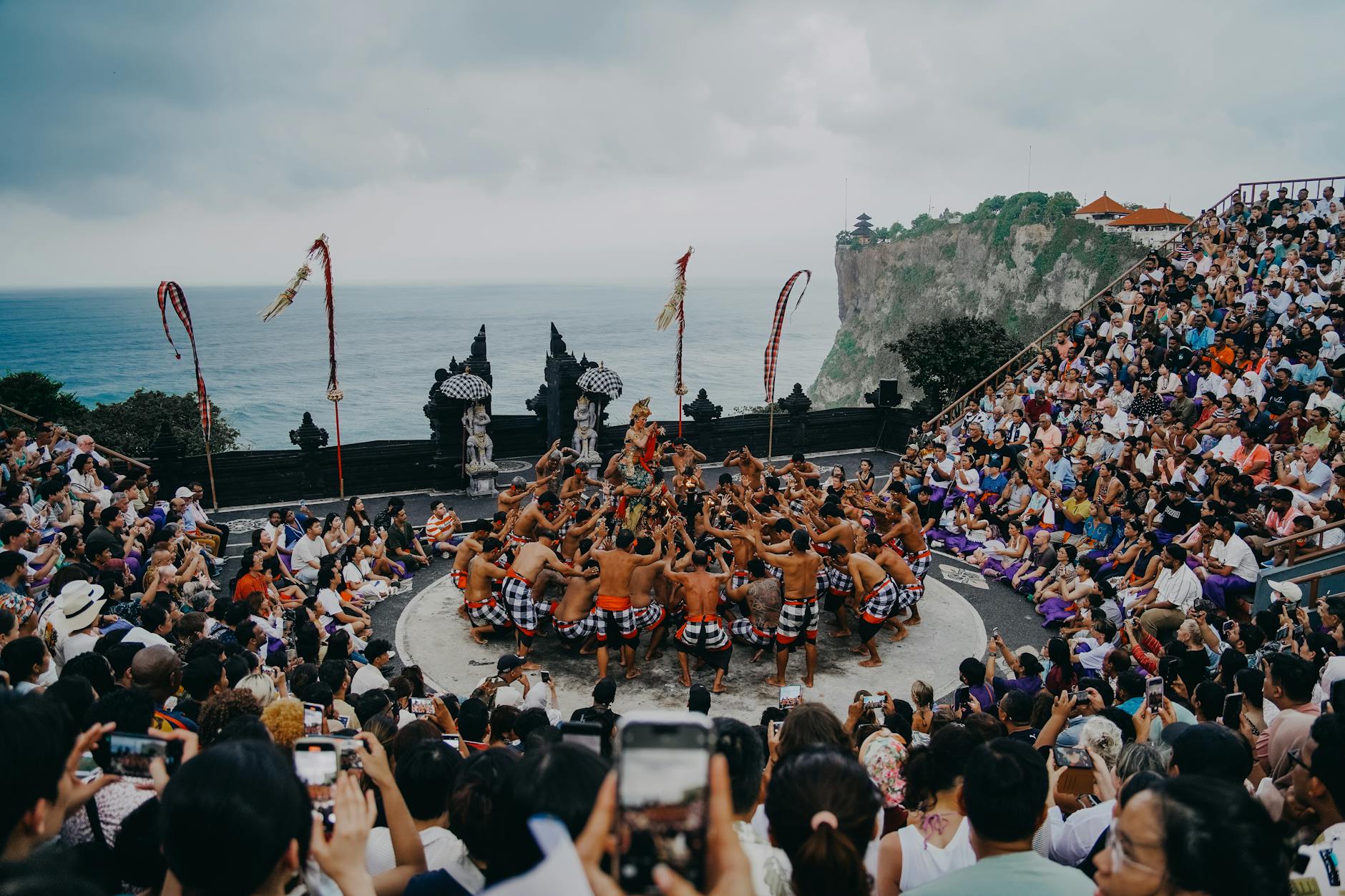
Bali's iconic Kecak dance performed at an open-air amphitheater overlooking the ocean.
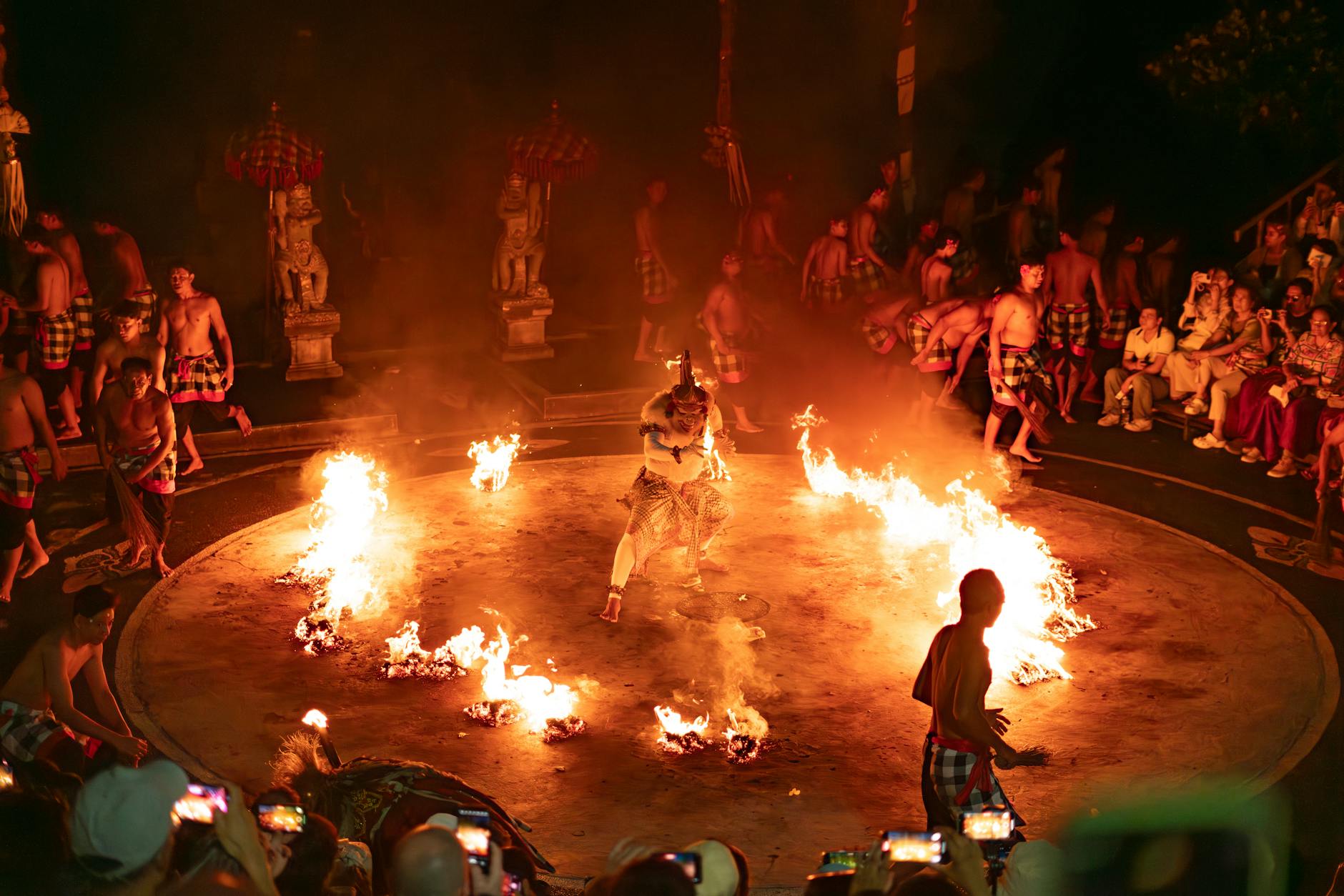
A mesmerizing nighttime Kecak fire dance performance in Uluwatu, Bali, Indonesia.

Uluwatu Temple

Bali, Indonesia
i

Beautiful view of Uluwatu Temple

Above dramatic Indian Ocean cliffs, ringed by waves and stirring winds, Uluwatu Temple stands as one of Bali’s most revered and photogenic destinations. Visitors are drawn not only by its holy towers and sweeping vistas but by the unique blend of spirituality, nature, and culture found nowhere else on the island. From age-old rituals to sun-drenched walks across rugged headlands, this cliffside temple rewards curiosity and adventure in equal measure.

Visiting Info

Currency
Entrance fee
50000 IDR
Hours
Opening hours
Monday: 7:00 AM – 7:00 PM
Tuesday: 7:00 AM – 7:00 PM
Wednesday: 7:00 AM – 7:00 PM
Thursday: 7:00 AM – 7:00 PM
Friday: 7:00 AM – 7:00 PM
Saturday: 7:00 AM – 7:00 PM
Sunday: 7:00 AM – 7:00 PM

Contact Information

Location
Address
Pecatu, South Kuta, Badung Regency, Bali, Indonesia

Planning your visit

Crowds, blazing sun, and temple monkeys can challenge even the most eager travelers, but a little planning makes all the difference for a trip to Uluwatu Temple. The journey weaves past surf beaches and rural villages before reaching the cliffs, with transport options for every comfort level. Late afternoons, when sunlight grows golden and local performances begin, often deliver the most memorable experience—though that’s also when crowds gather for sunset. Early risers find quiet, cool hours while enjoying calmer paths. Tickets are sold on arrival at the main gate, and sarongs (required for all guests) are offered to borrow or rent.

  • Best time to visit: Late afternoon before sunset (around 4 PM), or early morning for fewer crowds. Dry season (April–October) promises cooler, drier weather.
  • How to get there: About a 45-minute drive from the Kuta or Seminyak areas. Private drivers, taxis, and ride-hailing apps are best, as public transit is limited in south Bali.
  • Accessibility: Walkways have many steps, steep in places, and may not suit all mobility needs. Families with young children or visitors with mobility challenges should exercise caution, especially on cliff paths.
  • Average visit duration: 1.5–2 hours, including time for performances or photo stops.

Must see stuff

First impressions often come from the temple’s iconic split gates and the sound of surf crashing below. The main shrine, perched at the highest point, is closed to non-worshippers but the surrounding paths unveil unforgettable sightlines. Wandering the outer courtyards, visitors cross lush gardens and wide pavilions before reaching the legendary cliffs where the ocean’s power and serenity meet old stone. Near sunset, locals perform the mesmerizing Kecak fire dance in an open-air amphitheater, casting flickering shadows across the temple walls and the sea beyond. Away from crowds, secret paths reveal secluded viewpoints—prime spots for contemplative moments or memorable photos.

  • Key sights: The cliff-top promenade for ocean panoramas; ancient temple gates; iconic meru (multi-tiered shrines).
  • Unique experiences: Traditional Kecak dance at sunset; exploring tree-covered paths to lesser-known viewpoints.
  • Photo-worthy locations: The southernmost cliff outcrops just before sunset; dramatic silhouettes of shrines against the evening sky.
  • Cultural facts: Uluwatu Temple is one of Bali’s nine "guard temples," built to protect the island from evil spirits and sea threats according to local legend.

Tips for your visit

Some visitors remember Uluwatu most for its cheeky monkey residents, who have a taste for sunglasses and smartphones. Holding belongings close and staying aware pays off, but don’t let caution spoil the experience. Hydration is a must, as shade is limited along cliff paths. Modest dress, with legs and shoulders covered, is respected; the site provides sarongs and sashes for any guests who need them. Photographers should arrive with charged batteries and, if possible, a wide-angle lens to capture sweeping views. For anyone hoping to relax post-visit, the local warungs (small eateries) along Pecatu’s roadside serve cold drinks and spicy satay dishes just minutes from the temple gates.

  • Best times to avoid crowds: Early morning (8–10 AM) or just after the Kecak performance ends in early evening.
  • What to bring: Water bottle, sun hat, camera, sturdy shoes, and a secure bag for personal items.
  • Local etiquette: Wear the provided sarong and sash. Avoid pointing feet at temple shrines or interrupting ceremonies. Refrain from feeding monkeys, even if they beg.
  • Safety or comfort: Be careful near cliff edges and supervise young children at all times. Slippery paths are possible after rain.