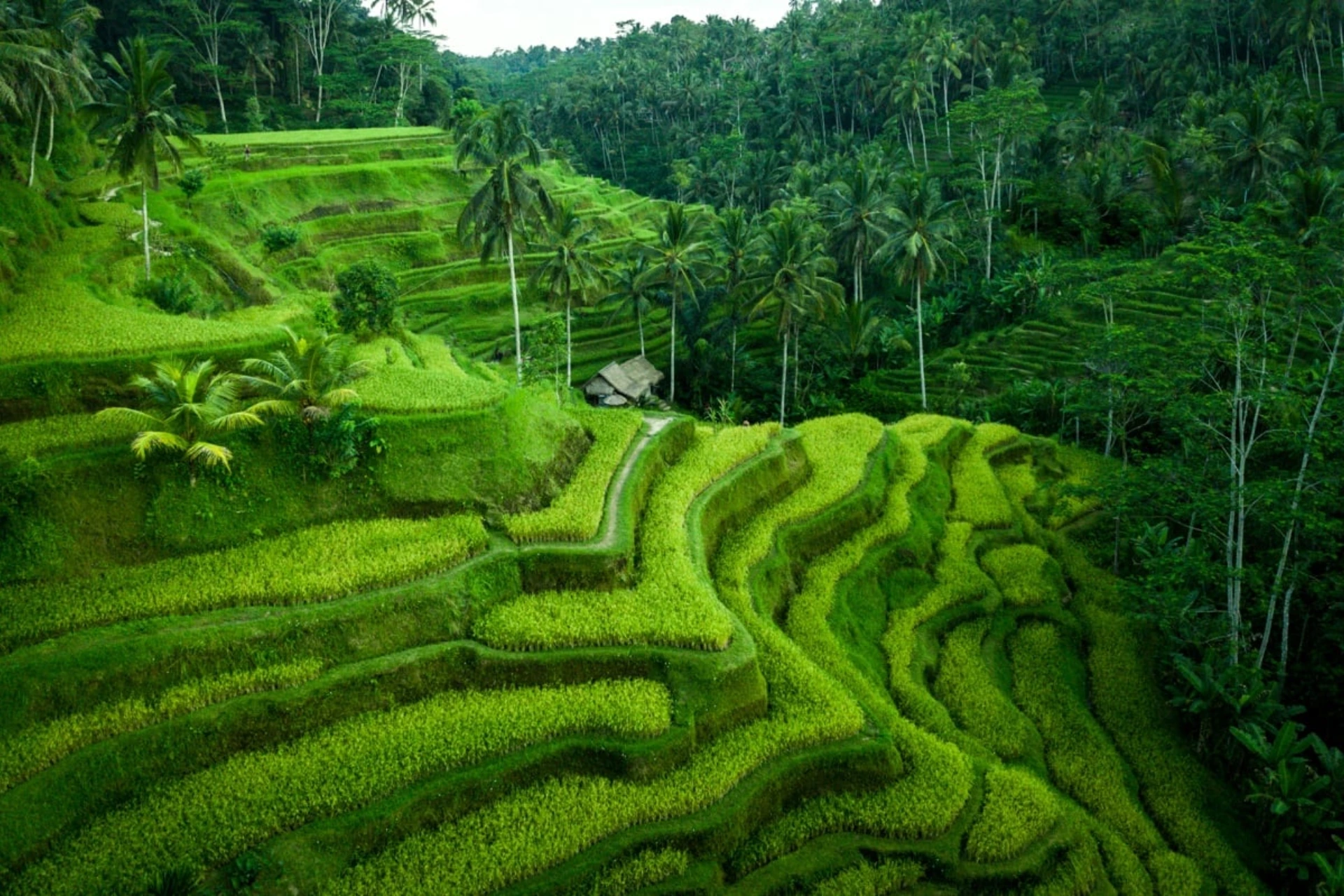
Beautiful view of Tegallalang Rice Terrace

Tegallalang Rice Terrace

Bali, Indonesia
i

Beautiful view of Tegallalang Rice Terrace

Beneath Bali’s colorful tourism surface stands a living landmark where natural artistry and tradition meet: the Tegallalang Rice Terrace. Just north of Ubud, sprawling emerald-green steps unfold across the valley, shaped by generations of patient hands. Here, beauty is no accident; water flows through an ancient subak irrigation system, connecting local farmers and visitors to the land’s rhythms. Green, vibrant, and impossibly photogenic, the fields capture both Bali’s spirit and its enduring connection to nature.

Visiting Info

Currency
Entrance fee
25000 IDR
Hours
Opening hours
Monday: 8:00 AM – 6:00 PM
Tuesday: 8:00 AM – 6:00 PM
Wednesday: 8:00 AM – 6:00 PM
Thursday: 8:00 AM – 6:00 PM
Friday: 8:00 AM – 6:00 PM
Saturday: 8:00 AM – 6:00 PM
Sunday: 8:00 AM – 6:00 PM

Contact Information

Location
Address
Jl. Raya Tegallalang, Tegallalang, Kec. Tegallalang, Kabupaten Gianyar, Bali 80561, Indonesia

Planning your visit

Making the most of a trip to Tegallalang Rice Terrace means more than just showing up with a camera. The area gets buzzier as the sun rises and busier as the day goes on, with midday crowds eager for that perfect snapshot. A little forward thinking ensures a more peaceful walk along the terrace edges, easier parking, and time to appreciate the region’s slower pace. Outside the terraces, small warungs, craft stalls, and guided walk services line the main road, inviting visitors to linger and explore.

  • Best time to visit: Early morning or late afternoon; June–September sees the brightest greens.
  • How to get there: 25 minutes by scooter, taxi, or driver north of Ubud; private tours or shuttle buses often available.
  • Accessibility: Some steep, uneven paths; best for fit travelers, but main viewpoints near parking are accessible to most.
  • Average visit duration: 1.5 to 2 hours for a relaxed walk and a coffee break.

Must see stuff

Tegallalang offers more than postcard panoramas. Zig-zagging trails let visitors wind through the paddies, while bamboo bridges link tiny islands in the green. Some farmers invite guests to try rice planting, offering a hands-on look at this daily ritual. Colorful swings dangle off dramatic drops for those craving thrill and unforgettable photos. At the edges, cozy cafes and roadside stalls showcase local crafts, woodwork, and coconut treats—each with a view as rich as the coffee served.

  • Classic terrace views: Several lookout points near the main entrance deliver sweeping photos, especially at sunrise.
  • Rice farming activities: Certain farmers offer planting, harvesting, or water buffalo experiences for small tips.
  • Bali swings and photo stops: Popular Instagram swings, heart-shaped nests, and creative props line the edges.
  • Handmade crafts: Workshop stalls above the valley display wood carvings, masks, and silver directly from the artisans.
  • Cultural note: The centuries-old subak system, managed by village priests, has earned the site UNESCO recognition for both farming methods and spiritual significance.

Tips for your visit

Preparation keeps a magical morning from morphing into a hot, crowded trek. Narrow stone trails grow slippery after rain, so sturdy shoes earn their place. Water and sunblock matter, with little shade across the main terraces. Respect local signs requesting small donations or tickets at certain entry points; these directly support resident farmers who maintain the landscape year-round. Cafes with rice-terrace views get popular but rarely feel rushed, so grabbing a cool drink and enjoying the breeze can be as rewarding as any hike.

  • Best times to avoid crowds: Arrive by 8 a.m. or after 4 p.m. for cooler air and softer light.
  • What to bring: Water bottle, wide-brim hat, strong sunscreen, and good walking shoes.
  • Local etiquette: Stay off young rice shoots; tipping farmers and guides is appreciated but not obligatory.
  • Safety: Watch for sudden drops and muddy steps after rain; families with young kids should hold hands in narrow spots.