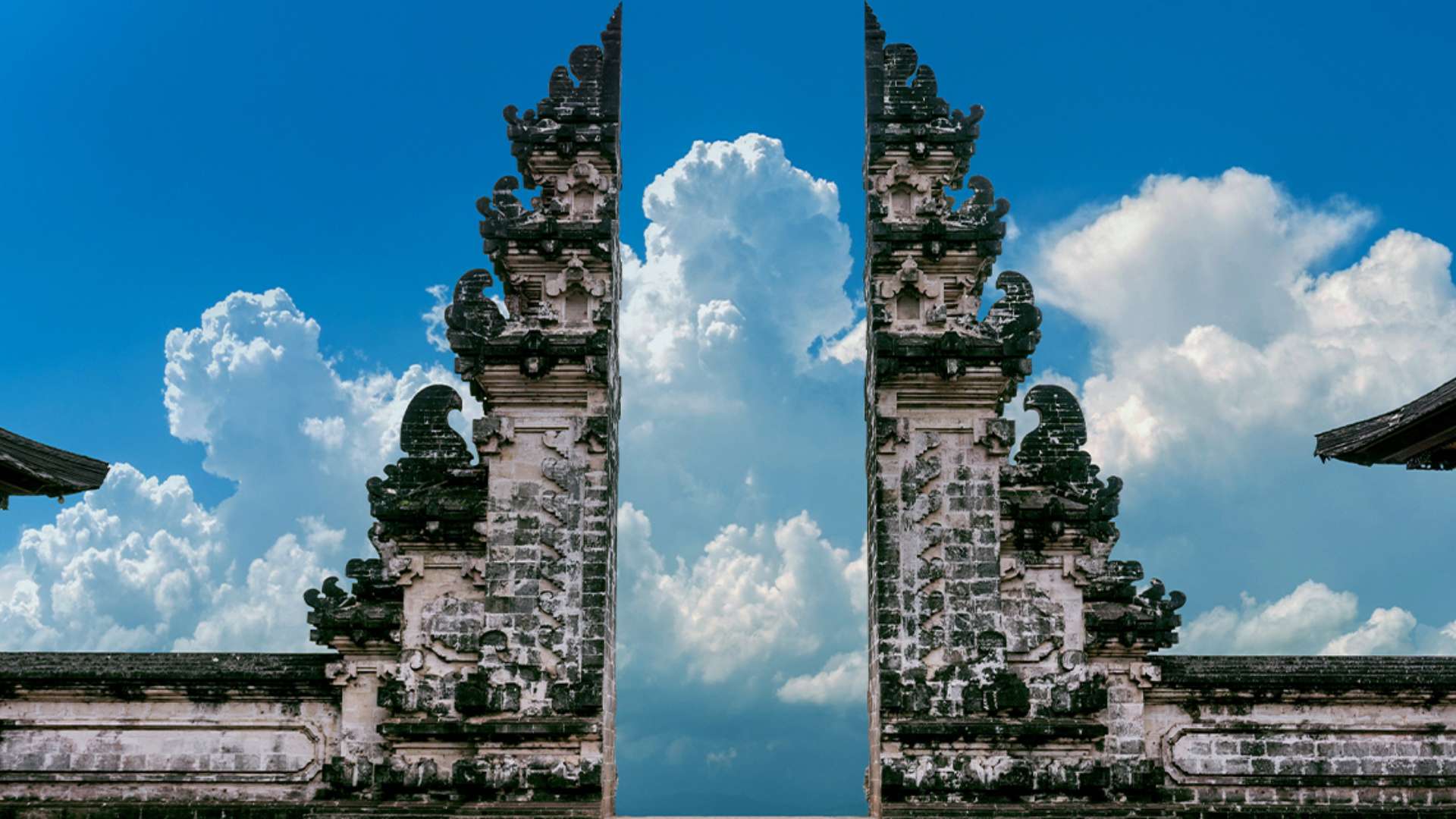
Beautiful view of Lempuyang Temple

Lempuyang Temple

Bali, Indonesia
i

Beautiful view of Lempuyang Temple

High on a forested mountain slope, Lempuyang Temple stands as one of Bali’s most sacred spots. Clouds drift across the jagged outline of Mount Agung, and ancient stone steps wind upward, guiding visitors through lush foliage into a world of quiet devotion and stunning views. For centuries, pilgrims have journeyed here for spiritual renewal and glimpses of an older, mystical Bali that still feels alive among the temple’s shrines and mossy gates. Modern travelers find not only the famous Gates of Heaven but a genuine sense of wonder that lingers long after the mist clears.

Visiting Info

Currency
Entrance fee
50000 IDR

Contact Information

Location
Address
JJ5H+GQF, Jl. Pura Telaga Mas Lempuyang, Tri Buana, Kec. Abang, Kabupaten Karangasem, Bali 80852, Indonesia

Planning your visit

Before heading to Lempuyang Temple, it pays to know a few practical details. The temple’s location in eastern Bali means a bit more effort, but this also leads to quieter surroundings, especially compared to busier temples near Ubud or Seminyak. Early mornings often promise the clearest sky and thinnest crowds, while afternoons can bring heavier visitors along with afternoon fog. The temple complex covers several staircases and pavilions, with the most popular gates halfway up the mountain, and less-visited shrines further above. Because local ceremonies and weather can affect access, flexible plans make the best memories.

  • Best time to visit: Dry season (April–October), sunrise (6–8 AM) or late afternoon for softer light and fewer people.
  • How to get there: About 2–2.5 hours by car or scooter from Ubud, Candidasa, or Amed; private drivers, group tours, and app-based taxis available. Public transport is limited.
  • Accessibility: Expect many stairs—helpful guides and railing, but not fully accessible for wheelchairs or strollers. Elderly visitors may prefer to stop at the first gate.
  • Average visit duration: 2–4 hours, longer if climbing to the uppermost shrines or during festivals.

Must see stuff

Lempuyang Temple is actually one of Bali's oldest and most revered temple complexes, known locally as "Pura Luhur Lempuyang." The main draw remains the gates that frame Mount Agung—often called the Gates of Heaven—but the real experience goes deeper. Black and white banners, intricate carvings, and cool air set a solemn mood across the stepped courtyards and shrines. Smoke from incense drifts on the wind, and locals dressed in traditional sarongs bring daily offerings, especially during major ceremonies. For those willing to walk beyond the crowds, further temples and forest tracks reveal a wilder, quieter side to the mountain—a hidden gem of spiritual life far above sea level.

  • Main sights: The Gates of Heaven (split gate), lower temple courtyard, rows of guardian statues, sweeping staircase to the higher shrines.
  • Unique experiences: Spiritual cleansing rituals (ask for a blessing from a local priest), exploring further up for less-visited temples, informal chats with temple keepers.
  • Photo-worthy spots: Gates of Heaven with Mount Agung view, mossy balustrades at dawn, panorama lookouts over the valley and rice terraces.
  • Cultural facts: One of Bali's "six sanctuaries of the world" (Sad Kahyangan Jagad); rituals follow a lunar calendar, and foreign visitors are welcome but expected to dress modestly and respect ceremonies.

Tips for your visit

Getting the most out of a trip to Lempuyang Temple means planning smart—and being a thoughtful guest. During holidays or festival days, lines for photos stretch long, especially thanks to social media; those determined for a solo Gates of Heaven shot may wait an hour or more. Bringing a sarong is required (some are available at the entrance for a small fee), and respectful, quiet behavior is expected. The temple is a place of worship, not just a photo stop. Stairs can get slippery after rain and the mountain air grows surprisingly cool, so light layers and sturdy shoes are wise. No food stalls sit inside the sacred grounds, but small warungs near the car park serve local coffee and sweet fried bananas—a good place to refuel before heading back.

  • Best times to avoid crowds: Arrive at sunrise (before 7 AM) or later in the afternoon, and try weekdays instead of weekends.
  • What to bring: Sarong (can rent on-site), refillable water bottle, camera or phone, light rain jacket, sturdy walking shoes, sunscreen.
  • Local etiquette: Dress modestly (covered shoulders and knees), avoid loud conversations or music, step aside politely for religious ceremonies.
  • Safety and comfort: Watch for uneven stairs and bring cash for parking or donations; limited cellphone coverage, so download maps in advance.