Google Places photo

Beihai Park

Beijing, China
i

Reaching across centuries, Beihai Park stands as one of China's oldest and grandest imperial gardens. Today, quiet pathways wind along the vast lake, age-old pavilions offer cool shade, and willows bow over winding bridges. Locals practice tai chi beneath ancient trees as children feed hungry carp in mirror-still water. Each corner tells a piece of Beijing’s layered story, inviting both awe and reflection.

Visiting Info

Currency
Entrance fee
10 CNY
Hours
Opening hours
Monday: 6:30 – 9:00 AM
Tuesday: 6:30 – 9:00 AM
Wednesday: 6:30 – 9:00 AM
Thursday: 6:30 – 9:00 AM
Friday: 6:30 – 9:00 AM
Saturday: 6:30 – 9:00 AM
Sunday: 6:30 – 9:00 AM

Contact Information

Location
Address
1 Wen Jin Jie, 西安门 Xi Cheng Qu, China, 100034

Planning your visit

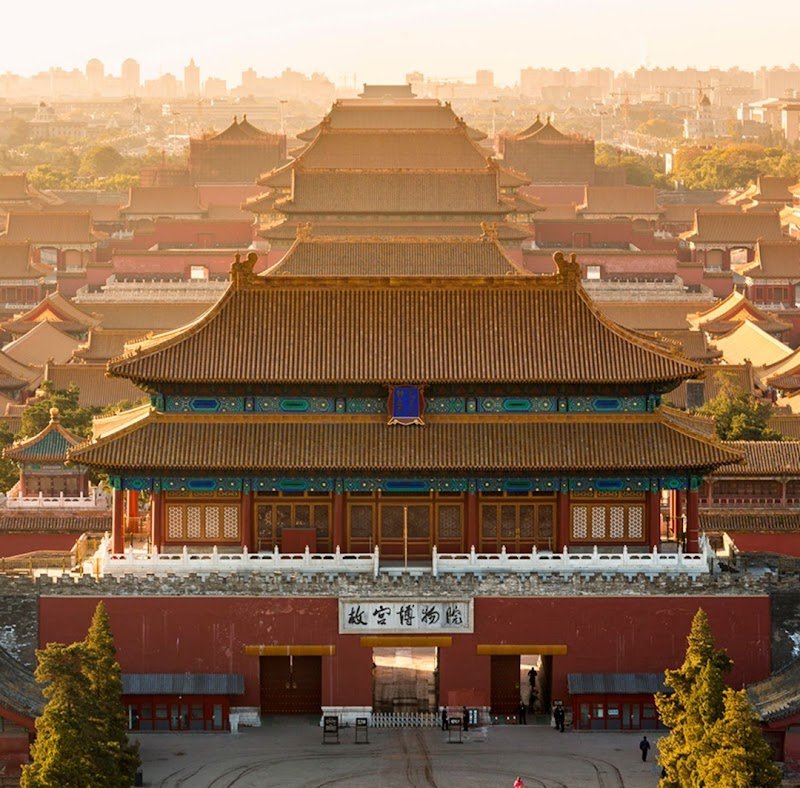
Beihai Park, only a few minutes’ stroll from the Forbidden City’s north gate, opens its gates year-round. The ancient gardens become especially lively on weekends when both travelers and Beijingers flock here, so plan with care. Most paths are easy for all ages, and a leisurely circuit never feels rushed. While tickets are affordable and sold at entrances, lines can lengthen quickly during festival days.

  • Best time to visit: Late spring and autumn; early morning or late afternoon for softer light and smaller crowds.
  • How to get there: Subway Line 6 to Beihai North Station, or city buses stopping nearby; a short taxi from Xicheng neighborhoods also works.
  • Accessibility: Park paths are mostly stroller and wheelchair-friendly, though some hilly spots may be harder for seniors or small children.
  • Average visit duration: 2–3 hours for a full exploration, longer if enjoying a boat ride or picnic.
Must see stuff

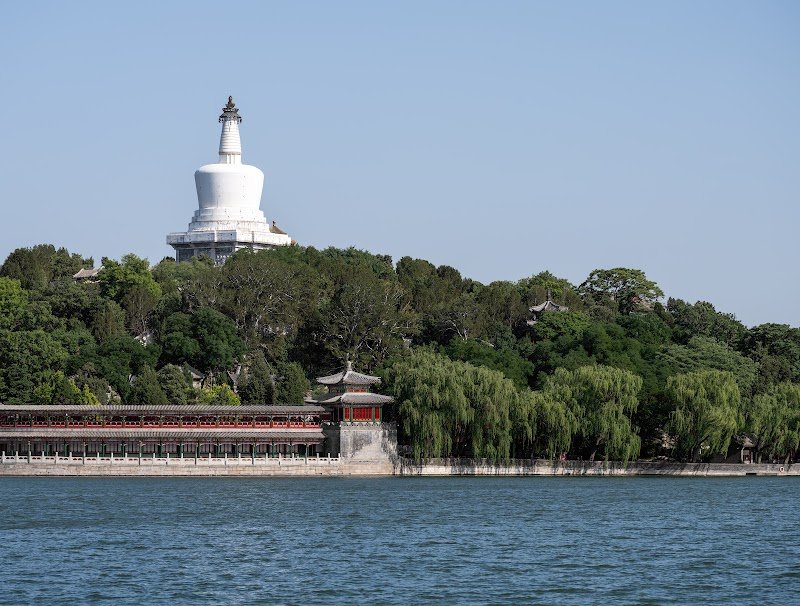
With hidden courtyards tucked between groves and wide lawns circling the huge lake, Beihai holds treasures both obvious and subtle. The centerpiece—the gleaming White Dagoba—sits atop Jade Flowery Islet, surrounded by smaller shrines and panoramic walkways. Away from here, zigzag bridges and peony gardens open onto scenes few visitors expect in the city’s heart. Artisans at work, elderly men playing chess, lotus blooms reflecting in teal water—moments to linger over.

  • White Dagoba: The most recognizable landmark, rising over the lake on Qionghua Isle. Its white stupa draws crowds and offers skyline views.
  • Nine-Dragon Screen: An impressive glazed-tile wall dating to the Ming dynasty. Each dragon flashes brilliant color, perfect for photos.
  • Round City (Tuancheng): Home to imperial relics and a legendary jade vase. Far fewer crowds explore this leafy corner.
  • Pleasure Boat Rental: Small boats for rent on the lake, perfect for cooling off in summer or catching unique angles for photos.
  • Yitian Pavilion and Peony Garden: Especially lovely in spring when blooms cover paths and air carries floral scents.
  • Cultural fact: Beihai has served as an imperial retreat since the Liao dynasty, with layers added by Yuan, Ming, and Qing emperors.

Tips for your visit

To enjoy Beihai Park at its best, some insider know-how helps. Choose less busy times to stroll the most famous pavilions in peace. The park stays comfortable across all seasons, but windy winter days warrant hardy shoes and extra layers. Drinks and snacks are available near main gates, but hidden benches are made for picnics. Respect quiet areas where locals gather; travelers who watch traditions unfold will find even more to appreciate.

  • Best times to avoid crowds: Arrive at opening (typically 6:30–7:00 am) or just before sunset; weekdays are quieter than weekends.
  • What to bring: Water, snacks, hat, camera, sunscreen, and good walking shoes—park grounds are large!
  • Local etiquette or rules: Keep voices down in temples or when folks are meditating; no climbing or swimming in water features.
  • Safety or comfort advice: Most staff and signs offer basic English, but a translation app makes ordering tickets or snacks easier.
  • Some restrooms can be basic; bring tissues or hand sanitizer.