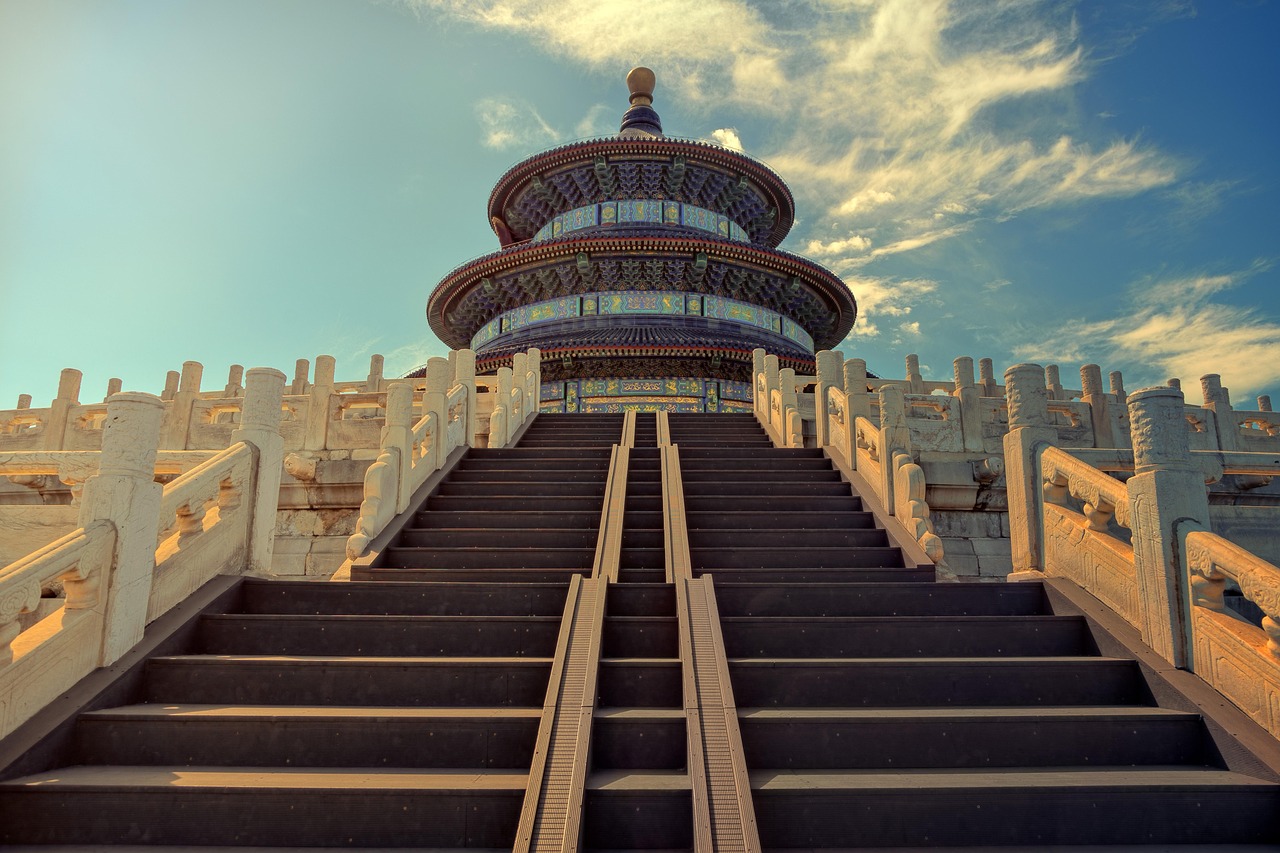
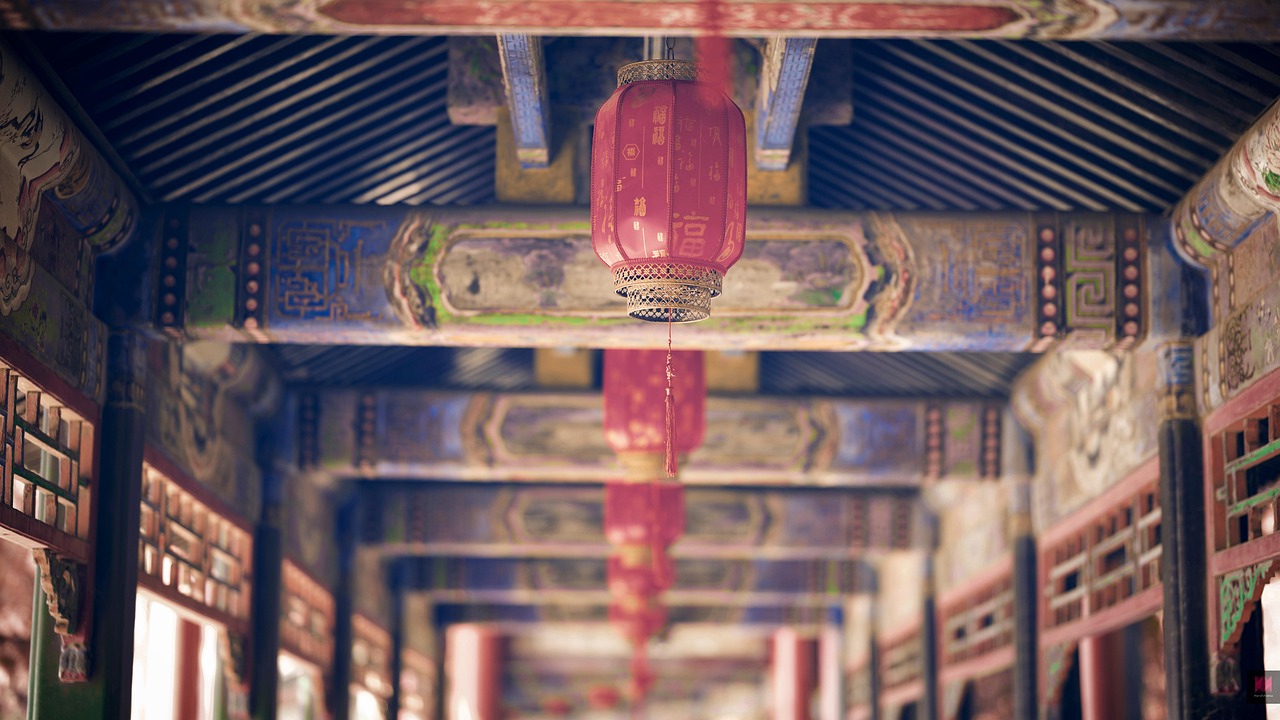
temple of heaven, beijing, stairs, temple, landmark, historical, china, asia, old temple, architecture, steps, stairway, beijing, temple, china, china, china, china, china
beijing, temple, chinese architecture, china, shanghai, beijing, beijing, beijing, beijing, beijing, chinese architecture, chinese architecture, chinese architecture, chinese architecture, chinese architecture, shanghai, shanghai
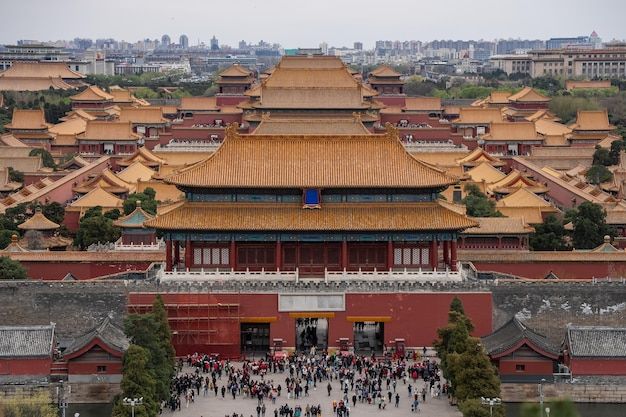
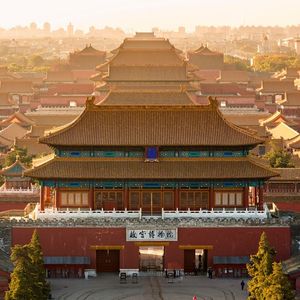
View of Forbidden City Palace Museum in Beijing China
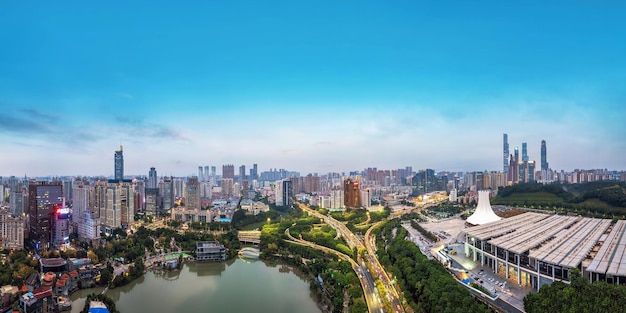
Aviation in China Nanning Modern Urban Architectural Landscape Skyline

Beijing

China
Iconic LandmarksArt & ArchitectureCulturalUNESCO World HeritageHistorical
i

temple of heaven, beijing, stairs, temple, landmark, historical, china, asia, old temple, architecture, steps, stairway, beijing, temple, china, china, china, china, china

Photo by jplenio

Beijing hits you first with its air: a blend of spice, smoke, and city dust. On the wide avenues, cars weave past bikes loaded with baskets of garlic. In the hutongs, narrow alleys hum with life: noodle steam, laughter, a radio crackling from an open window. Climb the Great Wall at Mutianyu and feel the stones warm under your hands, the mountains stretching away like the back of a dragon. In the Forbidden City, red walls soak up the afternoon light, each courtyard a quiet echo of history. Evening brings flash-lit shopping streets in Sanlitun and strains of erhu from a park near Houhai’s lake. Try skewered lamb in Wangfujing’s night market, the cumin sharp on your tongue. Beijing’s scale can overwhelm, but find a teahouse tucked in a courtyard and you’ll feel the city slow, the world reduced to steam and porcelain. Expect smoggy days and rush-hour crushes, but also moments of startling beauty: a kite against a blue sky, a line of poetry carved in stone. Beijing rewards patience, and its layers reveal more the longer you linger.

Quick Facts

currency
CNY
languages
Mandarin Chinese
airports
Beijing Capital International Airport
size
Mega City
power
Type A, Type C, Type I
timezone
China Standard Time (UTC+8)
safety
Safe
costs
Moderate

General Information

Safety indexBeijing is generally considered a safe city for travelers, with a safety index of around 75 out of 100. Petty crimes like pickpocketing can occur in crowded areas or on public transportation but violent crimes are rare. Police presence is noticeable and surveillance is widespread, further enhancing safety. Always remain vigilant, especially in tourist hotspots.

Best Time to TravelThe best time to visit Beijing is during spring (April to May) and autumn (September to October). These months offer comfortable temperatures, low humidity, and—most importantly—clearer skies which are great for sightseeing and photography.

Least crowded and still a good time to visitLate October to early November is a less crowded period when the weather is still pleasant, though a bit cooler. Most local tourists return to work or school after the Golden Week holiday (first week of October), making attractions more accessible.

BudgetBeijing can accommodate various budgets: budget travelers can get by with $30-50 per day (hostels, local food, public transport), mid-range travelers should budget $80-150 per day (three-star hotels, restaurant meals, attractions), while luxury experiences can range from $200 upwards. Street food and public transportation are affordable while higher-end hotels and international restaurants are pricier.

Healthcare and VaccinationsBeijing boasts modern hospitals and clinics, some with English-speaking staff. Travelers should have comprehensive travel medical insurance as treatment at private hospitals can be expensive. Pharmacies are widely available but bring personal medications and prescriptions. Air quality may be poor—consider a mask on high pollution days, especially for those with respiratory conditions.

Visa RequirementsMost travelers require a tourist visa (L visa) to enter Beijing/China. This is usually arranged before arrival via a Chinese embassy or consulate and requires a passport valid for at least six months, completed application, and proof of itinerary/accommodation. Some 72- or 144-hour visa-free transit options exist for certain nationalities connecting to a third country. Always check the latest regulations.

Weather in Beijing

°C°F
3697
2475
1253
-131
-139
Jan
Feb
Mar
Apr
May
Jun
Jul
Aug
Sep
Oct
Nov
Dec
3020100
Avg. min. temperature
Avg. max. temperature
Avg. precipitation days

First-time travelers

Beijing wakes early. The city’s wide avenues fill with bicycles as sunlight stretches across ancient roofs. Strolling through the capital for the first time means letting expectation meet reality—and being surprised at every turn.

The Rhythm of the City

Each step brings contrast. A temple incense spiral drifts just beyond a subway’s gleaming glass. On your first visit, the heart of the experience lives in the layers—imperial grandeur, daily lives, steaming streets. Step beneath cypress trees in Jingshan Park. Climb to the crest before breakfast. Below, tiled palaces and ribbons of traffic unfold—a living quilt. The city’s pulse feels ancient but restless.

Sensations Beyond the Guidebook

Morning markets—like Sanyuanli—buzz with vendors slapping tofu and hawking glistening cherries. Smell garlic from noodle shops as chefs pull dough into ribbons. Listen: older Beijingers clap hands in rhythm for morning exercise or gossip softly under willow trees. Taste zhajiangmian, the sticky-salty noodles, or warm jianbing from a street cart’s griddle.

  • Catch sunset from Drum Tower’s ancient steps.
  • Order a hot pot at Haidilao and try fermented bean curd dip.
  • Explore Nanluoguxiang’s hutong alleys, pausing for homemade yogurt.
  • Join the nightly dancing in Ditan Park—a city tradition.

Beijing rewards open eyes. Yes, there’s grandeur and buzz—but also quiet corners, found only with patience. Allow the city’s rhythm to draw you in. Each moment, unfamiliar yet welcoming.
Return travelers

The second time in Beijing feels a world away from your first. The city’s scale shrinks; the details leap forward. Hidden doors in old neighborhoods. Familiar street musicians. Beijing reveals more of itself—if you know where to look.

Daily Life, Locals’ Pace

This time, skirt past the mighty palaces and busy shopping streets. Instead, linger in Baihua Shenchu Bookstore, where students sip tea and debate poetry in the courtyards. Unwind with a paper cup of tea on the edges of Dajiaoting Flower Market, watching florists wrap peonies for nearby offices. You notice the differences in accent between cab drivers, and the way the midday haze cloaks the fifth ring road.

Unscripted Discoveries

At dusk, slip into Fangjia Hutong and swap stories with local ceramic artists. Sample Guizhou-style suan tang yu in a restless alley, sampling flavors from the city’s ever-growing migrant community. Wear comfortable shoes—today isn’t for ticking off must-sees, but for blending in, savoring unexpected moments. Trace calligraphy with water alongside retirees in temple forecourts. Smile when the corner hardware owner greets you by name.

  • Find quirky gifts at The Green T. House’s gallery shop in the art district.
  • Try spicy, hand-pulled noodles at Xian Lao Man on Dongzhimen.
  • Visit the subterranean bars on Wudaoying for open mic jazz.
  • Spend rainy hours in Red Gate Gallery, talking with young painters.

This city rewards return visits with deeper connection. Let routine disappear and curiosity lead; Beijing never runs out of new edges to explore.

Must-see locations

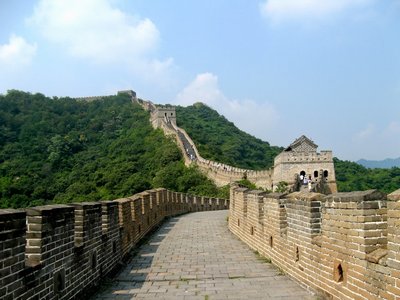
the great wall of china on a sunny day
i

the great wall of china on a sunny day

Photo by Hongbin

Great Wall of China

Stretching over mountains near Beijing, the Great Wall of China amazes with ancient fortresses, stone steps, and lush views. Hike along Mutianyu for fewer crowds or visit Jinshanling to see original bricks and watchtowers echoing history.

Learn More
Google Places photo
i

Google Places photo

Photo by Matthias Gottschalk

The Palace Museum

In Beijing’s heart, the Palace Museum offers grand halls with intricate roofs and ancient treasures. Walk through the Forbidden City courtyards, view centuries-old art, and sense the history where emperors once ruled.

Learn More
Google Places photo
i

Google Places photo

Photo by Bakeel Obyan

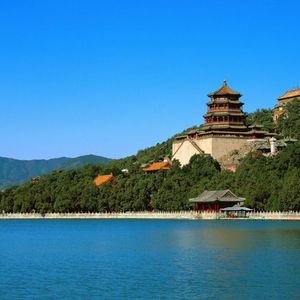
Summer Palace

Lakeside views and rolling hills frame the Summer Palace, where ancient temples stand beside the grand Kunming Lake. Wander the Long Corridor’s painted beams, climb Longevity Hill, and watch boats drift by as locals practice tai chi.

Learn More
Google Places photo
i

Google Places photo

Photo by Frank Fung

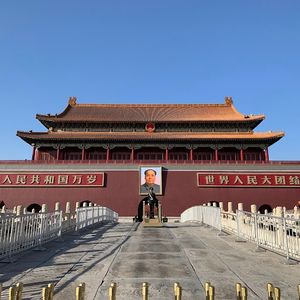
Tiananmen Square

In the heart of Beijing, Tiananmen Square draws visitors with vast open space, grand monuments, and daily flag-raising ceremonies. Walk to the Monument to the People's Heroes or visit the nearby National Museum of China.

Learn More
people walking on street near building during daytime
i

people walking on street near building during daytime

Photo by B C

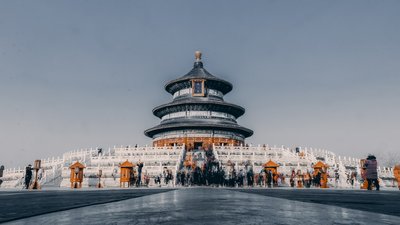
Temple of Heaven

Ancient cypress trees shade the grand marble terraces of Temple of Heaven, where emperors prayed for good harvests. Visit the Hall of Prayer for Good Harvests, then watch locals practice tai chi or play music in bustling park areas.

Learn More

How to get there

By air

Beijing is primarily served by two major airports: Beijing Capital International Airport (PEK) and Beijing Daxing International Airport (PKX). Both airports handle numerous international and domestic flights daily, making air travel the fastest and most common way for international and long-distance travelers to reach the city.
Options to get to town:
Taxi
Price:
120–180 RMB
Duration:
45–90 minutes (depending on airport and traffic)
Where to buy:
Taxi queue at airport arrivals area
Airport bus
Price:
25–40 RMB
Duration:
60–100 minutes
Where to buy:
Airport bus counters or directly from driver
Train/shuttle
Price:
25 RMB (Capital Airport Express), 35 RMB (Daxing Express)
Duration:
20–40 minutes to downtown subway stations
Where to buy:
Ticket machines or counters at the airport station

By train

Beijing is a major hub on China’s high-speed rail network, with direct train connections from most major cities such as Shanghai, Xi’an, Guangzhou, and more. The city’s main stations include Beijing Railway Station, Beijing West, Beijing South, and Beijing Chaoyang, each serving different routes.
Useful websites for train tickets:

By car

Driving to Beijing is possible via China’s extensive highway system. The city is well connected by major toll expressways. Foreign-registered vehicles may face restrictions and need special permits to enter Beijing and navigate the city’s ring roads.
Additional charges to be aware of:
Toll / vignette / emission sticker
Cost:
Variable (depends on entry route and highway tolls, approximately 0.5 RMB/km on major expressways)
How to pay:
Toll booths on highways
Other driving costs
Cost:
Parking fees (5–15 RMB/hour in central Beijing), possible congestion charges
How to pay:
Parking meters, garages, or via app

How to get around

Public transport

Beijing’s extensive public transport network includes the subway, buses, and suburban rail. The subway is fast, affordable, offers English signage, and covers most key sights. Buses are more difficult for non-Mandarin speakers but reach areas less accessible by metro. Services run from early morning to late night, though subways close around 11pm.

Ticket options:
Ticket TypePriceWhere to buy
Single ticket¥3-9 depending on distanceSubway station ticket machines or service counters
Yikatong card (reloadable prepaid card)¥20 deposit (fares deducted with use)Subway station service counters

Taxis & ridesharing

Taxis and rideshare apps are convenient for door-to-door travel, especially late at night or with luggage. Licensed taxis are plentiful and metered. Ridesharing (e.g. Didi) is popular and often easier to use for non-Mandarin speakers as destinations can be input in English or pin-dropped on a map.

Service providers:
ProviderPriceHow to book
Local taxiFlagfall ¥13 (3 km), then ¥2.3/kmHail on the street or at taxi stands
Didi Chuxing (ridesharing app)Varies by distance and demand (comparable to taxis)Didi app (iOS/Android)

Car rental

Renting a car is not common due to heavy traffic, complex roads, and restrictions on foreign driver’s licenses (a Chinese license is required). Renting is usually most practical for long-distance travel outside the city.

Rental options:
ServicePriceHow to book
Daily rentalFrom ¥300/day plus depositInternational chains (e.g. Hertz, Avis) or local rental agencies
Weekly rentalFrom ¥1,800/week plus depositInternational chains or local agencies

Bike & scooter rental

Shared bikes and electric scooters are widely available, ideal for short distances and exploring parks or hutongs. Biking infrastructure is reasonable within central Beijing. Most services work via mobile apps and QR codes, requiring a Chinese mobile payment method.

Rental options:
ServicePriceHow to book
Bike rentalFrom ¥1-3 per 30 minutesApps such as Meituan Bike, HelloBike (via QR code on bike)
Scooter rentalFrom ¥2-4 per 15 minutesApps such as Meituan or local scooter rental shops

What to eat

Beijing wakes early. The clang of woks, the aroma of roasting duck, and the soft sizzle of dumplings fill narrow lanes. Around every corner, steam curls from vendors on bike carts or hidden storefronts. In Beijing, food is never far away, and every bite is a piece of living history. Hunger drives you out; curiosity keeps you wandering.

Signature Dishes

  • Peking Duck
    Sink your teeth into crispy skin and tender, fragrant meat. At Quanjude or Dadong, expert carvers serve duck with pancakes, scallions, and sweet bean sauce. A dish for celebrations and lazy afternoons, steeped in imperial tradition.
  • Zhajiangmian
    These chewy handmade noodles come topped with a salty-sweet pork and soybean paste sauce, garnished with fresh cucumber. It’s Beijing’s answer to comfort food, simple yet deeply satisfying.
  • Lamb Skewers (Yangrou Chuan)
    Find these on smoky grill stalls outside night markets. Cumin, chili powder, and char meet juicy lamb—spicy, bold, perfectly messy. Best eaten hot off the skewer.
  • Jianbing
    This crispy egg crepe comes layered with chili sauce, pickles, and herbs. Folded neatly for breakfast or a late-night snack, it delivers crunch and warmth in every bite.

Street Food & Markets

Wander the bustling alleys of Wangfujing Snack Street. Skewers of candied hawthorn and bubbling hotpot stalls send sweet and spicy notes into the air. Ghost Street erupts with chatter and neon, its late-night food scene legendary. Seek out Donghuamen Market for scorpions, stinky tofu, or classic dumplings—be wary, prices spike for tourists. Locals prefer Sanyuanli Market, where fresher finds await. Follow the crowds or let your nose decide; adventure here always tastes good.

Sweet Treats & Drinks

Sugar-dusted tanghulu—crunchy candied fruits on a stick—bring back childhood for many Beijingers. Try walnut cakes in old-school bakeries near Qianmen. Don’t miss douzhi, a warm, fermented mung bean drink with a nutty, acquired flavor; or cool off with chilled plum juice on hot afternoons. In cozy teahouses, jasmine tea flows endlessly, soothing tired legs and palettes between bites.

Why Travelers Eat Here

  • Historic flavors and recipes—generations-old techniques define many favorite dishes.
  • Buzzing markets and street stalls—authentic, communal dining experiences at every turn.
  • A unique mix of imperial and humble—fine dining sits beside old hutong snacks.
  • Easy access—from luxury restaurants to simple carts, great food is everywhere.

Come hungry to Beijing. The city wears its history on its plate: bold, bustling, welcoming. Every taste reveals another side of its spirit.

Top Rated Restaurants

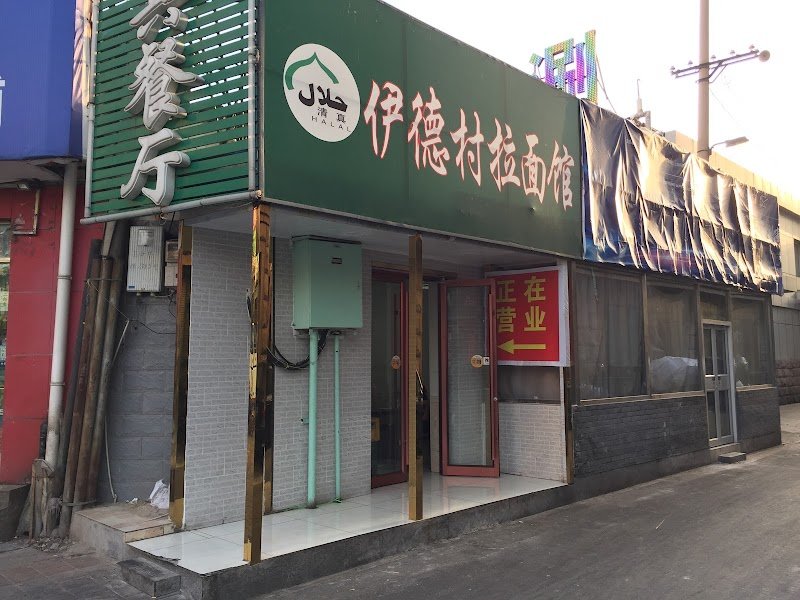
Xinjiang Flavor Yidecun Stretched Noodle Restaurant

Xinjiang Flavor Yidecun Stretched Noodle Restaurant

4.9 (82 reviews)
Location7 Wang Fu Jing Xi Jie, Wangfujing, Dong Cheng Qu, Bei Jing Shi, China, 100006
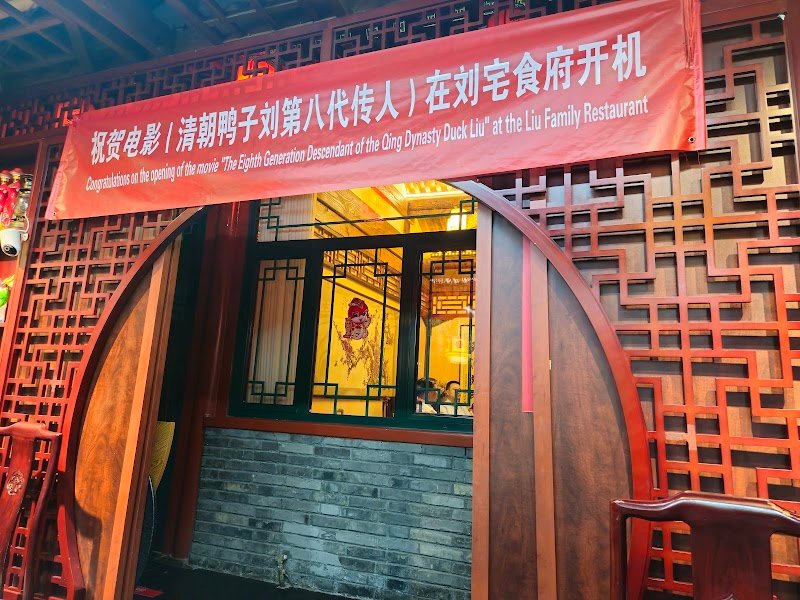
Liu's Family And Restaurant

Liu's Family And Restaurant

4.6 (143 reviews)
$$
Location8 Mei Shu Guan Dong Jie, Dong Cheng Qu, Bei Jing Shi, China, 100009
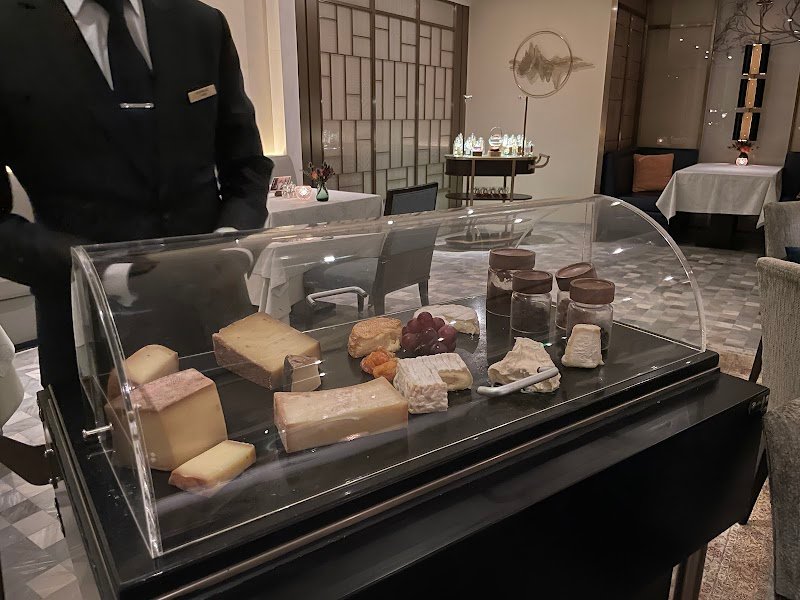
Jing

Jing

4.6 (18 reviews)
$$
LocationChina, Bei Jing Shi, Dong Cheng Qu, Jin Yu Hu Tong, 8号王府半岛酒店 邮政编码: 100006
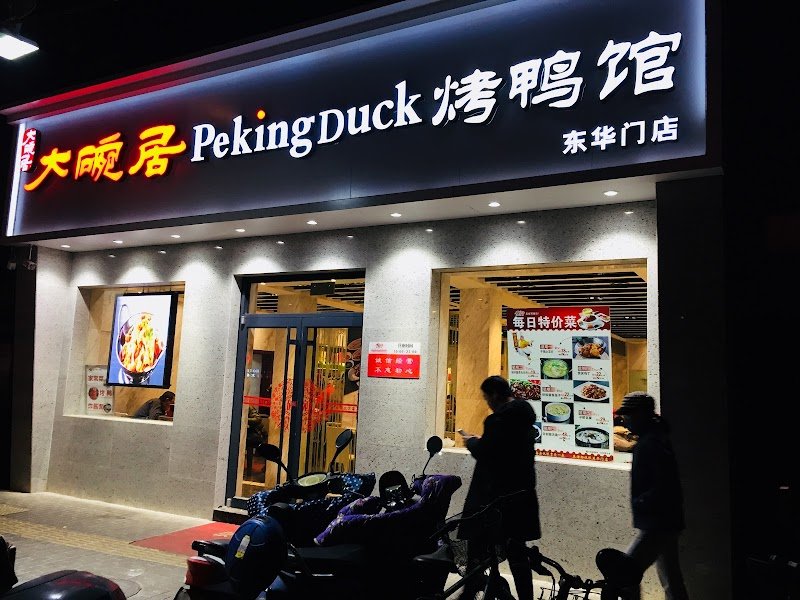
Beijing Dawanju Restaurant

Beijing Dawanju Restaurant

4.6 (53 reviews)
Location11 Dong Hua Men Da Jie, Dong Cheng Qu, Bei Jing Shi, China, 100006
Pangmei Noodle Restaurant

Pangmei Noodle Restaurant

4.6 (56 reviews)
LocationWCQ8+PHR, Xiang Er Hu Tong, 交道口 Dong Cheng Qu, Bei Jing Shi, China, 100009

Accommodations

In Beijing, where futuristic skyscrapers face timeworn temples, where you rest can shape your trip. Choose a neighborhood thoughtlessly, and daily rhythms might clash—all noise when you crave calm or too quiet for nightlife. Location, in this sprawling capital, isn’t just about convenience. It’s the difference between feeling adrift and feeling plugged into the city’s pulse or its poetry.

Neighborhood Overview

  • Wangfujing: Bustling with shops and street snacks, Wangfujing suits first-timers and energetic families. It’s close to Tiananmen Square, the Forbidden City, and reliable subway lines. At night, blazing LED signs bring markets alive, but noise can follow you inside.
  • Houhai/Shichahai: Around tranquil lakes and winding hutongs, Houhai lures couples and wanderers. Here, boutique hotels sit near lively bars and historic teahouses. Street life lasts long after dark, so prepare for some evening bustle.
  • Sanlitun: This cosmopolitan nightlife hub brims with lively clubs, international restaurants, and designer boutiques. Sanlitun caters to young travelers and business visitors. While energetic, it lacks Beijing’s traditional charm but rarely leaves you bored.
  • Chaoyang Park: Leafy and less hectic, Chaoyang Park attracts families and long-stay guests. Parks, modern malls, and quieter lanes balance city buzz with a touch of suburbia. Rooms here tend to be larger, but metro access can require a walk.
  • Qianmen: Staying near Qianmen puts you close to local history. Traditional courtyard hotels and budget hostels sit alongside snack stalls and restored Ming-era gates. It’s ideal for culture lovers, though crowds of tourists are a constant presence.

Types of Accommodation

  • International Hotels: Chains like Grand Hyatt, Kerry Hotel, and Novotel cluster downtown. Expect polished service and rates from $140–$250 per night.
  • Boutique Courtyard Hotels: In hutongs, places like The Orchid or Cours et Pavillons offer historic charm. Prices range from $110–$190 for a double room.
  • Budget Hostels and Guesthouses: Hostels such as Peking Youth Hostel or Happy Dragon suit solo explorers and students. Beds start from $18, private rooms from $55 nightly.

Insider Tips for Booking

Book several weeks ahead for peak spring or fall visits. Rates rise during Golden Week holidays and drop in winter lows. Expect a refundable deposit, plus a 6–10% hotel tax on top of posted prices. Courtyard rooms sometimes share bathrooms—read the details closely.

Some nights, I watched lanterns bob across Houhai’s waters; others, neon danced outside Sanlitun’s windows. Wherever you lay your head, neighborhoods in Beijing reveal different stories. Choose with care and every evening feels like a new city unfolding.