Google Places photo

The Palace Museum

Beijing, China
i

Google Places photo

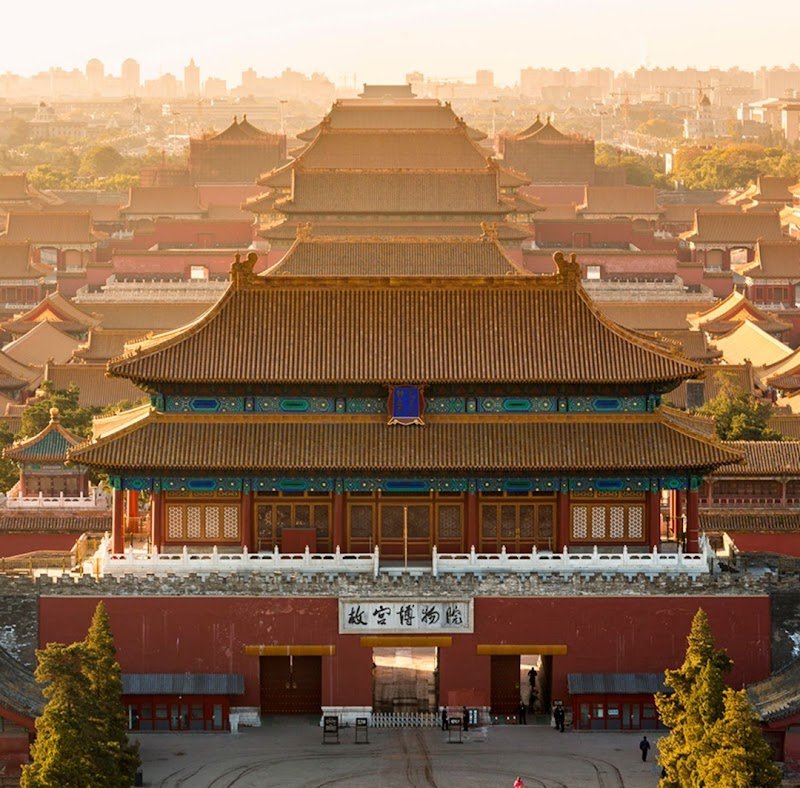
Photo by Matthias Gottschalk

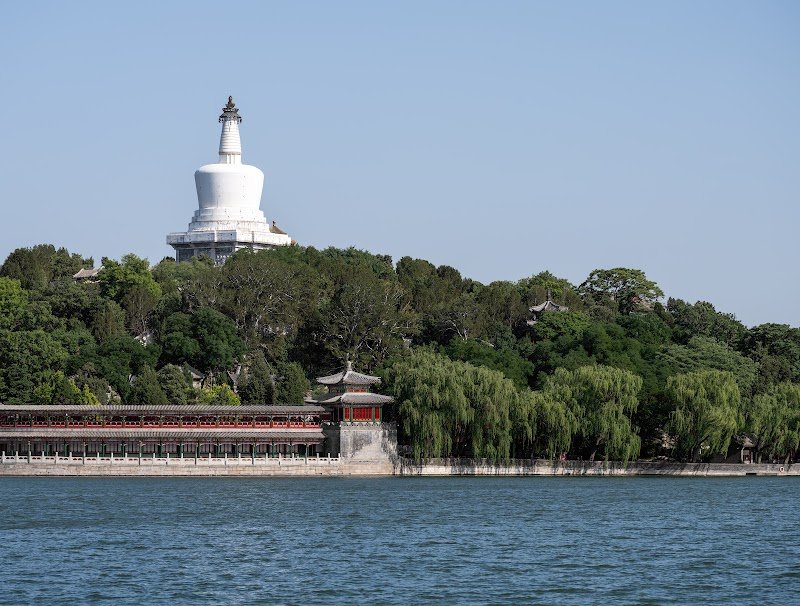
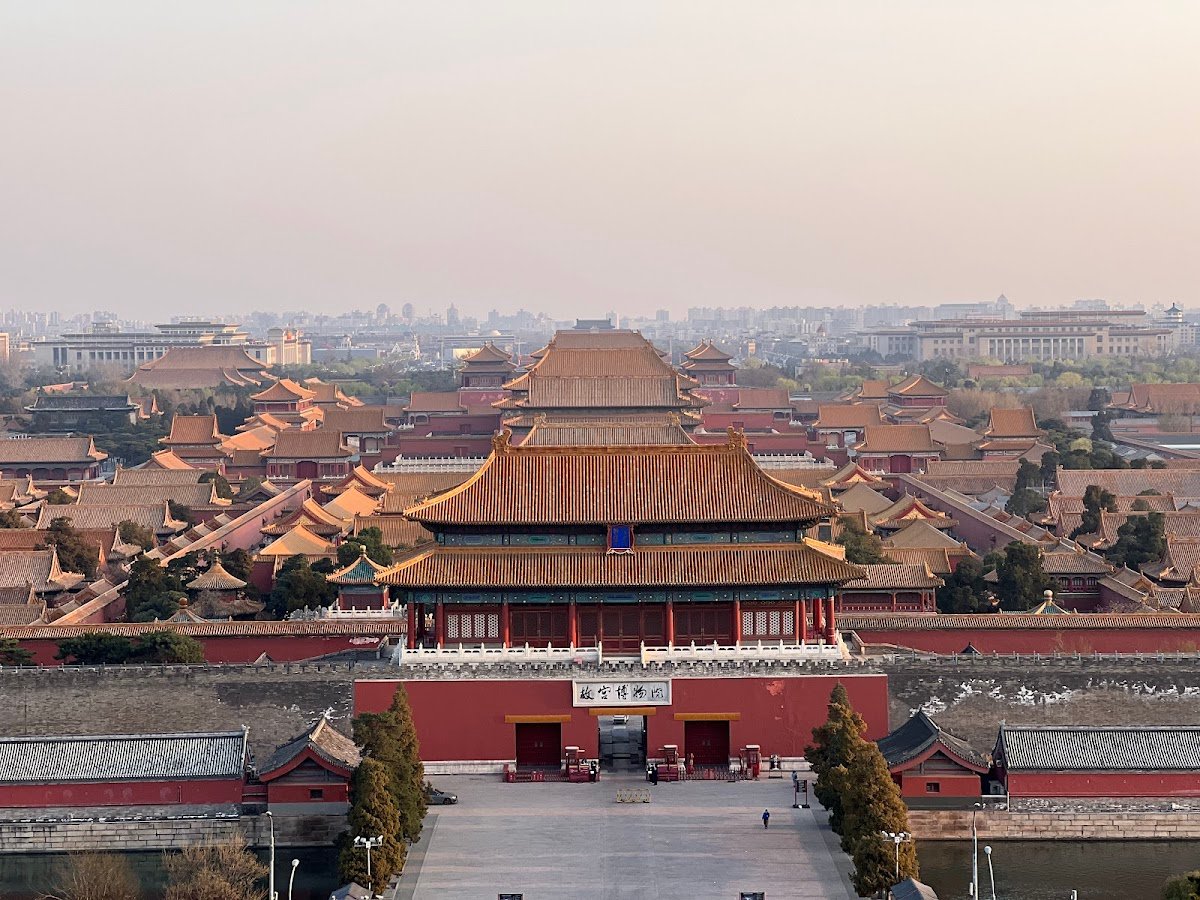
Surrounded by stately vermilion walls and a shimmering moat, The Palace Museum rises as one of the world's most impressive historical sites. Step inside these grand gates and history unfolds gallery by gallery, revealing centuries of imperial life and artistry preserved at the very heart of China’s former dynasties. Travelers enter not just a museum but a city within a city, full of courtyards, hallways, treasures, and stories.

Visiting Info

Currency
Entrance fee
40 USD
Hours
Opening hours
Monday: Closed
Tuesday: 8:30 AM – 4:30 PM
Wednesday: 8:30 AM – 4:30 PM
Thursday: 8:30 AM – 4:30 PM
Friday: 8:30 AM – 4:30 PM
Saturday: 8:30 AM – 4:30 PM
Sunday: 8:30 AM – 4:30 PM

Contact Information

Location
Address
4 Jing Shan Qian Jie, Dong Cheng Qu, Bei Jing Shi, China, 100009

Planning your visit

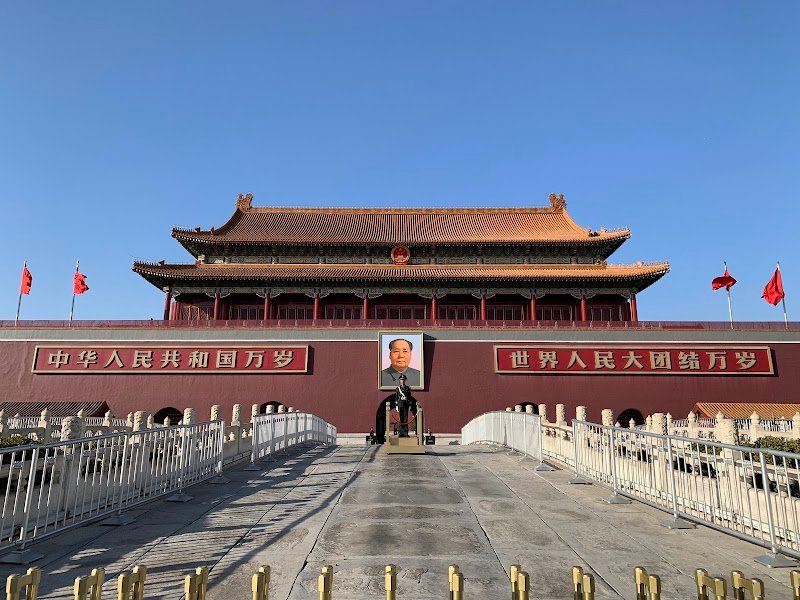
A journey to The Palace Museum rewards careful planning. This popular site attracts millions yearly, so choosing the right time and understanding practical details can turn a good visit into a great one. The main entrance, at the southern side's Meridian Gate, sits close to major subway lines and public buses. Online ticketing, available in multiple languages, helps avoid long waits. Early mornings offer a cool, quieter atmosphere, though even peak hours reveal the site’s unforgettable beauty. Allow plenty of time—footpaths wind through a city-sized compound filled with discovery.

  • Best time to visit: Weekday mornings in autumn or early spring bring mild weather and thinner crowds.
  • How to get there: Take Beijing’s subway Line 1 to Tiananmen East or Tiananmen West, or use city buses that stop at the Forbidden City southern gate.
  • Accessibility: Wide, flat surfaces suit strollers and wheelchairs, but travelers with limited mobility may need help on older stone steps.
  • Average visit duration: Three to four hours for highlights; full day for in-depth exploration.
Must see stuff

Walking through The Palace Museum, visitors move from broad plazas to tucked-away gardens and halls, each space with its own charm. Some spots carry legendary fame, while quieter corners paint intimate portraits of past imperial life. Photographers and history buffs alike find countless moments worth their time.

  • The Meridian Gate (Wu Men): Grand, imposing, the historic main entrance sets the stage for what lies within.
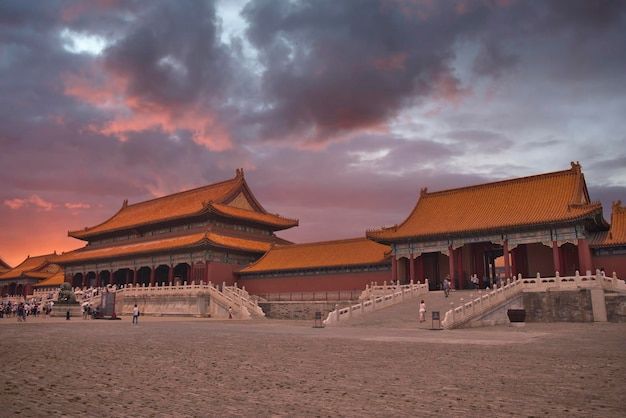
  • Hall of Supreme Harmony: Massive and ornate, this is where emperors once held court under dragons and gold-inlaid woodwork.
  • Imperial Garden: Tucked at the far north, this peaceful haven blooms with ancient pines, rockeries, and decorative pavilions—ideal for a quiet break.
  • Ceramics Gallery: Dip into the world’s leading collection of Chinese porcelain, offering a journey through dynastic artistry.
  • Corner Towers: At each corner of the massive walls, these iconic watchtowers offer unique photo ops, especially during sunset when the roofs glow red and gold.
  • Hidden courtyards: Away from the main halls, small passageways lead to secluded spots rarely crowded even on busy days.
  • Trivia: The palace holds around 980 surviving buildings and covers some 180 acres, making it the world’s largest palace complex.

Tips for your visit

Making the most of The Palace Museum involves preparation—and a few smart choices once inside. High visitor numbers, seasonal weather extremes, and the sheer scale can turn excitement into exhaustion for the unprepared. Calm, curiosity, and comfortable shoes carry many travelers a long way here.

  • Avoiding crowds: Arrive at opening time or plan for late afternoon, steering clear of weekends and Chinese holidays.
  • Packing list: Bring bottled water, a sun hat, light snacks, and a phone charger; photo IDs are often checked at entry.
  • Respect for tradition: Take care near artwork and relics—signs explain rules about not touching surfaces and not using flash photography.
  • Comfort tips: Wear cushioned walking shoes and check forecasts before coming, as both summer heat and winter cold can be intense inside the grounds.
  • Navigation: Grab a museum map, in English or Chinese, right at the entrance. Some signs lack full translations, so a translation app might prove helpful.

Similar Attractions