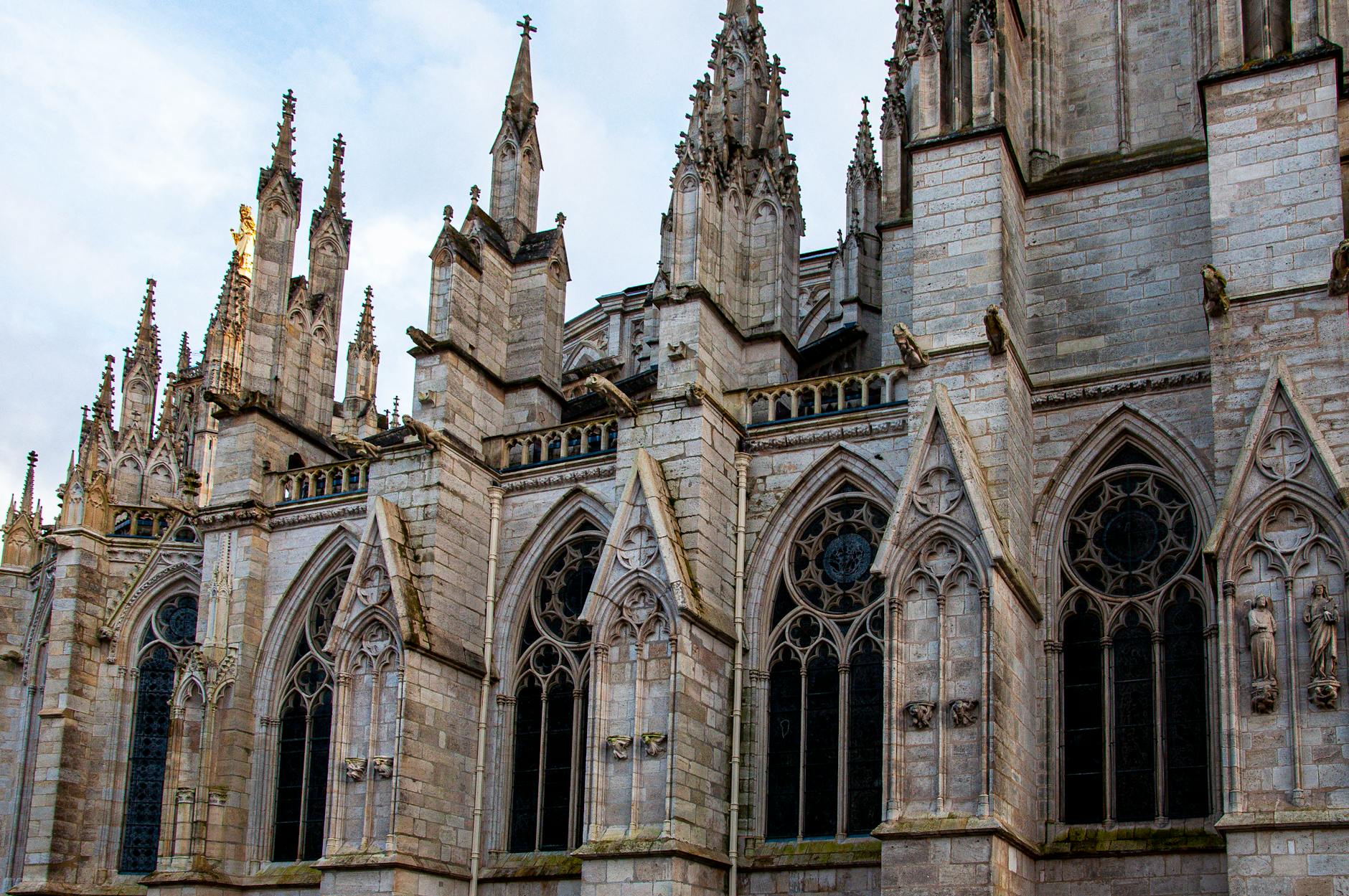
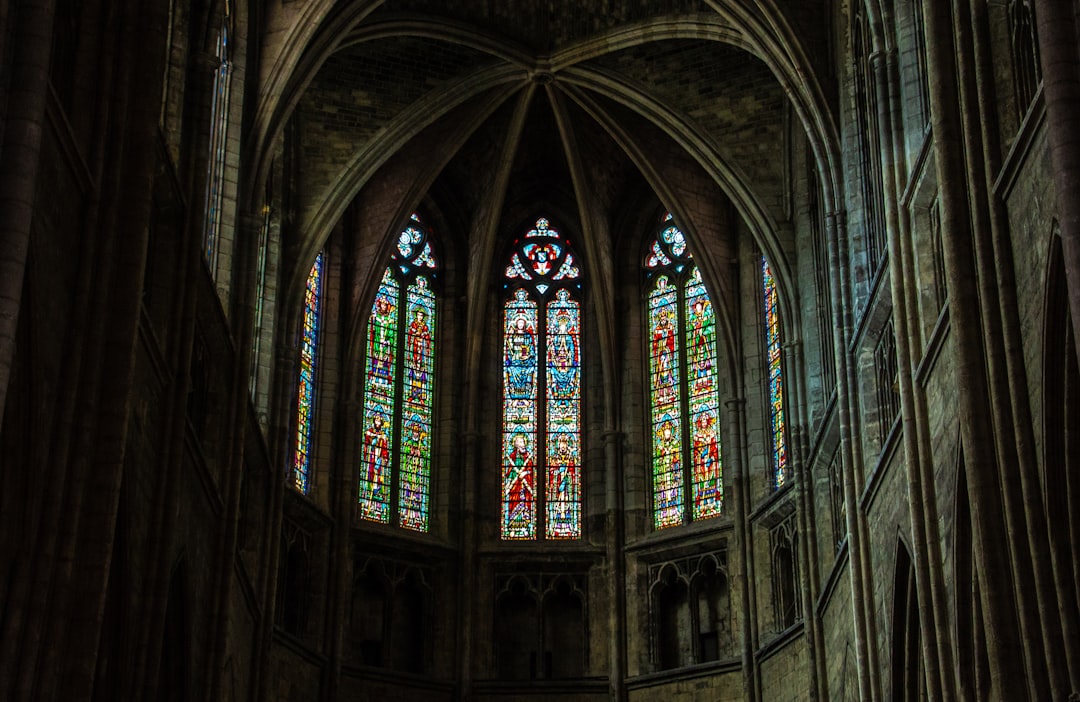
Detailed view of the Gothic architecture of Bordeaux Cathedral in France.
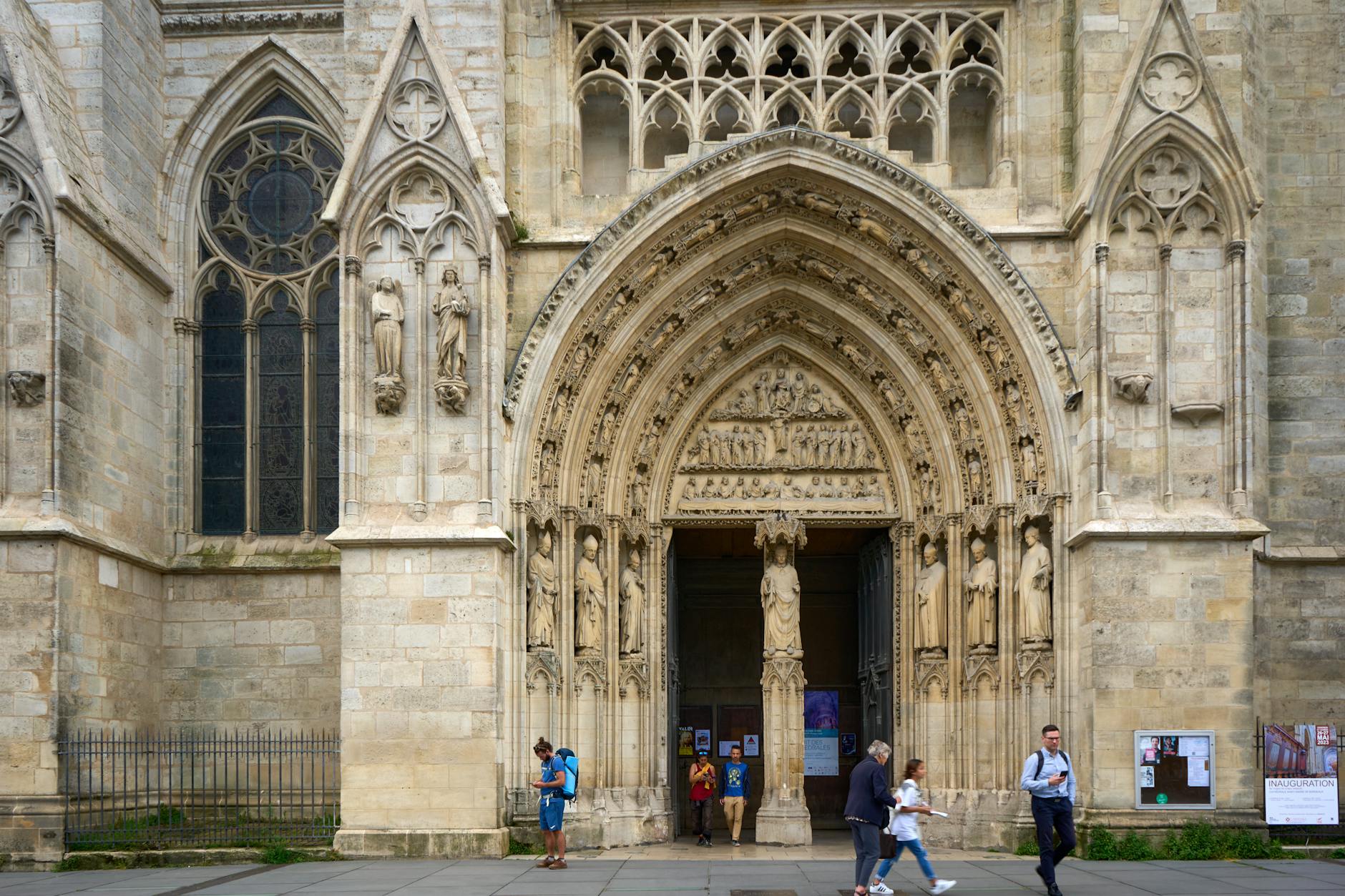
Intricate Gothic architecture of Bordeaux Cathedral with people at the entrance in Bordeaux, France.
a large cathedral with a lot of stained glass windows

Cathédrale Saint-André de Bordeaux

Bordeaux, France
i

Detailed view of the Gothic architecture of Bordeaux Cathedral in France.

Photo by Jing Zhan

Stone spires cut the sky above Bordeaux, drawing visitors from every direction to the Cathédrale Saint-André. Beneath these towers, centuries of French history echo in the footsteps that cross the worn flagstones. Here, gothic splendor stands face to face with daily life, offering a rare mix of grand architecture and the cheerful buzz of a busy square. Travelers soon learn that each visit reveals fresh layers—ancient carvings, local stories, quiet chapels, and vibrant nearby streets—all waiting to be discovered again and again.

Visiting Info

Currency
Entrance fee
Free
Hours
Opening hours
Monday: 2:00 – 7:00 PM
Tuesday: 10:00 AM – 12:00 PM, 2:00 – 7:00 PM
Wednesday: 10:00 AM – 12:00 PM, 2:00 – 7:00 PM
Thursday: 10:00 AM – 12:00 PM, 2:00 – 7:00 PM
Friday: 10:00 AM – 12:00 PM, 2:00 – 7:00 PM
Saturday: 10:00 AM – 12:00 PM, 2:00 – 7:00 PM
Sunday: 9:30 AM – 12:00 PM, 2:00 – 6:00 PM

Contact Information

Location
Address
Pl. Pey Berland, 33000 Bordeaux, France

Planning your visit

Reaching Cathédrale Saint-André rarely proves complicated, but a little preparation can elevate the entire experience. Bordeaux’s tramway glides right to the cathedral’s doors, while traffic-free squares and pedestrian streets make for leisurely strolls. Peak tourist months bring larger crowds, so timing can mean the difference between peaceful contemplation and bustling tour groups. Those with young children or mobility concerns will appreciate the cathedral’s step-free entrance, though some hidden corners and the iconic tower may challenge those less steady on their feet. For most, two hours allow enough time to absorb the details, snap some photos, and maybe enjoy a coffee at a nearby terrace afterward.

  • Best time to visit: Late spring or early autumn, mornings before 11 a.m.
  • How to get there: Tram Line A or B to Hôtel de Ville stop; several local buses; walking distance from Saint-Pierre district.
  • Accessibility: Step-free main entrance; wheelchairs and strollers can access main nave; tower climb requires stairs.
  • Average visit duration: 1.5–2 hours for cathedral and tower, more if lingering in surrounding area.
Must see stuff

At first glance, Cathédrale Saint-André impresses with its sheer scale and gothic detail, but its true charm hides in smaller discoveries. Soaring stone arches frame sunlight as it dances through colorful stained glass, lighting an interior thick with centuries of ceremony. The nearby Pey-Berland Tower, separated from the main cathedral, rewards climbers with panoramic views over Bordeaux’s slate roofs. In quieter side chapels, candlelight flickers beside faded frescoes telling stories of saints and kings. Even history buffs find delight in reading about Eleanor of Aquitaine, who married in these halls, while music fans may hear the deep tones of an ancient organ during afternoon rehearsals.

  • Main nave and high altar: The heart of the cathedral, breathtaking for its height and sculpture.
  • Pey-Berland Tower: Climb 231 steps for the city’s best views; tickets may run low in summer.
  • Stained glass windows: Look for the 19th-century panels and the rare, restored medieval glass.
  • Historical plaques and relics: Find the plaques near the main entrance for stories about royal weddings and religious revolutions.
  • South porch carvings: Study the detailed biblical scenes that decorate the oldest entrance.
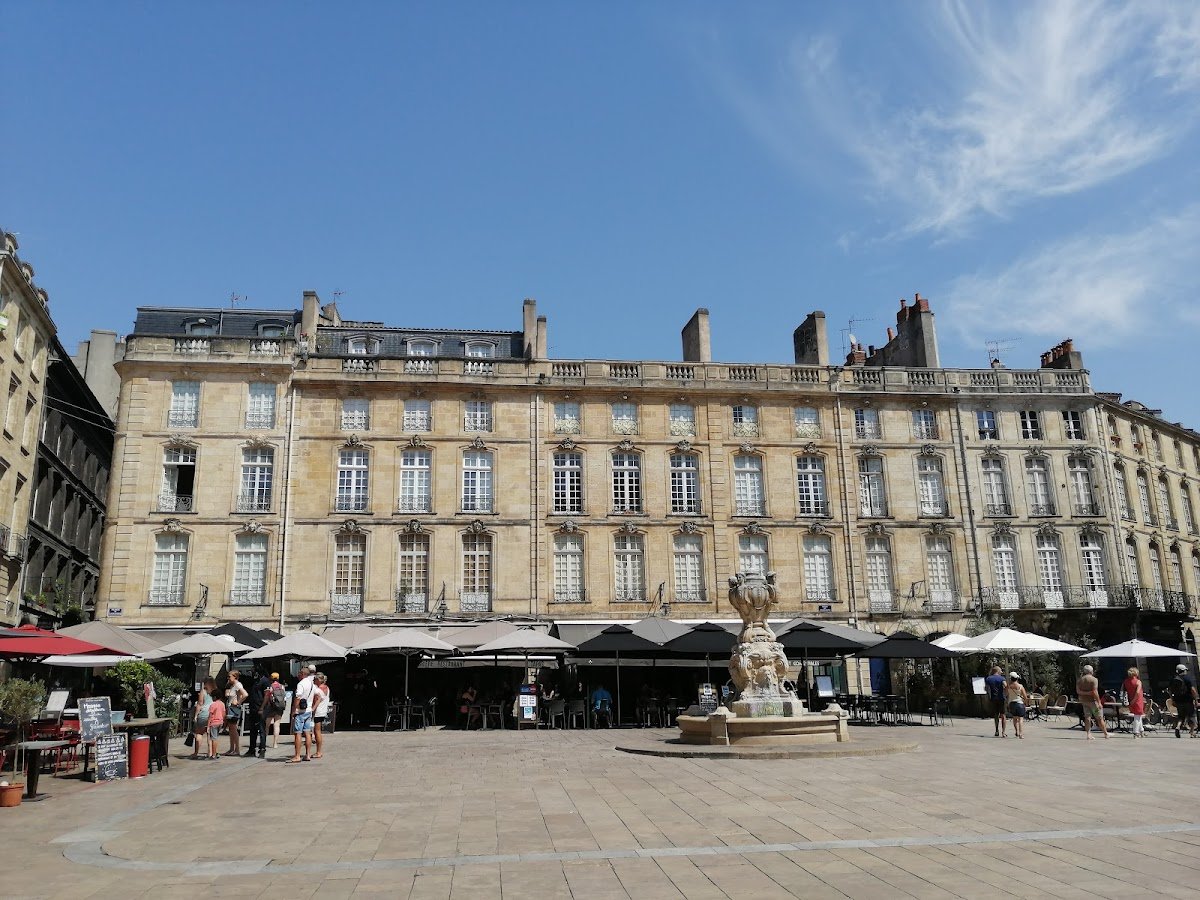
  • Photo spots: Face the western facade near Place Pey-Berland or capture the cathedral at sunset from the steps of the city hall next door.

Tips for your visit

While grandeur and history fill every corner of Cathédrale Saint-André, a few thoughtful steps help any visit go smoothly. Early mornings deliver softer light for photos and quieter halls for reflection. Sensible shoes matter—old stones get slippery, especially in the rain. Bringing a refillable water bottle saves searching for refreshments, as nearby cafés tend to fill quickly at lunchtime. Photography is allowed in most areas, but flashes and tripods are not. Modest dress, as in most French churches, shows respect for the sacred atmosphere, especially if attending mass. Attendants at the entrance often share insider tidbits or suggest less-crowded nooks. Those with limited French skills may appreciate a guidebook or translation app, as some signs appear only in the local language.

  • Best times to avoid crowds: Weekday mornings, outside of public holidays or school vacation periods.
  • What to bring: Comfortable shoes, reusable water bottle, camera or phone, light sweater even in summer.
  • Local etiquette: Speak softly, avoid phone use in chapels, dress with shoulders and knees covered.
  • Safety or comfort advice: Mind the uneven floors; watch for cyclists and trams when crossing nearby squares; keep valuables secure in busy areas.