Google Places photo

Basilica of the Holy Blood

Bruges, Belgium
i

Google Places photo

Photo by Peter McDonnell

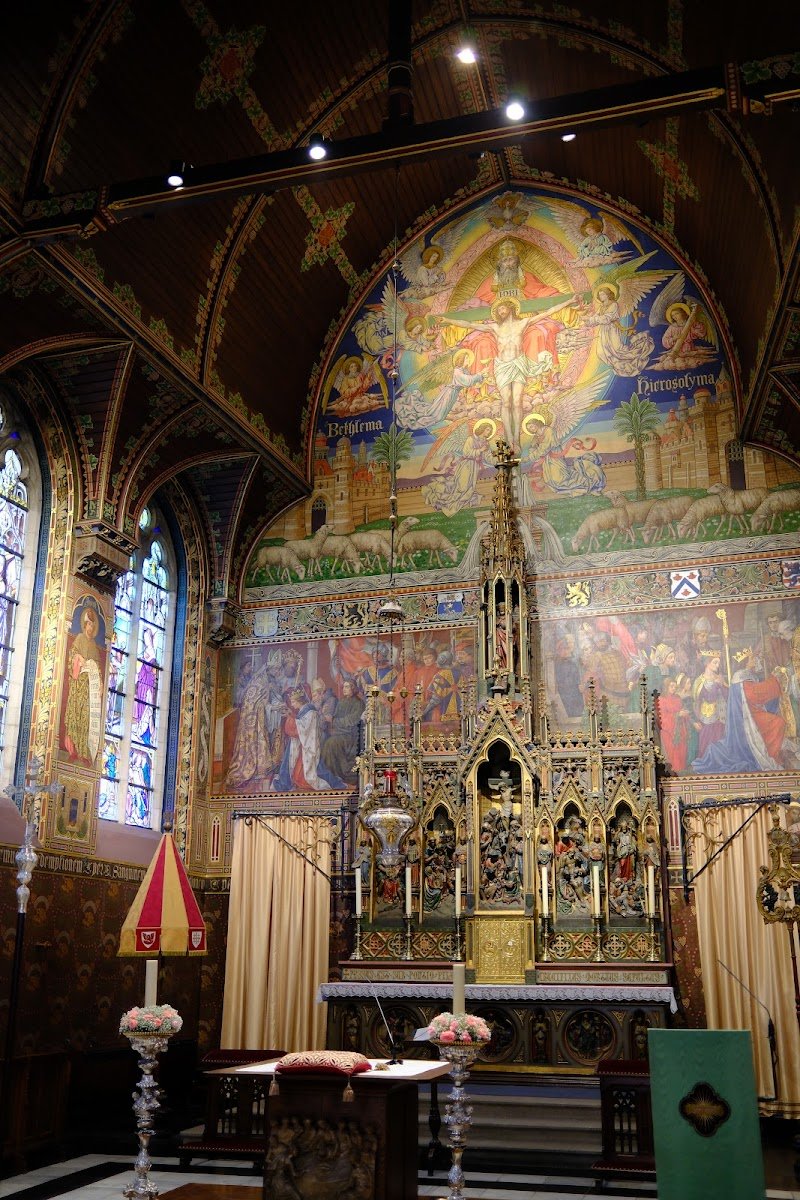
Few places bring the mystery and beauty of medieval Europe to life quite like the Basilica of the Holy Blood. Nestled in the heart of a bustling square, this centuries-old chapel offers more than sacred relics. Deep silence, golden mosaics, and gentle light streaming through stained glass invite moments of awe, reflection, and curiosity. Whether the goal is spiritual pilgrimage or soaking in local history, this landmark delivers both grandeur and intimacy, woven through daily ritual and legend.

Visiting Info

Currency
Entrance fee
Free
Hours
Opening hours
Monday: 10:00 AM – 5:15 PM
Tuesday: 10:00 AM – 5:15 PM
Wednesday: 10:00 AM – 5:15 PM
Thursday: 10:00 AM – 5:15 PM
Friday: 10:00 AM – 5:15 PM
Saturday: 10:00 AM – 5:15 PM
Sunday: 10:00 AM – 5:15 PM

Contact Information

Location
Address
Burg 13, 8000 Brugge, Belgium

Planning your visit

Organizing a trip to the Basilica of the Holy Blood should feel simple, but a few practical touches can make the experience shine. The chapel sits near the center of Bruges, close to other attractions. Doors usually open late morning, and afternoons often see the greatest crowds. Since this is both a religious site and a tourist favorite, weekends or holidays tend to fill up fast. Photographers and peaceful wanderers find quieter moments during early hours or just before sunset. The blend of ancient stairs, cobbled approaches, and ongoing services can add challenges for some travelers, so a bit of planning goes a long way.

  • Best time to visit: Spring or fall, especially weekday mornings
  • How to get there: Short walk from Markt Square; city buses stop nearby; paid parking garages in walking distance
  • Accessibility: Ground level accessible, but upper chapel reached by narrow stairs; contact staff for alternative assistance
  • Average visit duration: 45 minutes to 1.5 hours

Must see stuff

Stepping inside the Basilica of the Holy Blood, visitors find two chapels layered atop each other—each so different, both worth attention. The lower Chapel of St. Basil feels ancient and mysterious, with dim stone arches and an almost cave-like calm. Upstairs, the Basilica dazzles with shimmering gold, painted columns, and gentle candlelight. At the heart of the visit, the Relic of the Holy Blood sits displayed above the high altar—a crystal vial believed to hold drops of Christ’s blood, brought to Bruges during the Crusades. Local guides and written plaques help unravel centuries of legends. Around the corner, a tiny on-site museum shares vestments, reliquaries, and peculiar artifacts from religious processions. Everywhere, small carvings and stained glass reward patient eyes. Photographers gather near golden mosaics and the twisting staircase leading up to the main chapel—a setting that seems lifted from a medieval story. Every Friday and on holy days, quiet crowds line up for veneration rituals, creating a moving glimpse of faith close up. Yet outside main events, patches of empty pews create restful places to simply sit, breathe, or watch sunlight hit ancient stones.

  • Key sights: Lower Romanesque Chapel of St. Basil, upper Basilica with mosaics, and the Relic of the Holy Blood
  • Unique experiences: Witnessing daily veneration of the relic, attending mass, or exploring the small upstairs museum
  • Photo-worthy locations: Twisting staircase, brilliant stained glass behind the altar, and golden murals covering the upper chapel walls
  • Cultural facts: The relic was said to be brought from Jerusalem after the Second Crusade and celebrated every Ascension Day in a colorful citywide procession

Tips for your visit

Even the best plans need flexible thinking. Arriving early or aiming for late afternoons means fewer crowds and easier movement—especially on weekends. Families note that children may find the space quiet but enjoy spotting dragons and angels carved into columns or learning about Bruges’ unusual relic traditions. The site’s religious role brings a slower pace and a bit more quiet than many attractions, so respectful dress and hushed voices show kindness to fellow visitors and worshippers. The stairs up to the basilica can feel steep or crowded, so sturdy shoes and a patient attitude help. Photography is welcome in most areas, though flash is discouraged. Lines for the relic can grow during veneration hours and major festivals. In winter, stone floors feel chilly while summer days call for water and sun protection just outside.

  • Best times to avoid crowds: Early weekday mornings or just before closing
  • What to bring: Modest clothing, walking shoes, quiet camera, and a refillable water bottle
  • Local etiquette: Silence or whispering, no flash photography during services, and respect for ongoing rituals
  • Safety or comfort advice: Watch for uneven stones and narrow stairs; check schedules for service disruptions during religious festivals