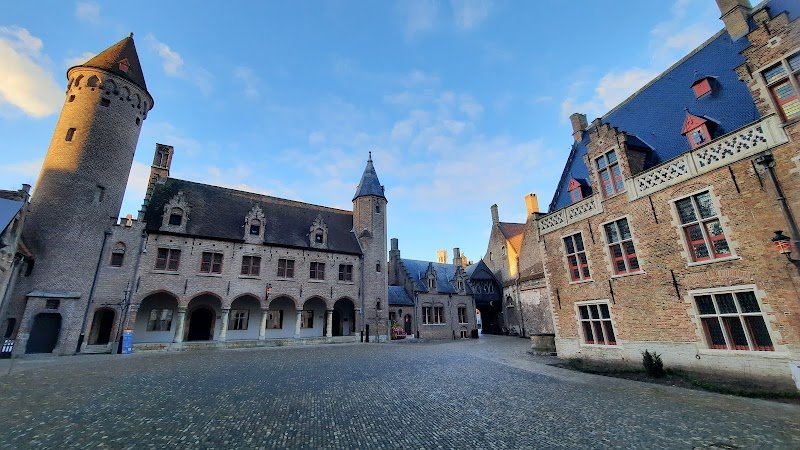
Google Places photo

Gruuthusemuseum

Bruges, Belgium
i

Google Places photo

Photo by Ronald Desseyn

Just steps from Bruges’ busy squares, a quiet world of tapestries, ornate relics, and medieval echoes waits behind the walls of Gruuthusemuseum. Steeped in local history, this former palace invites visitors to step through the doorway of a powerful family and explore how the past shaped daily Bruges life. For anyone hungry for centuries-old stories served beside beauty, a trip through Gruuthusemuseum is no ordinary peek into the past—it becomes an afternoon lived in a different age.

Visiting Info

Currency
Entrance fee
15 EUR
Hours
Opening hours
Monday: 9:30 AM – 5:00 PM
Tuesday: 9:30 AM – 5:00 PM
Wednesday: Closed
Thursday: 9:30 AM – 5:00 PM
Friday: 9:30 AM – 5:00 PM
Saturday: 9:30 AM – 5:00 PM
Sunday: 9:30 AM – 5:00 PM

Contact Information

Location
Address
Dijver 17, 8000 Brugge, Belgium

Planning your visit

Preparation makes a difference at Gruuthusemuseum. The museum sits near the canals and cobbled lanes, an easy walk from most landmarks in Bruges. Visitor crowds ebb and flow seasonally, with summer afternoons the hottest and busiest. Tickets can sell out on weekends, so consider booking early. Most visitors share the main galleries, but peaceful moments still appear for those arriving outside peak times. Elevators and ramps make most areas accessible for strollers and wheelchairs. Consider visiting midweek, especially in spring or fall, to discover the museum’s quietest corners.

  • Best time to visit: Spring and fall mornings (April-May, September-October) see fewer tourists and gentler weather.
  • How to get there: Walk from Markt square, ride the city bus, or park at a nearby garage such as Zilverpand. The museum is well signposted in central Bruges.
  • Accessibility: Elevators and wide paths welcome families and seniors, with limited stairs in a few older rooms.
  • Average visit duration: Plan for 1.5 to 2 hours to cover both highlights and lesser-known spaces.

Must see stuff

Gruuthusemuseum welcomes visitors with a blend of gothic opulence and homely details. Each room brims with period furniture, Flemish tapestries, and silverware reflecting Bruges’ merchant glory days. Windows frame unique canal views. Upstairs, the chapel’s lacework ceiling stuns even the most seasoned museum-goers. Downstairs, small details tell forgotten stories—puzzle locks, ancient cookpots, and handwritten letters rest in glass cases. Detours down narrow corridors reveal unexpected gems, from pious relics to vivid stained glass. Step into the leafy courtyard for a quiet moment or a photo against the castle-like facade.

  • Key sights: The Grand Hall where the Lords of Gruuthuse once welcomed visitors; the intimate private chapel linked straight into the neighboring Church of Our Lady; centuries-old tapestries and local artifacts.
  • Unique experiences: See the rare medieval prayer book of Lodewijk van Gruuthuse, and follow a special thematic tour (offered select days) through secret nooks.
  • Photo-worthy locations: The central staircase, or standing by the arched windows for canal panoramas; the quiet courtyard garden.
  • Historical facts: Once home to Bruges’ wealthiest family, the museum traces the rise of beer commerce (gruut), revealing how noble names and daily trades intertwined.

Tips for your visit

Some simple tweaks help turn a good visit into a memorable one. Early morning and late afternoon visits offer gentler light for photos and fewer visitors beneath the high ceilings. Some rooms feel cooler, even in midsummer, so bring a light layer. The uneven old floors are a reminder of centuries past—good shoes help. Backpacks must be checked at the front desk, and food or drinks are not allowed inside. Loud voices echo in the intimate spaces, so show a little Bruges-style courtesy when sharing the rooms. For those sensitive to crowds, midweek trips or a late entry in the last hour provide extra breathing room.

  • Best times to avoid crowds: Arrive near opening or 90 minutes before closing. Wednesdays and Thursdays see smaller crowds than weekends.
  • What to bring: Comfortable walking shoes, a small camera, a light sweater, and water for before or after the visit.
  • Local etiquette: Speak softly in the galleries; touching displays is politely discouraged.
  • Comfort advice: Restrooms are modern but sometimes busy; plan ahead before entering the farthest exhibit wings.