Placeholder

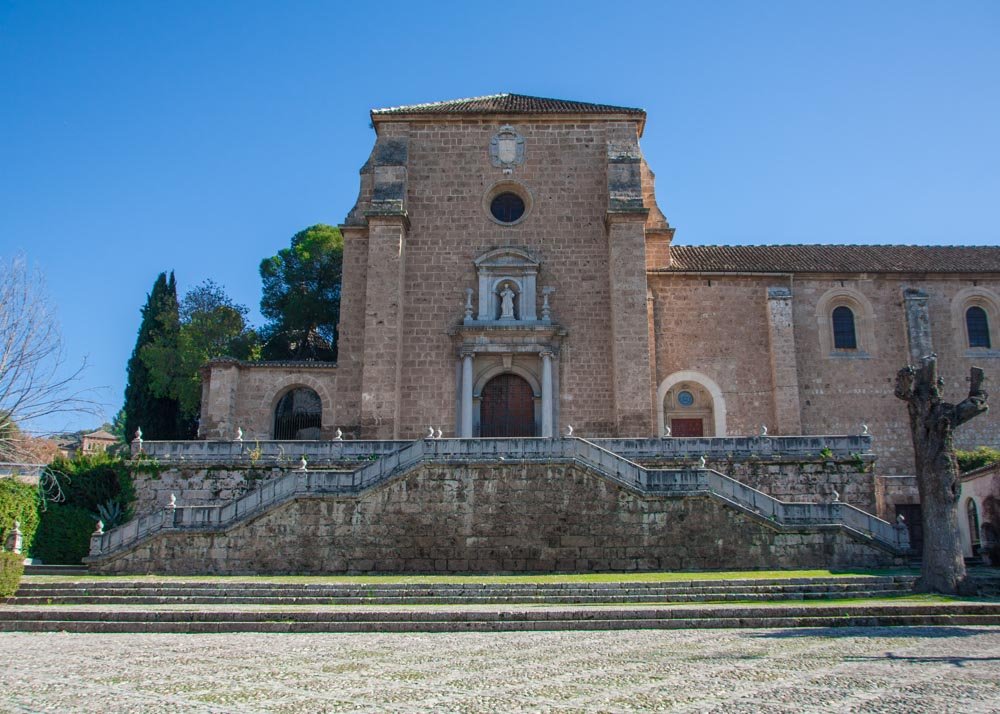
Monasterio de la Cartuja

Granada, Spain

Hidden behind high white walls on the edge of Granada, Monasterio de la Cartuja stands as a masterpiece of Spanish Baroque. Many travelers pass this quiet place by, drawn instead to more famous fortresses and bustling city streets. Inside, a slow rhythm unfolds. Sunlight drifts across marble, gilded altars shimmer, and silence deepens in each room. Here, history and art meet solitude—a space set apart from life’s usual rush.

Visiting Info

Currency
Entrance fee
6 EUR
Hours
Opening hours
Monday: 10:00 AM – 7:00 PM
Tuesday: 10:00 AM – 7:00 PM
Wednesday: 10:00 AM – 7:00 PM
Thursday: 10:00 AM – 7:00 PM
Friday: 10:00 AM – 7:00 PM
Saturday: 10:00 AM – 12:45 PM, 3:00 – 6:00 PM
Sunday: 10:00 AM – 7:00 PM

Contact Information

Location
Address
P.º de Cartuja, s/n, Beiro, 18011 Granada, Spain

Planning your visit

Organizing a trip to Monasterio de la Cartuja rewards those who prepare first. One narrow road partway up a hill leads visitors through suburban streets and orange trees. Public transport offers convenience, though many locals still prefer walking or cycling from downtown Granada for a leisurely approach. The monastery sees fewer crowds than other sites, giving most visitors room to breathe even at midday. Tickets rarely sell out, but groups sometimes gather at tour hours. Expect a tranquil site, but know that some areas hold steps or tight passages, making accessibility uneven in places.

  • Best time to visit: Late afternoon or spring mornings for softer light and quieter halls.
  • How to get there: Bus lines 8, U1, and U3 stop nearby; taxis or rideshares work well; parking is limited.
  • Accessibility: Wheelchair access is possible at the entrance, but inner rooms have old stone steps; strollers may be difficult to maneuver.
  • Average visit duration: Plan for 60 to 90 minutes to see the full monastery without rushing.

Must see stuff

Monasterio de la Cartuja invites the curious to step through centuries of devotion and creative wonder. Each cloister and chapel reveals a different side of the Carthusian monks who once lived here. Walls are thick, corridors surprisingly cool, and artistic flourishes leap out in unexpected places. The blend of silence, color, and aroma—wax, stone, incense—forms a lasting sensory memory. Some rooms cast long shadows in the late day, making precious details glow. Guided tours offer a deeper look into Carthusian traditions and secrets behind the brilliant frescoes.

  • Key sights: The ornate Sacristy with swirling marble columns and stunning painted ceilings; the main church famous for its glowing altarpiece; the peaceful cloister gardens.
  • Unique experiences: Peek inside the monks’ private cells, or explore the old refectory with its half-forgotten murals; guided tours occasionally share off-limits stories.
  • Photo-worthy locations: The golden nave window in late afternoon; the sculpted wooden choir stalls; fountain views from the courtyard.
  • Cultural or historical facts: Construction began in 1506 but continued over 300 years, blending Gothic, Renaissance, and Baroque detail. Monks here lived in near-total silence, focusing on prayer, writing, and work.

Tips for your visit

Experiencing Monasterio de la Cartuja at its quietest heightens the sense of retreat. Early arrivals benefit from nearly empty cloisters, especially on weekdays. Take breaks in the garden or shady corners to savor the calm between rooms. Some art and symbolism goes unnoticed without a quick guidebook or audio tour—bring one for deeper understanding. As with all historic places, comfortable shoes are important for stone floors, and respectful voices help keep the atmosphere serene. Signs encourage photography but ask for no flash, and all hats must come off in the main chapel.

  • Best times to avoid crowds: Tuesdays and Thursdays before noon, or just before closing time.
  • What to bring: Water bottle, camera, light scarf if temperatures dip, guidebook or audio guide.
  • Local etiquette: Low voices, no hats inside sacred areas, respect for ongoing restoration work.
  • Safety and comfort: Walk carefully on smooth floors; expect a few steps between rooms; little shade outside, so sun protection is wise in summer.