Palacio de Dar al-Horra

Palacio de Dar al-Horra

Granada, Spain
i

Palacio de Dar al-Horra

Photo by David Vidal

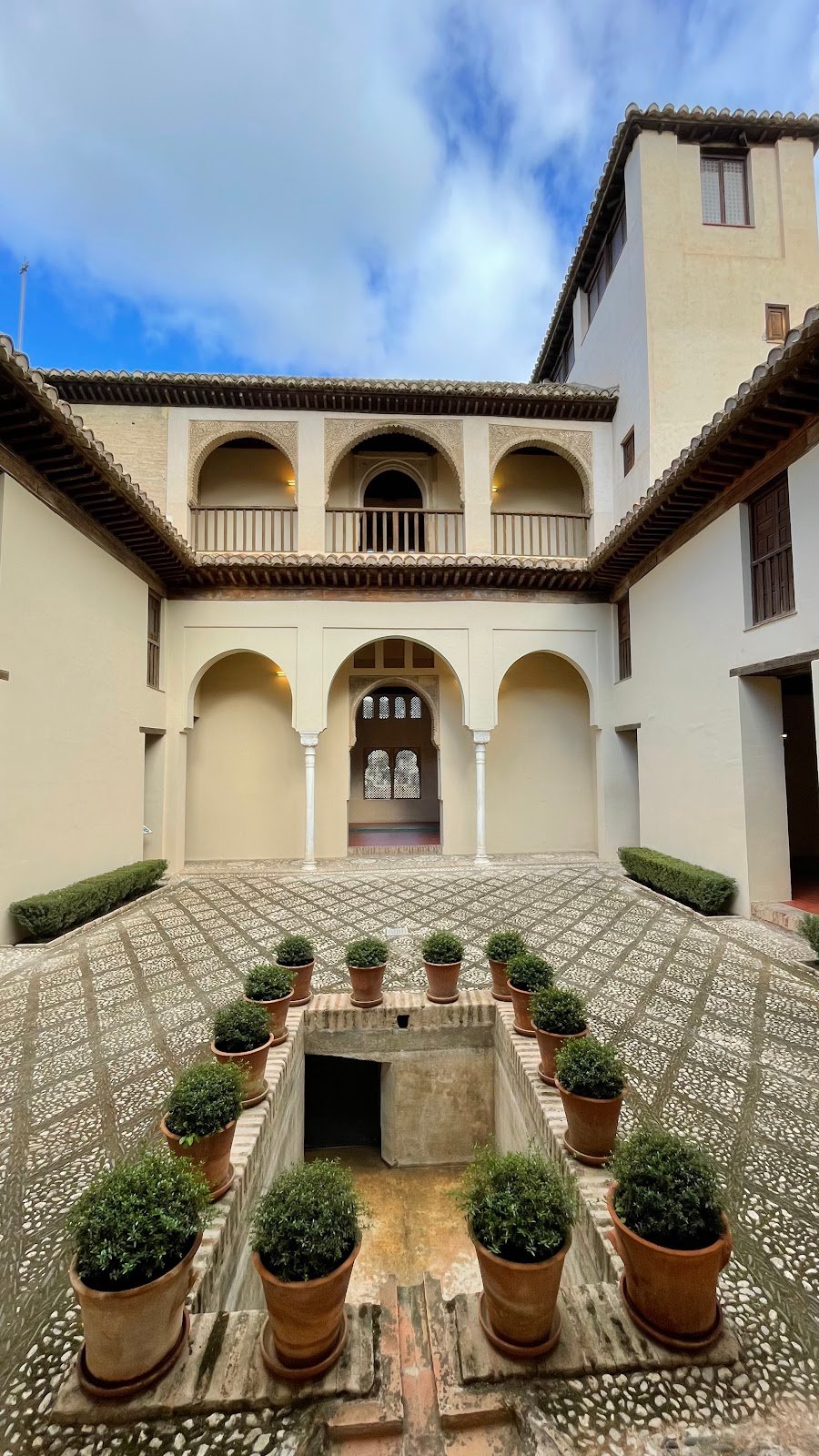
High above Granada’s bustling streets, the Palacio de Dar al-Horra whispers of another era. This hillside palace draws visitors away from tourist crowds and into the quieter rhythms of the Albaicín, offering stone archways and tranquil courtyards where Moorish queens once strolled. Among Granada’s royal relics, few places stand as intact, or as quietly enchanting, as this former residence of Sultana Aixa. While many visitors hurry past on their way to the Alhambra, those who linger here find a historic gem at the heart of one of Spain’s most evocative neighborhoods.

Visiting Info

Currency
Entrance fee
5 EUR
Hours
Opening hours
Monday: 9:00 AM – 2:30 PM, 5:00 – 8:30 PM
Tuesday: 9:00 AM – 2:30 PM, 5:00 – 8:30 PM
Wednesday: 9:00 AM – 2:30 PM, 5:00 – 8:30 PM
Thursday: 9:00 AM – 2:30 PM, 5:00 – 8:30 PM
Friday: 9:00 AM – 2:30 PM, 5:00 – 8:30 PM
Saturday: 9:00 AM – 2:30 PM, 5:00 – 8:30 PM
Sunday: 9:00 AM – 2:30 PM, 5:00 – 8:30 PM

Contact Information

Location
Address
Cjón. de las Monjas Albayzin, s/n, Albaicín, 18008 Granada, Spain

Planning your visit

The Palacio de Dar al-Horra rewards travelers who plan ahead. Crowds remain manageable most days, yet early mornings and weekday afternoons feel especially peaceful. Located in the winding Albaicín quarter, the palace sits on a steep hillside, so comfortable walking shoes help on the cobbled approach. Public buses stop a short walk away; adventurous visitors may prefer strolling from Plaza Nueva, though the uphill climb challenges even the most energetic explorers. Small in scale but rich in detail, the visit rarely takes longer than an hour, making it easy to fit into a half day of exploring Granada’s old Moorish quarter.

  • Best time to visit: Spring and fall mornings; weekdays year-round for minimal crowds.
  • How to get there: Bus C31 or C32 from central Granada; a 10-minute walk from Plaza Nueva up through the Albaicín.
  • Accessibility: Moderate; narrow stairs and uneven flooring may prove challenging for wheelchairs or those with mobility issues. Families and active seniors manage well with care.
  • Average visit duration: 45–60 minutes.

Must see stuff

Step inside Palacio de Dar al-Horra’s quiet rooms to discover a work of historic elegance and practical design. Each detail, from filigreed windows to trickling fountains, reflects the life of Granada’s last Nasrid rulers. The palace’s unassuming entrance, hidden along a narrow street, gives way to bright patios and airy halls where the architecture frames views of the Alhambra across the valley. Though less ornate than some royal palaces, the site rewards close looking and a wanderer’s eye for patterns, proportions, and the play of light on stucco walls.

  • Main patio: Sheltered by delicate arches, the central courtyard retains its original Nasrid layout, with benches and a stone pool that once cooled the summer air.
  • Mirador: The upstairs lookout offers sweeping vistas of the Albaicín rooftops, the far-off hills of the Sacromonte, and the looming bulk of the Alhambra—best late in the afternoon, when the city glows gold.
  • Queen’s chambers: Historic rooms demonstrate the calm grandeur of Moorish royal life, with carved cedar ceilings and geometric tilework still in vivid color.
  • Hidden inscriptions: Eagle-eyed visitors spot Arabic poetry and blessings carved discreetly around the palace doors and windows.
  • Photo spots: The gardened patio in morning light, views out over the Albaicín, and intricate window grilles for shadow-play images.
  • Cultural note: Originally built in the 15th century, the palace served as home to Aixa, mother of the famous last Muslim king of Granada, Boabdil.

Tips for your visit

While Palacio de Dar al-Horra attracts fewer tourists than larger landmarks nearby, smart timing and simple advance prep make a difference. Mornings generally see the lowest visitor numbers, and while tickets seldom sell out, occasional small group tours can linger in the main patio. Within the palace, signs explain key features, but a short guidebook or audio app brings history into sharper focus. Though shade is plentiful, water bottles and hats beat the Andalusian sun, especially on warm afternoons. Photography is welcome, but flash and tripods are discouraged out of respect for delicate interiors and other visitors.

  • Best times to avoid crowds: Arrive mid-morning just as doors open, or late in the afternoon when guided groups have moved on.
  • What to bring: Water for the uphill walk, a camera for architecture and city views, comfortable shoes, and a light sweater in spring or autumn.
  • Local etiquette or rules: Speak softly in the chambers; refrain from touching tilework or woodcarvings.
  • Safety and comfort: Watch for uneven steps and low doorways; benches in the courtyard offer shady rests. Take breaks in nearby Albaicín cafes after the tour for sweet mint tea and people watching.