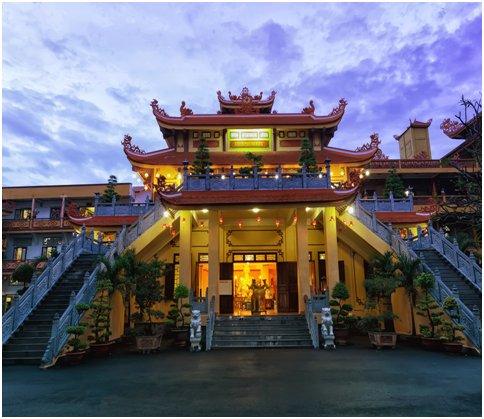
Pho Quang Pagoda

Pho Quang Pagoda

i

Pho Quang Pagoda

Photo by Tuệ Huỳnh

Colorful incense coils drift in the late morning light, while the steady hum of daily life blends with quiet chanting at Pho Quang Pagoda. Stepping through the peaceful gates, visitors find a living piece of Vietnam’s Buddhist heritage, an urban sanctuary tended by residents and monks alike. Pho Quang Pagoda invites all to pause, reflect, and wander—whether for moments of prayer, discovery, or the simple pleasure of being present in a beautiful space.

Visiting Info

Currency
Entrance fee
Free
Hours
Opening hours
Monday: 6:00 AM – 9:00 PM
Tuesday: 6:00 AM – 9:00 PM
Wednesday: 6:00 AM – 9:00 PM
Thursday: 6:00 AM – 9:00 PM
Friday: 6:00 AM – 9:00 PM
Saturday: 6:00 AM – 9:00 PM
Sunday: 6:00 AM – 9:00 PM

Contact Information

Location
Address
21 Huỳnh Lan Khanh, Phường 2, Tân Sơn Hòa, Hồ Chí Minh, Vietnam

Planning your visit

Travelers seeking moments of calm in Ho Chi Minh City often find themselves drawn to Pho Quang Pagoda’s sense of order and reverence. Planning ahead can help travelers make the most of every corner and quiet moment. While Pho Quang is open most days, mornings bring fewer crowds and a cooler breeze. The walk from Tan Son Nhat International Airport takes about 15 minutes, and public buses stop nearby as well. Low-cost taxis from central districts provide a convenient option. Families and visitors with mobility concerns should expect a few shallow steps at the entrance, but flat pathways make the grounds accessible. An hour is enough for a quick visit, but lingering longer reveals subtle details, from cracked statues to the flutter of cloistered prayer flags.

  • Best time to visit: Early morning or late afternoon during the dry season (December to April) for cooler weather and softer light.
  • How to get there: Bus lines 7, 152, and 119; Heo Ryong Taxi from District 1 and Tan Binh District; walking distance from the airport.
  • Accessibility: Mostly flat walkways; entrance has several shallow steps; suitable for most visitors, though assistance may be required for wheelchairs.
  • Average visit duration: 1–2 hours.

Must see stuff

Entering Pho Quang Pagoda, visitors are immediately struck by the gentle chaos of color and devotion. Golden Bodhisattva statues, leafy bonsai, and curling incense fill courtyard alcoves. Along the main worship hall, intricate woodwork and murals reveal stories from Buddhist lore. Many travelers notice the massive, open-air bell and drum tower, where rituals and early morning prayers echo through the compound. Photographers, history fans, and the simply curious each find their own corner to explore. Wiley visitors follow locals up side stairways to tucked-away prayer rooms and hidden altars seldom listed in guidebooks. For many, a highlight is watching local devotees present prayers or learning about ceremonial offerings from resident monks—many happy to chat, especially if approached respectfully. Sights change with the season; lunar holidays bring lantern festivals and food stalls, adding layers of activity to the peaceful grounds.

  • Key sights or features: Ornate main shrine, bell and drum tower, lotus sculptures, and bonsai gardens.
  • Unique experiences: Witnessing prayer ceremonies, exploring back rooms with vintage statues, and chatting with friendly monks during off-peak hours.
  • Photo-worthy locations: Incense-filled altars, lotus ponds, and detailed rooftop carvings.
  • Cultural or historical facts: Pho Quang Pagoda was built in the 1950s and reflects a blend of Chinese and Vietnamese Buddhist styles, serving as a center for local community events.

Tips for your visit

While Pho Quang Pagoda welcomes everyone, a few simple tips can make visiting smoother. Early arrival means quieter paths and better opportunities for photographs free of crowds. Comfortable shoes help with the uneven stone walkways, and light, respectful clothing helps visitors blend in—shoulders and knees should be covered, and shoes removed before entering worship halls. The grounds can get warm around noon, so bringing a water bottle is wise. Large bags should be kept close to avoid inconvenience. Respectful silence, especially during prayer times or ceremonies, is deeply appreciated by worshippers. Small donations may be offered at incense stations, but aggressive solicitation is rare. While some corners could use a sweep, locals believe these imperfections highlight the lived-in feeling of the pagoda, rather than distract from its peaceful beauty.

  • Best times to avoid crowds: Visit before 9 AM on weekdays or after 4 PM for a quieter experience.
  • What to bring: Water bottle, camera or smartphone, comfortable walking shoes, a sun hat, and clothing covering shoulders and knees.
  • Local etiquette or rules: Speak softly, refrain from flash photography inside prayer halls, and always remove shoes before entering main buildings.
  • Safety or comfort advice: Stay hydrated, keep personal items secure, and watch for slippery tiles during rainy days.