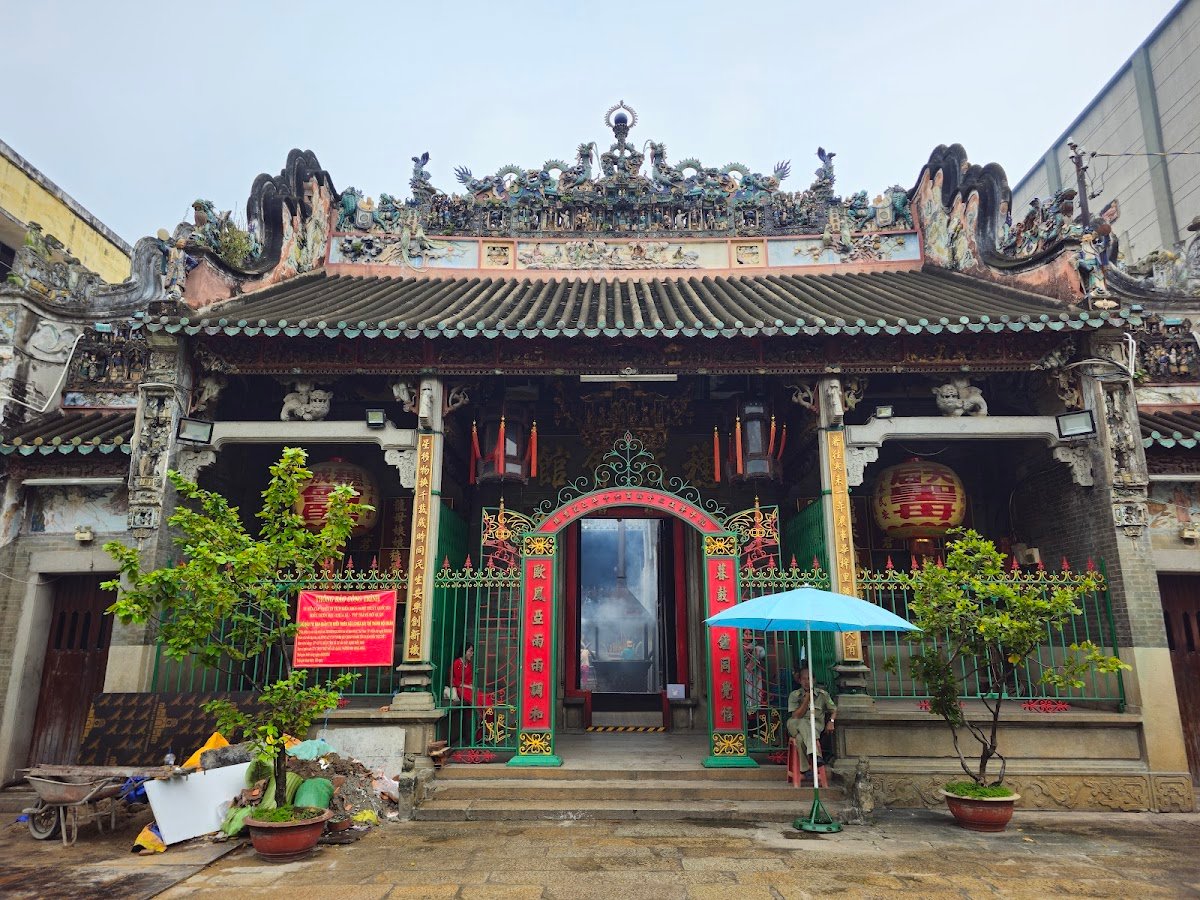
Drifting incense, red lanterns, and ancient brick walls set Thien Hau Pagoda apart as a cultural treasure. The air inside hums with prayers and quiet respect, blending Chinese, Vietnamese, and Cantonese traditions under one roof. Each corner reveals a layer of devotion, generations of history, and an echo of the lives shaped within its ochre walls. The experience promises far more than photographs—it’s a portal to a spiritual community still thriving in modern Saigon.
Travelers curious about Thien Hau Pagoda will find planning the visit straightforward. Located in the bustling heart of Cholon’s District 5, the pagoda is well-connected by bus, taxi, and ride-sharing apps. The busiest periods coincide with Chinese lunar holidays and weekend afternoons. Early mornings, fragrant with fresh offerings and soft sunlight, offer a chance for peaceful exploration. No admission ticket is required, but respect for worshippers remains key. The grounds, though compact, are easy to walk for most visitors, but some narrow passages may challenge strollers or wheelchairs. Expect an immersive hour; linger longer, and subtler rituals reveal themselves.
- "
+ "
- Best time to visit: Morning hours or weekdays for fewer crowds; festivals like Tet Nguyen Tieu for vibrant celebrations " + "
- How to get there: Taxis, buses (lines 1, 25, 39), or a short walk from Binh Tay Market; parking available on nearby streets " + "
- Accessibility: Moderate; limited for wheelchairs, manageable for most families and seniors " + "
- Average visit duration: 45 minutes to 1.5 hours " + "
Every visit to Thien Hau Pagoda starts under the green-tiled gate, guided by stone lions and the drifting scent of incense. Within the temple walls, detailed wood carvings and elaborate ceramic friezes decorate the rooftops—each element tells a story. Worshippers, from old Cantonese families to curious newcomers, come to honor the sea goddess Thien Hau. Eyes follow smoke rising to the open sky, past prayer coils hanging overhead. Engravings, hidden altars, and a small garden add further wonder. For anyone keen on photography or local culture, these highlights shouldn’t be missed:
- "
+ "
- Main ceremonial hall: Home to Thien Hau’s statue, gilded and surrounded by fragrant incense coils " + "
- Ceramic dioramas on the roof ridge: Hand-crafted scenes from Chinese folklore " + "
- Rear courtyard: Tranquil, often overlooked, perfect for quiet conversation or contemplation " + "
- Photo-worthy spots: Arched gateways, rooftop dragons, sunbeams filtering through incense smoke " + "
- Cultural note: Over 250 years old, funded by the local cantonese community for sailors and migrants seeking safe passage " + "
With a little planning, a trip to Thien Hau Pagoda becomes richer and smoother. Arriving outside peak times means more space for observation and plenty of opportunities for authentic snapshots. Simple courtesies go far; low voices, modest attire, and a respectful pace please both locals and fellow visitors. Photographing rituals is allowed in most areas, but some elders prefer privacy. The tiled floors sometimes become slick during rain, so prepare with careful steps. Local shops nearby, offering dumplings, sweet soup, or bundles of fresh flowers, round out the sensory feast.
- "
+ "
- Best times to avoid crowds: Tuesdays to Thursdays, between 7 and 10 a.m. " + "
- What to bring: Bottled water, hat for shade, comfortable shoes, camera or phone " + "
- Local etiquette: Remove hats inside ceremonial halls; avoid loud conversations; ask before joining incense offerings " + "
- Safety and comfort: Watch for uneven stones; tuck away valuables; bring tissues for occasional smoke or humidity " + "
Visiting Info


Contact Information


Loading map...