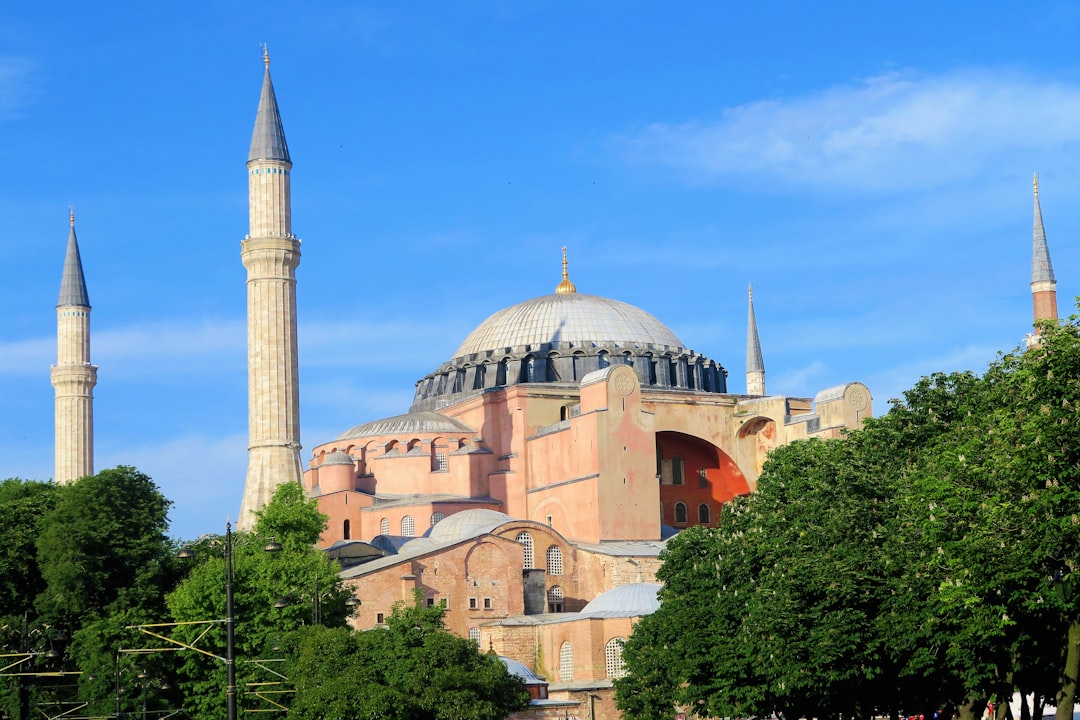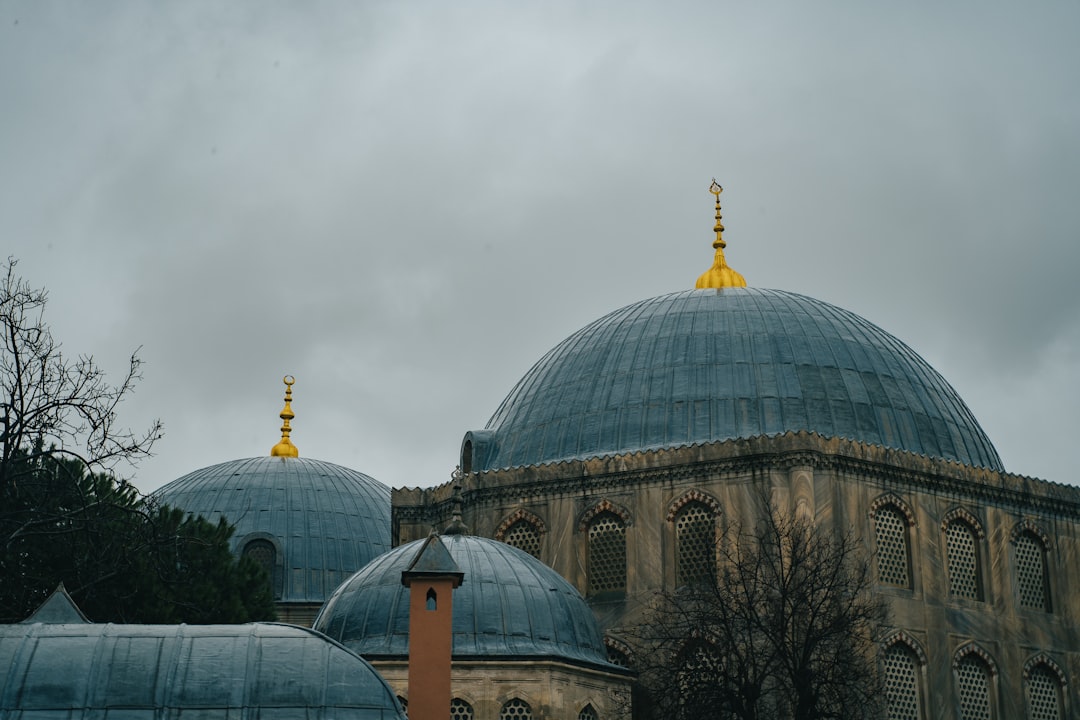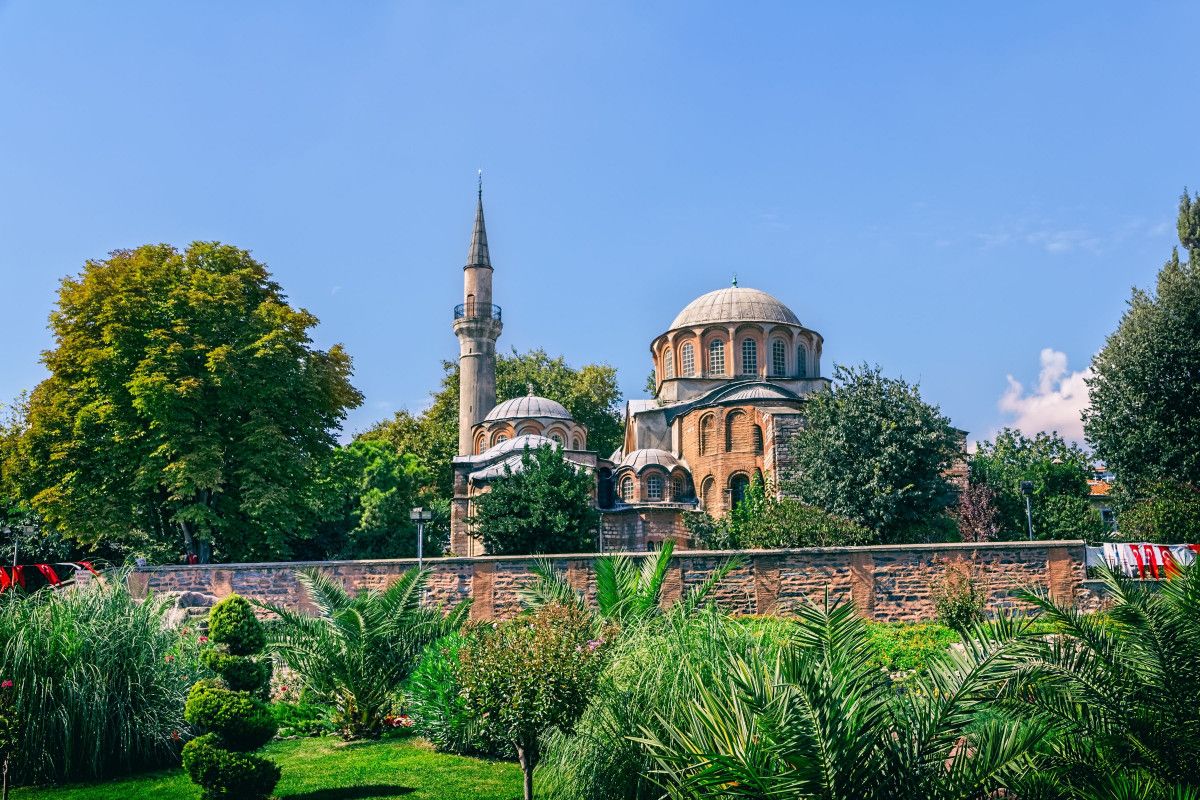
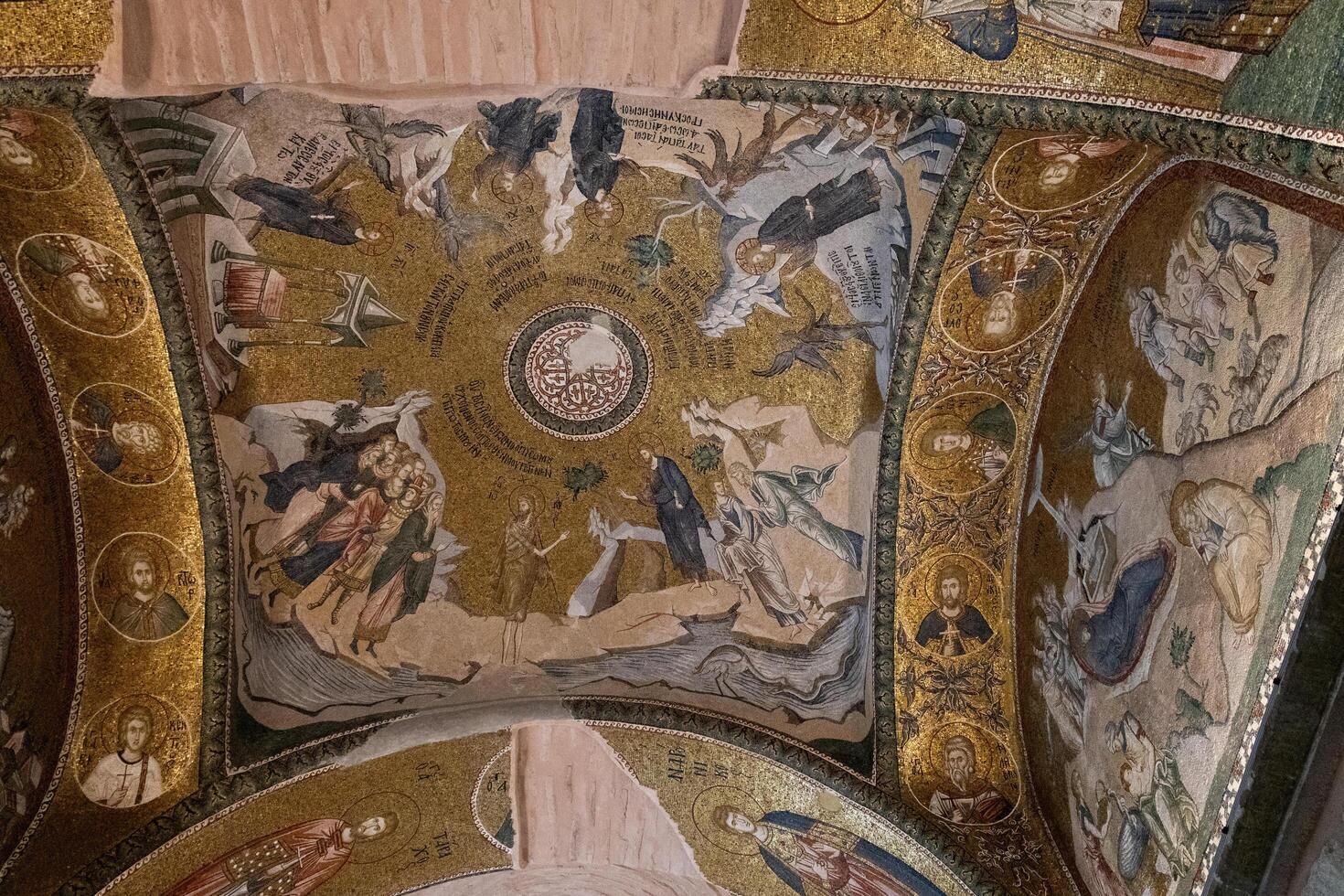
Kariye Mosque, Byzantine church with stunning mosaics
Kariye Mosque, Historic site featuring intricate frescoes

Kariye Mosque

Istanbul, Turkey
i

Kariye Mosque, Byzantine church with stunning mosaics

Behind stone walls and historic trees, Kariye Mosque offers a journey through centuries of faith, art, and turbulent history. Visitors will find a living museum—one that whispers Byzantine secrets and shimmers with golden mosaics, yet welcomes prayers today. In this quiet corner of Istanbul, the past and present layer over one another, inviting exploration well beyond the guidebook gloss.

Visiting Info

Currency
Entrance fee
Free

Contact Information

Location
Address
Derviş Ali, Kariye Cami Sk. No:18, 34087 Fatih/İstanbul, Türkiye

Planning your visit

Planning a visit to Kariye Mosque rewards those who carve out a relaxed half-day. The complex, nestled in Edirnekapı, escapes the fevered crowds of Sultanahmet. Most travelers arrive by taxi or bus, but patience helps—narrow neighborhood streets and hills play games with smartphones and maps. Renovations sometimes close sections with little warning, but the gifts inside are worth the trouble. Expect modest entry fees for visitors not attending prayers. While the mosque’s location feels tucked away, the nearby street life sparks curiosity, with bakers, tea houses, and street cats keeping drivers and tourists equally on their toes.

  • Best time to visit: Mornings or late afternoons on weekdays in the spring or autumn; fewer crowds and atmospheric light.
  • How to get there: Bus 31E or 36KE from Eminönü, or a 15-minute taxi ride from the city center. Some metro lines connect nearby, but plan on a brief uphill walk.
  • Accessibility: Cobblestone streets and a few stairs; main halls suit most families and seniors, though some areas remain challenging for wheelchairs.
  • Average visit duration: 1 to 1.5 hours inside, longer with a stroll in nearby Fatih’s backstreets.
Must see stuff

Inside Kariye Mosque, surprises greet visitors at every turn. The building’s modest brick exterior conceals one of the world’s greatest collections of Byzantine mosaics and frescoes, crafted before the Ottoman conquest and lovingly restored after centuries of wear. Formerly a church and museum, the landmark retains a spiritual magnetism, even as its role changes. While some famous artworks are occasionally protected behind covered panels, many remain visible, especially outside prayer times. Views outside, toward the ancient city walls, frame perfect moments for reflection and photography.

  • Key sights: The dazzling Christ Pantocrator dome; the intricate mosaics in the inner narthex; the tender Dormition of the Virgin fresco.
  • Unique experiences: Spotting sunbeams bounce off gilded tiles; joining a short, informal English-language tour; pausing in the peaceful courtyard lined with rose bushes.
  • Photo-worthy locations: Under the main dome, the mosaic of the genealogy of Christ; the tiny side chapel, glowing in afternoon light.
  • Cultural facts: The Kariye was founded as a Byzantine monastery in the 4th century, became a mosque after 1453, and served as a celebrated museum for decades. Its art survived layers of plaster and rediscovery.

Tips for your visit

To make the most of a Kariye Mosque visit, come with curiosity and a few preparations. Comfortable shoes help with the uneven floors and neighborhood hills, while a lightweight scarf covers heads as required during prayer times. Some interior mosaics may be veiled due to religious observances, but kind staff often point out the best visible details. Nearby tea gardens—frequented by locals—offer simple refreshments at regular prices. Expect a quiet pace and honest hospitality. The surrounding area, less polished than big tourist zones, rewards those eager to wander a little off-script.

  • Best times to avoid crowds: Early mornings and midweek; avoid public holidays and Friday midday prayers.
  • What to bring: Water, camera or good phone; scarf for head covering; comfortable, non-slip shoes.
  • Local etiquette: Dress modestly; lower your voice; ask before photographing people or worshippers.
  • Safety and comfort: Watch your step on old stones; keep valuables secure; enter with patience—short waits are sometimes needed during services or restoration work.

Similar Attractions