Explore the stunning architecture of Gaitore Ki Chhatriyan, a historic landmark in Jaipur, India.
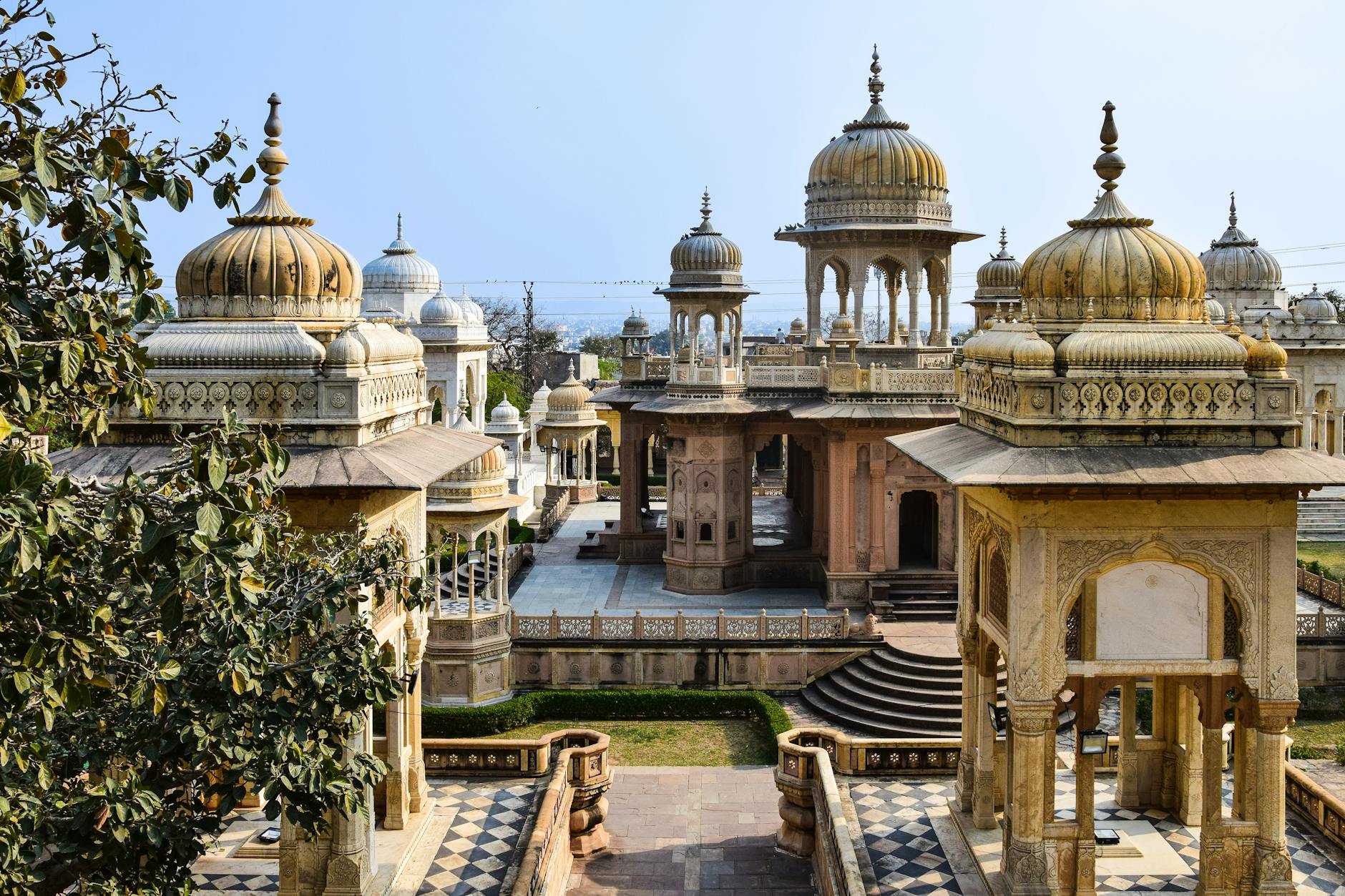
Majestic domed cenotaphs at Gaitor Ki Chhatriyan in Jaipur, India, showcasing intricate architecture.
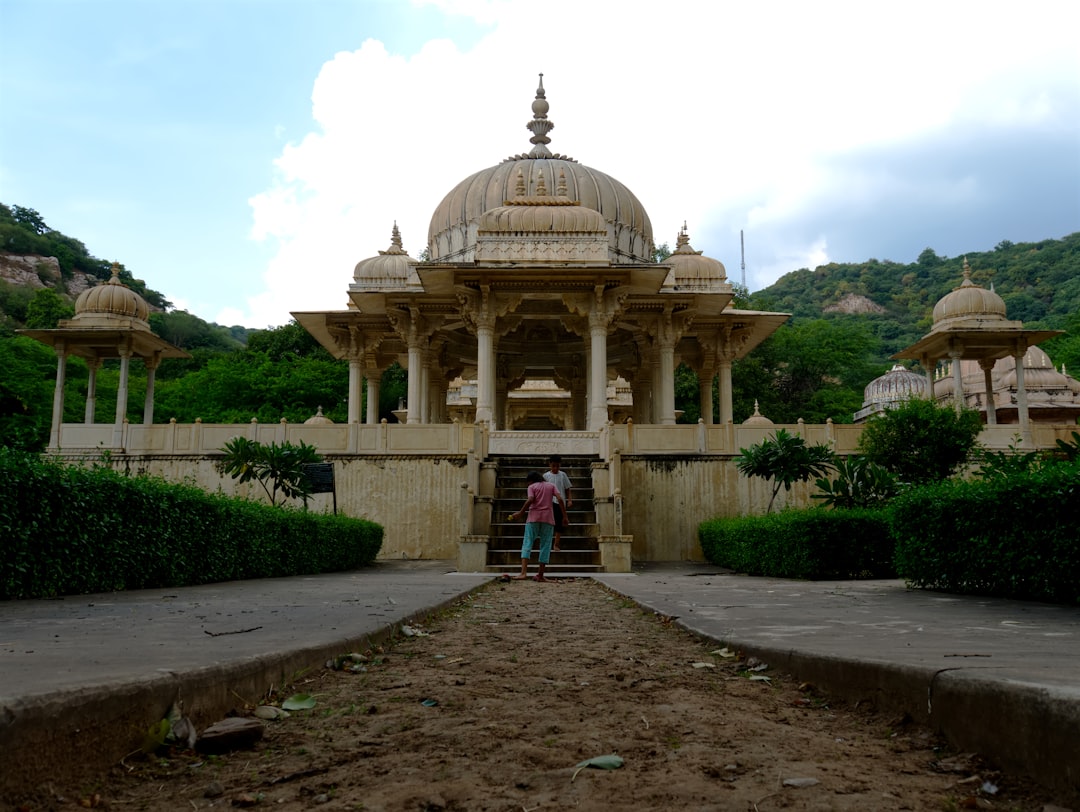
Ornate pavilion with a person on steps

Gaitor Ki Chhatriyan

Jaipur, India
i

Explore the stunning architecture of Gaitore Ki Chhatriyan, a historic landmark in Jaipur, India.

Photo by AXP Photography

Nestled at the edge of Jaipur’s bustling streets, Gaitor Ki Chhatriyan provides a peaceful counterpoint to the city’s usual rush. This historic royal cremation ground, shaded by centuries-old trees, holds the elegant memorials of Rajasthan’s rulers. Stone pavilions and intricate carvings fill the space with quiet dignity, drawing travelers who seek beauty off the beaten path. Here, traces of Rajput tradition linger—in every carved arch and every whisper of the wind through marble corridors.

Visiting Info

Currency
Entrance fee
30 INR
Hours
Opening hours
Monday: 9:30 AM – 4:30 PM
Tuesday: 9:30 AM – 4:30 PM
Wednesday: 9:30 AM – 4:30 PM
Thursday: 9:30 AM – 4:30 PM
Friday: 9:30 AM – 4:30 PM
Saturday: 9:30 AM – 4:30 PM
Sunday: 9:30 AM – 4:30 PM

Contact Information

Location
Address
309B, Mangala Rd, Bada Akhada, Krishna Nagar, Brahampuri, Jaipur, Rajasthan 302002, India

Planning your visit

Those planning a journey to Gaitor Ki Chhatriyan will find the site easily accessible, yet rarely crowded by tourist groups. Located just outside Jaipur’s busy core, it sits about 15 minutes from the heart of the Pink City. A quick ride from bustling neighborhoods carries visitors to a serene oasis. Entry fees are minimal, and the grounds remain mercifully uncrowded throughout much of the year. Expect only a few fellow explorers, local photographers, and the occasional monkey for company.

  • Best time to visit: Early morning or late afternoon, especially October to March, when weather stays cooler and light flatters the sandstone pavilions.
  • How to get there: Rickshaw, taxi, or rideshare from Jaipur’s walled city; local buses serve the area but may require a short walk.
  • Accessibility: The main paths are uneven, so visitors with mobility challenges may need assistance. Families and seniors can still enjoy the main sights with care.
  • Average visit duration: About 45 minutes to 1.5 hours, depending on how deeply you linger among the chhatris.

Must see stuff

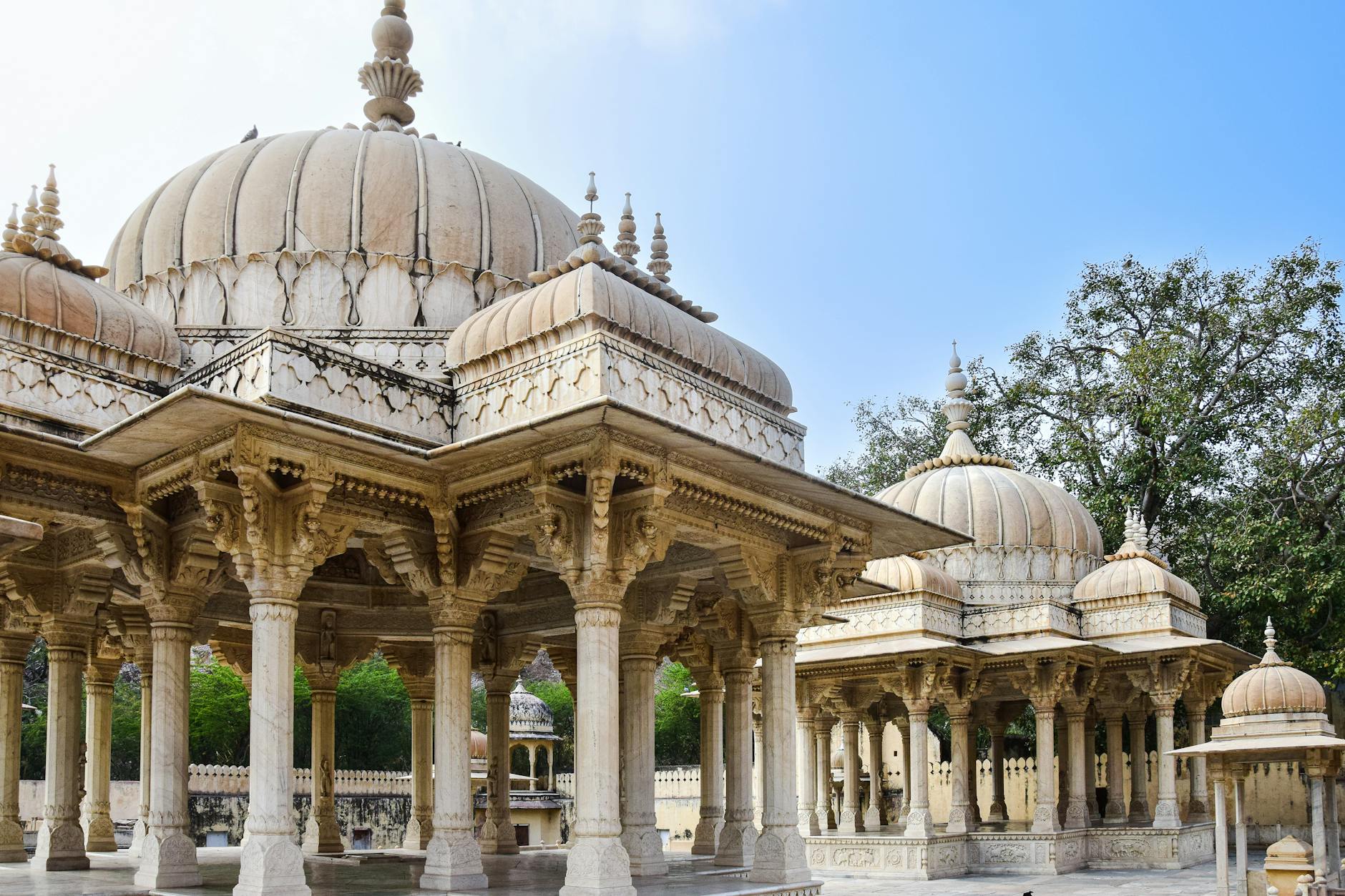
Gaitor Ki Chhatriyan’s main draws are its striking cenotaphs—a display of delicate stonework honoring generations of Jaipur’s royal lineage. Dozens of dome-shaped pavilions stand gracefully against the Aravalli hills, each one marking the memory of a maharaja or noble. Unlike Jaipur’s grand forts and palaces, the charm here comes from intimate details. Carvings, lattice screens, and silent courtyards evoke a softer, poetic slice of Rajasthan’s past. There’s room to roam without crowds, with plenty of time to let eyes wander over every sculpted surface.

  • Key sights: The marble cenotaph of Maharaja Sawai Jai Singh II, the most ornate and revered structure, and several smaller chhatris scattered across tree-lined lawns.
  • Unique experiences: Pausing in the shaded alcoves to listen to fluting birds; stumbling across lesser-known chhatris with barely visible, centuries-old inscriptions.
  • Photo-worthy locations: The symmetrical arches and domes framed by sunrise or sunset light, and panoramic views capturing Jaipur’s old city in the background.
  • Cultural facts: Chhatris were built as grand memorials, blending Mughal and Rajput design; each sculpture tells a story of royal legacy and devotion.

Tips for your visit

A bit of preparation goes a long way at Gaitor Ki Chhatriyan. With only a few shaded spots and little in the way of modern tourist facilities, comfort rests in the small things visitors bring along. The location feels a world apart, but small details—like uneven ground, sudden afternoon heat, or the occasional monkey—call for attention. Wandering respectfully through the memorials rewards travelers with both beauty and calm.

  • Best times to avoid crowds: Weekday mornings before 10am, or just before sunset when light softens the marble and most tours have left.
  • What to bring: Water, a hat, sunscreen, and comfortable walking shoes; a camera or phone for the many photogenic moments.
  • Local etiquette: Dress modestly and speak quietly, as the grounds are sacred and sometimes used for family prayers or rituals.
  • Safety and comfort: Keep an eye on loose stones; the grounds are generally safe but watch belongings and avoid feeding local monkeys.