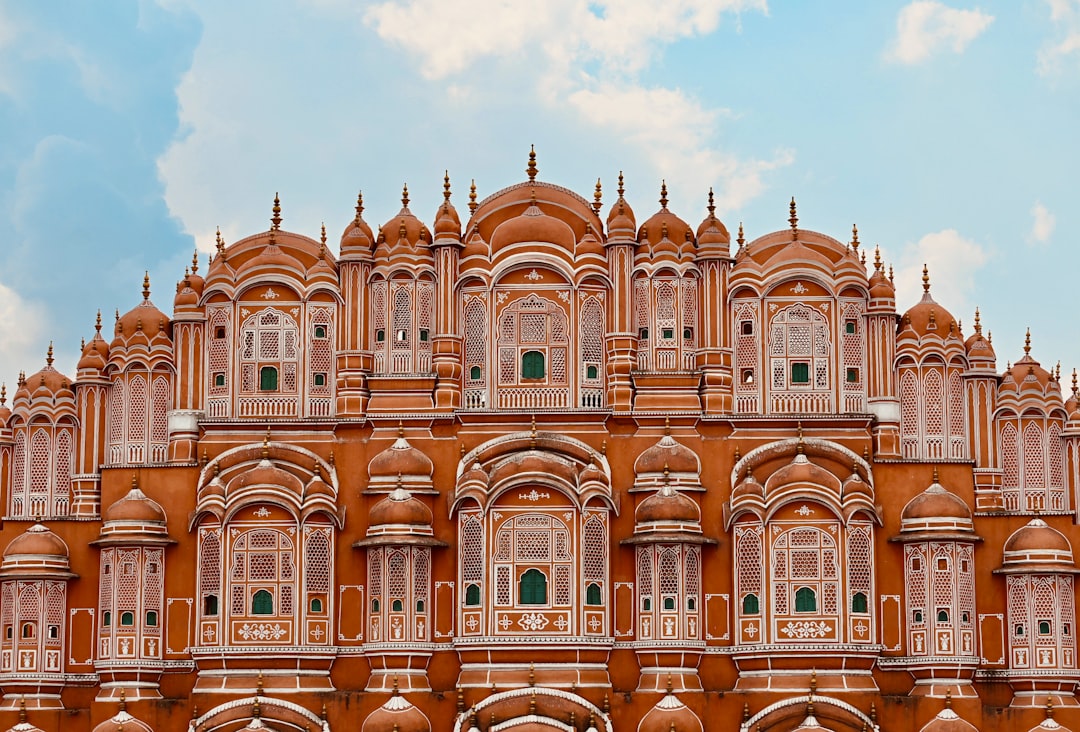
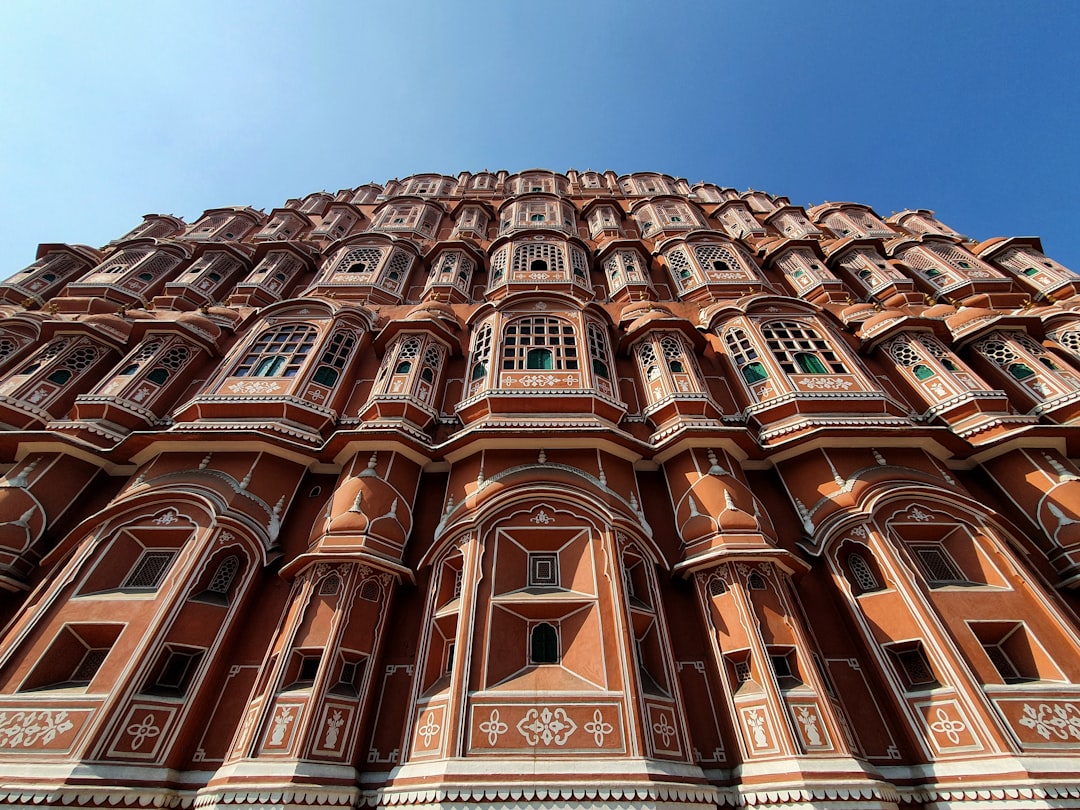
a very tall building with many windows and arches
Hawa Mahal with many windows

Hawa Mahal

Jaipur, India
i

a very tall building with many windows and arches

Photo by Jayanth Muppaneni

In the heart of Rajasthan stands a monument known for its honeycomb façade and fluttering latticework—Hawa Mahal. This landmark rises from the city’s tangled streets, drawing travelers by the thousands. Its name means ‘Palace of Winds,’ but to see it shimmering pink at sunrise, or to wander through shadowy chambers once designed for royal women, gives just a hint at its mysteries. Every arched window creates a whisper of history, inviting newcomers to look closer and step gently into Jaipur’s living past.

Visiting Info

Currency
Entrance fee
200 INR
Hours
Opening hours
Monday: 9:00 AM – 7:00 PM
Tuesday: 9:00 AM – 7:00 PM
Wednesday: 9:00 AM – 7:00 PM
Thursday: 9:00 AM – 7:00 PM
Friday: 9:00 AM – 7:00 PM
Saturday: 9:00 AM – 7:00 PM
Sunday: 9:00 AM – 7:00 PM

Contact Information

Location
Address
Hawa Mahal Rd, Badi Choupad, J.D.A. Market, Pink City, Jaipur, Rajasthan 302002, India

Planning your visit

Thoughtful planning goes a long way when setting out to explore Hawa Mahal. Mornings and late afternoons send golden light across its façade, while the midday sun can make the narrow corridors surprisingly warm. Hawa Mahal sits in Jaipur’s old quarter, with tuk-tuks or rickshaws weaving right up to its doorstep. Expect plenty of enthusiasm from local guides, street vendors, and fellow travelers—especially on weekends or during regional festivals. While the outer view is free to admire, entry inside requires a ticket, and climbing the internal ramps may be tricky for some visitors. Families and seniors will want to plan for occasional stairs and crowded passages, but the palace’s unforgettable charm always shines through.

  • Best time to visit: October to March, or early mornings any time of year for softer light and smaller crowds
  • How to get there: Easily reached by taxi, rickshaw, or local bus from anywhere in Jaipur
  • Accessibility: Some ramps and narrow stairs; limited wheelchair access in upper levels
  • Average visit duration: 1–2 hours at a relaxed pace

Must see stuff

Stepping inside Hawa Mahal, visitors find themselves surrounded by the delicate patterns of more than 900 jharokhas—tiny screened windows that make the palace so famous. Soft pink sandstone, intricate floral carvings, and echoing havelis create a sense of wonder. Beyond the main façade, the palace opens into hidden courtyards, winding ramps, and small royal chambers that once held courtly life. Guides can share legends about Maharaja Sawai Pratap Singh, who built the palace in 1799, and explain why these windows allowed royal women to observe city life, unseen by the crowds below. Don’t just stop outside for selfies—higher floors open onto panoramic balcony views of Jaipur, where pigeons wheel over the City Palace and Nahargarh Fort in the distance.

  • Key sights: Main facade with its five stories and 953 windows; the panoramic rooftop terrace; cooling courtyards inside
  • Unique experiences: Early-morning or sunset visits for glowing photographs; guided audio tours; climbing the gently sloping ramps
  • Photo-worthy locations: From the street for the classic shot, and from upper floors looking down at the busy markets below
  • Cultural facts: Built for the royal zenana (women's quarters); the latticework channels cooling breezes, a design tailored for Rajasthan’s heat

Tips for your visit

Hawa Mahal rewards patient visitors. Crowds gather around noon and on weekends, so arriving early offers a quieter, more personal encounter with the palace’s details. Bring a camera, water bottle, and sturdy shoes—marble floors may be slippery in places. Many find shade in the arcades below after climbing to the higher floors. Modest clothing shows respect for the local culture, and removing shoes may be expected inside certain areas. Restrooms and refreshment stalls are nearby but sometimes lack the sparkle of modern facilities. The surrounding market teems with life, from textile merchants’ color-splashed stalls to families bargaining beneath circus-bright awnings. Keep small change handy and watch your step when navigating lively walkways.

  • Best times to avoid crowds: Early morning, weekdays, and outside of festival season
  • What to bring: Water, hat, camera, comfortable shoes
  • Local etiquette: Dress modestly, avoid loud voices, ask before photographing people
  • Safety tips: Mind stairs and ramps, and keep personal items secure in busy market lanes