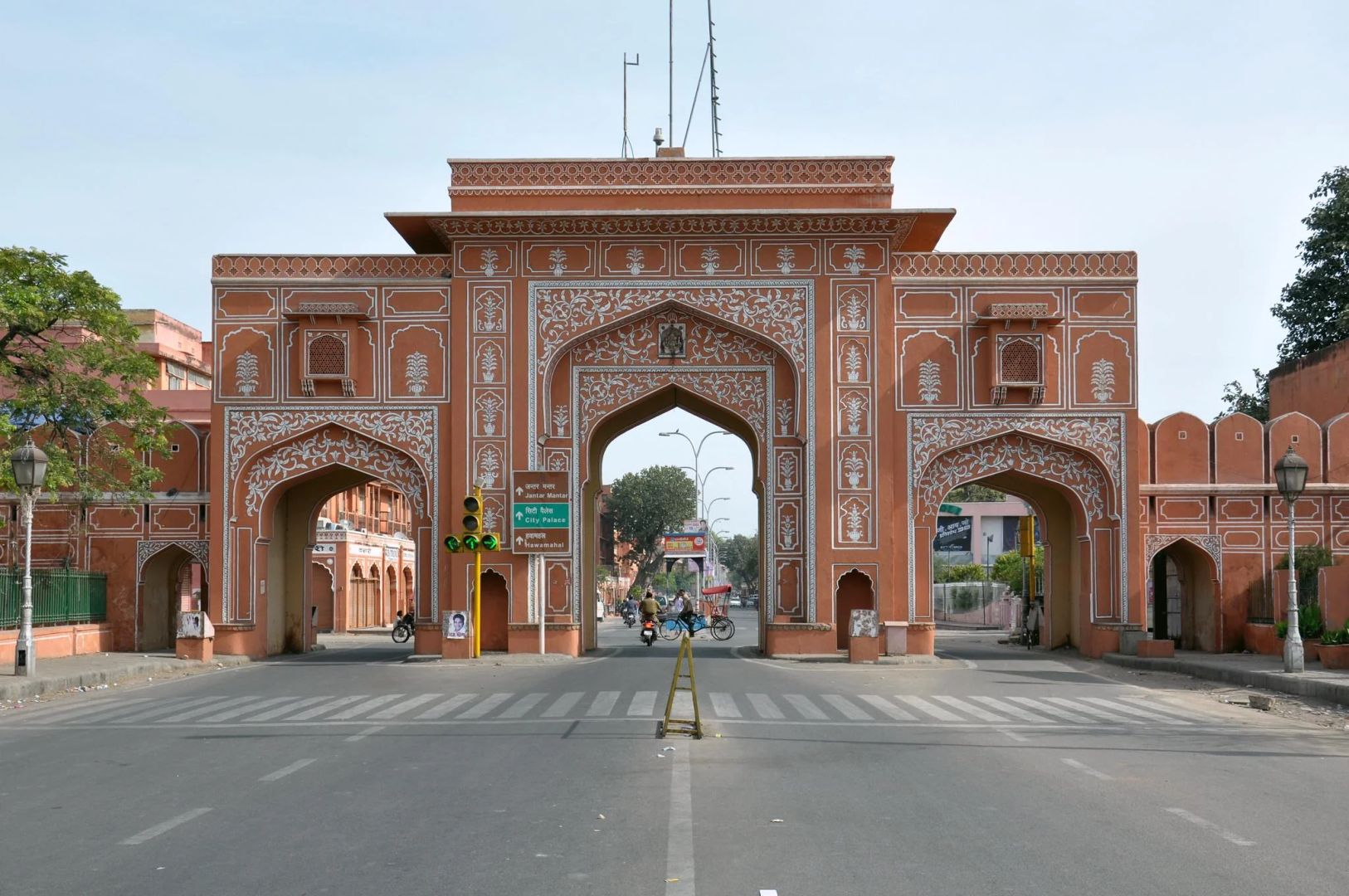
Beautiful view of Sanganeri Gate

Sanganeri Gate

Jaipur, India
i

Beautiful view of Sanganeri Gate

Among Jaipur’s historic gateways, Sanganeri Gate stands as both entrance and symbol—marking the transition from the old walled city to the lively chaos of daily life. More than an architectural checkpoint, this ornate portal becomes a stage for clashes of color and commerce, tradition and modern traffic. While many pass through Sanganeri Gate unaware, those who stop discover living history etched in stone, market stalls, rituals, and the rhythms of local life surrounding every arch.

Visiting Info

Currency
Entrance fee
Free

Contact Information

Location
Address
Sanganeri Gate, Pink City, Jaipur, Rajasthan 302003, India

Planning your visit

To make the most of a Sanganeri Gate trip, a little preparation goes a long way. Jaipur’s old city can feel busy at first, especially around big landmarks. During early mornings and late afternoons, the crowds thin, merchants set up, and the golden light brings out the delicate colors of the gate. Arriving by tuk-tuk or bicycle rickshaw drops visitors right into the action, while city buses have stops within walking distance. Most travelers spend about 60 to 90 minutes here, exploring both the gate and surrounding bazaar, though nearby temples or snack stalls easily tempt a longer stay. Accessibility isn’t perfect, but the gate’s wide entrance and flat terrain offer welcome to families, older travelers, and anyone curious to explore at a gentler pace.

  • Best time to visit: Early morning or just before sunset from October to March
  • How to get there: Tuk-tuks, bicycle rickshaws, city bus, private car (parking can be tricky)
  • Accessibility: Suitable for families and seniors; wheelchairs may need assistance due to uneven paving
  • Average visit duration: 60–90 minutes

Must see stuff

While Sanganeri Gate’s majestic exterior demands a look, the real experience starts by following locals through its arches. Florists, street-food vendors, and sari sellers cluster on both sides. Look up to see faded Mughal-era artwork beneath the arches. Around the gate, centuries-old stone merges with the vibrant Marwari Bazaar, where tailors, spice sellers, and jewelers have worked for generations. Photographers often linger here, catching the play of light and color on the gate’s carved plaster or the sea of umbrellas outside. Historians note that Sanganeri Gate once protected the city’s southern edge—the nearby Hanuman Temple attests to this legacy.

  • The gate’s painted ceilings: Mughal floral motifs and peeling frescoes above foot traffic
  • Flower and textile markets: Stalls surround the area for striking photos and affordable souvenirs
  • Local snack stalls: Find piping-hot kachoris, fresh jalebis, and kulfi in the lanes just beyond the gate
  • Sunset views: Soft Jaipur light on the pink stone appeals to photographers and Instagram fans
  • Cultural link: Hanuman Temple nearby shares centuries-old rituals tied to the city’s founding

Tips for your visit

A visit to Sanganeri Gate rewards those who prepare just a bit. Early risers see the gate in peace, though afternoons offer swirling street scenes at their busiest. Good walking shoes are a must—while most areas are flat, unexpected steps and stones dot the path. Carrying a small bottle of water eases hot days, and a camera comes in handy for flower and fashion photography. Respect local customs; modest clothing suits this heritage zone and temples nearby. Traffic around the gate can seem frantic but crossing is manageable with patience. Ladies traveling alone find the area busy but welcoming, though pickpockets appear on busy festival days—watch your bag.

  • Best times to avoid crowds: Before 9:00 AM or after 6:00 PM
  • What to bring: Camera, water, sun hat, and sturdy shoes
  • Etiquette: Dress modestly and step aside for worshippers entering temples
  • Safety: Keep valuables secure and stay aware at street crossings