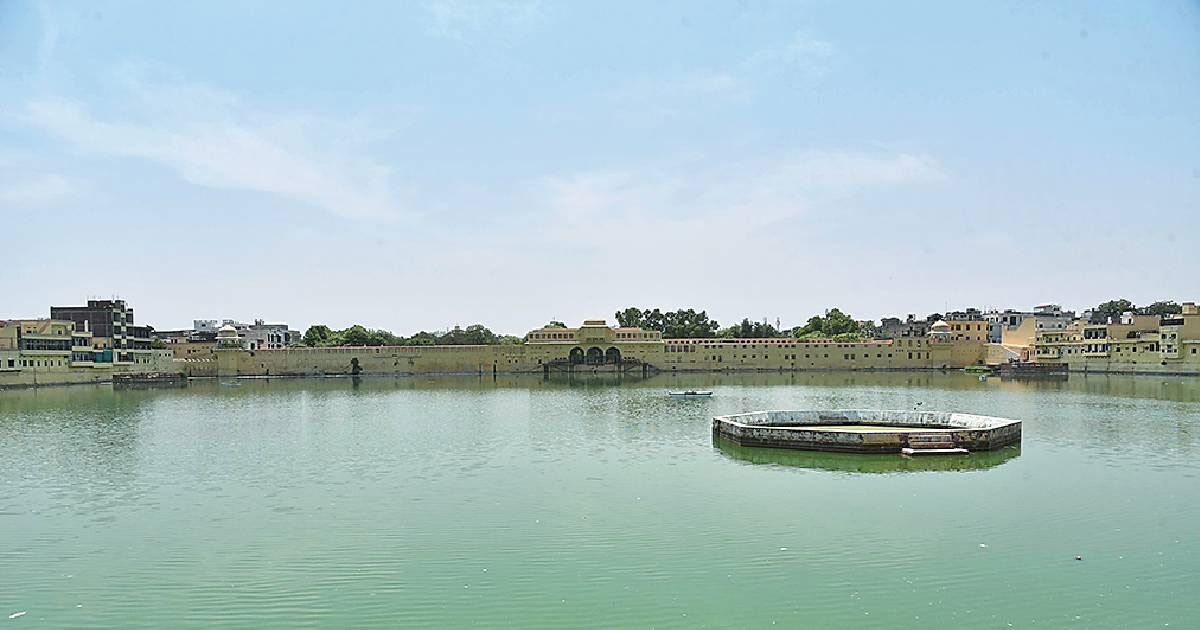
Beautiful view of Tal Katora Lake

Tal Katora Lake

Jaipur, India
i

Beautiful view of Tal Katora Lake

Hidden between Jaipur’s bustling markets and historical forts, Tal Katora Lake offers a different tempo. This urban reservoir, originally built for water conservation centuries ago, has transformed into a peaceful escape that hums with local life. Here, visitors find reflections of ancient city walls in still waters, mingle with birdwatchers at dawn, and join families enjoying the shade. For those seeking both beauty and quiet, Tal Katora Lake invites exploration beyond the usual Jaipur itinerary.

Visiting Info

Currency
Entrance fee
Free
Hours
Opening hours
Monday: Open 24 hours
Tuesday: Open 24 hours
Wednesday: Open 24 hours
Thursday: Open 24 hours
Friday: Open 24 hours
Saturday: Open 24 hours
Sunday: Open 24 hours

Contact Information

Location
Address
388, Talkatora Rd, Rajhans Colony, Tripolia Bazar, Kanwar Nagar, Jaipur, Rajasthan 302002, India

Planning your visit

Careful planning helps travelers make the most of a trip to Tal Katora Lake. Early mornings or late afternoons bring cooler temperatures and fewer visitors. The lake sits near the heart of Jaipur, making access by auto-rickshaw, taxi, or even public buses convenient. While there is no entry fee and no crowds like Jaipur’s main palaces, weekends see more families and joggers. Outdoor seating is limited, and no formal shops line the shore, so come prepared. Wheelchair access is fair on the nearby walkways, but some stairs and uneven paths can create challenges. Budget around an hour to wander, sit, and soak up the scenery.

  • Best time to visit: October to March for pleasant weather; sunrise and sunset for calm scenes
  • How to get there: Easily reached by local taxi, auto-rickshaw, bus; walking distance from Ram Niwas Garden
  • Accessibility: Flat walkways for families or seniors, though steep paths in some corners
  • Average visit duration: 45 minutes to 1.5 hours
Must see stuff

Tal Katora Lake’s charm lies in its layers—natural beauty, local life, and centuries-old history blended into one. Stone embankments curve around calm waters, leading to shady gardens where neighbors picnic or practice morning yoga. The view of Nahargarh Fort peeking above city walls feels almost cinematic as a backdrop. Clustered at one end, visiting flocks of migratory birds draw photographers. On the western bank, quiet temples add a spiritual note without ceremony or crowds. Farther along the lake’s walking paths, discover painted pavilions peeking out from trees—spots less photographed but perfect for reflection. Throughout, Tal Katora’s relaxed pace invites travelers to slow down and notice details bigger attractions often miss.

  • Key sights: Historic embankments, gardens shaded by old trees, temple shrines, Nahargarh Fort skyline
  • Unique experiences: Birdwatching at dawn; chatting with local fitness groups; quiet reading on lakeside benches
  • Photo-worthy spots: Sunrise reflections in the lake; painted pavilions and banyan trees; view of pink city walls behind the water
  • Cultural facts: Constructed in the 18th century for water storage; named “Tal Katora” for the bowl (“katora”) shape collecting rainwater from the surrounding hills; still used for urban water management

Tips for your visit

Exploring Tal Katora Lake becomes richer with thoughtful preparation. Early mornings reward visitors with quiet and cleaner air before the city wakes. Jaipur’s sun can be sharp—bring sunscreen, water, and good walking shoes for brick paths and occasional dust. Photography is welcome and encouraged, but be mindful at temple shrines, where some locals prefer privacy during worship. Trash bins sit near main gates but rarely elsewhere, so pack out what you bring. While the area feels safe, wandering after dark is not advised since lighting is sparse. The lake area stays calm and friendly, especially on weekdays. A picnic is possible—just remember, no shops or snack stalls line the shore.

  • Best times to avoid crowds: Arrive before 8 a.m. or after 5 p.m. on weekdays
  • What to bring: Water, hat, sunscreen, light snacks, camera, binoculars for birdwatching
  • Local etiquette: Speak quietly near shrines; greet joggers and families with a nod or smile
  • Safety and comfort: Stick to main paths after dusk, watch out for stray dogs, pack out trash