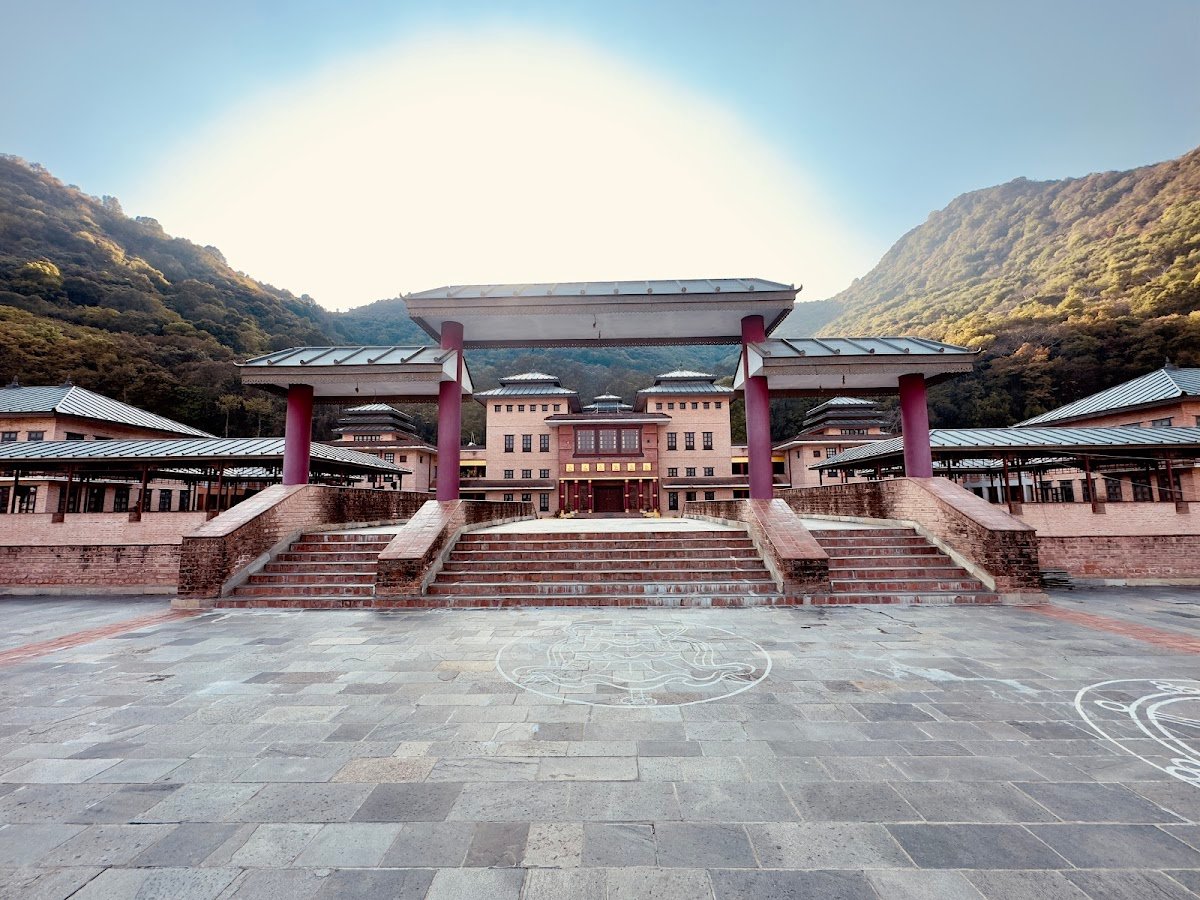
Sharminub Monastery

Sharminub Monastery

Kathmandu, Nepal

Above the bustling fields and red rooftops on the western edge of Kathmandu Valley, Sharminub Monastery rises quietly into the Himalayan sky. With its crisp air and calm pathways, the monastery invites travelers to step away from everyday noise and step into a world where cymbals ring clear, and prayer flags catch every whisper of wind. Here, tradition carries on without fuss. Monks sweep the courtyards. Locals light yak-butter lamps. At Sharminub, the ancient and modern flow together seamlessly, offering a window into Tibetan Buddhist life in Nepal.

Visiting Info

Currency
Entrance fee
Free
Hours
Opening hours
Monday: 9:30 AM – 3:45 PM
Tuesday: 9:30 AM – 3:45 PM
Wednesday: 9:30 AM – 3:45 PM
Thursday: 9:30 AM – 3:45 PM
Friday: 9:30 AM – 3:45 PM
Saturday: 9:30 AM – 3:45 PM
Sunday: 9:30 AM – 3:45 PM

Contact Information

Location
Address
P7MH+VR3, Nagarjun 44600, Nepal

Planning your visit

Getting to Sharminub Monastery rewards early preparation. Tucked in the hills of Nagarjun on Kathmandu’s outskirts, the site feels remote, but lies surprisingly close to Thamel and Swayambhunath, two of Kathmandu’s busiest spots. The smoothest visits happen during the calm, sunny mornings of autumn or spring, when skies usually stay clear and the main courtyard fills with light. Expect monks and local devotees more than streams of international tourists—though weekends and Buddhist holidays bring extra visitors and occasional events. There’s no entry fee. Still, a donation box stands discretely by the main gate, and contributions help with upkeep.

  • Best time to visit: Early morning (7 – 10 a.m.) or late afternoon in October through April
  • How to get there: Taxi or ride-sharing from central Kathmandu (20-30 minutes); local buses head toward Nagarjun with a short hike up the access road
  • Accessibility: Gentle ramps lead to the main courtyard, but uneven stone steps limit access to upper terraces and some prayer halls; families and seniors usually manage with care
  • Average visit duration: 1 to 2 hours for the highlights, longer if attending a ritual or taking in the library

Must see stuff

Every corner of Sharminub Monastery brims with color, sound, and sacred meaning. Massive twin lion statues guard the broad stone courtyard, while gold-edged rooftops frame scenic views over the valley. Incense drifts through the main gompa, a prayer hall where hundreds of butter lamps flicker below soaring thangka paintings. Visitors see monks at chant practice, scripture study, or mealtime, following rhythms unchanged for centuries. Higher up, a new stupa marks the vision of the late Kyabje Tenga Rinpoche, the spiritual heart behind Sharminub. Don’t miss the spiral path that wraps the complex, leading to silent prayer wheels and rare vantage spots that feel worlds away from Kathmandu’s busy roads.

  • Key sights: Main gompa (prayer hall), new white stupa, giant prayer wheels, panoramic terrace by the roofline
  • Unique experiences: Watching morning puja (ritual chanting), lighting a butter lamp with local devotees, or wandering the peaceful, little-visited monks’ library
  • Photo-worthy locations: Lion statues at the entrance, vibrant rows of prayer flags, and Himalayan views from the upper courtyard
  • Cultural or historical highlights: See the lasting influence of Tibetan Buddhist traditions preserved by exiled lamas; ask staff about the art restoration and ongoing education for local youth

Tips for your visit

A little local know-how can help visitors get the most out of Sharminub’s peaceful charm. Afternoons bring gentle breezes, but crowds can gather around major festivals or after lunch, especially on weekends when Nepali families make outings. The stone paths stay uneven in places, so walking shoes beat sandals. Photos are welcome outdoors—just ask before snapping inside the gompa or during ceremonies, as some moments carry deep spiritual meaning. Try a modest donation if lingering in the temple. Listen for the bell—it often means a teaching or prayer session is about to start, and visitors may sit quietly at the back if space allows.

  • Best times to avoid crowds: Arrive before 10 a.m. on weekdays, or just before sunset
  • What to bring: Comfortable shoes, water bottle, sun protection, camera, and light scarf (for covering shoulders inside)
  • Local etiquette: Walk clockwise around shrines and prayer wheels, dress modestly, keep voices low, and accept food or tea with both hands if offered by monks
  • Safety or comfort advice: The upper walkways can get slippery after rain; keep an eye on small kids near stairs, and expect basic but clean restroom facilities

Similar Attractions