Google Places photo
Taragaon Next

Taragaon Next

Kathmandu, Nepal
i

Google Places photo

Photo by Sujan

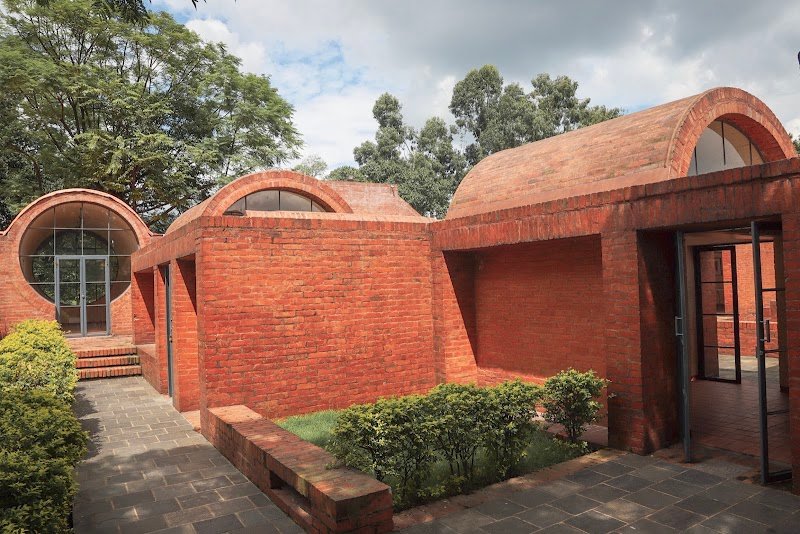
At the intersection of Nepali heritage and contemporary creativity, Taragaon Next offers a unique space where history, art, and culture converge. Nestled among old red-brick buildings with a modern twist, this cultural complex moves at its own gentle pace, drawing travelers, artists, and locals into a world of discovery. Workshops buzz with activity; galleries glow with curated light. For those seeking inspiration—beyond the usual Kathmandu highlights—this urban oasis gives both the curious and the wanderer something new to remember.

Visiting Info

Currency
Entrance fee
300 NPR
Hours
Opening hours
Monday: 10:00 AM – 5:30 PM
Tuesday: 10:00 AM – 5:30 PM
Wednesday: 10:00 AM – 5:30 PM
Thursday: 10:00 AM – 5:30 PM
Friday: 10:00 AM – 5:30 PM
Saturday: 10:00 AM – 5:30 PM
Sunday: 10:00 AM – 5:30 PM

Contact Information

Location
Address
Boudhanath Sadak, Kathmandu 44600, Nepal

Planning your visit

Getting to Taragaon Next is straightforward, but a little planning ensures a richer experience. The center’s doors open most days, but weekends attract more people than weekdays. The best times to visit are early in the morning or right after lunch, when the atmosphere feels most relaxed. Although easily reached by car or taxi from Kathmandu’s tourist hubs, using local rideshare apps saves time during busy traffic hours. Tickets are modestly priced—sometimes free—depending on the event or exhibition, but expect a few busy periods if a festival or popular talk is scheduled. While Taragaon Next is accessible to families and most visitors, the uneven grounds in some older sections mean comfortable shoes come in handy.

  • Best time to visit: Spring (March-May) and autumn (September-November); early mornings and late afternoons avoid peak crowds.
  • How to get there: Short taxi ride from Thamel or Boudha; local bus routes stop nearby; plenty of on-site parking.
  • Accessibility: Mostly accessible for families and seniors; some areas with steps or cobblestones may require caution.
  • Average visit duration: 2–3 hours for a full experience; longer if attending a workshop or event.

Must see stuff

Taragaon Next celebrates both its storied past and its dynamic present. The main exhibition halls showcase rotating collections: contemporary art, historical photography, and rare artifacts that tell the story of Kathmandu’s changing face. The restored heritage buildings—originally built in the 1970s by the Austrian architect Carl Pruscha—remain photogenic, with quirky towers and red-brick passageways. Creative studios tucked into corners flicker with activity: resident artists, small group workshops, and even impromptu performances. Outdoor courtyards—quiet under the trees—offer a perfect spot for a peaceful break or casual people-watching. Lesser-known but equally rewarding, the small museum details the area’s history as a base for visiting researchers and artists since the 1970s. Occasionally, pop-up cafes and craft markets spill out onto the central plaza, adding to the lively, welcoming scene.

  • Main exhibition halls: Modern art, historical maps, cultural exhibits.
  • Iconic towers and walkways: Distinctive architecture ideal for photos.
  • Outdoor courtyards: Shady retreats, often hosting live music or events.
  • Cultural facts: Built as a hostel complex for artists in the 1970s; now a local hub for the arts and heritage preservation.
  • Hidden gems: Small museum on site; cozy reading nook in the library section.

Tips for your visit

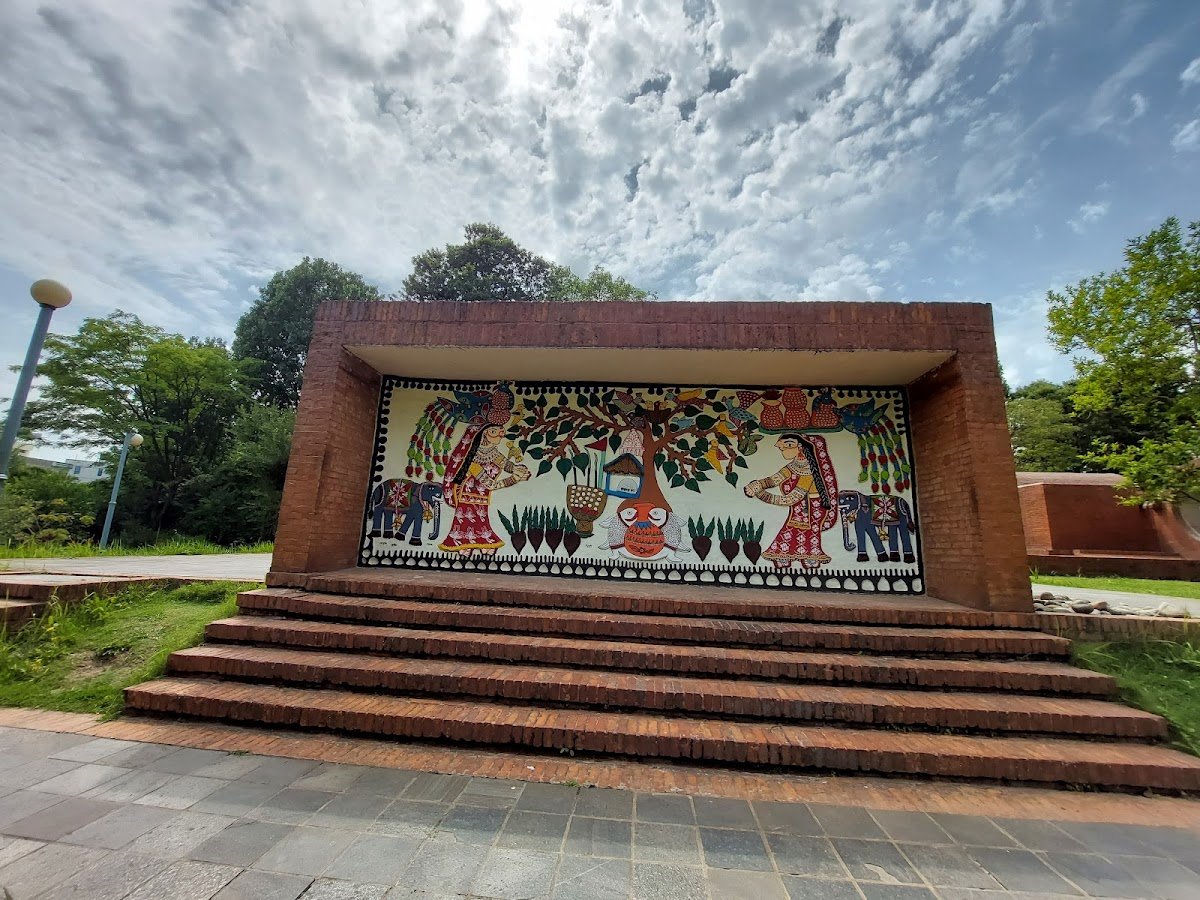
Making the most of Taragaon Next means planning for comfort and curiosity. Early hours offer a quieter atmosphere, good for photos and reflection. With frequent art events and pop-up markets, checking the program in advance helps avoid missing something special. Bringing a camera or smartphone is a must—colorful murals and quirky corners make for great memories. A bottle of water and sun protection are wise additions, as some courtyards lack shade. General etiquette: admire the art, but avoid touching works or entering closed studios. Seating abounds, but younger children may need supervision around architectural features or open staircases. Expect to meet both expats and friendly Nepali artists—many happy to share insights if you show interest. Only drawback? Occasionally, popular events can mean a little crowding, but the peaceful side paths usually offer a retreat.

  • Best times to avoid crowds: Weekday mornings or early afternoons.
  • What to bring: Water bottle, sturdy shoes, camera or phone, light jacket if visiting in spring or fall.
  • Local etiquette: Respect exhibition spaces and private studios; greet staff and artists with a friendly “Namaste.”
  • Comfort tips: Some uneven ground; wear comfortable shoes and keep personal things secure during busier events.