Badagry Heritage Museum

Badagry Heritage Museum

Lagos, Nigeria
i

Badagry Heritage Museum

Photo by chukwuneke abel

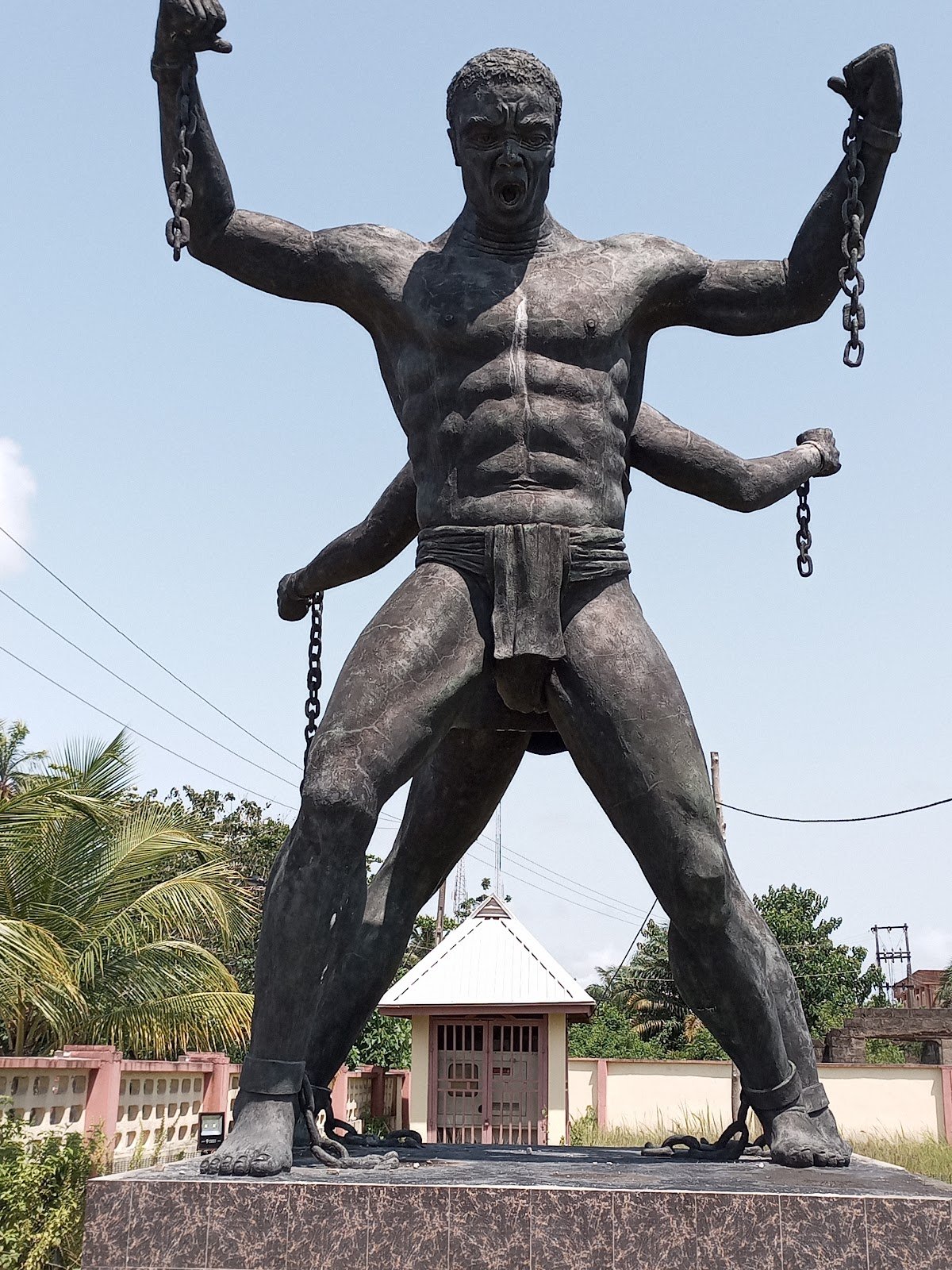
Between sun-bleached walls and aging colonial bricks, the Badagry Heritage Museum tells an urgent story. Steeped in history, every gallery and courtyard in this museum unveils Nigeria’s connection to the transatlantic slave era. Those willing to look and listen will meet echoes of human endurance, resistance, and hope. Badagry invites careful exploration—both painful and inspiring—drawing travelers into a past that shaped the country and the world.

Visiting Info

Currency
Entrance fee
500 NGN
Hours
Opening hours
Monday: 9:00 AM – 5:00 PM
Tuesday: 9:00 AM – 5:00 PM
Wednesday: 9:00 AM – 5:00 PM
Thursday: 9:00 AM – 5:00 PM
Friday: 9:00 AM – 5:00 PM
Saturday: 9:00 AM – 5:00 PM
Sunday: 9:00 AM – 5:00 PM

Contact Information

Location
Address
Lander Rd, Marina, Badagry 103101, Lagos, Nigeria

Planning your visit

For those mapping out a trip, Badagry Heritage Museum sits in the heart of historic Badagry Town, west of Lagos. The journey takes visitors out of the city’s modern sprawl and into a riverside settlement, where time feels slower and stories run deep. Light usually streams through open shutters, illuminating relics within the centuries-old compound.

Weekends and public holidays can be busy, as school groups and local families flock to the site. Weekday mornings, by contrast, allow for quieter walks and easier conversations with local guides. The museum is compact but layered—plan to slow down and linger over the stories.

  • Best time to visit: Weekdays, especially early morning or late afternoon. Visit during the dry season (November to March) for cooler weather and easier transport.
  • How to get there: By road, drive from Lagos mainland or Victoria Island (about two hours, without traffic). Shared taxis are available from Mile 2 station. Some travelers join organized heritage tours. Limited parking sits near the museum gate.
  • Accessibility: The museum building is mostly single-story, but some doorways are narrow; older visitors may need assistance. Paths and floors are uneven in places. Families with young children should keep them close near exhibits.
  • Average visit duration: 1.5 to 2.5 hours, including time for photos and conversations with staff.

Must see stuff

Inside Badagry Heritage Museum, stone and wood tell a careful tale. Originally built in 1863, the former District Officer’s Office now houses rare artifacts, weathered chains, and haunting documents. Some rooms recount the trading of humans on the West African coast. Others remember the daring escape routes for those who fled captivity. The museum gardens, shaded by almond trees, provide a quiet space to reflect outside the walls.

  • Main galleries: View real objects from the era, including iron shackles, branding irons, and early photographs of Badagry’s leaders and returnees.
  • Point of No Return exhibit: Learn about the infamous slave route stretching from Badagry Beach—a moving, essential experience for many travelers.
  • The Mobee Palace collection: Just a short walk from the museum, this lesser-known family-run exhibit shares additional artifacts and the story of Badagry’s royal lineage.
  • Photo spots: The museum’s colonial-era entrance arch, sunlit courtyards, and mural walls provide striking backdrops for photos.
  • Historical facts: Badagry was a major transshipment point in the transatlantic slave trade during the eighteenth and nineteenth centuries. Interpretive panels and local guides bring these stories to life with honesty and respect.

Tips for your visit

Badagry Heritage Museum asks for care, curiosity, and respect. Some travelers find the exhibits emotional or heavy, so building in time to process adds value to the day. Humidity can be high, and some parts of the museum lack air conditioning. Most guides are locals, eager to answer respectful questions—chats often spark further insights about contemporary Badagry culture. Photography is allowed in many areas, but always check signs and ask staff first.

  • Best times to avoid crowds: Midweek in the morning or after lunchtime sees fewer visitors.
  • What to bring: A water bottle, sun hat, comfortable walking shoes, cash for tickets or tips, and a camera or smartphone.
  • Local etiquette or rules: Dress modestly; avoid loud voices. Respect marked boundaries around sensitive relics. Tipping knowledgeable guides is appreciated but not compulsory.
  • Safety or comfort advice: Watch out for uneven floors and low doorways. Have patience with inconsistent electricity or limited ventilation. Street food stalls nearby offer cold drinks or snacks, but bring sanitizer for hand cleaning.

Similar Attractions